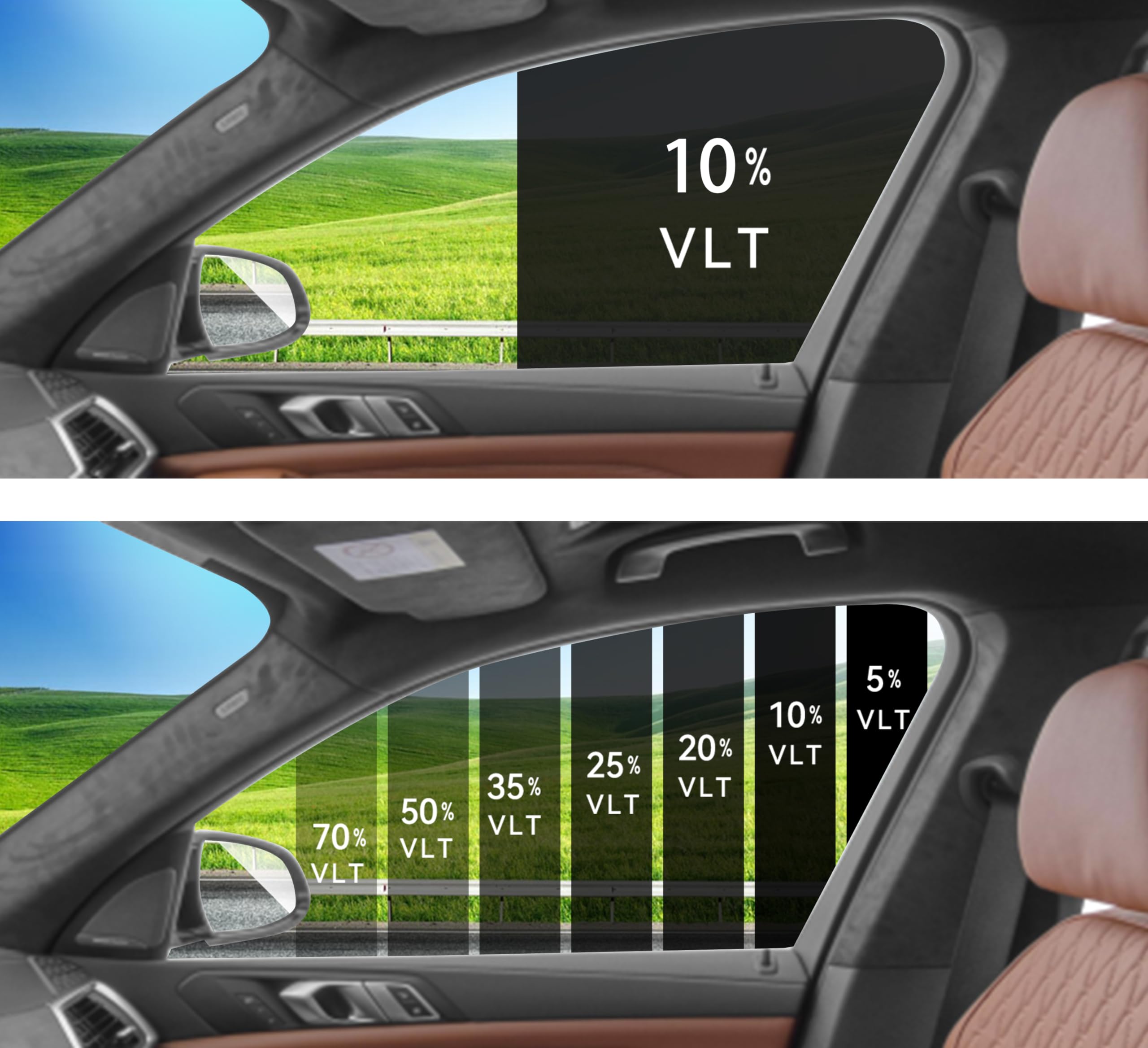
Are you considering upgrading your vehicle’s look and comfort? A 10 percent window tint might be just what you need.
This ultra-dark tint not only gives your car a sleek, stylish appearance but also offers serious benefits like enhanced privacy, reduced glare, and better heat rejection. But before you decide, it’s important to understand what a 10 percent tint really means, how it affects your driving experience, and what legal rules you need to follow.
Keep reading to discover everything you should know about 10 percent window tint and why it could be the perfect choice for your ride.
Benefits Of 10 Percent Tint
Applying a 10 percent window tint offers several key benefits for vehicle owners. This level of tint blocks out most of the light, improving comfort and safety. It also adds a sleek look to your car. Below are some important advantages of choosing 10 percent tint for your windows.
Enhanced Privacy
10 percent tint makes it very hard to see inside your vehicle. This protects your belongings from prying eyes. It also gives you more privacy while driving or parked. People passing by cannot easily look into your car, which helps prevent theft and unwanted attention.
Superior Heat Reduction
This tint blocks a large amount of solar heat from entering your vehicle. It helps keep the inside cooler during hot days. This reduces the need for air conditioning, which can save fuel. A cooler car means a more comfortable ride for everyone inside.
Glare Minimization
Glare from the sun or headlights can be distracting and dangerous. A 10 percent tint reduces this glare significantly. It improves visibility and reduces eye strain while driving. This makes driving safer and more comfortable, especially during bright daylight or night.
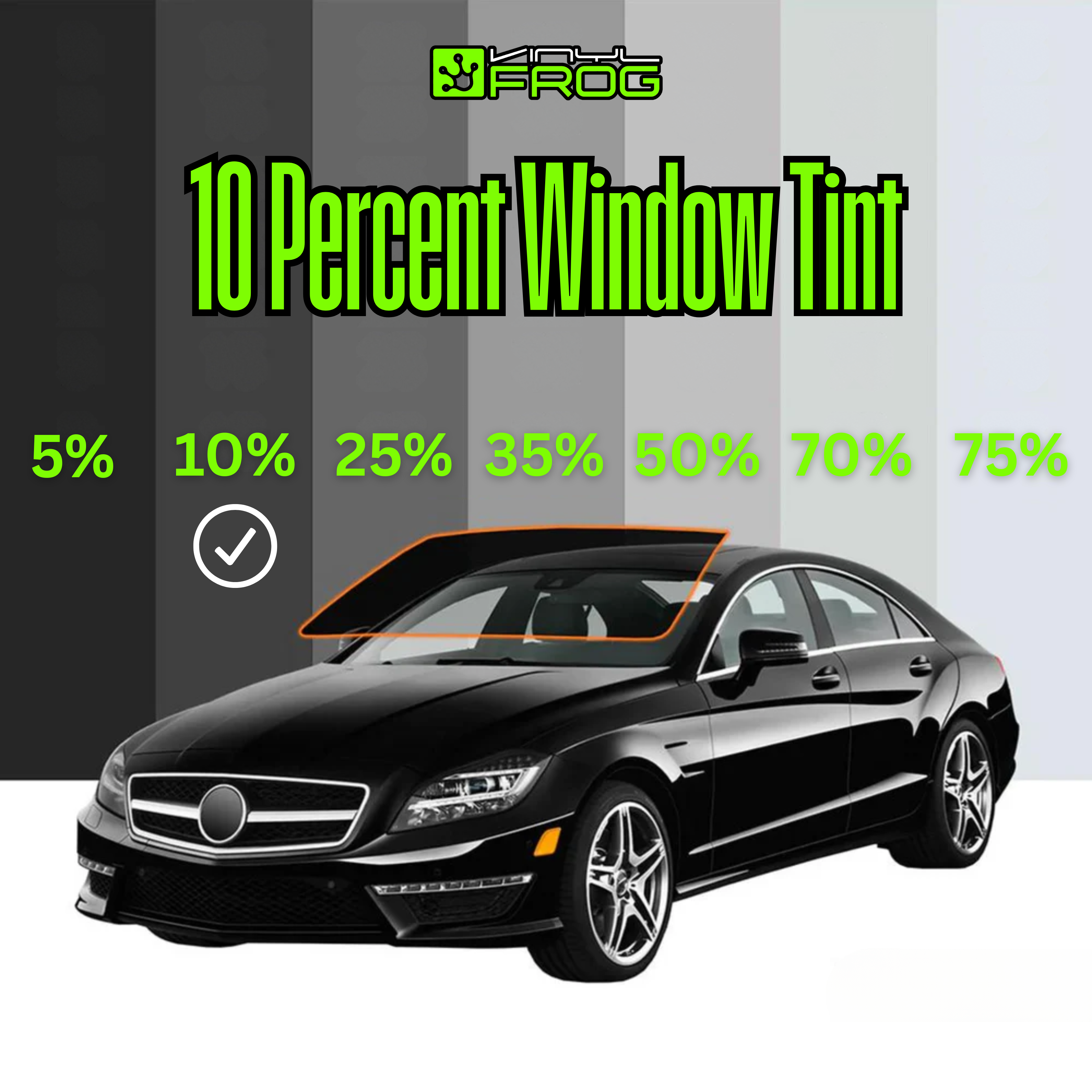
Credit: www.vinylfrog.com
Legal Limits And Regulations
Understanding legal limits and regulations for 10 percent window tint is essential. Laws vary widely across regions and affect how dark your tint can be. Knowing these rules helps avoid fines and keeps your vehicle compliant. Authorities enforce tint laws to ensure safety and visibility on the road.
State-by-state Tint Laws
Each state has its own window tint rules. Some states allow darker tints on rear windows than front. Others specify exact percentages of visible light transmission (VLT) allowed. For example, some states permit only 35% VLT on front side windows. Others may forbid tint on the windshield except a top strip. Checking local laws before tinting your windows is important.
Penalties For Illegal Tint
Illegal tint can lead to fines and citations. Police officers may issue tickets if your tint is too dark. Repeat offenses can result in higher penalties. In some places, you must remove illegal tint to pass inspections. Installers may face penalties if they apply illegal tint. Driving with illegal tint risks safety and legal trouble.
Compliance Certificates
Many states require a compliance certificate for window tinting. This certificate proves your tint meets legal standards. Installers provide this document after applying tint. Drivers should keep the certificate in the vehicle at all times. It helps during law enforcement stops or inspections. Without it, you may face fines or forced removal.
Types Of Window Tint Films
Window tint films come in different types, each serving unique purposes. Choosing the right film affects heat control, privacy, and style. Understanding these types helps in selecting the best option for your vehicle or home.
Some films block heat better, while others focus on reducing glare or adding color. The quality and material also vary, impacting durability and clarity. Here are the main types of window tint films used today.
Nano Ceramic Films
Nano ceramic films use tiny ceramic particles to block heat and UV rays. They do not contain metal, so they do not interfere with signals. These films offer excellent heat rejection and clear visibility. They are durable and resist fading over time.
Many people choose nano ceramic films for better comfort and protection. They help keep the car cooler and protect the interior from sun damage. These films are a popular choice for premium window tinting.
Vinyl And Static Cling Options
Vinyl films use adhesive to stick to the glass surface. They are strong and provide good heat and glare reduction. Static cling films do not use adhesive. They cling to windows using static electricity and can be removed easily.
Static cling films suit temporary use or renters who cannot alter windows permanently. Vinyl films last longer and are more common in vehicle tinting. Both types come in various shades and colors.
Reflective And Colored Films
Reflective films have a mirror-like surface that reflects sunlight away. They reduce glare and increase privacy by making it hard to see inside. Colored films add tint shades like gray, bronze, or blue for style and sun protection.
These films improve the look of windows while controlling heat. Reflective films work well in very sunny areas. Colored films offer a balance between appearance and function.
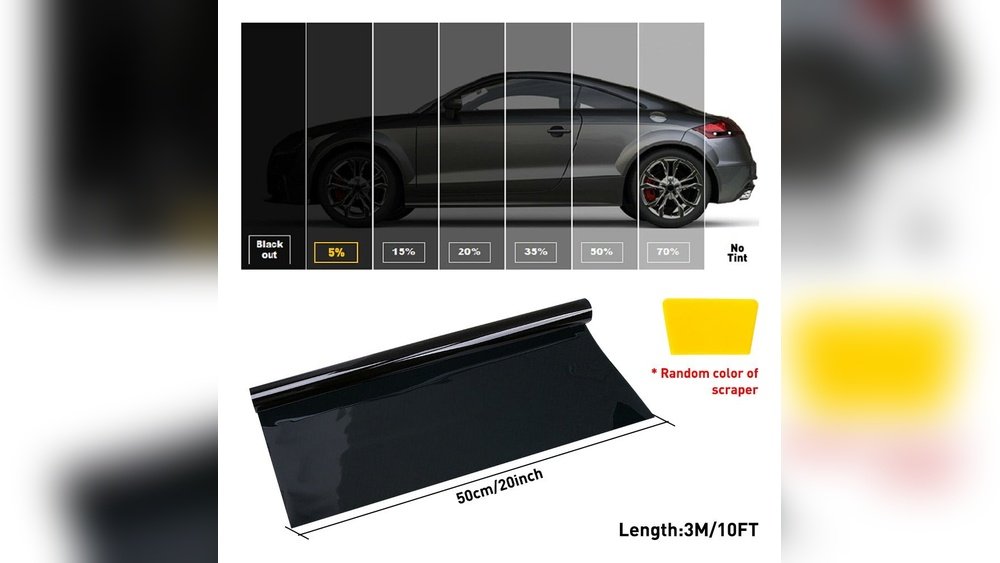
Credit: www.amazon.com
Installation Process
Installing 10 percent window tint requires careful steps to ensure a smooth finish. The process involves cleaning, measuring, cutting, and applying the tint film to your vehicle’s windows. Proper installation prevents bubbles, wrinkles, and peeling. This section breaks down the installation process into clear parts to help you understand what to expect.
Professional Vs Diy
Professionals bring experience and specialized tools to the job. They ensure the tint fits perfectly and lasts long. DIY installation saves money but needs patience and a steady hand. Mistakes can lead to wasted film or damage to windows. Choose professionals for guaranteed results. DIY suits simple jobs and those who like hands-on work.
Preparation Steps
Start by cleaning the windows thoroughly to remove dirt and oils. Use a glass cleaner and a lint-free cloth. Measure the window size accurately before cutting the tint film. Cut the film slightly larger than the window to allow trimming. Prepare a spray bottle with soapy water to help position the tint. Keep tools like a squeegee and utility knife nearby for smooth application.
Common Installation Mistakes
Not cleaning windows well causes bubbles under the tint. Cutting film too small leads to gaps and poor coverage. Applying tint on a hot day can cause the film to wrinkle. Using too much water during application makes drying slow and uneven. Rushing the process often results in dust or debris trapped under the tint. Take time and work carefully to avoid these errors.
Maintenance Tips
Maintaining 10 percent window tint keeps your car looking sharp and protects your investment. Proper care avoids damage and extends the life of the tint film. Follow simple steps to keep the tint clear and smooth for years.
Cleaning Best Practices
Use a soft, non-abrasive cloth to clean tinted windows. Avoid paper towels or rough sponges that can scratch the film. Use a mild soap mixed with water or a cleaner made for tinted windows. Spray the cleaner on the cloth, not directly on the tint. Wipe gently in circular motions to remove dirt and smudges. Dry the window with a clean microfiber cloth to avoid streaks.
Scratch Prevention
Prevent scratches by never using sharp objects on the tint. Avoid using scrapers or razor blades to remove dirt or ice. When parking, be careful not to scratch the windows with branches or other objects. Keep pet nails trimmed if they ride inside the car. Small scratches can reduce the tint’s appearance and effectiveness.
Longevity Of Tint Films
Keep your tint lasting longer by parking in shaded areas or using a car cover. Protect the film from harsh sunlight and extreme heat. Avoid rolling down windows for a few days after installation to let the tint settle. Check the tint regularly for bubbles or peeling edges. Early repair helps maintain its strength and look.

Credit: cityofharrah.com
Choosing The Right Tint For Your Vehicle
Choosing the right window tint for your vehicle involves several factors. The tint must suit your car type and your daily needs. A 10 percent window tint offers a dark, sleek look, but it may not be ideal for every situation. Understanding different options helps pick the best fit for comfort, style, and legality.
Sedans Vs Suvs And Trucks
Sedans often have smaller windows than SUVs and trucks. This affects how tint looks and performs. SUVs and trucks have larger glass areas, so tint can block more sunlight and heat. Dark tints like 10 percent can make SUVs and trucks look bold. Sedans may benefit from slightly lighter tints for better visibility.
Front Vs Rear Window Tinting
Front windows usually have stricter tint rules for safety reasons. Rear windows allow darker tints, including 10 percent. Tinted rear windows improve privacy and reduce glare. Front windows with heavy tint may limit driver visibility at night. Many drivers choose a lighter front tint and darker rear tint for balance.
Considering Climate And Usage
Climate plays a big role in tint choice. Hot, sunny areas benefit from darker tints to keep the car cool. Cooler climates may not need as dark a tint. Usage also matters. Daily drivers in cities might prefer lighter tints for safety. Vehicles used mostly for leisure or off-road can have darker tints for style and privacy.
Cost Factors
Understanding the cost factors of 10 percent window tint helps in making smart choices. Prices vary based on several key elements. These elements influence the final amount paid for tinting services. Knowing these can prepare you for the investment and avoid surprises.
Material Quality Impact
Material quality plays a big role in pricing. Higher quality films block more heat and UV rays. These films last longer and resist fading better. Cheap films may cost less but wear out quickly. Investing in good materials often saves money over time.
Labor And Installation Fees
Installation requires skill and time. Labor costs depend on the installer’s experience and location. Complex window shapes or larger vehicles increase work time. Professional installation ensures a smooth, bubble-free finish. Poor installation can cause peeling or damage.
Warranty And Aftercare Services
Warranties protect your investment in window tint. Some companies offer lifetime warranties against bubbling and fading. Aftercare services like cleaning advice help maintain tint quality. Choosing a provider with good support adds value to the purchase.
Safety Considerations
Choosing 10 percent window tint comes with important safety factors to consider. This level of tint is very dark and can affect how well drivers see outside. It also influences how others, like police officers, view inside the vehicle. Understanding these safety considerations helps in making smart decisions about window tinting.
Visibility For Drivers
Dark tint reduces the amount of light entering the car. This can make it harder to see at night or in bad weather. Drivers need clear vision to react quickly to road hazards. Too dark tint can slow reaction time and increase accident risk. It is important to check visibility before and after tint installation.
Law Enforcement Interactions
Police officers need to see inside vehicles during traffic stops. Very dark tint may raise suspicion or cause officers to ask drivers to roll down windows. Some states have laws limiting how dark tint can be for safety reasons. Following these laws helps avoid fines and ensures smoother stops.
Emergency Situations
In accidents or emergencies, responders must see inside the car quickly. Dark tint can block their view and slow rescue efforts. It may also prevent them from spotting injured passengers. Choosing the right tint balance can improve safety for everyone in the vehicle.
Popular Brands And Products
Choosing the right 10 percent window tint depends on quality, price, and availability. Many brands offer different films that vary in durability and heat rejection. Knowing popular brands helps find a product that fits your needs and budget. Below are some of the best films, wallet-friendly choices, and buying tips.
Top Rated Films On Market
Some films stand out for their performance and customer satisfaction. Nano-ceramic tints block heat and UV rays well. VinylFrog Nano Ceramic Window Tint Film is highly rated for clarity and durability. ExpressWindowFilms offers quality ceramic options that reduce glare effectively. These films last longer and keep your car cooler.
Budget-friendly Options
Affordable films also provide decent protection and style. Walmart’s AllTopBargains Window Tint Film is popular for its low price and easy installation. Greenfilm Static Cling Window Tint costs less and is removable without residue. Parsey offers cheap films that suit daily drivers. These options fit tight budgets without sacrificing basic functions.
Where To Buy
Online stores provide wide selections and quick delivery. Walmart carries many budget films with free shipping offers. GordonGlassUSA and ExpressWindowFilms sell premium products online. Check each site for discounts and shipping policies. Local auto shops often stock top brands too, allowing hands-on inspection before purchase.
Emerging Trends In Window Tinting
Window tinting continues to evolve with new trends shaping its future. These trends focus on improving comfort, safety, and environmental impact. The rise of 10 percent window tint highlights the demand for darker, more effective films. Innovations in materials and technology also play a key role. Exploring these emerging trends reveals exciting changes in window tinting.
Smart And Adaptive Tints
Smart tints adjust their darkness based on sunlight intensity. They reduce glare and heat automatically. This feature enhances driving comfort and safety. Adaptive tints help save energy by controlling interior temperature. Users enjoy privacy without sacrificing visibility.
Eco-friendly Materials
New window films use sustainable and non-toxic materials. These eco-friendly options reduce environmental harm. They also improve air quality inside vehicles and buildings. Many films now block UV rays without harmful chemicals. Choosing green materials supports a healthier planet.
Technological Innovations
Advanced films combine heat rejection with clear visibility. Nano-ceramic technology boosts performance without darkening windows too much. Some tints include infrared blocking for better cooling. These innovations make 10 percent tint safer and more effective. Technology also improves film durability and scratch resistance.
Frequently Asked Questions
Is 10% Tint Considered Dark?
Yes, 10% tint is considered very dark. It blocks 90% of visible light, reducing visibility significantly.
Is 5% Tint Legal In Hawaii?
No, 5% tint is illegal in Hawaii. Front side windows must allow at least 70% light through. Rear windows have different rules.
Is 5% Tint Legal In Wa?
No, 5% tint is illegal on front side windows in Washington. Rear windows have no VLT limit but require dual side mirrors. Avoid red, gold, yellow, or mirror-finish films. Always carry a compliance certificate from your installer to avoid fines.
Do They Make A 10% Window Tint?
Yes, 10% window tint is available and offers very dark shading. It blocks 90% of visible light, enhancing privacy and heat reduction. Check local laws before installation, as some areas restrict tint darkness for safety reasons. Choose professional tinting for best results and legal compliance.
Conclusion
Choosing 10 percent window tint offers strong privacy and heat reduction. It blocks most sunlight while keeping your ride cooler. This tint level suits drivers who want a sleek, dark look. Remember to check local laws before installation to avoid fines.
Proper tinting improves comfort and protects your car’s interior. Always use a trusted installer for best results. Enjoy the benefits of darker windows safely and legally.