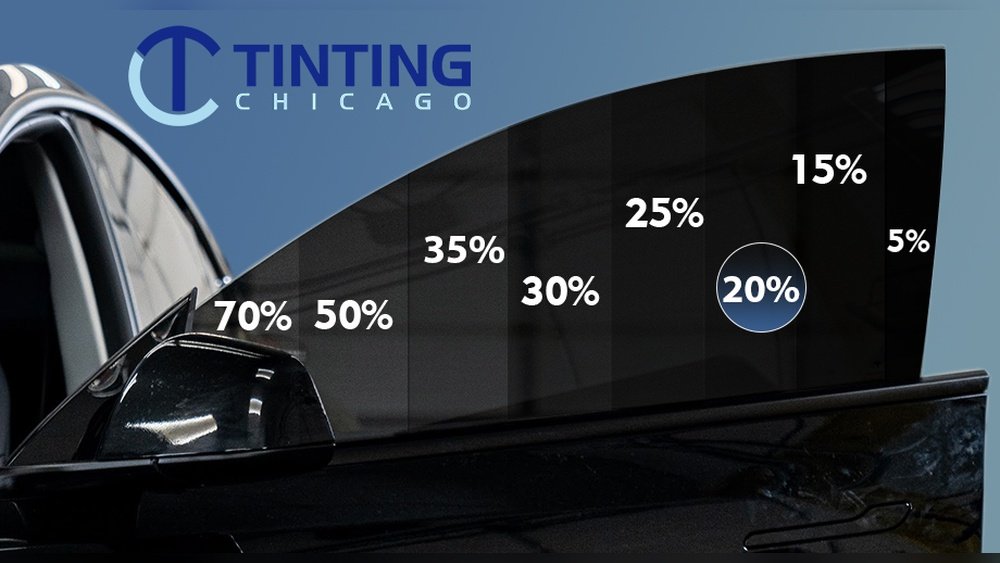
Are you considering 20 percent window tint for your vehicle but aren’t sure if it’s the right choice? You’re not alone.
This level of tint strikes a perfect balance—offering privacy, style, and protection without making your windows too dark. Imagine driving with glare reduced, your interior cooler, and prying eyes kept at bay. But there’s more to know before you take the plunge.
You’ll discover everything about 20 percent window tint—how it affects your driving experience, what the laws say, and why it might be the upgrade your car really needs. Keep reading to find out how this simple change can make a big difference for you.
Benefits Of 20 Percent Tint
Applying a 20 percent window tint offers several practical benefits. This level of tint strikes a good balance between visibility and protection. It improves comfort, safety, and privacy for drivers and passengers. Below are key advantages of choosing 20 percent tint for your vehicle.
Enhanced Privacy
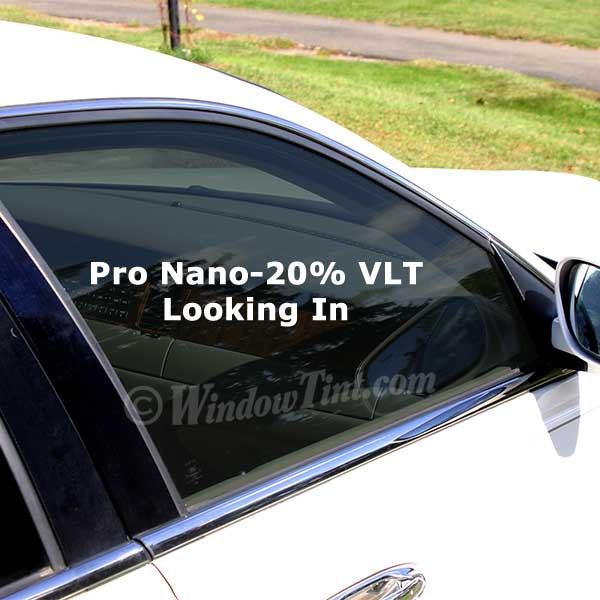
20 percent tint darkens your windows enough to limit outside view. It keeps people from easily seeing inside your car. This helps protect your belongings from prying eyes. It also gives a sense of security and personal space. Privacy increases without making the car feel too dark inside.
Heat Reduction
This tint blocks a significant amount of sunlight and heat. It helps keep your car cooler during hot days. Reducing heat lowers the need for air conditioning. That can save fuel and reduce engine strain. A cooler interior also means a more comfortable ride for everyone.
Uv Protection
Windows with 20 percent tint block most harmful UV rays. UV rays can cause skin damage and fade car interiors. Tint helps protect your skin while driving. It also prevents seats and dashboard from cracking or discoloring. This protection extends the life of your vehicle’s interior.

Credit: cityofharrah.com
Legal Limits And Regulations
Understanding the legal limits and regulations of 20 percent window tint is crucial for safe and lawful driving. Laws vary widely across states and affect which windows you can tint and how dark the tint can be. Knowing these rules helps avoid fines and ensures your vehicle stays compliant with traffic laws.
State-specific Rules
Each state sets its own window tint limits. Some allow 20 percent tint on all windows, while others restrict it to rear windows only. States like New Mexico and Arkansas have different rules than Texas or Washington. Always check local laws before tinting to avoid breaking the law.
Front Vs Rear Window Tinting
Rules often differ between front and rear windows. Front side windows usually have stricter tint limits for better visibility. Rear windows can often have darker tint, sometimes even unlimited. Some states require dual side mirrors if the rear windows are heavily tinted.
Medical Exemptions
People with certain medical conditions may qualify for tinting exemptions. These allow darker tint beyond normal legal limits. You must get documentation from a doctor and approval from local authorities. This helps protect sensitive eyes or skin while driving safely.
Types Of Window Tint Films
Window tint films come in various types, each offering unique benefits. Choosing the right film improves comfort, privacy, and protects from harmful UV rays. The 20 percent window tint is a popular choice that balances visibility and shading. Understanding the types of window tint films helps in making an informed decision.
Dyed Films
Dyed films are the most common and affordable option. They use a layer of dye to absorb sunlight and reduce glare. These films darken the glass and provide basic heat rejection. Over time, dye may fade or change color. They offer good privacy but less heat protection than other types.
Metallic Films
Metallic films contain tiny metal particles that reflect heat and UV rays. They provide stronger heat rejection than dyed films. These films improve durability and reduce glare effectively. However, metallic films can interfere with electronic signals like GPS or radio. They give windows a shiny, reflective look.
Ceramic Films
Ceramic films use advanced ceramic technology for excellent heat and UV protection. They block a high percentage of infrared rays without blocking visible light. Ceramic films do not fade or change color over time. They do not interfere with electronic devices. These films offer superior performance and a non-reflective finish.
Credit: www.windowtint.com
Installation Process
Installing 20 percent window tint requires care and attention. The process affects how the tint looks and lasts. Proper installation prevents bubbles and peeling. This section explains key steps and compares options for installation.
Diy Vs Professional
DIY installation saves money but needs skill and patience. Mistakes can cause bubbles or wrinkles. Professional installers use special tools and experience. They ensure smooth, lasting results. Choosing professional service reduces risks and saves time. DIY suits small projects for confident tinkerers.
Preparation Steps
Clean windows thoroughly to remove dirt and dust. Use a lint-free cloth and glass cleaner. Measure and cut tint film to fit the window size. Keep tools ready: spray bottle, squeegee, utility knife. Work in a dust-free environment. Wet the window with soapy water before applying film. This helps position the tint accurately. Remove air bubbles by smoothing from center outwards.
Common Installation Issues
Air bubbles trapped under the tint are common. They reduce visibility and look bad. Use a squeegee to push bubbles out carefully. Dust or dirt can stick under the film. Clean windows well before starting. Poor cutting leads to edges peeling over time. Trim excess film precisely. Avoid stretching the film, which causes wrinkles and tearing.
Maintaining Tinted Windows
Maintaining tinted windows keeps their look fresh and their function strong. Proper care prevents scratches and bubbling. It also helps the tint last longer and stay clear. Simple steps protect your investment and improve driving comfort.
Cleaning Tips
Use a soft cloth or microfiber towel to clean tinted windows. Avoid rough materials that can scratch the tint film. Use a mild soap mixed with water for cleaning. Spray the solution gently and wipe with light pressure. Avoid ammonia-based cleaners as they can damage the tint. Dry the window with a clean, dry cloth to prevent streaks.
Avoiding Damage
Do not use sharp tools or razor blades on tinted windows. Avoid parking under direct sunlight for long times to reduce heat damage. Keep pets from scratching the windows. Do not roll down windows too fast if the tint is new. Avoid using harsh chemicals or abrasive pads for cleaning.
Longevity Enhancements
Park in shaded areas or use sunshades to protect tint from sun damage. Regularly clean the windows to remove dirt and debris. Fix small bubbles or peeling early to prevent bigger problems. Follow manufacturer instructions for care and maintenance. Schedule professional checkups to keep tint in top condition.
Credit: gilafilms.com
Choosing The Right Tint Brand
Choosing the right tint brand is key for a quality 20 percent window tint. The brand affects the tint’s durability, look, and performance. A good brand offers clear tint with strong heat and UV protection. It also resists fading and bubbles over time. Picking a trusted brand helps ensure your car stays cool and stylish.
Popular Products
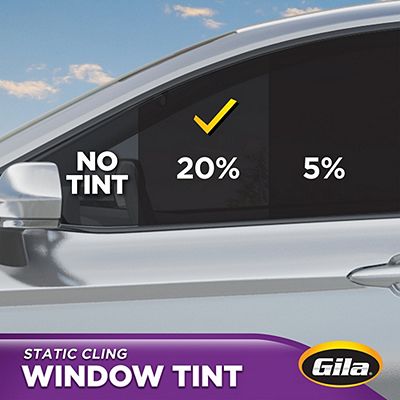
Some brands stand out for their quality and price. Blackmagic offers Nano Ceramic and Insta-Cling films. These provide strong heat rejection and easy installation. Gila is another favorite with Heat Shield Plus and Static Cling options. Auto Expressions Black Magic Select is a budget-friendly choice. These products balance cost and performance well. You can find them at stores like Walmart, AutoZone, and O’Reilly Auto Parts.
Cost Considerations
Price varies by brand and tint type. Ceramic tints often cost more but last longer and block more heat. Cheaper films may fade or peel sooner. Consider how long you plan to keep the tint. Spending a little more upfront can save money later. Also, factor in professional installation costs for the best results.
Warranty And Support
Check the warranty before buying. Good brands offer 5 to 10 years coverage for defects and fading. This protects your investment. Also, look for brands with solid customer support. They provide help if issues arise after installation. A strong warranty and support ensure peace of mind with your tint choice.
Impact On Driving Experience
Applying 20 percent window tint changes how you experience driving. It affects visibility, glare, and night driving comfort. Understanding these effects helps you decide if this tint level suits your needs.
Many drivers choose 20 percent tint for its balance between style and function. It darkens the windows enough to reduce sunlight but still allows a clear view of the road. Below are key impacts on your driving experience.
Visibility Changes
Twenty percent tint darkens windows significantly. It lowers the amount of light entering the vehicle. This can make it harder to see in low-light conditions. During the day, visibility stays good for most drivers. You still see road signs, signals, and other cars clearly. At dusk or dawn, the darker tint may require extra attention. Drivers should be cautious in shaded or poorly lit areas.
Glare Reduction
This tint cuts down on glare from the sun. Bright sunlight can cause eye strain and distractions. Twenty percent tint reduces these effects by blocking harsh rays. It keeps the cabin cooler and more comfortable. Glare from headlights at night also lessens. This helps reduce eye fatigue on long drives. Overall, glare reduction improves focus and safety on the road.
Night Driving Effects
At night, 20 percent tint can feel darker than usual. It lowers the brightness from streetlights and headlights. Some drivers find this change uncomfortable at first. It may take time to adjust. In very dark conditions, it might reduce the ability to see clearly. Using clean, high-quality tint helps maintain good clarity. Extra care is needed when driving on poorly lit roads.
Common Myths About 20 Percent Tint
Many people have strong opinions about 20 percent window tint. Some ideas about it are not true. Understanding these myths helps you make better choices. Let’s clear up some common misunderstandings.
Privacy Overstatements
Some think 20 percent tint makes windows completely dark. It does not block all views from outside. It offers good privacy but not total invisibility. People can still see shadows and shapes inside.
Heat Protection Misconceptions
Many believe 20 percent tint blocks all heat from the sun. It reduces heat, but it does not stop it all. The tint helps cool the car, but air conditioning is still needed. It mainly cuts glare and UV rays.
Legal Misunderstandings
People often think 20 percent tint is illegal everywhere. Laws vary by state and city. Some places allow it on back windows but not front. Always check local rules before applying tint to avoid fines.
Frequently Asked Questions
Is 20% Window Tint Dark Enough?
A 20% window tint blocks 80% of light, offering good privacy and heat reduction. It may be too dark in some states. Always check local tint laws before installation.
In What State Is 20% Tint Legal?
States like New Mexico, Arkansas, Colorado, Mississippi, Montana, Oklahoma, South Carolina, Texas, and Washington allow 20% tint legally. Always check local DMV rules before tinting, as laws vary by vehicle type and window location.
Is 20% Tint Legal In Il?
Illinois law requires front side windows to have at least 35% visible light transmission. A 20% tint is illegal on these windows. Rear and back side windows allow darker tints. Always check current local regulations before tinting your vehicle.
Is 5% Tint Legal In Hawaii?
5% tint is illegal on front side windows in Hawaii. The law requires at least 70% visible light transmission. Rear windows have fewer restrictions. Always check local regulations before tinting.
Conclusion
Choosing 20 percent window tint offers a good balance of privacy and visibility. It helps reduce glare and heat inside your car. This tint level often complies with many state laws. Always check local rules before installation to avoid fines.
Quality tint also protects your car’s interior from sun damage. Proper care keeps the tint looking great longer. Overall, 20 percent tint suits drivers wanting style and function. Consider your needs carefully for the best results.