Are you considering 24 percent window tint for your vehicle? This popular tint level strikes a perfect balance—offering privacy, reducing glare, and keeping your car cooler without making your windows too dark.
But how does 24 percent tint affect your driving experience, legal compliance, and comfort? You’ll discover everything you need to know about 24 percent window tint—its benefits, limitations, and what to watch out for to stay within the law. Read on to find out how this tint choice can enhance your ride while keeping you safe and street-legal.
Benefits Of 24 Percent Tint
Choosing the right window tint can improve your driving experience greatly. A 24 percent window tint offers many benefits. It balances privacy, comfort, and protection effectively. This level of tint lets in enough light while still providing key advantages for drivers and passengers.
Enhanced Privacy
24 percent tint darkens your windows without making them too dark. It prevents others from seeing inside easily. This keeps your belongings and passengers more secure. You can enjoy a sense of privacy during your drive.
Heat Reduction
One major benefit is heat reduction inside your vehicle. The tint blocks a large amount of solar heat. This helps keep the car cooler on hot days. It reduces the need to use the air conditioner often. Saving energy and improving comfort go hand in hand.
Glare Control
Bright sunlight can cause glare and strain your eyes. A 24 percent tint reduces glare effectively. It makes driving safer by improving visibility. You can enjoy a clearer view without squinting or distraction.
Uv Protection
The tint blocks harmful ultraviolet rays from the sun. UV rays can damage your skin and fade your car’s interior. With 24 percent tint, you protect yourself and your vehicle. It helps preserve your car’s appearance and your health.

Credit: www.motoshieldpro.com
Legal Restrictions
Understanding legal restrictions on 24 percent window tint is crucial for all drivers. Laws vary widely across states and vehicle types. These rules aim to balance privacy, safety, and visibility. Ignoring them can lead to fines and other penalties. This section breaks down the key legal aspects you must know.
State-by-state Variations
Each state sets its own rules on window tint darkness. Some states allow 24 percent tint on front and rear windows. Others restrict tint only to rear windows. Certain states require a minimum amount of light to pass through. Check local laws before installation to avoid trouble. States also differ on medical exemptions for darker tint.
Vehicle Type Differences
Tint laws can vary by vehicle type. Sedans often face stricter tint limits than SUVs or trucks. Commercial vehicles may have separate rules. Some states allow darker tint on rear windows of SUVs. Always verify the rules that apply to your specific vehicle. These differences protect driver visibility and officer safety.
Law Enforcement Guidelines
Police officers follow set guidelines when checking window tint. They may ask drivers to roll down windows for inspection. Some states require installers to provide a compliance certificate. Officers look for tint that blocks too much light. Cooperation during traffic stops helps prevent fines or further action.
Penalties For Non-compliance
Violating window tint laws can lead to fines or citations. Repeat offenses may result in higher penalties. Some states also penalize the installer for illegal tint jobs. Drivers might be required to remove illegal tint. Staying within legal limits saves money and avoids hassle.
Installation Tips
Installing 24 percent window tint requires careful attention to detail. Proper installation ensures durability, appearance, and legal compliance. Following key tips can help avoid common problems like bubbles and peeling.
Choosing Quality Film
Select a film that blocks heat and UV rays effectively. Look for films with good warranty and proven performance. Quality films resist fading and bubbling over time. Avoid cheap films that may peel quickly.
Professional Vs Diy
Professional installation offers precise cutting and fitting. Experts handle curved windows and edges smoothly. DIY kits save money but need patience and skill. Mistakes in DIY can cause air bubbles and creases.
Certification And Documentation
Ensure the installer provides a certification for the tint. This certificate proves legal compliance in many states. Keep the document in your vehicle for law enforcement checks. Certified films meet safety and light transmission standards.
Maintenance Advice
Clean tinted windows with mild soap and soft cloth only. Avoid ammonia-based cleaners that damage the film. Dry windows gently to prevent scratches. Do not roll down windows for a few days after installation to let the film set.
Credit: www.ebay.com
Comparing Tint Percentages
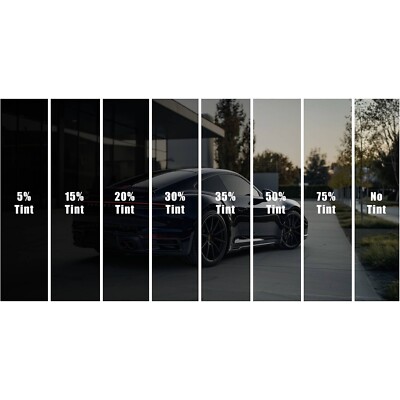
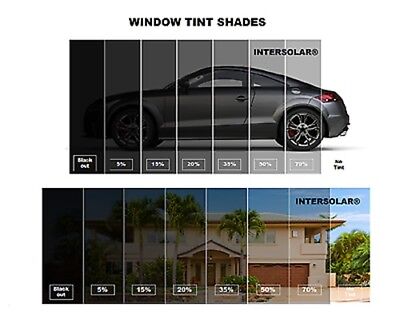
Understanding window tint percentages helps you pick the right shade for your vehicle. Tint percentages show how much visible light passes through the film. Different levels offer varied benefits like privacy, heat reduction, and style. Comparing these percentages clarifies what 24 percent tint offers compared to other options.
What 24% Means In Vlt
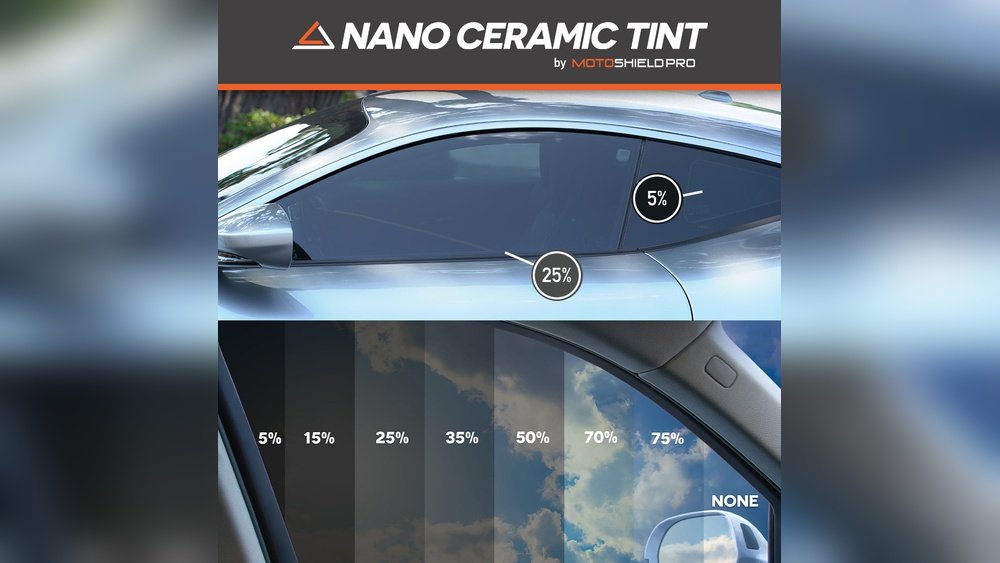
Twenty-four percent tint means 24% of visible light passes through the glass. It blocks 76% of light, making windows noticeably darker. This level balances privacy and visibility well. Drivers can see outside clearly, but others have limited view inside.
Differences From Other Tint Levels
Higher percentages, like 50%, let in more light and look lighter on windows. Lower percentages, like 5% or 15%, are very dark and reduce visibility from outside significantly. Twenty-four percent tint sits in the middle, offering moderate darkness without being too dark.
Dark tints block more heat but reduce outside visibility. Lighter tints keep views clearer but block less heat. Each level suits different needs and preferences.
Best Uses For Each Shade
Twenty-four percent tint works well for drivers needing privacy and heat control without sacrificing too much visibility. It fits most states’ legal limits for front side windows.
Lighter tints like 35% or 50% suit those wanting sun protection but clear views. Darker tints like 5% are good for rear windows or privacy seekers but may face legal restrictions.
Choosing the right tint depends on your vehicle, local laws, and personal comfort with light and privacy.
Common Myths
Many people have wrong ideas about 24 percent window tint. These myths can stop them from choosing this popular option. Let’s clear up some common misunderstandings. Understanding the facts helps you make a better choice for your car.
Privacy Guarantees
Some believe 24 percent tint makes windows completely dark. It does not. This tint offers good privacy but still lets light in. People outside can see shadows but not clear details. It balances privacy with visibility for drivers. You can see out easily without being seen well.
Heat Blocking Capabilities
Many think 24 percent tint blocks all heat from the sun. It reduces heat but does not stop it all. This tint lowers sunlight and UV rays that enter the car. It helps keep the inside cooler on sunny days. Still, some heat will pass through the window film.
Legal Misconceptions
People often assume 24 percent tint is illegal everywhere. This is false. Laws about tint darkness vary by state and country. Some places allow 24 percent tint on certain windows. Others may have stricter rules. Always check local regulations before installing tint. Using legal tint keeps you safe from fines.
Credit: www.histamineintolerance.org.uk
Medical Exemptions And Exceptions
Medical exemptions and exceptions allow certain drivers to use darker window tint legally. These rules help people with health conditions needing extra protection from sunlight. Understanding how medical exemptions work is important before applying darker tint films like 24 percent window tint.
Eligibility Criteria
Only specific medical conditions qualify for tint exemptions. Common reasons include skin diseases, light sensitivity, or eye disorders. A doctor must confirm the condition requires reduced sunlight exposure while driving. The vehicle owner or driver must meet these health criteria to apply for an exemption.
Documentation Needed
Proof of medical need is necessary to obtain an exemption. A detailed letter or certificate from a licensed physician is required. This document should explain the health condition and recommend darker window tint. Drivers must keep the paperwork in the vehicle for law enforcement checks.
State-specific Rules
Each state has different laws about medical tint exemptions. Some states allow darker tints with proper documentation, while others have stricter limits. It is essential to check local regulations before installing 24 percent window tint under a medical exemption. Following state rules avoids fines and legal issues.
Frequently Asked Questions
Is 24% Tint Dark?
A 24% tint is considered quite dark, allowing only 24% of light to pass through. It offers strong privacy and heat reduction.
Is 5% Tint Legal In Hawaii?
No, 5% tint is illegal in Hawaii. Front side windows must allow over 70% light transmission. Rear windows have different rules.
Is 25% Tint Hard To See Out Of At Night?
25% tint slightly reduces night visibility but generally does not cause significant difficulty seeing out. Proper lighting helps maintain clear vision.
How Dark Can Tint Be In Ky?
Kentucky law allows 23% visible light transmission (VLT) on front side windows. Rear side and back windows can be darker. Red or yellow tints are banned. Medical exemptions are not recognized. Drivers must keep a tint compliance certificate in the vehicle.
Conclusion
Choosing 24 percent window tint offers balanced privacy and visibility. It helps reduce glare and keeps your car cooler. Make sure to check your local tint laws before installation. Proper tinting enhances comfort without risking fines. Remember, following regulations keeps you safe on the road.
This tint level suits many drivers’ needs well. Consider your preferences and legal limits carefully. A well-chosen tint improves driving experience every day.