Are you thinking about upgrading your car with 28 percent window tint? This popular tint level strikes a perfect balance between style, privacy, and visibility.
With 28% tint, you get enough darkness to keep prying eyes away while still enjoying clear vision both day and night. But before you make the move, it’s crucial to understand how this tint affects heat reduction, glare, and—most importantly—whether it’s legal where you live.
Stick with me, and you’ll discover everything you need to know about 28 percent window tint, so you can make the smartest choice for your ride and your safety.
What 28 Percent Tint Means
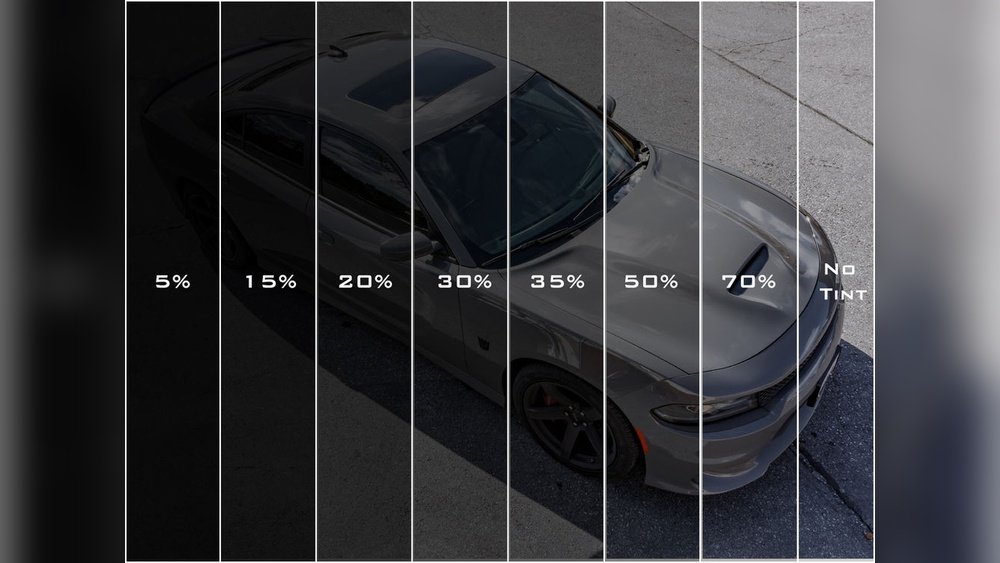
Understanding what 28 percent window tint means helps you choose the right shade for your vehicle. This number refers to how much light passes through the tinted glass. It balances privacy and visibility, making it a popular choice for many drivers. Knowing the details behind this percentage clears up common questions about tint darkness and clarity.
Visible Light Transmission Explained
Visible Light Transmission (VLT) shows the amount of light the tint lets through. A 28 percent tint allows 28 percent of outside light inside the car. The lower the number, the darker the tint looks from outside. This means 28 percent tint blocks 72 percent of visible light. It reduces sunlight and glare but still lets enough light for safe driving.
How It Affects Visibility
With 28 percent tint, you get good privacy during the day. People outside find it harder to see inside your car. At night, visibility remains clear enough for safe driving. The tint darkens the view slightly but does not block vision. It also cuts down on heat and glare from the sun. This tint level is a good mix of comfort and safety.
Privacy Benefits
Applying 28 percent window tint provides significant privacy benefits for vehicle owners. This tint level darkens the glass enough to prevent people outside from easily seeing inside. It helps keep your personal space secure while maintaining a stylish look. Privacy is essential for many drivers who want to feel safe and comfortable on the road.
Daytime Privacy
During the day, 28 percent tint blocks much of the sunlight and outside view. People walking or driving by cannot clearly see inside your car. The tint creates a reflective effect that shields your interior. This means your belongings and passengers stay hidden. It gives you peace of mind in busy parking lots or crowded streets. The tint balances privacy with natural light entering your car.
Nighttime Visibility
At night, the 28 percent tint still allows you to see well from inside. It reduces glare from headlights and streetlights without making the glass too dark. Outside viewers may have a harder time looking in, especially if your interior lights are low. This tint level provides good visibility for safe driving in low light. It protects your privacy without compromising your view of the road.
Heat And Glare Reduction
Heat and glare inside a vehicle can cause discomfort and distract drivers. A 28 percent window tint helps reduce these problems. It lowers the temperature inside the car and cuts down the bright sunlight. This makes driving more comfortable and safer. Let’s explore how this tint works to block heat and reduce glare effectively.
Blocking Solar Heat
Solar heat can make a car’s interior very hot, especially in summer. The 28 percent window tint blocks a large amount of this heat. It reflects the sun’s rays before they enter the vehicle. This keeps the cabin cooler and reduces the need for air conditioning. Less air conditioning means better fuel efficiency and lower energy use.
The tint also protects the dashboard and seats from sun damage. Fading and cracking happen less often with this heat protection. It helps maintain the car’s interior look and value for a longer time.
Reducing Glare For Safer Driving
Glare from the sun or other vehicles can cause eye strain and distract drivers. The 28 percent tint cuts glare by dimming the bright light. This improves visibility and comfort while driving. Drivers can see the road, signs, and other cars more clearly.
Reduced glare lowers the risk of accidents caused by sudden blinding light. It also helps during sunrise and sunset, when glare is strongest. The tint balances light well, making driving safer in different lighting conditions.

Credit: www.youtube.com
Legal Considerations
Understanding the legal aspects of 28 percent window tint is crucial before installation. Laws vary by state and affect how dark your tint can be. Following the rules helps avoid fines and legal trouble. Always check the regulations that apply to your vehicle and location.
State Tint Laws Overview
Each state sets its own rules for window tint darkness. These rules often use Visible Light Transmission (VLT) percentages. VLT shows how much light passes through the tint. A 28 percent tint means 28 percent of light can pass through. Some states allow darker tints on rear windows than front windows. Penalties for breaking tint laws may include fines or having to remove the tint.
Texas Tint Regulations
Texas law permits 25 percent VLT on front side windows and darker on rear windows. The windshield may only have tint on the top few inches. Reflective tints are limited in how shiny they can be. Law enforcement officers must be able to see inside the vehicle for safety reasons. Violating these rules may lead to fines or citations.
Medical And Special Exemptions
Some states, including Texas, offer medical exemptions for darker tints. Drivers with certain health conditions can apply for these exemptions. A doctor’s note is usually required to prove the need. Special vehicles like limousines may have different tint rules. Always keep exemption documents in the car to show officers if stopped.
Checking Local Rules
Local laws may add extra rules on top of state laws. Cities or counties can have stricter tint limits. Checking with the local Department of Motor Vehicles (DMV) is wise. Tint shops often know the latest local rules and can advise. Staying informed prevents unexpected legal problems.
Choosing The Right Vehicle Windows
Choosing the right vehicle windows for 28 percent window tint impacts safety and comfort. Each window type has different rules and benefits for tint application. Understanding these differences helps you pick the best option for your vehicle.
Proper tinting improves privacy and reduces glare without risking legal issues. Below, we explain key points about front and rear window tinting and mirror requirements.
Front Vs Rear Window Tinting
Front windows usually have stricter tint limits to ensure driver visibility. Many states allow only light tint on front side windows.
Rear windows often permit darker tints. This offers more privacy and blocks heat better for passengers and cargo.
Check local laws before tinting. Some states require very specific tint percentages for front and rear windows.
Dual Side Mirror Requirements
Heavily tinted rear windows may require dual side mirrors. These mirrors help maintain visibility behind the vehicle.
Without dual mirrors, dark rear tint can create blind spots. This rule keeps driving safer on the road.
Make sure your vehicle meets mirror requirements if you choose darker rear window tint. This avoids fines and ensures good visibility.

Credit: www.youtube.com
Types Of Tint Films
Choosing the right tint film is important for your vehicle’s comfort and style. Different tint films offer unique benefits and features. Understanding these types helps you pick the best option for your 28 percent window tint. Below are the main types of tint films commonly used.
Dyed Films
Dyed films are popular and affordable. They use a layer of dye to block sunlight and reduce glare. These films give a dark, sleek look to your windows. They provide good privacy during the day. Dyed films do not block heat as well as other types. They may fade over time with sun exposure.
Ceramic Films
Ceramic films contain tiny ceramic particles that block heat and UV rays. They do not interfere with electronic signals or GPS. These films offer excellent heat rejection while maintaining clear visibility. Ceramic films are durable and resist fading. They are more expensive but provide long-lasting performance.
Metallic Films
Metallic films have a metal layer that reflects heat and light. They are very effective at reducing heat inside the vehicle. These films can improve privacy and give a shiny, reflective finish. However, metallic films may interfere with radio and cell phone signals. They are strong and resist scratches.
Installation Tips
Installing 28 percent window tint requires care and attention. Proper installation ensures the tint looks smooth and lasts longer. This section shares useful tips on installation and maintenance.
Professional Vs Diy
Choosing between professional and DIY installation depends on your skills and tools. Professionals have experience and equipment to apply tint without bubbles. They finish the job quickly and cleanly.
DIY installation saves money but needs patience and a clean space. You must remove dust and moisture to avoid imperfections. Follow instructions carefully to prevent damage to the film or glass.
Maintaining Your Tint
Proper care keeps your 28 percent tint clear and intact. Avoid cleaning the windows for a few days after installation. Use a soft cloth and gentle, ammonia-free cleaner to prevent damage.
Do not scratch the tint with sharp objects or abrasive materials. Regularly check for bubbles or peeling edges. Early repair helps maintain the tint’s effectiveness and appearance.
Common Myths About 28 Percent Tint
Many people have wrong ideas about 28 percent window tint. These myths cause confusion and worry. Understanding the facts helps you make better choices.
Here are some common myths and the real truth behind them.
Myth: 28 Percent Tint Is Too Dark For Safe Driving
Some think 28 percent tint blocks too much light. This is false. It lets in enough light for clear vision. Drivers can see well during day and night. It balances privacy and safety effectively.
Myth: 28 Percent Tint Is Illegal Everywhere
People often believe this tint is banned in all states. Laws differ by location. Many places allow 28 percent tint on side windows. Checking local rules is important before installation.
Myth: It Makes Your Car Look Like A Police Vehicle
Some say 28 percent tint makes cars look official. The tint has a subtle shade that does not mimic law enforcement vehicles. It offers privacy without drawing unwanted attention.
Myth: 28 Percent Tint Blocks All Heat And Uv Rays
This tint reduces heat and UV rays but does not block them completely. It helps keep the car cooler and protects skin. Still, no tint can stop 100 percent of heat or UV light.
Myth: Tinting Is Expensive And Hard To Maintain
28 percent tint can be affordable and lasts long with care. Cleaning with proper products keeps it clear. Regular maintenance prevents damage and fading over time.
Impact On Resale Value
The impact of 28 percent window tint on a vehicle’s resale value varies. Some buyers see it as a plus, while others may not prefer tinted windows. Understanding how tint affects resale helps owners make informed decisions.
Window tint can increase a car’s appeal by adding privacy and a sleek look. It also protects the interior from sun damage, keeping seats and dashboard in better shape. This preservation can positively influence resale price.
On the other hand, some buyers worry about legal issues or prefer the original window appearance. Tint that is too dark or poorly applied might reduce interest or lower offers. Local laws also affect how tint influences resale value.
Enhanced Privacy And Interior Protection
28 percent tint offers good privacy for passengers. It blocks sunlight, reducing fading and cracking inside the car. A well-kept interior can boost the vehicle’s market value.
Legal Compliance And Buyer Concerns
Legal tint limits vary by state. Tint that meets these rules avoids problems during resale. Buyers often prefer tint that is clearly legal and professionally installed.
Visual Appeal And Marketability
A clean, uniform tint can make a car look newer and well-maintained. This can attract more buyers. Cars with faded or scratched tint may lose appeal and lower resale value.
Potential Drawbacks For Certain Buyers
Some buyers dislike tinted windows due to reduced visibility or personal taste. They might see tint as a sign of extra maintenance or risk. This could reduce offers or extend the selling time.
Popular Brands And Products
Popular brands and products in the 28 percent window tint category offer a balance of privacy and visibility. These films block a good amount of sunlight while keeping the inside of your vehicle visible enough. Consumers trust certain brands for quality, durability, and ease of installation. The market includes many options, but some stand out due to their performance and customer reviews.
Choosing the right film depends on the brand’s reputation and the product’s features. Some films provide extra heat rejection, while others focus on scratch resistance or UV protection. Knowing the top-rated films helps buyers make an informed decision and ensures satisfaction with their tinting choice.
Top Rated Films
Popular top-rated 28 percent window tint films include brands like 3M Crystalline, Llumar CTX, and Huper Optik Ceramic. These films offer excellent heat rejection and clarity. 3M Crystalline stands out for blocking heat without darkening your windows too much. Llumar CTX combines style with strong UV protection. Huper Optik uses nano-ceramic technology to reduce glare effectively.
Other notable films include Solar Gard Ultra Performance and Madico Spectra Select. Both provide strong durability and fade resistance. These brands often receive positive reviews for their long-lasting quality. The best films typically carry warranties covering fading, bubbling, and peeling.
Where To Buy
Trusted window tint films are available at automotive specialty stores and online retailers. Amazon, AutoZone, and Walmart stock popular brands with customer ratings and reviews. Official brand websites often provide direct sales and installer locators.
Local tint shops also sell quality films and offer professional installation services. Buying from a professional ensures the tint is applied correctly and meets legal standards. Some shops also offer custom tinting options tailored to specific vehicles.
Choosing verified sellers helps avoid counterfeit products. Customers should check for manufacturer warranties and certifications. This ensures the film’s authenticity and performance over time.

Credit: filiriko.com
Frequently Asked Questions
Do They Make 28% Tint?
Yes, 28% tint is available and commonly used. It offers a balance of privacy and visibility. Check local laws to ensure it’s legal for your vehicle’s windows.
Is 25% Tint Hard To See Out Of At Night?
A 25% tint slightly reduces night visibility but generally does not cause significant difficulty seeing out. It balances privacy and clear vision well.
In What State Is 20% Tint Legal?
States like New Mexico, Arkansas, Colorado, Mississippi, Montana, Oklahoma, South Carolina, Texas, and Washington allow 20% tint legally. Always verify local laws before tinting.
Is 30% Window Tint Too Dark?
A 30% window tint offers good privacy and reduces glare but may be too dark in some states. Check local laws before installing.
Conclusion
Choosing 28 percent window tint balances privacy and visibility well. It reduces heat and glare, making driving more comfortable. This tint level often meets legal limits, but always check local laws first. Installing the right tint keeps you safe and cool on the road.
Consider your needs carefully before deciding. A good tint can improve your driving experience every day.