Have you ever wondered what makes 33 percent window tint such a popular choice for drivers? If you want to improve your car’s privacy while still keeping clear visibility, this tint level might be perfect for you.
It strikes a balance between blocking harsh sunlight and maintaining a comfortable view inside and outside your vehicle. But what exactly does 33 percent tint mean for your daily drive, your comfort, and your safety? Keep reading to discover how this specific tint can protect you from glare, reduce heat, and comply with legal standards—all without making your windows too dark.
By the end, you’ll know why 33 percent window tint could be the smart upgrade your car needs.

Credit: xclusivewrapsandtint.com
What 33 Percent Tint Means
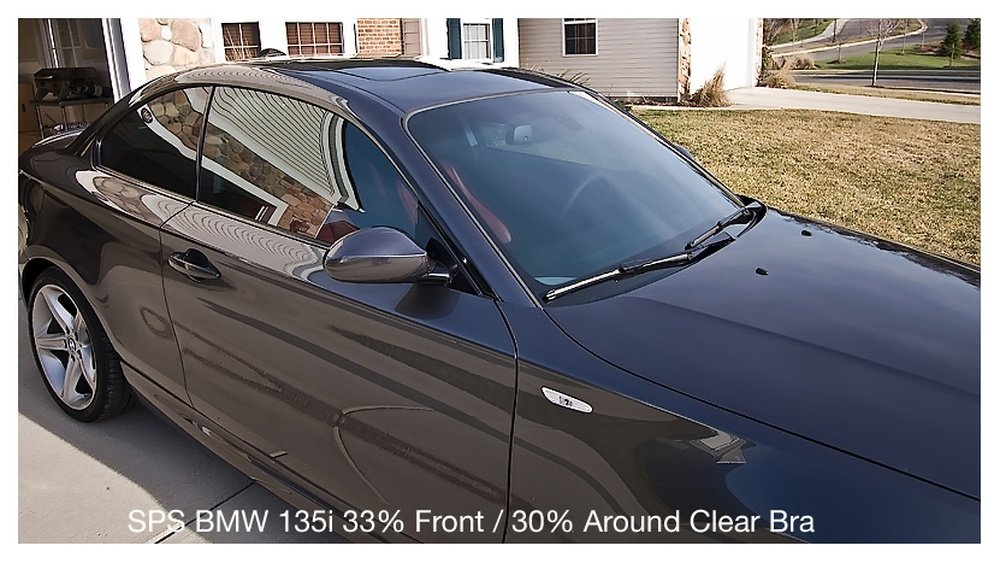
33 percent window tint refers to the amount of visible light allowed through the glass. It means the tint film blocks 67 percent of light from passing inside. This level strikes a balance between privacy and visibility.
Many drivers choose 33 percent tint for comfort and style. It reduces glare and heat but still lets enough light inside. This tint shade works well on car windows without making it too dark.
Visible Light Transmission Explained
Visible Light Transmission (VLT) is the key term for window tint. It shows how much light passes through the tint and glass. A 33 percent tint means 33 percent of outside light reaches inside.
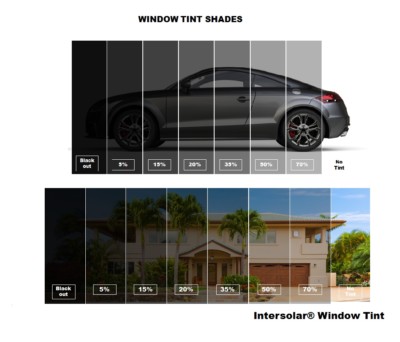
The lower the VLT number, the darker the tint. For example, 5 percent tint lets only 5 percent of light through. Higher VLT percentages mean lighter tints.
How It Affects Visibility
With 33 percent tint, drivers can still see clearly through the glass. Daytime visibility remains good, allowing a clear view of the road. The tint reduces sun glare, making driving safer.
At night, visibility is slightly reduced but still acceptable. It may feel a bit darker inside, especially on poorly lit roads. Overall, 33 percent tint keeps a good balance between privacy and clear vision.
Privacy Benefits
Choosing 33 percent window tint offers notable privacy benefits. This level of tint balances visibility and concealment effectively. It lets you enjoy a sense of seclusion without making your windows completely dark. Privacy is important for protecting personal space and belongings inside the vehicle. Understanding how 33 percent tint affects privacy during the day and night clarifies its real-world advantages.
Daytime Privacy Effects
During the day, 33 percent window tint creates a subtle shield. Outsiders see shadows and vague shapes but not clear details. Faces and objects inside the vehicle become harder to identify. This tint reduces the chance of prying eyes invading your privacy. At the same time, occupants enjoy good visibility looking out. The tint slightly dims brightness but does not block the view. It strikes a good balance for those wanting privacy without feeling enclosed.
Nighttime Privacy Levels
At night, privacy with 33 percent tint changes slightly. Interior lighting can make it easier to see inside from outside. The tint still offers some concealment but is less effective than during daylight. Visibility from inside the vehicle reduces, especially in low-light areas. Drivers might notice darker views and may need extra care when driving. Despite this, the tint helps maintain a level of privacy without complete opacity. It is practical for everyday use and meets many tint laws.
Heat And Glare Reduction
33 percent window tint offers a good balance between visibility and comfort. It helps lower the temperature inside your car by blocking heat from the sun. This tint also cuts down the glare that can make driving difficult. These benefits make driving safer and more pleasant, especially on sunny days.
How Tint Blocks Solar Heat
Window tint works by absorbing and reflecting sunlight. The 33 percent tint lets in about one-third of visible light. It reduces the amount of solar heat that passes through the glass. This keeps the inside of the car cooler. Lower heat means less use of air conditioning, saving fuel and energy.
Glare Reduction On The Road
Glare from the sun can cause eye strain and reduce visibility. The tint cuts down bright reflections on the dashboard and windshield. It helps drivers see the road more clearly. This reduces the risk of accidents caused by sudden glare. The 33 percent tint strikes a good balance between glare reduction and clear vision.
Uv Protection Advantages
Window tint with 33 percent visible light transmission offers strong UV protection advantages. It blocks harmful ultraviolet rays that can damage skin and car interiors. This tint level balances visibility and defense against UV rays. It keeps you safer and your vehicle looking newer longer.
Protecting Skin From Uv Rays
UV rays cause skin damage and increase cancer risks. A 33 percent window tint blocks up to 99% of these harmful rays. This tint reduces sunburn and skin aging while driving or sitting in a parked car. It helps keep your skin healthy without darkening your view too much.
Preserving Car Interior
Sunlight fades car seats, dashboard, and door panels. The 33 percent tint shields your vehicle’s interior from UV damage. It lowers heat buildup inside the car, reducing cracking and discoloration over time. This tint extends the life of upholstery and saves money on repairs.
Legal Considerations
Understanding legal rules about 33 percent window tint is important before installation. Laws vary by state and affect tint darkness and placement. Knowing these rules helps avoid fines and keeps you safe on the road.
Legal limits exist to balance driver privacy with public safety. Authorities want to ensure drivers can see clearly and others can see inside for safety checks.
State Tint Laws Overview
Each state sets its own rules on tint darkness and placement. These laws often specify Visible Light Transmission (VLT) levels. A 33 percent tint means 33 percent of light passes through the glass.
Some states allow 33 percent tint on front side windows. Others restrict tint levels to be lighter or ban tint on windshield areas. Law enforcement uses these limits to ensure driver visibility and safety.
Penalties for breaking tint laws vary. They can include fines, orders to remove tint, or failed vehicle inspections. It is important to know your state’s specific rules before tinting your windows.
Compliance Tips For Austin, Texas
Austin follows Texas state tint laws, which allow 25 percent VLT on front side windows. This means 33 percent tint is legal on front windows in Austin. Rear windows can have darker tints.
Windshield tinting is limited to the top few inches only. Tint must not block driver’s clear view of the road. UV protection films are allowed but must meet light transmission rules.
Always keep a tint compliance certificate if possible. Police may ask for proof during traffic stops. Choose certified installers who know Texas rules to avoid trouble.
Credit: www.ebay.com
Comparing 33 Percent Tint To Others
Choosing the right window tint is important for comfort, privacy, and legal reasons. The 33 percent window tint offers a balance between visibility and shading. Comparing it to other tint levels helps understand its unique benefits and limitations. Here, we explore how 33 percent tint differs from darker and lighter options.
Differences From Darker Tints
Darker tints block more light, often below 20 percent Visible Light Transmission (VLT). This means less light enters the vehicle, creating more privacy and reducing glare significantly.
The 33 percent tint lets in more light. Drivers see better at night and in low-light conditions. It offers clear outward visibility while still providing some shading.
Darker tints can make driving harder at night. They may not be legal in some areas. The 33 percent tint usually meets local tint laws.
Advantages Over Lighter Tints
Lighter tints, such as 50 percent or higher, allow more sunlight inside. This means less heat and glare protection.
The 33 percent tint blocks more solar heat and reduces glare better than lighter tints. It also offers greater privacy by making it harder for people to see inside.
While lighter tints maintain brightness, they do not protect as well from UV rays. The 33 percent tint provides a good balance of comfort and safety.
Installation Tips
Installing 33 percent window tint requires care and attention. Proper installation ensures durability and a clean look. Small mistakes can cause bubbles and peeling. Follow these tips to get the best results from your tint film.
Choosing Quality Tint Films
Select tint films that block heat and UV rays effectively. Look for films with good reviews and warranties. High-quality films last longer and resist fading. Avoid cheap films; they may bubble or discolor quickly. Make sure the film matches your vehicle’s tint laws.
Professional Vs Diy Installation
Professional installation offers expertise and tools for a perfect fit. Technicians clean windows thoroughly and apply film without air bubbles. DIY kits save money but need patience and skill. Clean the glass well and cut the film carefully. Work in a dust-free area to avoid flaws. Choose the option that fits your budget and confidence level.
Common Myths And Facts
There are many myths about 33 percent window tint. Some people believe it blocks too much light. Others think it does not protect from heat well. Understanding the facts helps to make better choices. Here are common myths and facts about this tint level.
Visibility Concerns At Night
Some say 33 percent tint makes night driving unsafe. This tint lets in 33 percent of light. It reduces glare from headlights and street lamps. Inside the car, visibility stays clear for most drivers. Some drivers may notice slight dimming. This is normal and usually not a problem. Rolling down windows in very dark places can help if needed.
Misconceptions About Heat Blocking
Many think 33 percent tint does not block heat well. Actually, it blocks a large part of solar heat. The tint reflects and absorbs sunlight. This helps keep the car cooler in hot weather. It also reduces the need for air conditioning. Protecting the car’s interior from sun damage is another benefit. Heat reduction is one of the main reasons to choose this tint.
Maintaining Your Window Tint
Maintaining your 33 percent window tint keeps it looking good and working well. Proper care helps avoid bubbles, peeling, and fading. It also extends the life of the tint and keeps your car’s interior safe from sun damage.
Cleaning Best Practices
Use a soft cloth or microfiber towel to clean tinted windows. Avoid paper towels or rough materials that can scratch the film. Spray a gentle, ammonia-free cleaner on the cloth, not directly on the window. Wipe the glass gently in circular motions to remove dirt and smudges. Clean your windows regularly to prevent buildup and keep the tint clear.
Avoiding Damage And Peeling
Do not roll down windows right after tint installation. Wait at least a few days to let the adhesive set. Avoid using sharp objects or abrasive tools near the tint. Park in shaded areas to reduce sun exposure and heat stress. Avoid harsh chemicals and cleaners that contain ammonia or alcohol. Check your tint often for bubbles or peeling and fix issues early.

Credit: www.1addicts.com
Frequently Asked Questions
Is 33% Tint Dark?
A 33% tint blocks 67% of light, offering moderate darkness. It provides good privacy without being too dark. Visibility from inside remains clear during the day but slightly reduced at night. This tint balances heat reduction, glare control, and legal compliance in many states.
Can People See Through 35% Tint?
People can see shadows and shapes through 35% tint but not clear details. It offers good daytime privacy. Visibility from inside remains mostly clear, with slight dimming. At night, visibility reduces, enhancing privacy further.
Is 30% Window Tint Too Dark?
A 30% window tint offers good daytime privacy and reduces glare and heat effectively. It is not too dark for most drivers. Night visibility may be slightly reduced but remains generally clear. Always check local tint laws to ensure 30% tint is legal in your area.
Can You See At Night With 30% Tint?
A 30% tint allows decent night vision but reduces brightness slightly. It may cause difficulty in poorly lit areas or sharp turns.
Conclusion
Choosing 33 percent window tint offers a balanced mix of privacy and visibility. It reduces heat and glare while letting enough light inside. This tint protects your car’s interior and skin from harmful UV rays. Many states allow this level of tint by law, making it a practical choice.
Drivers can enjoy comfort and safety without sacrificing clear vision. Overall, 33 percent tint suits those wanting moderate darkness with good daytime and nighttime visibility. It’s a smart, easy way to improve your driving experience.