Are you considering window tinting for your car but unsure about the perfect darkness level? A 43 percent window tint might just be the ideal choice for you.
It offers a great balance—blocking enough sunlight to keep your vehicle cool and protect your interior, while still allowing plenty of visibility for safe driving. You’ll discover what makes 43 percent tint popular, how it affects your driving experience, and important legal tips to keep your ride both stylish and compliant.
Keep reading to find out why this tint percentage could be the smart upgrade your vehicle needs.
Credit: sunblockwindowtint.com
Benefits Of 43 Percent Tint
Choosing 43 percent window tint offers several clear benefits. This tint level strikes a great balance between light transmission and shading. It improves your vehicle’s look without making it too dark. You enjoy added protection from the sun and more privacy inside your car. Below are the key advantages of 43 percent tint.
Style Enhancement
43 percent tint gives your vehicle a sleek, modern look. It darkens the windows just enough to add a touch of elegance. This tint complements any car color or model. It makes your car stand out without attracting too much attention. The subtle shade blends well with factory glass for a clean finish.
Sun Protection
This tint blocks a significant amount of harmful UV rays. It helps reduce glare while driving in bright sunlight. The film lowers heat buildup inside your car, making rides cooler. Protects your skin and car interior from sun damage. Keeps your dashboard and upholstery from fading too fast.
Privacy And Comfort
43 percent tint offers a good level of privacy for passengers. It makes it harder for people outside to see inside your vehicle. This tint helps keep the cabin cool and comfortable. It reduces eye strain from bright light and improves driving safety. Passengers can relax without feeling exposed.
Visible Light Transmission Explained
Visible Light Transmission, or VLT, shows how much light passes through window tint. It helps decide how dark or light the tint appears. Understanding VLT helps you choose the right tint for your car or home.
VLT is shown as a percentage. This number tells you how much light the tint lets in. A higher percentage means lighter tint. Lower percentage means darker tint.
What 43 Percent Vlt Means
A 43 percent VLT means the tint allows 43% of light through the window. It blocks 57% of light, reducing glare and heat. This level offers a good balance of visibility and sun protection.
This tint is dark enough for privacy but bright enough for clear views. It helps keep interiors cooler without making the window too dark.
Comparing Tint Percentages
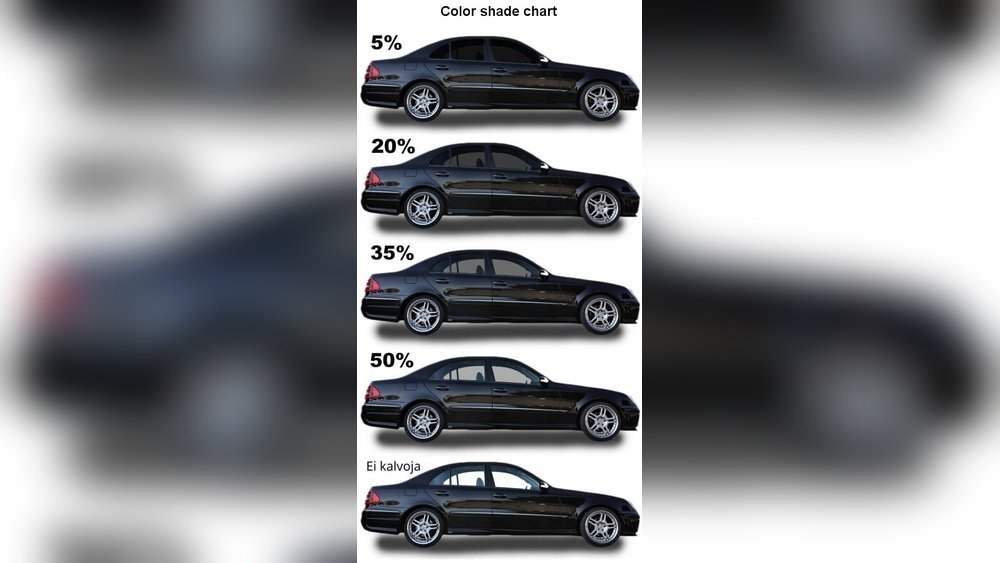
Common tint percentages range from 5% to 70% VLT. Lower numbers block more light and are darker. Higher numbers let in more light and are lighter.
For example, 5% VLT is very dark, often called “limo tint.” It lets in only 5% of light. Meanwhile, 70% VLT is very light, allowing most light to pass.
Choosing the right tint depends on your needs. Consider local laws and how much light you want inside.
Legal Window Tint Limits
Legal window tint limits vary by state and protect drivers and passengers. These rules control how dark or reflective window films can be. The goal is to keep good visibility for drivers and law enforcement. Understanding these limits helps avoid fines and ensures safety on the road.
Washington State Regulations
In Washington, front side windows must allow at least 70% of light through. Rear side and back windows have no VLT limit, but dual side mirrors are required. Reflective tints and colors like red, gold, or yellow are banned. Windshields can have a non-reflective tint only on the top few inches.
Utah Tint Laws
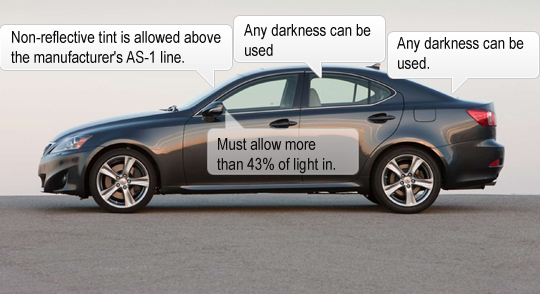
Utah allows any darkness on rear side and back windows if the vehicle has dual side mirrors. Front side windows must allow at least 43% of light through. Metallic or mirrored tints are not allowed on any window. Colors resembling emergency lights, like red or amber, are prohibited. Tint violations are a primary offense in Utah.
Illinois Tint Rules
Illinois requires front side windows to have at least 35% visible light transmission. Rear side and rear windows can be tinted darker with no specific VLT limit. Dual side mirrors are required if rear windows are tinted. Reflective and colored tints are not allowed on any windows. Medical exemptions are available with proper documentation.

Credit: jetpatcher.com
Common Tint Restrictions
Window tinting rules vary by state and region. These rules control how dark or reflective your tint can be. They protect drivers’ safety and help law enforcement see inside vehicles. Understanding common tint restrictions helps avoid fines and keeps your vehicle legal.
Prohibited Colors And Finishes
Many places ban certain tint colors. Red, gold, and yellow films are often illegal. These colors can confuse or distract other drivers. Mirror-like finishes are also not allowed. They can create glare and reduce visibility for others.
Reflectivity And Metallic Films
Reflective tints can cause glare on the road. States limit how shiny window tints can be. Metallic films are usually prohibited. They interfere with electronic signals and can be dangerous in some situations.
Dual Side Mirror Requirements
Some laws require dual side mirrors if rear windows are tinted dark. This rule ensures drivers have good rear visibility. It helps police officers see inside the car from outside. Dual mirrors improve safety for all road users.
Choosing The Right Tint Film
Choosing the right tint film for your vehicle is important. It affects your comfort, privacy, and the look of your car. The 43 percent window tint is popular because it balances light and heat reduction well. Picking the best type of tint can make a big difference in performance and style.
Ceramic Vs. Metallic Tints
Ceramic tints use tiny ceramic particles. They block heat and UV rays without affecting signals. These tints do not fade or change color over time. Metallic tints contain metal particles. They reflect heat well but can interfere with radios and GPS. Ceramic tints are usually more durable and clearer. Metallic tints may look shinier but are less common now.
Popular 43 Percent Tint Products
Many brands offer 43 percent tint films. Eclipse Tinting & Mobile Detail has an IR Nano Ceramic Tint priced around $429.99. Silverstone Auto Spa offers a ceramic-coated sedan tint for about $425. Zoro Motoshield Pro has a ceramic window tint for $62.99 with free delivery. These products vary in price and features. Choose one based on quality and budget.
Cost And Installation
The price of 43 percent tint depends on the film type and car size. Ceramic tints tend to cost more than metallic ones. Installation prices range from $100 to $400. Professional installation is recommended for the best results. Poor installation can cause bubbles and peeling. Some shops offer mobile services for convenience. Check warranties and customer reviews before buying.
Maintenance And Care Tips
Proper maintenance and care keep your 43 percent window tint looking fresh and effective. Simple routines protect the tint film from damage and fading. Follow these tips to enjoy clear, stylish windows for years.
Cleaning Techniques
Use a soft microfiber cloth for cleaning tinted windows. Avoid paper towels or rough materials that scratch the film. Mix mild soap with water for a gentle cleaning solution. Spray the solution on the cloth, not directly on the tint. Wipe the window gently in a circular motion. Dry the surface with a clean, dry cloth to prevent streaks.
Avoiding Damage
Keep sharp objects away from tinted windows. Do not use ammonia-based cleaners; they break down the tint adhesive. Avoid automatic car washes with harsh brushes. Park in shaded areas to reduce heat stress on the tint. Handle windows carefully to prevent peeling or bubbling of the film.
Longevity Of Window Tint
Good care extends the life of your 43 percent tint. Regular cleaning stops dirt from wearing down the film. Protect the tint from extreme sun exposure to avoid fading. Inspect the tint often for small tears or bubbles. Early fixes prevent bigger damage and keep your tint lasting longer.
Enforcement And Penalties
Understanding enforcement and penalties for 43 percent window tint is vital for all drivers. Different states regulate tint darkness to ensure driver safety and visibility. Authorities actively monitor window tints to prevent illegal modifications that could impair vision or law enforcement duties.
Penalties for violating tint laws vary widely. They can include fines, orders to remove the tint, or even vehicle impoundment. Drivers should know the rules to avoid costly stops and legal troubles.
Traffic Stops And Fines
Law enforcement officers may stop vehicles with illegal window tints during routine checks. Darker tints can trigger suspicion and prompt a traffic stop. Fines depend on the state and severity of the violation. Some areas impose higher fines for repeat offenses. Officers might require drivers to remove the tint within a certain time frame to avoid additional penalties.
Medical Exemptions
Certain medical conditions allow drivers to have darker window tints legally. Conditions like lupus or skin allergies may require protection from sunlight. To qualify, drivers must provide a doctor’s note or medical certificate. States have specific procedures to apply for these exemptions. Approved drivers receive official documentation to carry while driving.
State-specific Enforcement
Enforcement of tint laws differs by state. Some states use advanced tools to measure Visible Light Transmission (VLT) during stops. Others rely on visual inspection alone. States like Utah allow darker tints on rear windows with dual side mirrors. Washington has strict rules on prohibited colors and reflectivity. Knowing your state’s specific rules helps avoid fines and legal issues.
Credit: www.youtube.com
Frequently Asked Questions
Is 5% Tint Legal In Wa?
No, 5% tint is illegal in Washington. Front side windows must allow at least 24% visible light transmission. Rear windows have no VLT limit but require dual side mirrors if tinted.
Is 45% Tint Dark?
A 45% tint lets in 45% of light, making it moderately dark. It reduces glare but maintains good visibility.
Is Utah Strict On Window Tint?
Utah enforces strict window tint rules on front windows with minimum light transmission. Rear windows allow darker tints if dual side mirrors exist. Metallic, mirrored, and certain colors like red or amber are banned. Tint violations are primary offenses, and medical exemptions require a doctor’s note.
Is 5% Tint Legal In Il?
In Illinois, 5% tint is illegal on front side windows. Rear windows allow darker tints, but 5% is too dark for front. Always follow state tint laws to avoid fines.
Conclusion
Choosing 43 percent window tint offers a good balance between visibility and privacy. It reduces glare and heat without making windows too dark. This tint level complies with many state laws, making it a practical choice. It protects your car’s interior from sun damage and keeps you cooler.
Easy to maintain and stylish, 43 percent tint fits most vehicles well. Consider this option if you want comfort, safety, and a sleek look. Always check your local tint laws before installation. This way, you stay safe and legal on the road.