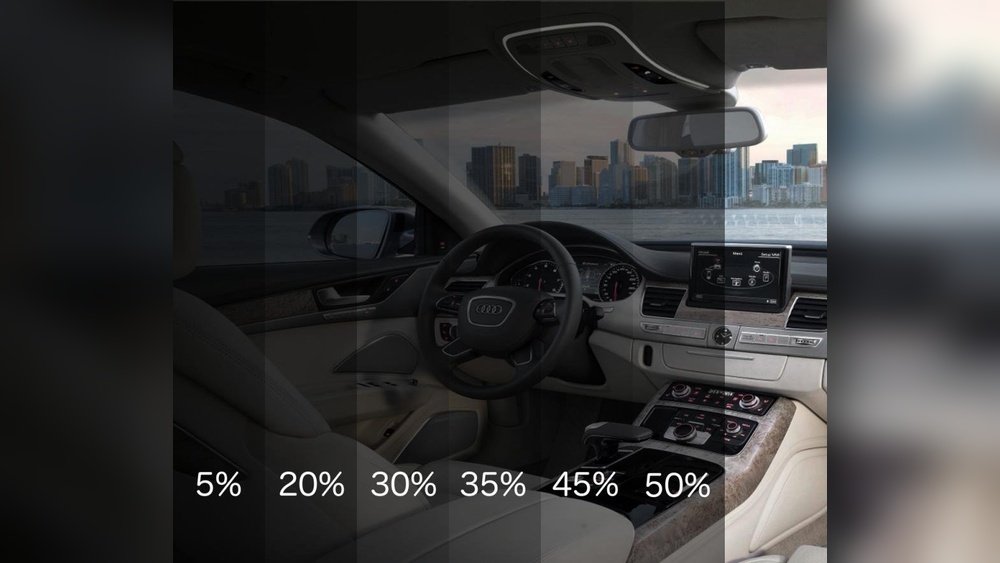
Thinking about upgrading your ride with window tint? The 45 percent window tint strikes the perfect balance between style, comfort, and legality.
It lets in enough natural light so you won’t feel like you’re driving in a cave, yet it cuts down glare and heat, making every trip more enjoyable. Plus, it offers privacy without making your windows look too dark or suspicious.
If you want to know why 45 percent tint is a smart choice for your vehicle, how it can protect you and your interior, and what the legal rules are in places like Austin, Texas, keep reading. You’ll discover everything you need to make a confident decision that fits your lifestyle and keeps you on the right side of the law.

Credit: www.reddit.com
Benefits Of 45 Percent Tint
Choosing 45 percent window tint offers a great balance between visibility and protection. It lets enough light in while adding important benefits. Many drivers prefer this tint level for comfort and safety. Here are the key benefits of 45 percent tint.
Enhanced Privacy
45 percent tint provides good privacy without making windows too dark. It blocks views from outside, keeping your interior less visible. This tint helps protect personal belongings inside the car. Passersby cannot easily see who or what is inside. It adds a sense of security while driving or parked.
Uv Protection
This tint blocks up to 99% of harmful ultraviolet rays. UV rays can cause skin damage and fade car interiors. Protecting your skin and upholstery helps keep you healthier and your car looking newer. It reduces the risk of sunburn during long drives. UV protection is a key reason many choose window tint.
Heat Reduction
45 percent tint cuts down heat from the sun effectively. It keeps the car cooler, improving comfort on hot days. Less heat means the air conditioner works less, saving fuel. This tint helps reduce interior temperature by reflecting sunlight. A cooler cabin means less sweating and better focus while driving.
Glare Minimization
Sun glare can be dangerous and cause eye strain. 45 percent tint reduces glare from the sun and headlights. It improves vision by softening bright light. This helps prevent accidents and makes driving safer. Glare minimization also reduces headaches caused by squinting in bright light.
Legal Considerations
Understanding the legal side of 45 percent window tint is crucial. Laws vary widely across states and vehicle types. Compliance ensures safety and avoids fines. Drivers must know the rules before tinting.
State Tint Laws
Each state sets its own window tint limits. The 45 percent tint means 45% light passes through. Some states allow darker tints, others do not. These rules affect front and rear windows differently. Always check your state’s specific tint regulations.
Vehicle Type Regulations
Rules change based on the vehicle type. Sedans, SUVs, and trucks often have different tint limits. Commercial vehicles may face stricter rules. Knowing your vehicle’s category helps choose the right tint. This avoids legal trouble and ensures safety compliance.
Enforcement And Penalties
Law enforcement checks window tint during traffic stops. Officers may ask drivers to roll down windows for inspection. Illegal tint can lead to fines or warnings. Repeat offenses may bring harsher penalties. Installers can also face consequences for illegal tint jobs.
Medical Exemptions
Some states allow tint exceptions for medical reasons. Drivers with light sensitivity or other conditions may qualify. Proper documentation and approval are required. Medical exemptions permit darker tints than normally allowed. Check local laws to understand exemption rules.
Choosing The Right Tint
Choosing the right 45 percent window tint affects comfort and style. It also impacts privacy and heat reduction. Picking the best tint requires understanding options and quality. This guide helps you make a smart choice for your vehicle or home.
Types Of Window Films
Window films come in various types. Dyed films offer a dark look but may fade over time. Metalized films reflect heat well and add strength. Ceramic films block heat and UV rays without affecting signals. Each type serves different needs and budgets.
Quality And Durability
High-quality tints last longer and resist fading. Look for films with strong adhesives and scratch resistance. Durable films keep their color and performance for years. Cheaper tints may peel or bubble quickly. Investing in quality saves money in the long run.
Installation Options
Professional installation ensures a smooth, bubble-free finish. Experts measure and cut films to fit perfectly. DIY kits are cheaper but need patience and skill. Poor installation can cause peeling and reduce effectiveness. Choose installation based on your comfort and budget.

Credit: filiriko.com
Installation Process
The installation process of 45 percent window tint plays a big role in its final look and durability. Proper installation ensures the tint stays smooth and clear without bubbles or peeling. This process requires care, precision, and the right tools. Understanding the steps can help car owners decide whether to hire a professional or try it themselves.
Professional Vs Diy
Professional installers have experience and tools for perfect results. They handle complex curves and remove air bubbles easily. Professionals also offer warranties for their work. DIY installation costs less but needs patience and steady hands. Mistakes like dust or creases can ruin the tint. Choosing between the two depends on skill level and budget.
Preparation Steps
Clean the windows thoroughly to remove dirt and grease. Use a lint-free cloth and glass cleaner for best results. Measure and cut the tint film to match the window size. Peel the film’s backing carefully to avoid dust. Spray soapy water on the glass to help position the tint. Use a squeegee to smooth out bubbles and water under the film. Take time to check all edges for proper sealing.
Common Challenges
Dust and dirt are the biggest enemies during installation. They cause bumps and prevent proper adhesion. Curved windows can create wrinkles or bubbles if not handled well. Cutting the tint too small or too large leads to gaps or folding. Removing air bubbles requires skill and patience. Temperature and humidity can also affect how the film sticks. Knowing these challenges helps prepare for a better installation experience.
Maintenance Tips
Proper care helps your 45 percent window tint stay clear and last longer. Simple maintenance keeps the tint film from peeling or fading. Follow easy steps to protect your investment and keep your windows looking great.
Cleaning Techniques
Use a soft cloth or microfiber towel for cleaning. Avoid rough materials that can scratch the tint. Spray a mild soap and water solution on the cloth, not directly on the window. Wipe gently in circular motions to remove dirt and dust. Dry the surface with a clean, dry cloth to prevent streaks.
Avoiding Damage
Keep sharp objects away from tinted windows. Do not use ammonia-based or harsh chemical cleaners. Avoid scrubbing too hard or using abrasive pads. Roll down windows slowly to prevent peeling edges. Park in shaded areas to reduce heat damage and fading.
Longevity Factors
Regular cleaning prevents buildup that damages tint. Protect windows from direct sun exposure when possible. Avoid extreme temperature changes near the tint. Inspect for bubbles or cracks and fix them quickly. Proper care can extend the life of your tint for years.
Credit: www.youtube.com
Popular Brands And Products
Choosing the right 45 percent window tint involves knowing the top brands and products. Quality, durability, and appearance matter most. Many brands offer films with excellent heat rejection and clarity. Understanding popular choices helps select the best option for your needs.
Top Rated Films
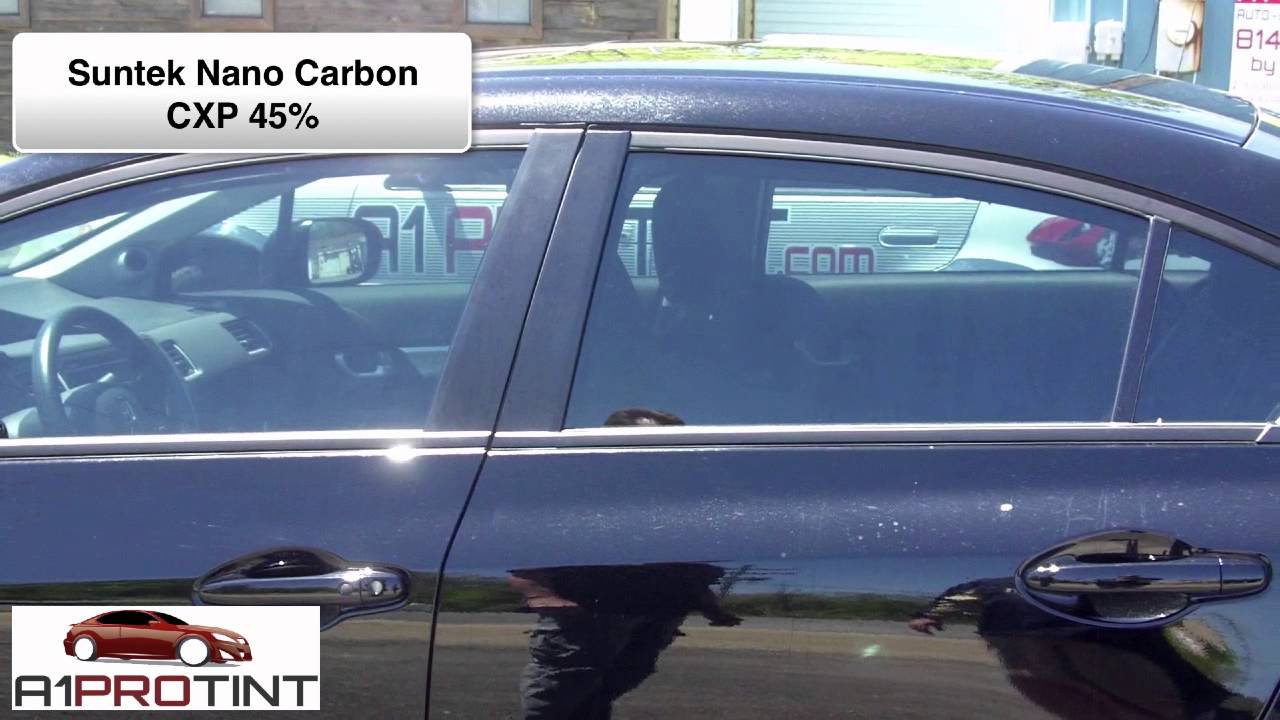
3M Crystalline is a popular choice for clear, strong tint. Llumar CTX offers good heat control and scratch resistance. Huper Optik films are known for their ceramic technology and durability. SunTek CXP provides excellent UV protection and color stability. These films balance visibility and sun protection well.
Price Ranges
Basic 45 percent tints start around $40 to $60 per roll. Mid-range options cost between $80 and $150 for better performance. Premium films range from $200 to $300, offering advanced heat rejection and longer life. Prices vary based on size, type, and brand reputation.
Where To Buy
Official brand websites often sell authentic window tint films. Online retailers like Amazon and eBay provide a wide selection and competitive prices. Local auto shops and tint specialists offer professional installation and advice. Always verify product authenticity and warranty before purchase.
Comparing Tint Percentages
Choosing the right window tint percentage affects your driving experience and car appearance. Different tint levels offer varying benefits and limitations. Comparing these percentages helps find the perfect balance of comfort, style, and safety.
45% Vs Darker Tints
45% tint allows more sunlight inside than darker options. It reduces glare but still lets you see clearly. Darker tints block more light, offering stronger heat reduction. They can make it harder to see through windows, especially at night. This difference matters for daily driving and legal limits.
Visibility Impact
With 45% tint, visibility stays strong during the day and night. Darker tints lower visibility, which may affect safe driving. They can cause issues spotting pedestrians or obstacles in low light. A lighter tint like 45% keeps vision clearer without too much brightness.
Privacy Levels
45% tint offers moderate privacy by slightly darkening windows. It lets others see inside more than darker tints. Darker options provide better privacy and block more views from outside. Privacy needs vary, so 45% fits drivers who want some privacy without full concealment.
Frequently Asked Questions
Is 45% Tint Dark?
A 45% tint allows 45% of light through, making it moderately dark. It reduces glare while maintaining good visibility.
Is 5% Tint Legal In Hawaii?
No, 5% tint is illegal in Hawaii. Front side windows must allow at least 70% light transmission. Rear windows have fewer restrictions but require dual side mirrors if tinted. Always follow Hawaii’s specific tint laws to avoid fines and penalties.
Is 5% Tint Legal In Wa?
No, 5% tint is illegal in Washington. Front side windows must allow at least 24% visible light transmission. Rear windows have fewer restrictions but must not use prohibited colors. Always check local laws before tinting.
How Dark Can Tint Be In Ky?
Kentucky law requires front side windows to allow at least 23% light in. Rear side and back windows have no restrictions. Reflective or mirrored tints are prohibited. Drivers must carry a tint compliance certificate in the vehicle.
Conclusion
Choosing 45 percent window tint offers a good balance of privacy and visibility. It helps reduce glare and blocks some heat from the sun. This tint level meets many state regulations, keeping drivers safe and legal. Easy to install and maintain, it suits most vehicles well.
Consider your needs and local laws before deciding. This tint can improve comfort during drives and protect your car’s interior. Overall, 45 percent tint remains a popular and practical choice for many drivers.