You know how satisfying it feels to have a clean, fresh-smelling car interior. But what about those hard-to-reach spots where dust and dirt love to hide?
That’s where cleaning gel comes in—a handy tool designed to grab dirt from every nook and cranny. But here’s the question: how often should you actually use cleaning gel in your car? Use it too little, and grime builds up; use it too often, and you might be wasting time and product.
You’ll discover the perfect balance to keep your car’s interior spotless without overdoing it. Keep reading to find out how to make cleaning gel work best for you and your car!
Benefits Of Cleaning Gel
Cleaning gel offers many advantages for keeping your car interior neat. It is easy to use and works well for quick clean-ups. This gel helps maintain a fresh and tidy environment inside your vehicle.
Using cleaning gel regularly can improve your car’s appearance and hygiene. It removes dust, dirt, and small debris from surfaces without damage. The gel reaches spots that are hard to clean with cloth or brushes.
Removing Dust And Debris
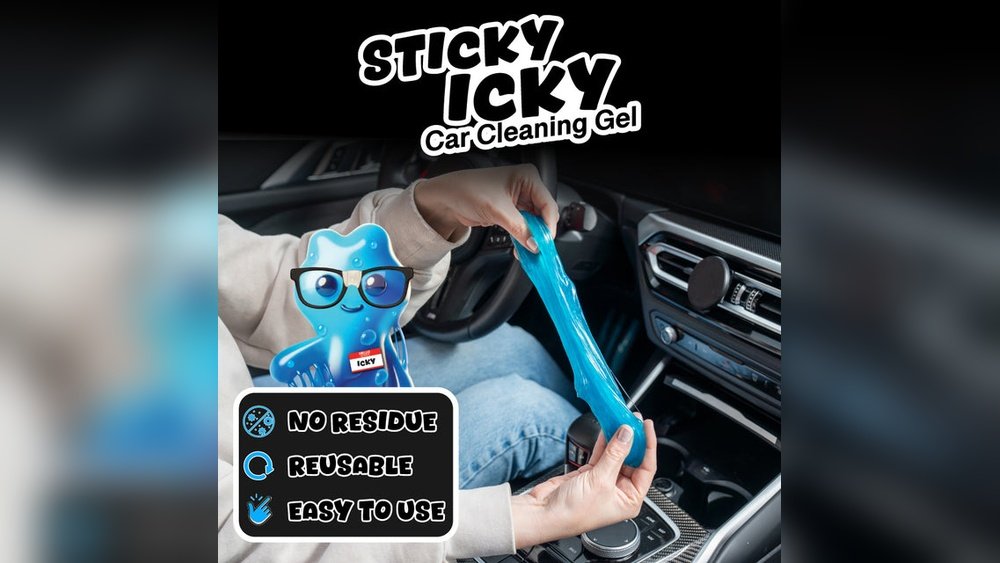
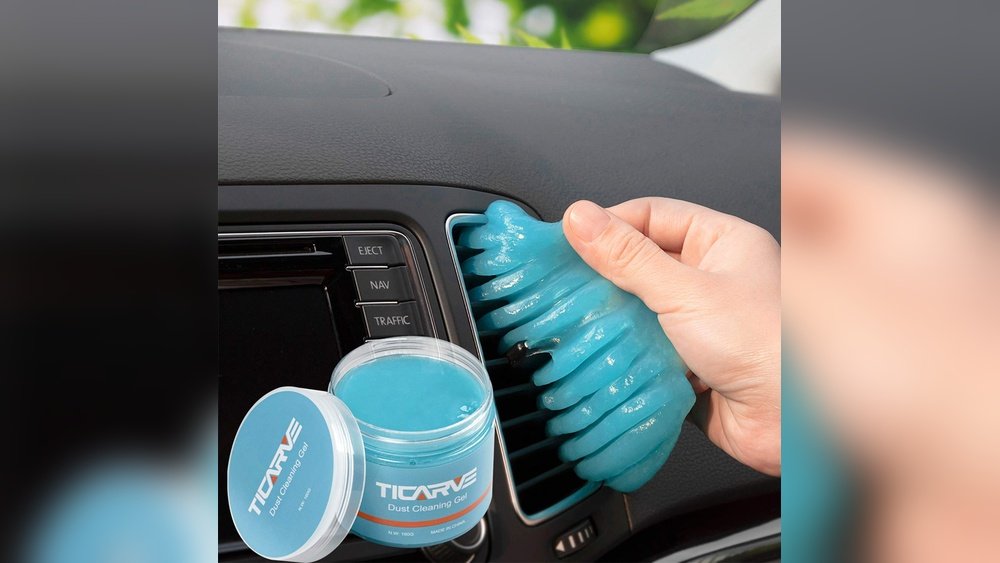
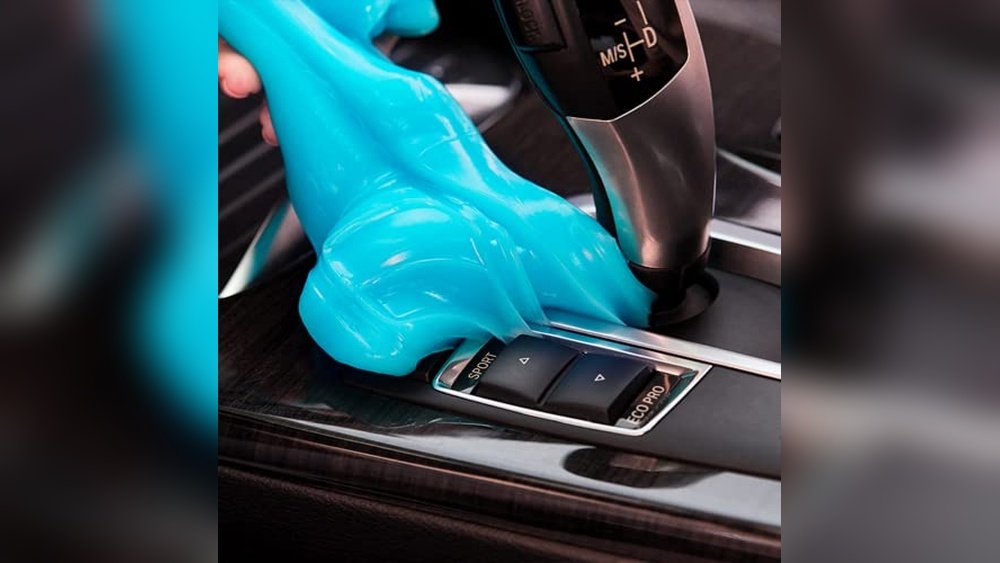
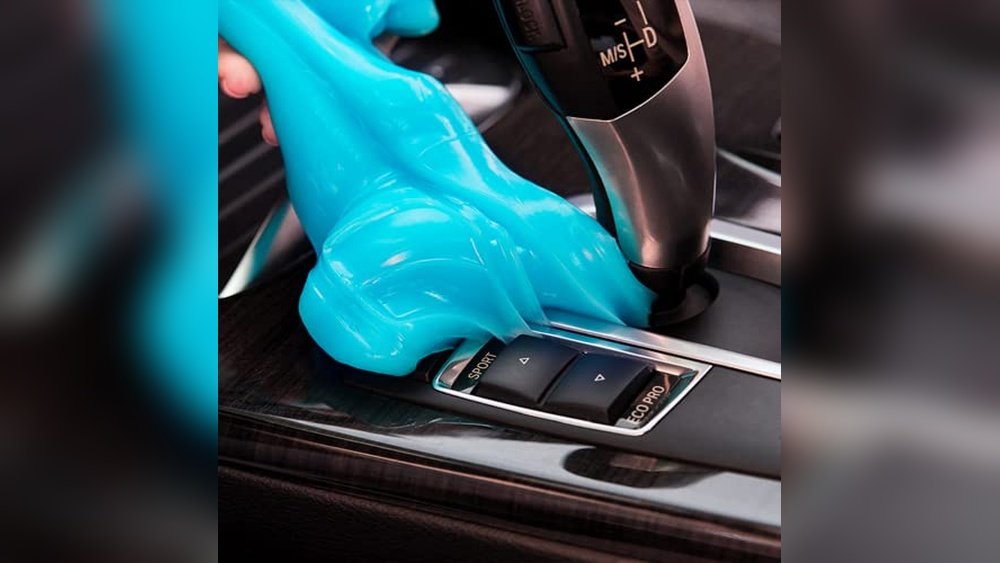
The gel picks up dust and tiny particles effortlessly. It molds around buttons, vents, and crevices to grab hidden dirt. This method prevents dust from building up and keeps your car cleaner for longer.
Reaching Difficult Areas
Cleaning gel is soft and flexible. It slips into tight spaces like air vents, seams, and cup holders. This makes it perfect for cleaning spots where cloths cannot reach well. You get a deeper clean without much effort.
Protecting Interior Surfaces
The gel is gentle on surfaces and does not cause scratches. It helps remove grime without harsh chemicals or scrubbing. This protects your dashboard, buttons, and trims from damage. Your car’s interior stays in good shape over time.

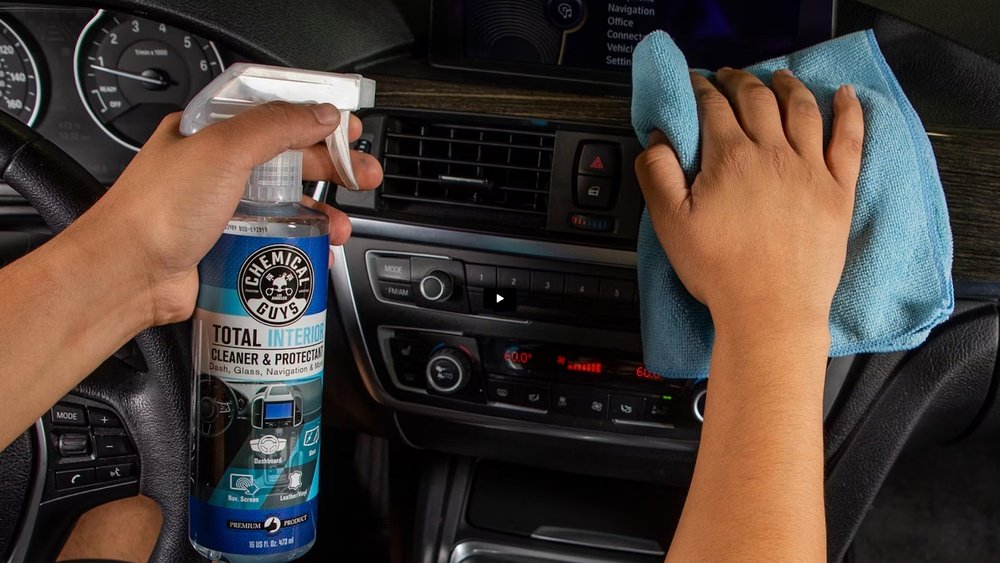
Credit: www.chemicalguys.com
How Often To Use Cleaning Gel
Using cleaning gel for your car helps keep the interior spotless. Knowing how often to use it saves time and effort. The frequency depends on several factors. Dirt buildup, usage, and environment affect how quickly your car gets dirty. Regular cleaning prevents dust and grime from settling deeply. Let’s explore the best practices for using cleaning gel in your car.
Factors Affecting Frequency
The amount of dust and dirt in your car changes often. Cars used in dusty or urban areas need cleaning gel more frequently. If you eat or drink inside the car, sticky spills require quicker attention. Pets inside the vehicle may also increase the need for cleaning. The type of cleaning gel and its quality affect how often you should apply it. High-quality gels last longer and clean better.
Daily Vs Weekly Use
Using cleaning gel daily is not necessary for most drivers. Daily use may wear out the gel faster and waste product. Weekly use suits average car owners who drive in normal conditions. Weekly cleaning removes surface dust and small debris. For heavy users or those with kids, bi-weekly cleaning might be better. The key is to check your car’s cleanliness and decide accordingly.
Seasonal Considerations
Season changes affect how often you use cleaning gel. Spring and fall bring more pollen and dust, increasing cleaning needs. Winter causes mud and salt buildup, making cleaning gel very useful. Summer may bring more sand and food crumbs from trips. Adjust your cleaning routine with the seasons. This keeps your car fresh all year round.
Signs It’s Time To Replace Gel
Knowing when to replace your car cleaning gel helps keep your vehicle spotless. Overusing the gel reduces its cleaning power. It also becomes less hygienic. Paying attention to clear signs can save time and money. These signs show the gel no longer works well.
Color Changes
The gel changes color after many uses. It turns darker or duller than when new. This change means it has absorbed a lot of dirt. The original bright color fades. Replace the gel once you see this color shift.
Loss Of Stickiness
The gel must be sticky to pick up dust and grime. Over time, it loses its tackiness and feels dry. When it stops sticking, it can’t clean effectively. Test the gel by pressing it on a surface. If it does not pick up dirt, it is time to get a new one.
Accumulated Dirt Levels
Cleaning gel collects dust and particles while in use. After many cleanings, it becomes visibly dirty inside. Dirt clumps inside the gel reduce its ability to trap new dust. If you see dirt embedded in the gel that won’t come off, replace it immediately. Using dirty gel can spread grime rather than remove it.
Proper Cleaning Gel Usage
Using cleaning gel properly keeps your car’s interior spotless and fresh. It removes dust and dirt from hard-to-reach spots. Proper use also extends the gel’s life and effectiveness. Follow clear steps to get the best results without damaging surfaces.
Application Tips
Press the gel gently onto the surface. Avoid pushing too hard to prevent tearing. Let the gel sit for a few seconds to pick up dirt. Slowly peel it off in one piece. Use fresh gel for each new area to avoid spreading dirt.
Storage Guidelines
Store the gel in its original container after every use. Keep it sealed tightly to stop drying out. Place it in a cool, dry spot away from direct sunlight. Avoid extreme temperatures to keep the gel soft and sticky. Proper storage helps the gel last longer.
Avoiding Common Mistakes
Do not use the gel on wet or oily surfaces. Avoid overusing the gel in one spot. Do not mix the gel with other cleaning products. Replace the gel when it becomes dark or loses stickiness. Using old or dirty gel can damage your car’s interior.
Comparing Cleaning Gel To Other Methods
Cleaning gel offers a unique way to clean your car’s interior. It reaches into small spaces and picks up dust easily. Understanding how it compares to other cleaning methods helps you decide how often to use it.
Traditional Wiping
Traditional wiping uses cloths or wipes to clean surfaces. It removes dirt and grime from flat areas quickly. This method works well for dashboards and door panels. It cannot reach tiny crevices like cleaning gel can. Also, wiping may spread dust if the cloth is dry.
Vacuuming
Vacuuming removes loose dirt and crumbs from seats and floors. It is excellent for deep cleaning fabric and carpet. Vacuums struggle with dust in narrow gaps and vents. Cleaning gel fills this gap by molding to shapes and lifting dust. Vacuuming does not leave any residue behind.
Detailing Brushes
Detailing brushes help reach tight spots and remove dust. They are great for air vents and seams. Brushes require careful use to avoid scratching surfaces. Cleaning gel can be easier to use on delicate areas. Brushes may push dust around instead of capturing it.
Choosing The Right Cleaning Gel
Choosing the right cleaning gel for your car is important for effective and safe cleaning. Not all gels are the same. Some may harm your car’s surfaces or leave unwanted residues. Pick a cleaning gel that suits your car’s interior materials and your personal preferences. The right product makes cleaning easier and protects your vehicle.
Material Safety
Check if the gel is safe for your car’s materials. Some gels work well on plastic, vinyl, and rubber. Others may damage delicate surfaces like leather or fabric. Look for gels that say “non-toxic” and “safe for all surfaces.” Avoid gels with harsh chemicals. They can cause discoloration or wear down your car’s interior.
Scent And Ingredients
Choose a gel with a mild or no scent. Strong fragrances can cause discomfort during use. Natural ingredients are better for health and the environment. Avoid gels with alcohol or strong solvents. These can dry out surfaces or cause fading. A gentle formula keeps your car fresh and clean without harsh smells.
Brand Recommendations
Pick well-known brands with good reviews. Trusted brands often invest in quality and safety. Popular options include brands like Armor All, Chemical Guys, and Meguiar’s. These brands offer gels tested for car interiors. Read user feedback to see how the gel performs. Choose a gel that fits your budget and cleaning needs.
Expert Maintenance Tips
Keeping your car clean with cleaning gel is simple, but using it right makes a big difference. Expert maintenance helps you get the most from your cleaning gel. It also keeps your car looking fresh longer. Follow these tips to maintain your car’s interior effectively.
Combining Gel With Other Products
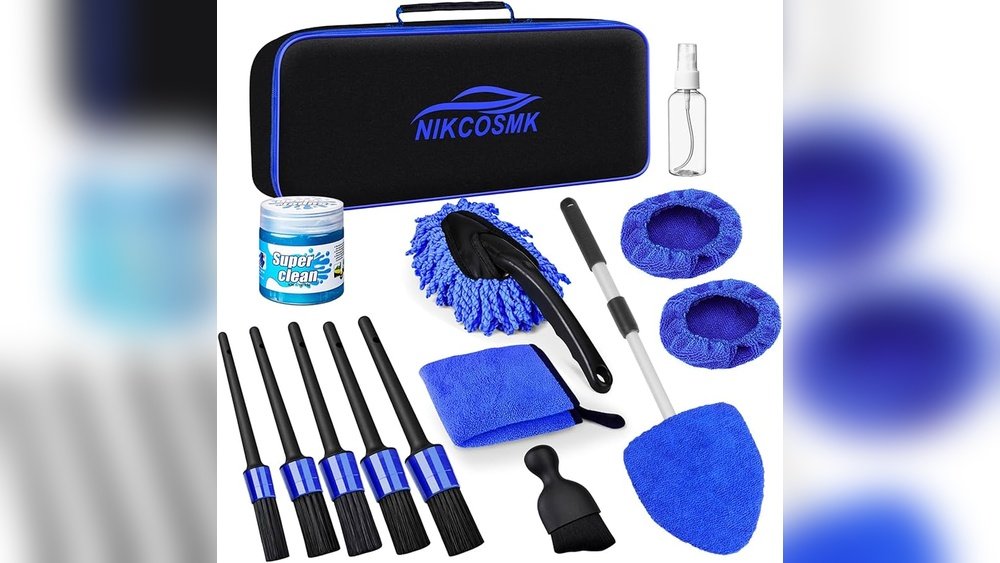
Use cleaning gel with soft microfiber cloths. This helps remove dust and dirt gently. Avoid harsh chemicals that can damage surfaces. A mild cleaner works well before applying the gel. This combination cleans deeper without causing harm.
Maintaining Gel Longevity
Store the gel in a sealed container after use. Keep it in a cool, dry place to stay fresh. Avoid exposing the gel to direct sunlight. Clean the gel by kneading it to remove trapped dirt. Replace the gel when it turns dark or loses stickiness.
Scheduling Regular Deep Cleans
Deep clean your car’s interior every two to four weeks. Use cleaning gel to reach tight spaces and vents. Regular cleaning stops dust buildup and keeps your car smelling fresh. Combine deep cleans with weekly light wipe-downs for best results.

Credit: www.crcindustries.com

Credit: googone.com
Frequently Asked Questions
How Many Times Can You Use Car Cleaning Gel?
You can reuse car cleaning gel multiple times until it turns dark and dirty. Store it sealed in a cool place between uses. Replace it once it loses effectiveness or becomes too dirty to clean properly.
Is Car Cleaning Gel Any Good?
Car cleaning gel effectively removes dust and debris from tight spaces. It is reusable until it darkens or loses stickiness, offering convenient, quick cleaning.
What Do Auto Detailers Use To Clean Cars?
Auto detailers use specialized cleaners, microfiber towels, clay bars, polishers, and waxes to clean and restore cars effectively.
How Much Should I Tip For A $200 Car Detail?
A standard tip for a $200 car detail is 15-20%, which equals $30 to $40. Adjust based on service quality.
Conclusion
Using cleaning gel regularly keeps your car interior fresh and dust-free. Aim to use it once every two weeks or after heavy use. Replace the gel when it turns dark or loses stickiness. Store it properly to extend its life and maintain effectiveness.
Simple routine care with cleaning gel helps maintain a neat and pleasant driving environment.