You’ve probably seen those sticky, colorful gels promising to clean every nook and cranny of your car’s interior. They look fun, easy to use, and almost magical in how they pull dust and crumbs out of hard-to-reach spots.
But here’s the question: do car cleaning gels really work, or are they just a gimmick? If you’ve been wondering whether to give them a try or stick to your usual cleaning routine, keep reading. We’re diving into how these gels perform, what they can actually clean, and whether they’re worth your time and money.
By the end, you’ll know exactly if this trendy product deserves a place in your car care kit.
How Car Cleaning Gels Work
Car cleaning gels have gained popularity for their unique approach to removing dust and dirt. These gels claim to reach tight spaces and lift debris without damaging surfaces. Understanding how they work helps decide if they fit your car cleaning routine.
Composition And Materials
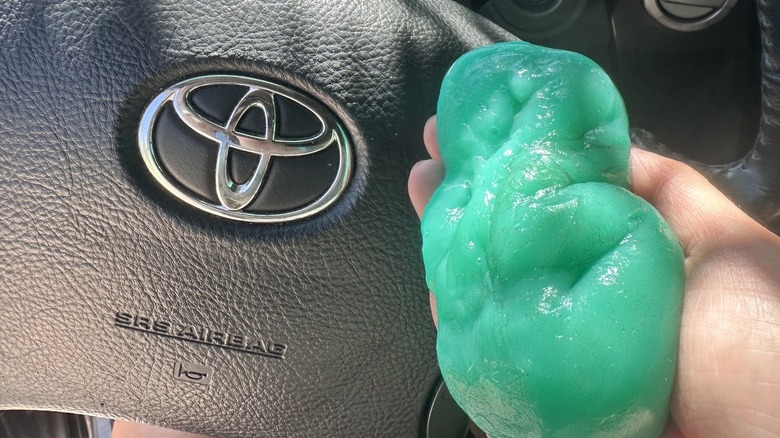
Car cleaning gels are usually made of a soft, sticky polymer base. This base is mixed with cleaning agents and sometimes fragrances. The gel remains flexible and pliable, allowing it to mold into small crevices. It does not contain harsh chemicals that could harm surfaces.
Mechanism Of Action
The gel works by pressing it gently onto dusty or dirty areas. It sticks to dust, crumbs, and small particles. As you lift the gel away, it pulls out dirt from hard-to-reach spots. The gel’s sticky nature traps debris without leaving residue behind.
Repeated pressing and lifting help clean multiple surfaces. The gel can be reused until it loses stickiness or becomes too dirty. Its softness prevents scratching delicate interiors like dashboards or vents.
Areas Best Suited For Use
Cleaning gels are ideal for car interiors with many small gaps. Use them on air vents, cup holders, and dashboard buttons. They also work well on keyboards and other electronics with tight spaces.
However, avoid using gels on wet or oily surfaces. They do not perform well on heavy grime or sticky spills. For those, traditional cleaning methods are more effective.
Benefits Of Using Cleaning Gels
Cleaning gels offer several benefits for car owners. They simplify the cleaning process and reach places that are hard to clean. These gels save time and effort, making car care easier.
Ease Of Use
Cleaning gels are simple to use. Just press the gel onto surfaces and peel it off. No special tools or skills are needed. The gel picks up dust and dirt quickly. It works well for quick cleaning jobs.
Effectiveness In Hard-to-reach Places
These gels mold to fit small gaps and crevices. They clean air vents, dashboard buttons, and cup holders easily. Dust and crumbs hide in these spots. The gel removes dirt that cloths or brushes miss.
Time-saving Qualities
Cleaning gels work fast and reduce effort. They clean many areas at once. This cuts down the time spent on car cleaning. You can finish cleaning during short breaks or before trips.
Common Limitations And Drawbacks
Car cleaning gels have grown popular as a quick fix for cleaning tough-to-reach spots inside vehicles. They promise to grab dust and dirt from crevices that traditional cloths miss. Despite their appeal, these gels come with several common limitations and drawbacks. Understanding these issues helps set realistic expectations before buying or using them.
Durability And Reusability
Cleaning gels often lose their effectiveness after just a few uses. They tend to dry out or become too sticky. Once dirt sticks to the gel, it cannot be reused without losing cleaning power. Many users find they need to replace the gel frequently, which can add up in cost over time.
Potential Residue Issues
Some gels may leave a sticky or oily residue on surfaces. This residue can attract more dust and dirt quickly. It might also stain or damage delicate materials like leather or fabric. Users must test the gel on small areas first to avoid unwanted marks.
Hygiene Concerns
Cleaning gels trap dirt, dust, and bacteria as they work. Over time, this buildup can make the gel unsanitary. Reusing the same gel without cleaning or replacing it risks spreading germs inside the car. Proper disposal and replacement are necessary to maintain hygiene.

Credit: www.youtube.com
Comparing Gels To Traditional Cleaning Methods
Car cleaning gels have gained popularity as a new way to clean vehicle interiors. Comparing these gels to traditional methods reveals their strengths and weaknesses. Traditional cleaning often uses cloths, brushes, and sprays. These tools have been trusted for years. Gels offer a different approach by picking up dust and dirt with a sticky texture. This section explores how gels stack up against standard cleaning methods.
Effectiveness Against Dust And Dirt
Cleaning gels can pick up dust from small crevices well. They grab particles that cloths may miss. However, gels may not remove oily stains or sticky grime effectively. Traditional cloths with cleaning sprays work better on stubborn dirt. Gels tend to lose stickiness after a few uses. Cloths and brushes can be washed and reused many times. For light dust, gels offer a quick and easy clean.
Versatility Across Surfaces
Gels work best on hard surfaces like dashboards and vents. They mold to shapes and reach narrow spaces. Soft surfaces like fabric seats do not respond well to gels. Traditional vacuuming and wiping clean fabric better. Also, gels can leave residue on some materials. Cloths and sprays can be chosen for specific surfaces. This makes traditional methods more flexible for whole-car cleaning. Gels serve as a handy tool but not a complete solution.
Cost And Convenience
Cleaning gels usually cost more per use than cloths and sprays. They come ready to use without extra supplies. This saves time for quick cleanups. Cloths and sprays need more prep and cleanup effort. Gels can dry out or get dirty quickly, requiring replacement. Cloths last longer and are more eco-friendly. For budget-conscious car owners, traditional tools remain economical. Gels add convenience but may not justify the cost for frequent use.
Expert Opinions And User Reviews
Car cleaning gels have gained attention as a quick fix for removing dust and dirt from car interiors. Opinions differ widely between experts and everyday users. Understanding these views helps decide if these gels are worth trying. The following sections explore what professional detailers and customers say. It also compares popular viral videos with real-life results.
Professional Detailers’ Take
Many professional detailers use specialized tools and products for deep cleaning. They view cleaning gels as a handy option for small spots. These gels pick up dust from hard-to-reach areas like air vents and buttons. However, experts warn gels do not replace thorough cleaning. Some detailers note gels can leave residue if overused. They recommend gels only for light cleaning between full washes.
Customer Experiences
Customer reviews show mixed feelings about car cleaning gels. Some users find gels easy to use and effective at removing surface dust. Others report the gel gets dirty quickly and loses stickiness. Many mention gels struggle with sticky or oily grime. A few users say the gel can leave a sticky film behind. Overall, customers treat these gels as a quick fix rather than a deep cleaner.
Viral Video Claims Vs Reality
Viral videos show cleaning gels lifting massive amounts of dirt and dust. These clips are eye-catching but may not reflect typical use. Videos often test gels on very dusty or loose particles. Real car interiors have sticky dust and grime that gels cannot fully remove. Some viral claims exaggerate how long gels stay clean and effective. The reality is gels work best on light dust, not heavy dirt buildup.

Credit: www.youtube.com
Best Practices For Using Car Cleaning Gels
Car cleaning gels offer a unique way to remove dust and dirt from tight spaces inside your vehicle. Using them properly can enhance their effectiveness and keep your car looking fresh. Follow these best practices to get the most from your car cleaning gel and maintain a clean interior with ease.
Preparation Tips
Start with a dry and dust-free surface to improve gel performance. Remove large debris or crumbs by hand or with a vacuum. Choose a clean area of your car interior for testing the gel first. This prevents damage or staining. Wash your hands before use to avoid transferring oils or dirt to the gel.
How To Maximize Cleaning Power
Press the gel gently into crevices like air vents, buttons, and seams. Avoid over-pressing to prevent leaving residue behind. Let the gel sit for a few seconds to capture dust and dirt. Pull the gel slowly and steadily to lift debris away. Replace the gel if it becomes too dirty or sticky.
Storage And Maintenance
Store the gel in an airtight container to keep it fresh. Keep it away from direct sunlight and heat sources. Clean your hands before handling the gel each time. Avoid mixing it with other cleaning products. Replace the gel every few weeks or when it loses its stickiness for best results.
Top Brands And Products On The Market
Car cleaning gels have grown popular for their ease and convenience. Several brands offer different gels to help clean dust and dirt from car interiors. These products promise quick cleaning for hard-to-reach areas like vents, dashboards, and cup holders.
Choosing the right brand matters for cleaning effectiveness and value. Some gels stay sticky longer, while others dry out fast. This section highlights top brands and products available today. It helps find a gel that fits your needs and budget.
Popular Options Reviewed
One widely known product is the Chemical Guys ACC_GEL_100. It offers strong cleaning power and a pleasant scent. Another popular choice is the Goo Gone Car Cleaning Gel, favored for its sticky texture that traps dust well.
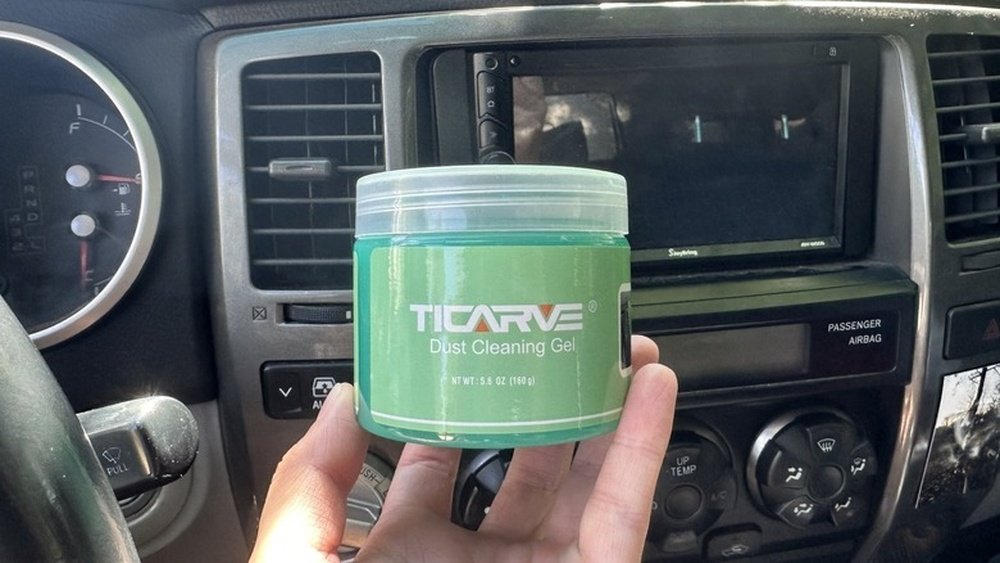
Armor All Cleaning Gel stands out for its affordability and easy use. It works best for light cleaning tasks. For deeper cleaning, some users prefer the Ticarve Car Cleaning Slime, which molds into tight spaces better.
Price Ranges
Car cleaning gels generally cost between $5 and $20. Lower-priced gels offer basic cleaning but may dry out quickly. Mid-range options balance stickiness and longevity. Higher-priced gels often include added fragrances and longer usability.
Buying larger packs can reduce the cost per use. Many brands sell refill packs as well. Consider how often you plan to clean and choose a price range that fits your budget.
Where To Buy
These gels are available in many retail stores and online shops. Automotive supply stores often stock popular brands. Large retailers like Walmart and Target usually carry a few options.
Online marketplaces such as Amazon provide a wide selection with customer reviews. Buying online allows easy price comparison and home delivery. Check product descriptions for size and scent before purchasing.
Credit: www.slashgear.com
When To Skip The Gel And Choose Alternatives
Car cleaning gels offer a quick and simple way to remove dust and light dirt. They work best on surfaces with minimal grime. Yet, there are certain situations where these gels may not be the right choice. Knowing when to skip the gel and use other methods helps protect your car and get better results.
Heavy Dirt And Stains
Car cleaning gels are not strong enough for heavy dirt or stains. Mud, grease, or sticky spills require more powerful cleaners. Scrubbing with brushes or using special stain removers works better. Gels may just spread the dirt around without fully cleaning the area.
Cleaning Electronics Safely
Electronics inside your car need gentle and safe cleaning. Cleaning gels can leave residue or moisture on screens and buttons. Use microfiber cloths and electronics-safe sprays instead. These tools clean without risking damage to sensitive parts.
Professional Detailing Needs
Professional car detailing often involves deep cleaning and polishing. Cleaning gels do not provide the thorough care needed for paint or leather. Detailers use specialized products and equipment for lasting results. For a truly clean and protected car, professional services are the better option.
Frequently Asked Questions
Does Car Cleaning Gel Actually Work?
Car cleaning gel works well for removing dust and crumbs from hard-to-reach areas. It cleans quickly but may get dirty fast.
What Do Professional Detailers Use To Clean The Inside Of Cars?
Professional detailers use microfiber cloths, specialized interior cleaners, brushes, and vacuum cleaners to clean car interiors effectively.
How Do Detailers Get Cars So Shiny?
Detailers use special polishing compounds and synthetic sealants that bond to paint. They remove imperfections and apply hydrophobic coatings to boost shine and repel dirt.
How Much To Tip On A $200 Car Detail?
Tip 15-20% on a $200 car detail, which equals $30 to $40. Adjust based on service quality.
Conclusion
Car cleaning gels can help reach tight spots quickly and easily. They pick up dust and crumbs where cloths can’t reach. Still, these gels may get dirty fast and lose effectiveness. Use them as a quick fix, not a deep clean solution.
Regular cleaning with proper tools remains important for best results. Trying a gel once can show if it fits your needs. Overall, car cleaning gels work for small jobs but don’t replace thorough cleaning.