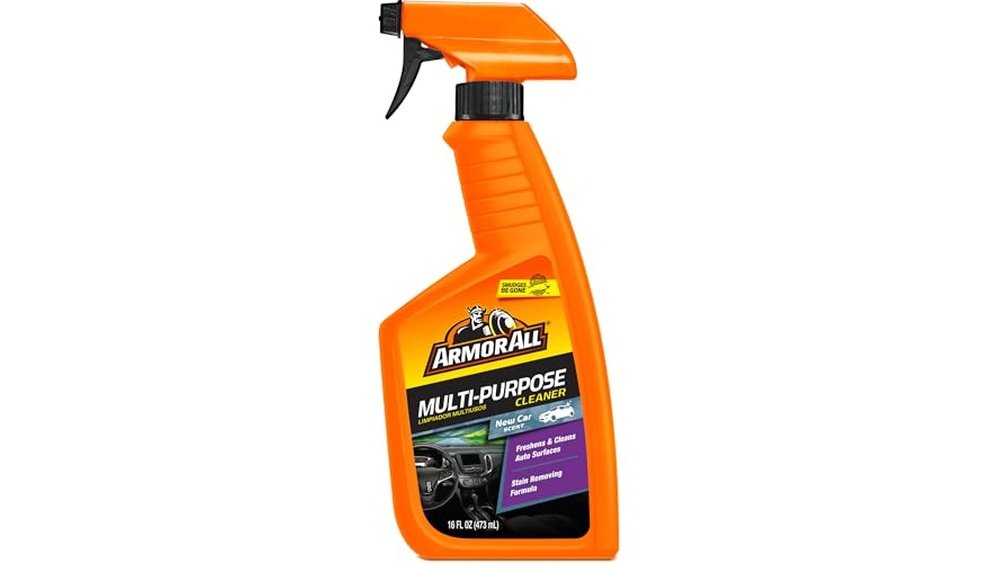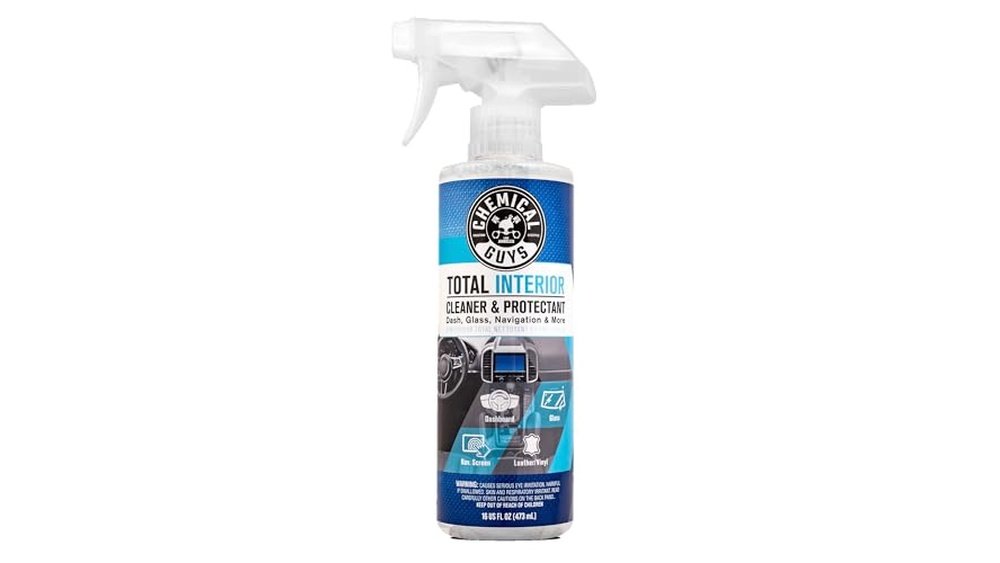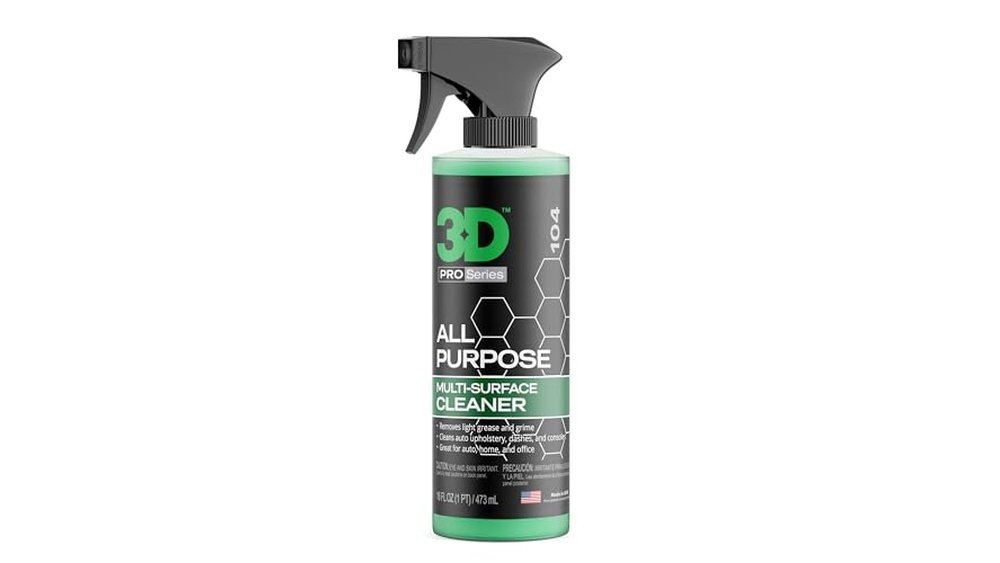
You want your car’s electronics to stay clean and work perfectly, right? But with so many cleaning products out there, it’s easy to wonder: Is cleaning gel bad for car electronics?
You’ve probably seen those sticky gels that promise to pick up dust and crumbs from your dashboard and touchscreens. They look convenient and fun to use, but could they actually harm the sensitive parts inside your car? Before you grab that jar and start pressing it onto your controls, it’s important to know what risks might be involved.
Keep reading to discover the truth about cleaning gel, how it interacts with your car’s electronics, and the safest ways to keep your interior spotless without causing damage. Your car deserves the best care, and so do you.

Credit: www.amazon.com
What Is Cleaning Gel?
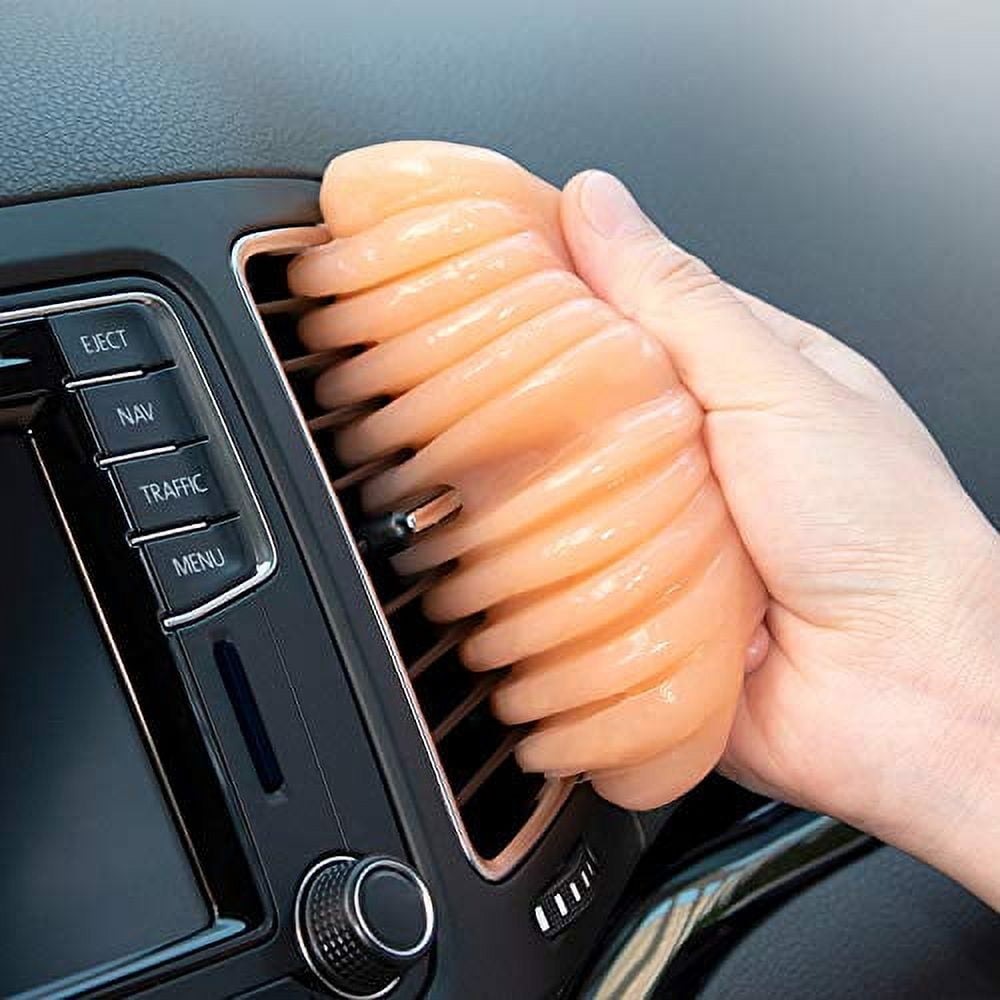
Cleaning gel is a sticky, moldable substance designed to pick up dust and dirt. It works by pressing into small spaces and lifting debris without harsh scrubbing. Many car owners use it for quick cleaning of hard-to-reach areas inside their vehicles.
This gel is popular for its ease of use and ability to reach tight spots that typical cloths cannot. Yet, questions arise about its safety for delicate car electronics. Understanding what cleaning gel is made of helps clarify these concerns.
Composition And Texture
Cleaning gel usually contains a blend of polymers, water, and mild cleaning agents. These ingredients create a soft, stretchy texture that clings to dust and dirt particles. The gel remains tacky but not wet, allowing it to pick up debris without leaving residue behind.
The texture is similar to a soft putty or slime. It can be stretched, squeezed, and pressed into crevices. This flexibility makes it ideal for detailed cleaning jobs. However, its sticky nature means it can sometimes leave behind small traces if not used carefully.
Common Uses In Car Cleaning
Car owners use cleaning gel primarily to clean dashboards, vents, and buttons. It easily removes dust from narrow gaps and textured surfaces. The gel can reach areas where cloths and brushes fail.
It also helps clean the spaces between keys on car remote controls or infotainment systems. Many use it to freshen up cup holders, air vents, and other small openings. The gel provides a quick solution for light cleaning without disassembling parts.
While useful, cleaning gel should be used cautiously on sensitive electronics. Its sticky texture might pull on delicate components if pressed too hard. Choosing the right type of gel and gentle handling are important to avoid damage.
Credit: business.walmart.com
How Cleaning Gel Interacts With Electronics
Cleaning gel is a sticky substance designed to pick up dust and dirt. It molds into small spaces and lifts particles from surfaces. This makes it popular for cleaning car interiors, especially hard-to-reach spots. But how does this gel interact with car electronics?
The gel’s soft texture helps it cling to dust without scratching. It can reach tiny gaps in buttons and vents. However, the gel’s moisture and stickiness may affect sensitive electronic parts. Understanding this interaction is important to avoid damage.
Potential Risks To Car Electronics
Cleaning gel can leave residue on electronic surfaces. This residue might cause buttons to stick or sensors to misread. The gel may also trap moisture, leading to corrosion over time. Excessive pressure while using the gel could push dirt deeper into crevices. Some gels contain chemicals that might react with plastic or rubber parts. These risks mean users should apply the gel carefully and sparingly.
Areas Of Application In The Car Interior
The gel works well on dashboards, air vents, and gear shifts. It can clean around buttons, knobs, and touchscreens without removing parts. Steering wheels and door handles are good spots for gel cleaning too. Avoid using gel directly on open electronic ports or exposed wiring. Use it mainly on flat, sealed surfaces to reduce risk. This ensures the gel cleans effectively without harming the car’s electronics.
Benefits Of Using Cleaning Gel On Cars
Using cleaning gel on cars offers several practical benefits. It removes dust and small particles effectively. The gel sticks to dirt, lifting it off surfaces without damage. This makes the car’s interior look neat and fresh.
The gel is soft and flexible, adapting to different shapes. It does not scratch delicate parts or leave residue. It also saves time compared to traditional cleaning tools like brushes or cloths.
Effectiveness On Dust And Debris
Cleaning gel excels at picking up dust and debris. It clings to tiny particles that regular cloths miss. The gel’s sticky texture traps dirt deep inside vents and crevices.
This means fewer allergens and less dust buildup inside the car. The gel removes crumbs, hair, and other small debris easily. It cleans surfaces without spreading dust around.
Reaching Tight Spots
The gel reaches tight spots that are hard to clean by hand. It molds to fit narrow spaces between buttons and knobs. This helps clean areas around electronics without disassembling parts.
It can pull dirt from small crevices in dashboards and air vents. This access improves overall cleanliness in the car cabin. The gel’s pliability makes detailed cleaning simple and fast.
Drawbacks And Limitations
Cleaning gel is popular for removing dust from car interiors. It molds into small spaces and picks up dirt easily. Still, it has some drawbacks and limits when used on car electronics. Understanding these issues helps keep your car’s electronics safe.
Residue And Dirt Accumulation
Cleaning gel can leave sticky residue on electronic parts. This residue attracts more dust over time. Dirt may build up inside buttons and screens. The gel may push dirt deeper into crevices instead of removing it. This can make the problem worse after several uses.
Residue can also cause screens to look cloudy or feel sticky. It may block small vents or ports. This affects the airflow and cooling of electronic devices. Over time, dirt and residue can reduce the lifespan of car electronics.
Possible Damage To Sensitive Components
Car electronics have delicate parts like sensors and circuits. Cleaning gel may damage these if it contains harsh chemicals. Sticky gels can pull off protective coatings or leave moisture behind. This moisture can cause corrosion or short circuits.
Pressing gel too hard or using it too often might harm buttons or touchscreens. The gel can get stuck inside connectors or speakers, affecting performance. Some gels are not designed for electronics and lack proper safety testing.
Safe Alternatives For Cleaning Car Electronics
Cleaning car electronics requires care to avoid damage. Harsh substances can harm delicate parts. Safe alternatives offer effective cleaning without risks. They help keep your car’s electronics spotless and functional.
Microfiber Cloths And Screen Cleaners
Microfiber cloths are soft and non-abrasive. They remove dust and fingerprints gently. Using a dry microfiber cloth prevents scratches on screens.
Screen cleaners designed for electronics work well. These cleaners do not contain harsh chemicals. They leave no residue or streaks. Spray the cleaner on the cloth, not directly on surfaces.
Isopropyl Alcohol And Specialized Cleaners
Isopropyl alcohol cleans electronic contacts and screens safely. Use 70% or less concentration to avoid damage. Apply alcohol on a cloth, never pour directly.
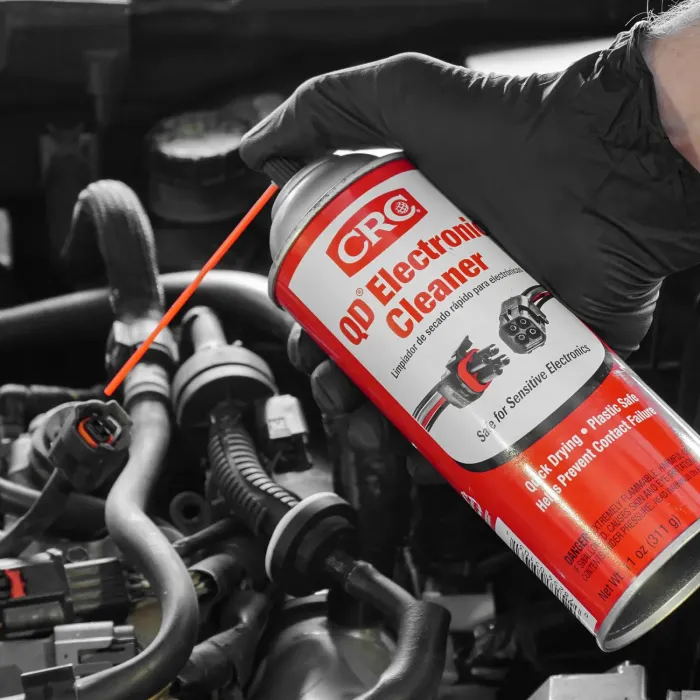
Specialized electronic cleaners remove grease and dirt effectively. These products are made for sensitive parts. Follow product instructions carefully for best results.
Credit: www.crcindustries.com
Tips For Cleaning Car Electronics Safely
Cleaning car electronics requires care and attention. Dirt and dust buildup can affect performance. Using the right methods keeps devices safe and working well. Follow these tips to clean car electronics without damage.
Proper Application Techniques
Use soft, lint-free cloths for cleaning surfaces. Avoid applying cleaning gel directly on electronics. Instead, put a small amount on the cloth. Gently wipe the device to remove dust and grime. Use light pressure to prevent damage. For tight spots, use cotton swabs dipped in cleaner. Move slowly to avoid pushing dirt inside. Always power off devices before cleaning.
Avoiding Moisture And Harsh Chemicals
Keep moisture away from electronic parts. Do not spray liquids directly on screens or buttons. Choose cleaners made for electronics only. Avoid harsh chemicals like ammonia or bleach. These can corrode circuits and ruin screens. Use alcohol-based solutions sparingly and in small amounts. Let all cleaned parts dry completely before turning devices on. This prevents short circuits and lasting damage.
Expert Opinions And User Reviews
Experts and users provide mixed views on using cleaning gel for car electronics. Their insights help car owners decide on safe cleaning methods. Opinions vary based on product type and usage habits.
Professional Recommendations
Many professionals advise caution with cleaning gels around electronics. Some gels contain ingredients that may harm sensitive components. Experts often suggest using soft cloths and approved cleaners instead.
Technicians highlight the risk of gel residue causing sticky or conductive buildup. They warn that trapped moisture from gels can lead to short circuits. Professionals recommend checking product labels for electronics safety.
Some car care experts approve gels made specifically for automotive use. They note these gels should be used sparingly and carefully. Proper drying and gentle application reduce potential damage.
Real-world Experiences From Car Owners
Car owners share varied experiences with cleaning gels on forums and reviews. Some report effective dust removal without harming electronics. They appreciate gels reaching tight spaces in dashboards and vents.
Others mention problems like gel residue sticking to buttons or screens. A few experienced issues with gel drying out and leaving marks. Many users advise testing gel on a small area first.
Overall, car owners suggest combining cleaning gels with traditional methods. Using a vacuum or microfiber cloth before the gel improves results. Careful use and product choice matter most for safety.
When To Avoid Using Cleaning Gel
Cleaning gel can be helpful in many car cleaning tasks. Still, there are times it is better to avoid using it on your car electronics. Knowing when not to use cleaning gel helps protect your vehicle’s delicate components. This keeps your electronics working properly and extends their life.
On Touchscreens And Sensitive Panels
Touchscreens and sensitive panels have thin layers that can be damaged by cleaning gel. The gel may leave residue inside the cracks, causing malfunctions. It can also affect the screen’s touch sensitivity. Using a soft microfiber cloth with a special screen cleaner is safer. Avoid pressing too hard or using sticky substances on these areas.
During Extreme Weather Conditions
Extreme heat or cold can change the gel’s consistency. It might become too sticky or too hard to clean properly. Applying gel in such weather risks leaving behind residue or even damaging the electronics. Wait for mild conditions before using cleaning gel on your car’s interior. This prevents unnecessary harm to delicate parts.
Frequently Asked Questions
Does Cleaning Gel Work For Cars?
Cleaning gel works well for removing dust and dirt from car interiors, especially in tight spaces. Avoid using it on sensitive electronics.
What Cleaner Is Safe To Use On Electronics?
Use isopropyl alcohol (70% or less) with a microfiber cloth for safe electronic cleaning. Avoid ammonia or bleach cleaners.
What To Use To Clean Car Electronics?
Use isopropyl alcohol or a dedicated electronics cleaner with a microfiber cloth. Avoid ammonia or harsh chemicals.
What Is The Best Thing To Clean Electrical Contacts With?
Use isopropyl alcohol or a specialized electrical contact cleaner to remove dirt, grease, and corrosion safely and effectively.
Conclusion
Cleaning gel can be safe if used carefully on car electronics. Avoid pressing too hard or leaving gel on surfaces too long. Always check your car manual for cleaning advice. Use a gentle cleaner designed for electronics when possible. Small crevices can be tricky but gel helps reach them easily.
Remember, moisture and sticky residue can cause damage if not cleaned properly. Choose products made for delicate parts and test in a small area first. Keep your car’s electronics clean, but handle them with care. This helps protect your investment and keeps your car looking great.