
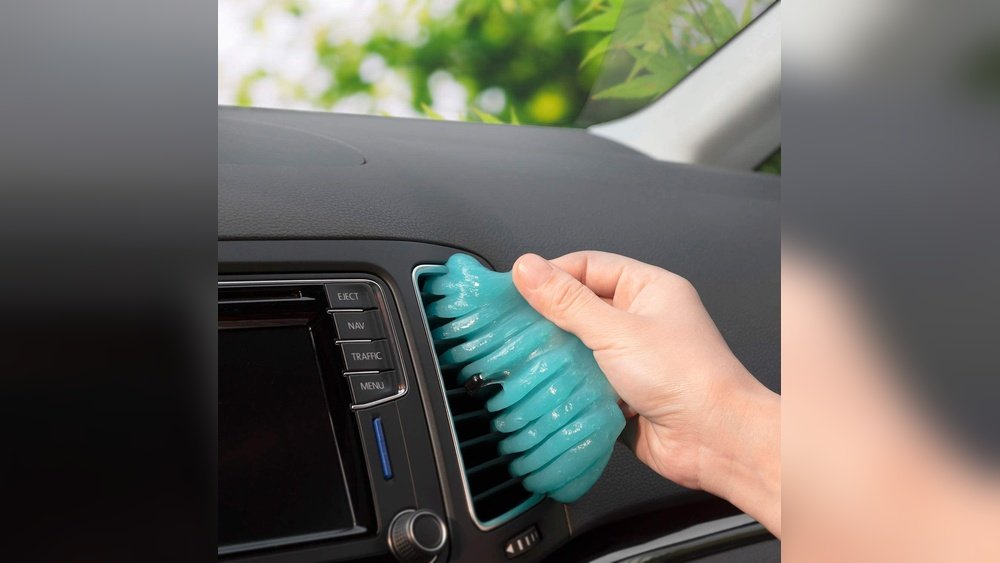
You’ve bought that car cleaning gel hoping it would effortlessly lift dust and grime from your dashboard and vents. But when you try it, the dust just won’t stick, or worse—it leaves behind residue without really cleaning.
Frustrating, right? If you’re wondering why your car cleaning gel isn’t doing its job, you’re not alone. Understanding the reasons behind this can save you time, money, and the hassle of repeated cleaning attempts. Keep reading, and you’ll discover simple fixes and insider tips that will help your cleaning gel work like it’s supposed to—making your car’s interior shine without the struggle.

Credit: www.chemicalguys.com
Why Cleaning Gel Fails
Cleaning gel can stop picking up dust for several reasons. Understanding why it fails helps you get better results. Sometimes, the gel loses its stickiness or is not used properly. Other times, the surface or the gel’s condition affects its performance.
Gel Overuse And Dirt Saturation
Using the gel many times causes it to fill with dust and dirt. Once saturated, it cannot hold more particles. The gel loses its grip on dust and becomes less effective. Replace the gel when it looks dark or sticky with dirt.
Incorrect Application Technique
Pressing the gel too lightly stops dust from sticking. Applying too fast or pulling the gel off quickly can leave dirt behind. For best results, press the gel firmly and peel it off slowly. Cover the whole surface evenly for thorough cleaning.
Gel Drying Out
Gel dries when left open or exposed to air for too long. Dried gel becomes hard and loses its dust-catching power. Store the gel in a sealed container after use. Keep it in a cool place to maintain softness and stickiness.
Surface Condition Impact
Rough or oily surfaces reduce the gel’s ability to pick up dust. Dirt and grease create a barrier between the gel and dust particles. Clean oily spots first to improve gel effectiveness. Smooth surfaces allow the gel to grab dust more easily.
Choosing The Right Gel
Choosing the right car cleaning gel matters for effective dust removal. Not all gels work the same. Some may not pick up dust well because of their quality or type. Understanding what makes a good gel helps you select one that cleans better and lasts longer.
Gel Quality And Ingredients
High-quality gels contain soft, sticky materials that trap dust easily. Low-quality gels may be too hard or dry, failing to pick up fine particles. Check the ingredients list for safe, non-toxic components. Avoid gels with harsh chemicals that can damage your car’s interior.
Suitable Gel For Your Needs
Different gels suit different cleaning tasks. Some gels work best on smooth surfaces like dashboards and screens. Others are designed for textured areas or vents. Choose a gel made for your car’s interior surfaces to get better dust removal results.
Gel Longevity And Reusability
Good car cleaning gels can be reused several times. Their sticky quality fades with use as they collect dust and dirt. Store the gel in a sealed container to keep it fresh. Replace the gel once it loses stickiness or changes color for best performance.
Preparing Your Car Surface
Preparing your car surface is essential for effective cleaning with gel. Dirt and dust do not always come off easily. The gel works best on clean, dry surfaces without heavy debris or oil. Taking time to prepare ensures better results and saves effort.
Removing Heavy Debris First
Start by removing large dirt pieces or leaves from your car. Use a soft brush or cloth for this step. Heavy debris can block the gel from picking up dust. Clearing these particles first makes the gel more effective.
Avoiding Oily Or Wet Surfaces
Make sure your car’s surface is dry and free from grease or oil. Wet or oily areas stop the gel from sticking properly. Wipe down any oily spots with a dry cloth before using the gel. A clean, dry surface helps the gel grab dust easily.
Cleaning Before Gel Use
Use a mild cleaner or soap to wash your car before applying the gel. This removes dirt and grime that the gel cannot pick up. Rinse and dry the surface completely after washing. A clean base improves the gel’s dust-collecting power.
Proper Gel Usage Tips
Using car cleaning gel correctly is key to picking up dust effectively. The gel works best when applied with the right techniques. Small changes in how you handle the gel can improve its dust-collecting power. Follow these tips to get the most from your cleaning gel.
Applying Gentle Pressure
Press the gel lightly onto the surface. Too much force can cause it to tear or lose stickiness. Gentle pressure allows the gel to mold around dust and dirt. Let the gel do the work without pushing too hard.
Rolling And Lifting Technique
Roll the gel slowly across the dusty area. This motion helps the gel pick up particles evenly. After rolling, lift the gel carefully to remove dust from the surface. Avoid dragging the gel too fast to keep dirt trapped inside.
Avoiding Overstretching The Gel
Stretching the gel too far can reduce its stickiness. Keep the gel compact and flexible for best results. Overstretching can cause the gel to lose dust-holding ability quickly. Store it properly after use to maintain its texture.
Gel Maintenance And Storage
Proper maintenance and storage of your car cleaning gel keep it effective for dust removal. Without care, the gel loses its stickiness and picks up less dust. Simple steps can restore its cleaning power and extend its life.
Follow these tips to keep your gel ready for use every time. Clean it right, store it well, and refresh it occasionally.
Cleaning The Gel After Use
Remove debris stuck on the gel surface after each use. Press the gel gently against a clean cloth or paper towel. Avoid washing the gel with water. Water can ruin its sticky texture. Keeping it clean helps the gel pick up more dust next time.
Storing In A Cool, Sealed Container
Store the gel in a cool place away from sunlight. Heat can dry out or melt the gel. Use an airtight container to keep dust and dirt out. Seal the container tightly to keep the gel fresh. Proper storage stops the gel from hardening or losing stickiness.
Refreshing Gel With Additives
Add a small amount of baking soda to refresh the gel’s texture. Stir it gently to mix well. This can help the gel regain its stickiness. Avoid using harsh chemicals or water. Refreshing the gel makes it effective for more cleaning sessions.
Alternatives To Cleaning Gel
Car cleaning gels can struggle with heavy dust and dirt. They work best for light dust and small particles. For tougher cleaning jobs, other tools offer better results. These alternatives clean deeper and reach tight spaces with ease. Using simple, effective methods keeps your car interior spotless and fresh.
Using Microfiber Cloths
Microfiber cloths trap dust and dirt effectively. Their tiny fibers grab particles instead of spreading them. Wipe surfaces gently to avoid scratches. They work well on dashboards, screens, and seats. Wash them regularly to maintain cleaning power.
Compressed Air For Crevices
Compressed air blasts dust from hard-to-reach areas. Use it on vents, seams, and buttons. The strong air pushes dirt out quickly. Avoid spraying too close to delicate parts. This method helps clean spaces where gels cannot reach.
Vacuuming And Brushes
Vacuum cleaners remove loose dirt and dust thoroughly. Use small nozzles for narrow spaces. Soft brushes loosen dirt stuck in fabric and seams. Combine vacuuming and brushing for better results. This duo cleans interiors deeply without damage.
Troubleshooting Common Problems
Troubleshooting common problems with your car cleaning gel helps improve its performance. Many users face issues like residue, sticking, or poor dust pickup. Understanding these problems allows you to fix them quickly. This section breaks down typical issues and their solutions.
Gel Leaves Residue Behind
Residue can appear if the gel is too old or dirty. Using the gel past its prime reduces effectiveness. Store the gel in a cool, dry place to keep it fresh. Clean the gel by kneading it gently before use. Avoid pressing too hard, as it may leave more residue.
Gel Sticks To Surfaces
The gel may stick if it is too soft or warm. Keep the gel refrigerated or in a cool spot to maintain firmness. Avoid using the gel on oily or wet surfaces. Clean the surface first, then apply the gel lightly. Using too much gel at once causes sticking problems.
Gel Not Picking Up Fine Dust
Fine dust is tricky and may not stick well to the gel. Try pressing the gel gently and evenly over the surface. Use a fresh piece of gel for best results. If the gel is dirty, it loses its grip on dust particles. Replace the gel frequently to ensure it picks up fine dust efficiently.

Credit: www.cnn.com

Credit: www.amazon.ae
Frequently Asked Questions
Does Dust Cleaning Gel Work?
Dust cleaning gel effectively lifts light dust and debris from surfaces. It works best for small, hard-to-reach areas but struggles with heavy dirt.
Why Is My Car Still Dusty After Cleaning It?
Your car may still be dusty due to leftover dirt, poor-quality soap, water minerals, or embedded contaminants on the paint.
How Many Times Can You Use Car Cleaning Gel?
You can reuse car cleaning gel multiple times until it turns dark and sticky. Store it sealed in a cool place between uses. Replace the gel once it loses its cleaning ability or becomes too dirty.
What Car Product Repels Dust?
Anti-static car sprays and silicone-based protectants repel dust by creating a smooth, dust-resistant surface on your vehicle.
Conclusion
Car cleaning gel struggles with heavy dust and grime buildup. It works best on light dust and small particles. Over time, the gel loses stickiness and needs replacement. Keep the gel clean and store it properly after use. Stirring in a bit of baking soda can help restore its effectiveness.
Remember, this gel is not a deep cleaner but a quick dust remover. Use it regularly for best results and switch to other tools for tough dirt. This way, your car stays cleaner and the gel performs well longer.














