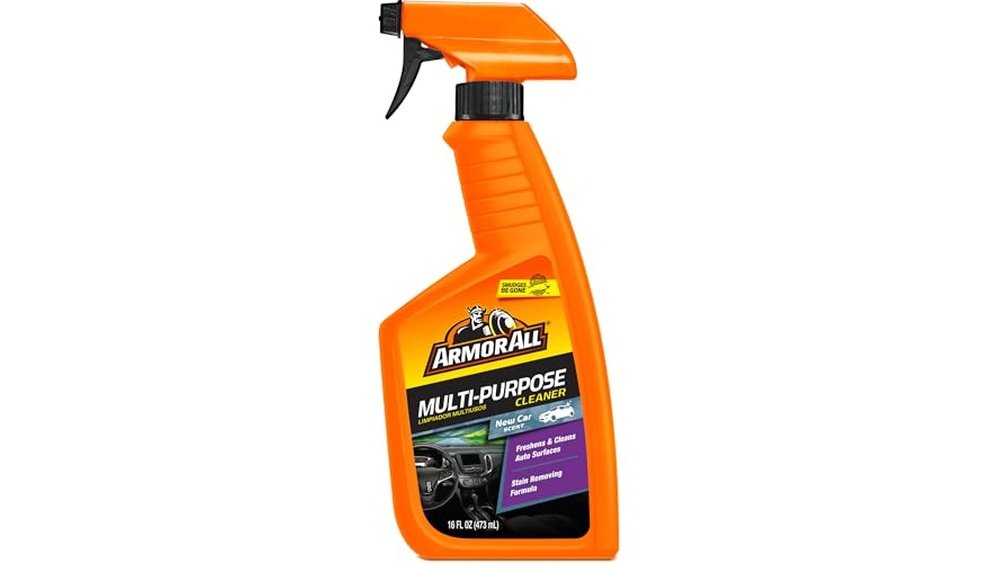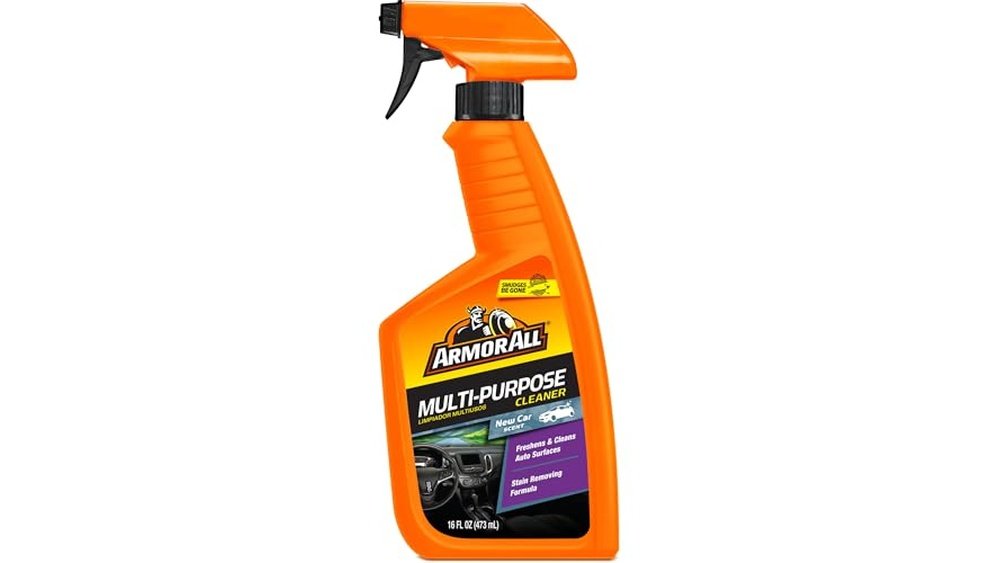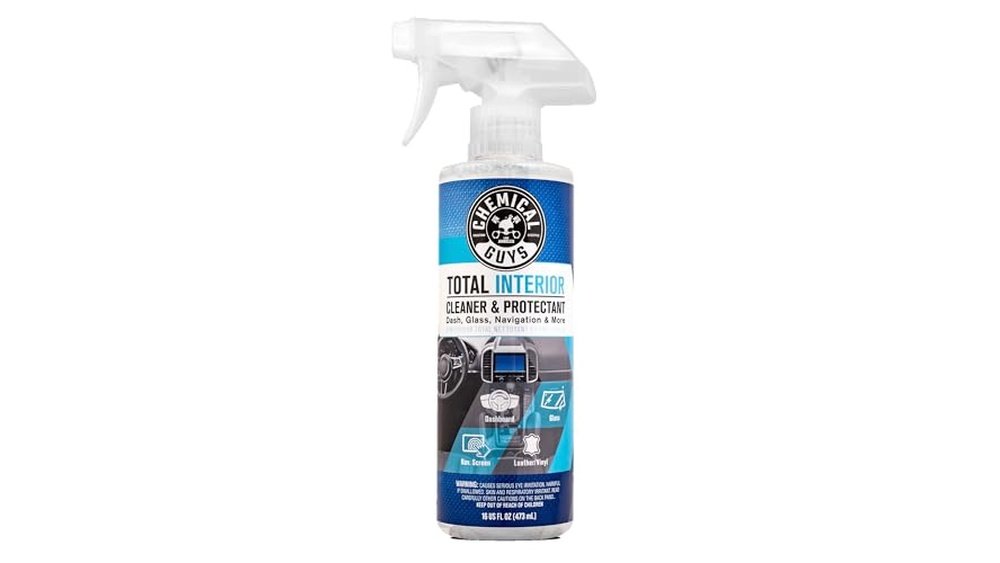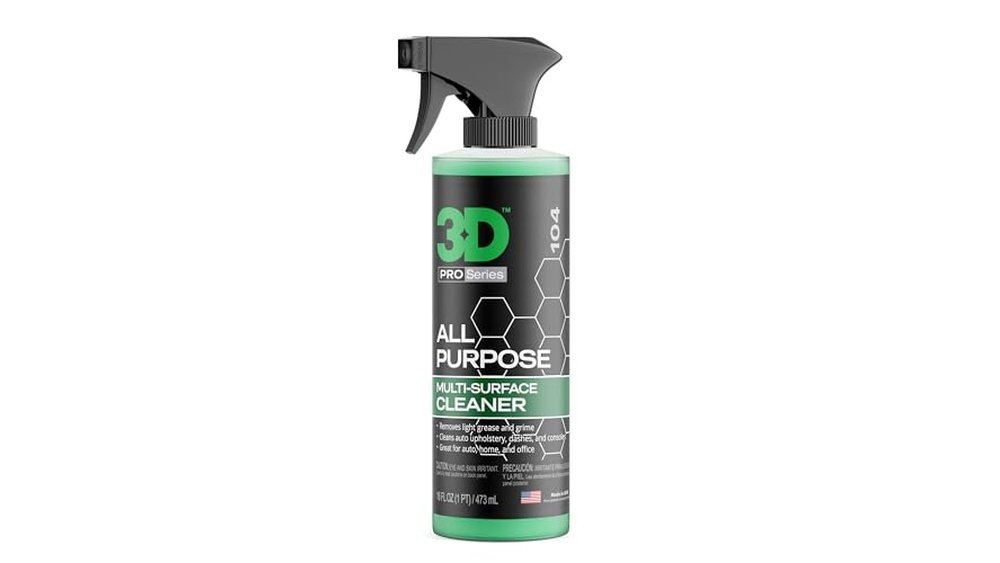
When it comes to keeping your car’s interior spotless, you might be wondering which product works best for you: cleaning gel or interior cleaner spray? Both promise a cleaner, fresher ride, but they work very differently.
You want a solution that’s easy to use, effective, and gentle on your car’s surfaces. Choosing the right product can save you time and frustration while making your interior look and feel like new. You’ll discover the key differences between cleaning gel and interior cleaner spray, so you can pick the perfect option for your cleaning needs.
Ready to find out which one suits your car best? Keep reading!
Cleaning Gel Basics
Understanding cleaning gels helps you decide the best way to clean your car’s interior. These gels offer a unique method to remove dust and dirt from hard-to-reach areas. Many people choose gels for their ease of use and effectiveness on small crevices.
Cleaning gels differ from sprays in texture and application. They stick to surfaces and pull dirt away without leaving residue. Learning about their ingredients and how they work will guide you to the right product for your needs.
What Is Cleaning Gel
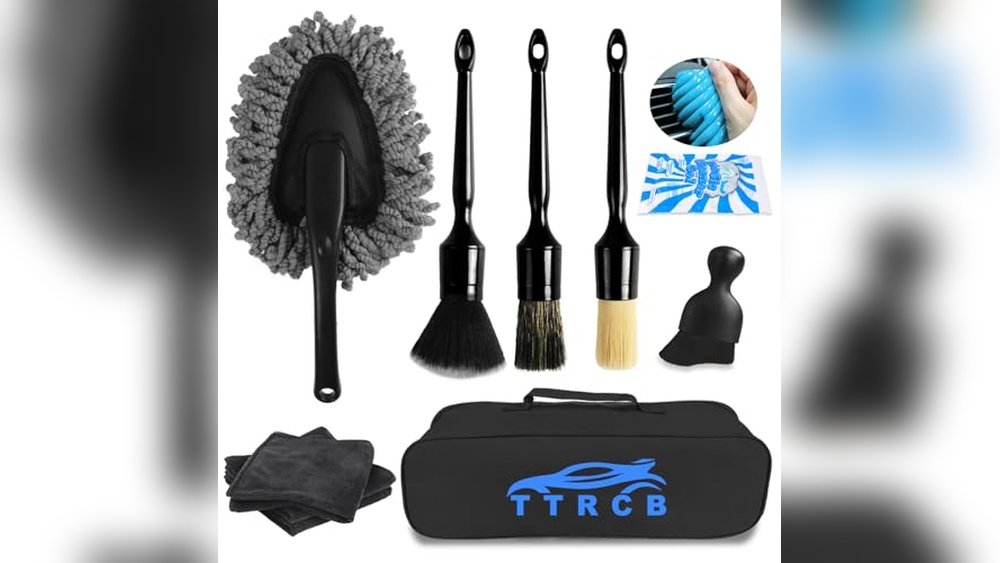
Cleaning gel is a sticky, putty-like substance. It clings to dust, crumbs, and dirt on surfaces. You press the gel onto vents, buttons, and small gaps. Then, you pull it away, lifting debris in the process. The gel can be reused several times until it loses its stickiness.
Common Ingredients
Cleaning gels usually contain water and polymers. Polymers give the gel its sticky, flexible texture. Some gels include mild cleaning agents to break down grime. Other ingredients may be added for scent or to prevent bacteria growth. The formula is safe for most plastics and electronics.
How Cleaning Gel Works
The gel’s sticky surface grabs dust and particles. It molds into tight spaces and lifts dirt without damaging surfaces. When you peel it off, the gel carries away hidden debris. This action cleans places sprays may miss. It works well on keyboards, air vents, and car interiors.
Interior Cleaner Spray Basics
Understanding the basics of interior cleaner sprays helps you keep your car’s inside fresh and spotless. These sprays are designed to clean various surfaces inside your vehicle. They are easy to use and work quickly on dirt and stains.
Interior cleaner sprays come in many types, each made for specific materials like plastic, vinyl, or leather. Knowing what they contain and how they work can help you choose the right product for your car.
What Is Interior Cleaner Spray
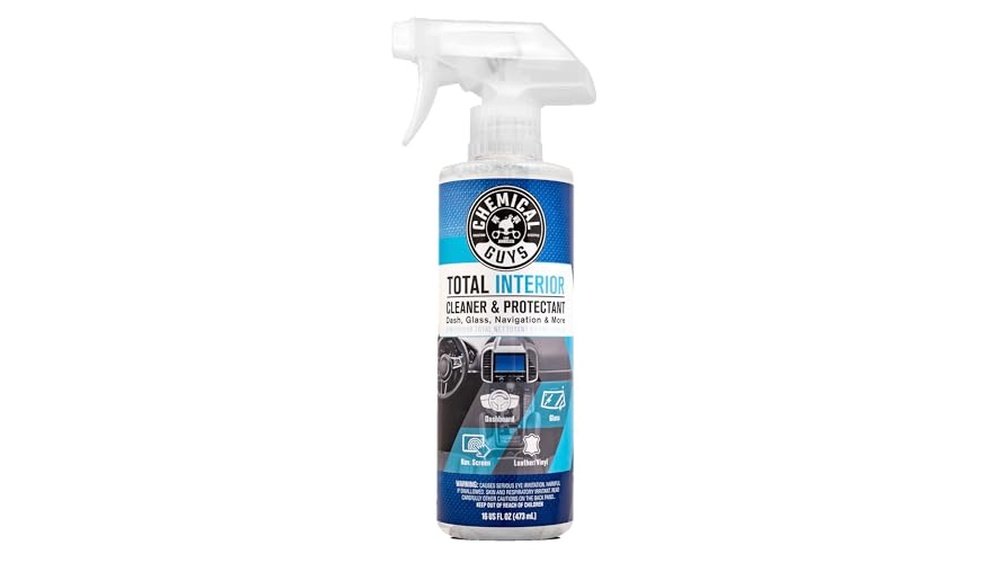
Interior cleaner spray is a liquid product made for cleaning car interiors. It targets dust, dirt, oils, and stains on surfaces like dashboards, door panels, and seats. The spray format lets you apply the cleaner evenly and reach tight spots.
These sprays are usually safe for many materials but always check the label before use. They help maintain the look and feel of your car’s interior without harsh scrubbing.
Typical Ingredients
Most interior cleaner sprays contain water and mild detergents. These ingredients break down dirt and grease. Some include solvents to dissolve tougher stains.
Oils and conditioners may be added to protect surfaces and add shine. Fragrances give a fresh scent after cleaning. Many sprays also contain anti-static agents to reduce dust buildup.
Natural or plant-based ingredients appear in eco-friendly products. Avoid sprays with strong chemicals if you have sensitive skin or allergies.
How Spray Cleaners Work
Spray cleaners work by loosening dirt and grime from surfaces. The detergent molecules surround dirt particles and lift them away. This makes it easy to wipe dirt off with a cloth.
The spray form allows quick coverage of large areas and small crevices. After spraying, wait a moment for the formula to act before wiping. This step helps break down tough stains.
Some sprays also leave a protective layer that prevents dirt from sticking again. This keeps your interior cleaner for longer and reduces cleaning frequency.
Surface Compatibility
Choosing the right product for cleaning your car’s interior depends largely on surface compatibility. Different materials react differently to cleaning gels and spray cleaners. Understanding how each cleaner interacts with various surfaces helps protect your car’s interior from damage. This guide breaks down their suitability for common materials inside your vehicle.
Cleaning Gel On Different Materials
Cleaning gel works well on hard surfaces like plastic and rubber. It molds to shapes and removes dust from tight spots. The gel lifts dirt without scratching delicate areas. Avoid using gel on fabric or porous surfaces. It can leave residue or stain soft materials. Always test a small area first to ensure no damage.
Spray Cleaner On Various Surfaces
Spray cleaners are versatile for many interior surfaces. They clean plastic, glass, and metal smoothly. Sprays spread evenly and dry quickly without residue. Use sprays on fabric seats or carpets carefully. Some formulas might cause discoloration or dampness. Choose spray cleaners labeled safe for upholstery to avoid issues.
Safe Use On Leather And Vinyl
Leather and vinyl need gentle care during cleaning. Cleaning gels may be too harsh and cause cracking or fading. Spray cleaners designed for leather keep it soft and clean. Look for sprays with conditioners to protect these materials. Always wipe off excess product to prevent buildup and maintain texture.
Effectiveness And Cleaning Power
Effectiveness and cleaning power are key when choosing between cleaning gel and interior cleaner spray. Both have unique strengths and work differently on surfaces inside your car. Understanding their abilities helps pick the best tool for maintaining a spotless interior. Each product targets dirt and stains in specific ways to deliver optimal results.
Removing Dirt And Dust
Cleaning gels easily pick up dust from hard-to-reach areas. They mold to shapes, grabbing dirt in tight spaces. Interior cleaner sprays cover larger surfaces quickly. They loosen dirt on dashboards and door panels with a quick spray. Gels excel in small crevices. Sprays work well on flat, broad surfaces. Combining both can improve overall cleanliness.
Tackling Stains And Grime
Interior cleaner sprays break down stains fast. Their liquid formula penetrates grime to lift it away. Cleaning gels rely on sticky texture to pull off dirt. They work well on fresh spills or light stains. Sprays suit tougher, set-in grime because of stronger chemicals. Gels provide gentle cleaning without harsh ingredients. Choosing depends on stain type and surface sensitivity.
Handling Tough Contaminants
Interior cleaner sprays have strong agents to dissolve grease and oils. They are effective on stubborn spots like food stains or sticky residue. Cleaning gels may struggle with heavy contaminants. Their main strength is surface dust and light dirt. Sprays clean deep, but require careful wiping to avoid residue. Gels offer safe use on delicate surfaces. Both help maintain a clean, fresh interior when used correctly.
Ease Of Use
Ease of use is a key factor when choosing between cleaning gel and interior cleaner spray. Both products aim to clean your car’s interior, but their application differs. This affects how simple and quick the cleaning process feels. Let’s explore the ease of use for each option.
Application Techniques For Gel
Cleaning gel is soft and flexible. You press it onto surfaces, and it molds to shapes. It picks up dust and dirt from small gaps and crevices. No need for extra tools. Just press and peel off. It works well on dashboards, vents, and buttons.
Gel takes a few seconds to dry. It does not drip or spill. This makes it good for quick spot cleaning. However, it requires some care to avoid leaving gel pieces behind. Using fresh gel each time keeps it effective.
Using Spray Cleaners Efficiently
Interior cleaner spray comes in a bottle with a nozzle. Spray directly on surfaces or a cloth. Wipe the area with a microfiber cloth or sponge. Sprays cover large areas fast. They remove dirt, stains, and grime easily.
Sprays work best on flat surfaces like seats and door panels. Avoid spraying too much to prevent wet spots. Sprays can reach tight spots with a brush or detailing tool. They require wiping to remove loosened dirt.
Cleanup And Residue
Cleaning gel leaves minimal residue if used properly. Peel it off slowly to avoid tearing. After use, the gel may need rinsing if sticky. It usually does not leave streaks or stains.
Spray cleaners can leave streaks if wiped unevenly. Some may require a second wipe to remove residue. Sprays dry faster but can cause wet spots if overapplied. Always follow with a dry cloth for a clean finish.

Credit: clean-garage.com
Durability And Protection
Durability and protection are key factors in choosing between cleaning gel and interior cleaner spray. Both products clean surfaces, but their effects on material longevity differ. Understanding how each product impacts your car’s interior helps maintain its look and value over time.
Does Cleaning Gel Protect Surfaces
Cleaning gel primarily removes dust and dirt from hard-to-reach areas. It clings to debris and pulls it away without harsh scrubbing. However, it does not add any protective layer to surfaces. Its main role is cleaning, not shielding or strengthening materials.
Repeated use of cleaning gel keeps small areas free of grime. Still, it offers no long-term barrier against UV rays, stains, or wear. Users should apply a separate protectant after cleaning for better durability.
Protective Benefits Of Interior Sprays
Interior cleaner sprays often include conditioners and protectants. These ingredients help restore moisture to plastic, vinyl, and leather surfaces. Sprays can prevent cracking, fading, and drying out caused by sun exposure.
Many sprays leave a thin, invisible layer that repels dust and stains. This layer reduces the frequency of future cleanings. Protective sprays enhance the surface’s resistance to daily wear and tear.
Long-term Effects On Interior Materials
Over time, using only cleaning gel may leave surfaces vulnerable to damage. Without a protective coating, materials can dry out and lose color. This shortens the life of your car’s interior parts.
Interior sprays improve long-term durability by nourishing surfaces. They slow aging signs such as cracking and fading. Consistent use preserves the interior’s fresh, clean look for years.
Environmental And Health Considerations
Choosing between cleaning gel and interior cleaner spray involves more than just effectiveness. Environmental and health impacts play a crucial role in deciding the best product. Understanding these factors helps you make safer and greener choices for your vehicle and yourself.
Chemical Safety Of Cleaning Gels
Cleaning gels usually contain thickening agents and solvents. Some solvents can irritate skin or eyes if contact occurs. Most gels are designed to stay on surfaces, reducing airborne chemicals. This lowers the risk of inhaling harmful particles. Still, always check the label for warnings and use gloves if needed.
Spray Cleaner Ingredients And Fumes
Interior cleaner sprays often include volatile organic compounds (VOCs). These compounds can release fumes that irritate the nose, throat, and lungs. Poor ventilation increases exposure to these fumes. Some sprays have strong fragrances that may trigger allergies. Using sprays in well-ventilated spaces minimizes health risks.
Eco-friendly Options
Many brands now offer eco-friendly cleaning gels and sprays. These products use biodegradable ingredients that break down quickly in nature. They avoid harsh chemicals like ammonia and bleach. Choosing eco-friendly options helps reduce pollution and protects your health. Look for certifications or labels that confirm green practices.
Cost And Availability
Cost and availability play a big role in choosing between cleaning gel and interior cleaner spray. Both products vary in price and can be found in different places. Knowing where to buy and comparing prices helps you get the best deal. It also ensures you pick a quality product that fits your budget.
Price Comparison
Cleaning gels usually cost less than interior cleaner sprays. A small jar of gel can last longer because you use less at a time. Sprays often come in bigger bottles but may run out faster. Prices for sprays vary more, depending on brand and ingredients. Budget shoppers might prefer gel for its lower cost and longer use.
Where To Buy Cleaning Gel
Cleaning gels are available online and in many auto stores. Online shops offer more variety and often better prices. Local stores stock popular gel brands for easy pickup. Checking product reviews online helps find trusted gels. Sometimes, cleaning gels may be harder to find in small stores.
Finding Quality Interior Sprays
Interior cleaner sprays are easy to find in supermarkets and auto shops. Many brands offer sprays with different scents and strengths. Look for sprays that list safe ingredients for car interiors. Reading labels helps avoid harsh chemicals that may damage surfaces. Online stores provide user reviews to guide your choice.
Professional Detailers’ Preferences
Professional detailers choose their cleaning products carefully. Their preferences depend on the surface, dirt type, and desired finish. Both cleaning gels and interior cleaner sprays have clear roles in their toolkit. Understanding how pros use these products helps car owners pick the right one for their needs.
What Pros Use Cleaning Gel For
Detailers use cleaning gel for tight spaces and textured surfaces. It picks up dust and crumbs from vents and buttons. The gel molds to odd shapes, reaching areas sprays miss. It is gentle on delicate materials and leaves no residue. Professionals rely on gel to remove dirt without soaking surfaces.
Spray Cleaners In Professional Settings
Interior cleaner sprays work well on larger flat surfaces. Detailers spray dashboards, door panels, and leather seats for quick cleaning. Sprays dissolve grime and make wiping easier with microfiber cloths. They also help condition leather and vinyl. Pros choose sprays for fast, even application across wide areas.
Combining Both Products
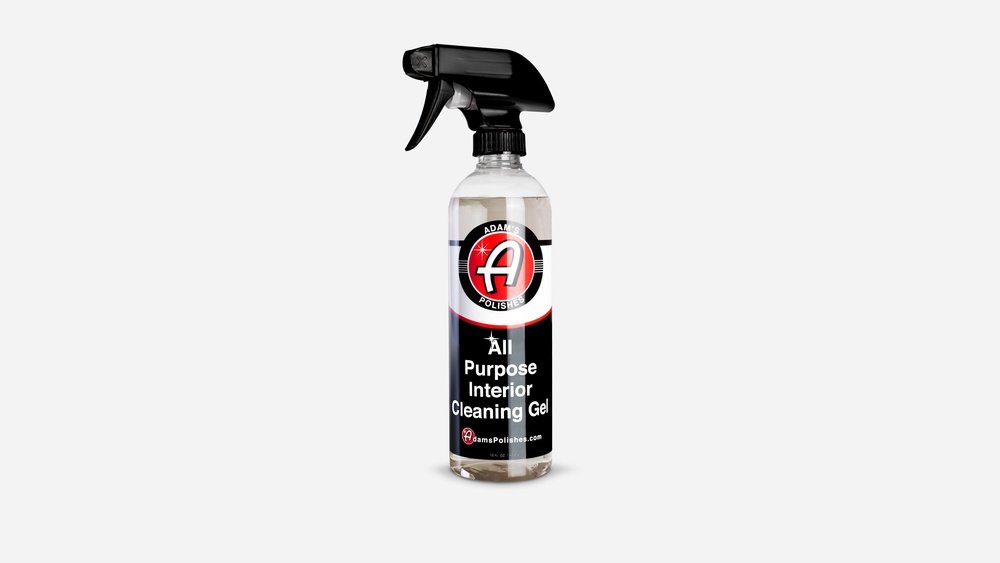
Experts often combine gel and spray for best results. Gel cleans hard-to-reach spots, while spray handles broad areas. This combo ensures every part of the interior looks fresh and spotless. Using both products allows detailers to balance deep cleaning with surface care. It delivers a thorough, professional interior finish every time.
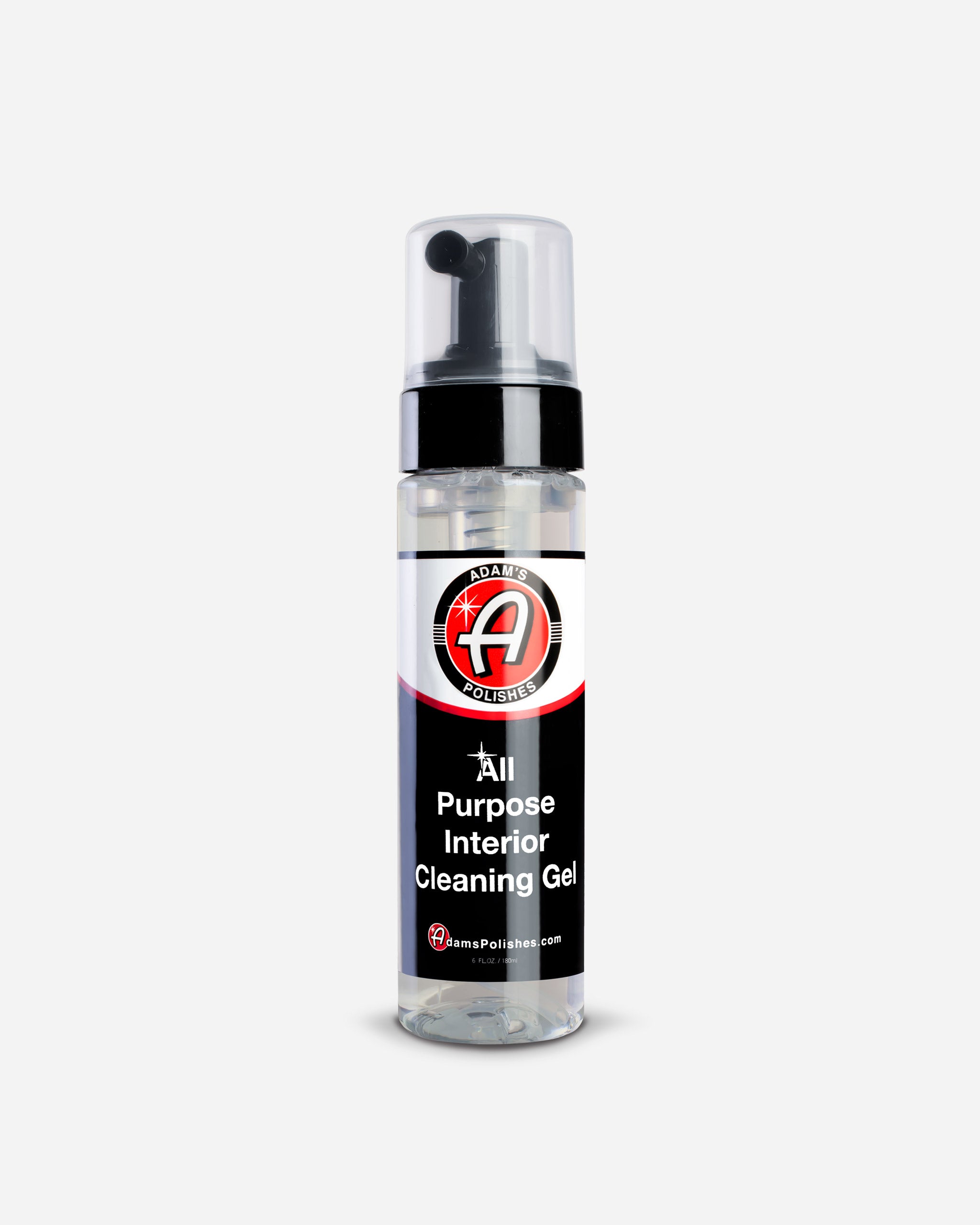
Credit: adamspolishes.com
Choosing The Right Product
Choosing the right product for cleaning your car’s interior helps keep it fresh and well-maintained. Different products suit different surfaces and dirt types. Understanding these differences makes cleaning easier and more effective.
Factors To Consider
Consider the surface type before selecting a cleaner. Some gels work best on dashboards and vents. Sprays often suit fabric and leather better. Also, check if the product is safe for your car’s materials. Strong chemicals can cause damage or fading.
Think about the type of dirt or stain to remove. Sticky gels can lift dust and crumbs easily. Sprays help break down grease and spills quickly. Also, note how much effort and time each product takes.
Matching Products To Cleaning Needs
Use cleaning gel for small, hard-to-reach spots. It sticks to surfaces and picks up dirt without mess. Interior cleaner sprays cover larger areas fast. They are good for wiping seats and carpets.
For delicate materials like leather, choose a gentle spray cleaner. Cleaning gels may be too abrasive. For plastic or rubber, gels can provide a deeper clean. Pick the product that fits your cleaning task for best results.
Tips For Best Results
Always test a small area first to avoid damage. Apply cleaning gel by pressing and lifting dirt carefully. Use a microfiber cloth to wipe off residue after using sprays.
Work in sections to ensure thorough cleaning. Avoid over-saturating surfaces with sprays. Let surfaces dry completely before use. Follow the product instructions for safety and effectiveness.

Credit: clean-garage.com
Frequently Asked Questions
What Do Professional Detailers Use For Interior Cleaning?
Professional detailers use specialized interior cleaners, all-purpose cleaners, detailing brushes, and microfiber cloths to clean and protect surfaces effectively.
What Sprays Do Auto Detailers Use For Car Interiors?
Auto detailers use interior cleaner sprays, quick detailers, leather conditioners, and protectants to clean and maintain car interiors effectively.
What Is The Best Cleaner To Use On Car Interior?
The best cleaner for car interiors is a dedicated interior cleaner spray or all-purpose cleaner. These remove dirt, stains, and grime effectively without damaging surfaces. Use products safe for leather, vinyl, plastic, and fabric for optimal results. Always follow manufacturer instructions to protect your car’s interior.
Is All-purpose Cleaner The Same As Interior Cleaner?
All-purpose cleaner works on many surfaces, inside and out, but interior cleaner targets tougher stains on car interiors specifically.
Conclusion
Choosing between cleaning gel and interior cleaner spray depends on your needs. Cleaning gel works best for tight spots and dust removal. Interior cleaner spray handles stains and deep dirt on seats and panels. Both have unique strengths to keep your car interior fresh.
Consider the type of dirt and surface before deciding. Use the product that fits your cleaning task for best results. Regular cleaning helps maintain your car’s appearance and comfort. Simple care keeps your vehicle looking great longer.