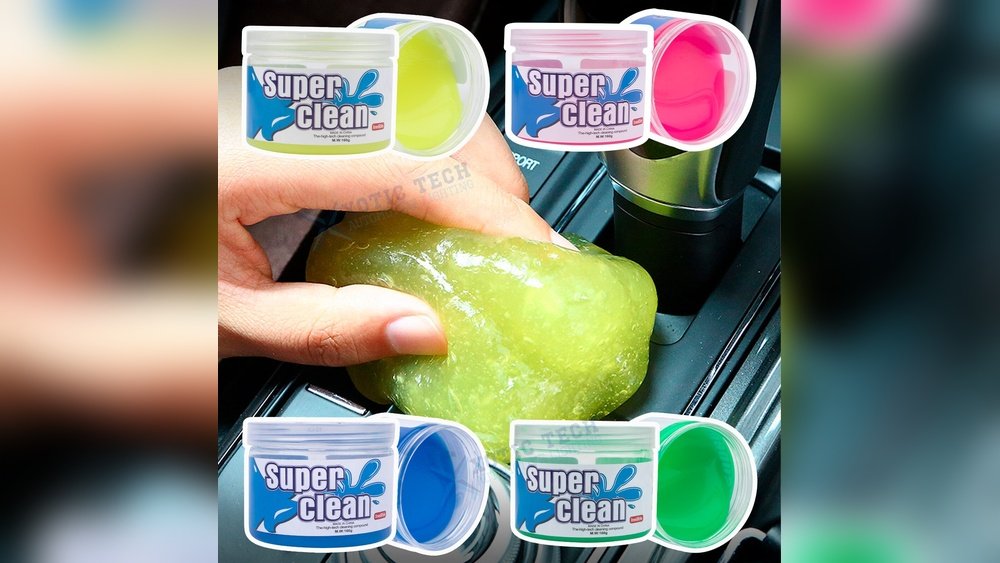
You want your car’s interior to stay spotless, but those tiny crevices and hard-to-reach spots make cleaning a real challenge. That’s where car cleaning gel comes in—this strange, squishy substance seems almost magical as it picks up dirt from every nook and cranny.
But have you ever wondered what exactly makes up this nifty gel? Understanding what car cleaning gel is made of can help you see why it works so well and whether it’s the right choice for your cleaning needs. Keep reading to uncover the simple ingredients behind this powerful cleaning tool and how they come together to make your car shine like new.

Credit: www.amazon.com
Basic Components
Car cleaning gel is a unique product designed to pick up dust and dirt from hard-to-reach places. It feels soft and sticky, allowing it to grab particles without damaging surfaces. The gel’s effectiveness comes from a mix of basic components carefully chosen to create the right texture and cleaning power.
Understanding these basic components helps explain how car cleaning gel works. Each ingredient plays a key role in making the gel stretchy, adhesive, and safe for car interiors.
Polymers And Their Role
Polymers are long chains of molecules that give the gel its stretchy and flexible nature. They allow the gel to mold into tight spaces and return to its shape. Common polymers used include polyvinyl alcohol and similar synthetic materials. These polymers help the gel trap dust without breaking apart.
Common Gelling Agents
Gelling agents are substances that thicken the mixture and create a gel-like consistency. Borates, such as borax, are often used as activators that turn liquid polymers into a stretchy gel. These agents control the texture, making sure the gel is sticky enough to pick up dirt but not too wet or runny.
Binders And Adhesives
Binders and adhesives help the gel hold together and stick to particles. They provide tackiness that grabs dust, crumbs, and small debris. These ingredients also prevent the gel from leaving residue or damaging surfaces. Common binders include safe, non-toxic glues or resins that maintain the gel’s structure during use.
Borates And Activators
Borates and activators play a key role in car cleaning gel. They help create the gel’s unique texture and cleaning power. Without these components, the gel would not hold together or trap dust effectively.
Borax And Its Function
Borax is a common borate used in cleaning gels. It acts as a cross-linking agent for polymers. This means it links polymer chains to form a gel network. The gel becomes stretchy and sticky, perfect for picking up dirt. Borax also adds mild antibacterial properties. This helps keep the gel fresh and clean during use.
Alternative Borate Sources
Other borates can replace borax in gels. Examples include sodium borate and potassium borate. These alternatives also cross-link polymers effectively. Some may change the gel’s texture slightly. Manufacturers choose based on cost and availability. All borates serve the main purpose of forming the gel’s structure.
How Activators Work
Activators trigger the gel formation by starting a chemical reaction. They help borates connect polymer chains quickly and evenly. This process solidifies the mixture into a gel. Without activators, the mixture would remain liquid or sticky. Activators ensure the gel holds its shape while staying flexible. This balance makes car cleaning gels easy to use and effective.
Additional Ingredients
Car cleaning gel is more than just a sticky putty. It contains several additional ingredients that improve its texture, durability, and appeal. These ingredients ensure the gel stays flexible, lasts longer, and smells pleasant. Understanding these components helps explain why the gel works so well on dust and dirt.
Plasticizers For Flexibility
Plasticizers make the gel soft and flexible. They prevent the gel from becoming hard or brittle. This allows the gel to mold easily into tight spaces. Without plasticizers, the gel would crack or break during use. They keep the gel stretchy and easy to handle.
Preservatives And Stabilizers
Preservatives stop the gel from growing mold or bacteria. These chemicals keep the gel safe to use for a long time. Stabilizers maintain the gel’s consistency. They prevent the ingredients from separating. This helps the gel stay smooth and effective over time.
Fragrances And Dyes
Fragrances add a fresh scent to the cleaning gel. This makes the cleaning process more pleasant. Dyes give the gel its bright colors. These colors make the gel look attractive and easy to spot. Both fragrances and dyes enhance the user experience without affecting cleaning power.
Homemade Variations
Homemade variations of car cleaning gel offer a simple and cost-effective way to keep your vehicle spotless. These DIY gels mimic commercial products but use common household ingredients. Making your own gel allows customization for texture and scent. It also reduces exposure to strong chemicals often found in store-bought options.
Diy Recipes And Ingredients
Most homemade car cleaning gels start with basic glue as the base. White school glue or clear craft glue works well. To make the gel pliable, add a borax solution or liquid laundry detergent as an activator. Water helps adjust the consistency. Some recipes include food coloring or essential oils for color and scent. Mixing these ingredients carefully creates a stretchy, sticky gel that picks up dust and dirt.
Substitutes For Commercial Components
Homemade gels avoid harsh chemicals by using safe substitutes. Instead of commercial activators, borax powder or baking soda mixed with water works well. Some DIYers use liquid starch or contact lens solution as alternatives. For fragrance, essential oils replace synthetic scents. These substitutes keep the gel effective while making it safer for sensitive skin and indoor use.
Safety Considerations
Homemade car cleaning gel ingredients should be handled with care. Borax can irritate skin and eyes, so avoid direct contact. Keep the gel away from children and pets. Store it in airtight containers to prevent drying out or contamination. Always test the gel on a small car surface area to avoid damage. Use gloves if you have sensitive skin or allergies.
Science Behind Cleaning Action
The cleaning action of car cleaning gel relies on its unique chemical and physical properties. This gel is not just a sticky substance. It is a carefully designed material that can trap dust, dirt, and small debris. Understanding the science behind how it works reveals why it cleans effectively and safely.
Polymerization Process
The gel is made through a process called polymerization. Small molecules called monomers join to form long chains called polymers. These polymers create a flexible, stretchy network. This network gives the gel its soft and moldable texture. The polymer chains also help the gel hold onto dust and dirt particles.
How Gel Picks Up Dirt
The gel works like a magnet for dirt. When pressed onto a surface, it flows into tiny cracks and crevices. The sticky polymer chains trap dust and debris inside. As the gel lifts away, it pulls the dirt with it. This action cleans areas that are hard to reach with cloths or brushes.
Hydrophobic Properties
The gel’s surface repels water and moisture. This hydrophobic nature prevents the gel from becoming soggy or losing stickiness. It also helps stop dirt from mixing with water and spreading. This property keeps the gel effective even on slightly damp surfaces.

Credit: www.pandahub.com
Environmental And Health Aspects
The environmental and health aspects of car cleaning gel matter to many users. This gel often contains polymers and additives that can affect health and nature. Understanding these factors helps users choose safer products. It also encourages responsible use and disposal.
Biodegradability
Many car cleaning gels contain synthetic polymers. These materials do not break down easily in nature. Non-biodegradable gels can stay in the environment for years. This persistence may harm plants and animals. Some gels use biodegradable ingredients that decompose faster. Choosing biodegradable gels reduces environmental impact.
Non-toxic Vs Toxic Ingredients
Non-toxic gels use safe chemicals that pose little risk to humans and pets. They avoid harsh solvents and harmful additives. Toxic gels may contain chemicals like borax in high amounts. These substances can irritate skin and eyes. They may cause allergic reactions or respiratory problems. Reading product labels helps identify non-toxic options.
Proper Disposal Methods
Discarding car cleaning gel in regular trash can pollute soil and water. Avoid pouring leftover gel down drains or toilets. These actions can contaminate water systems. Instead, follow local guidelines for chemical waste disposal. Some areas have special collection points for such products. Proper disposal protects the environment and public health.

Credit: www.amazon.com
Frequently Asked Questions
How To Make A Car Cleaning Gel?
Mix white glue with water, add borax solution gradually, and stir until it forms a gel. Store in an airtight container.
Is Car Cleaning Gel Any Good?
Car cleaning gel effectively removes dust and debris from tight spaces. It is pliable, reusable, and easy to use, making it a handy cleaning tool.
How Do Detailers Get Cars So Shiny?
Detailers use special polymers and synthetic materials that bond to the car’s surface. These create a hydrophobic layer that repels dirt, grime, and water, making the car shine brilliantly. They also polish and protect the paint for a long-lasting glossy finish.
How To Make Homemade Cleaning Gel?
Mix white glue with water in a bowl. Dissolve borax in warm water separately. Combine borax solution with glue mixture. Stir until gel forms. Store in an airtight container. This homemade cleaning gel removes dirt from hard-to-reach spaces effectively.
Conclusion
Car cleaning gel mainly consists of polymers and borate compounds. These ingredients give it a sticky, flexible texture. It easily picks up dirt from hard-to-reach places. The gel’s composition makes cleaning quick and simple. Knowing what’s inside helps you use it safely.
Keep the gel away from heat and sharp objects. This cleaning tool works well for many surfaces. It’s a handy addition for car care kits. Understanding the gel’s makeup lets you clean smarter.