Have you ever struggled to clean those tiny dust particles hiding in your car’s vents, cup holders, or dashboard crevices? Traditional cloths and brushes often miss these hard-to-reach spots, leaving your car looking less than spotless.
That’s where car cleaning gel comes in—a simple, sticky solution that grabs dust and dirt effortlessly. But how exactly does this gel pick up dust so well? If you want to discover the secret behind this handy cleaning tool and learn how it can make your car’s interior shine like new, keep reading.
You’ll be surprised at how easy and satisfying cleaning can become with this unique gel!
Credit: www.walmart.com
Car Cleaning Gel Basics
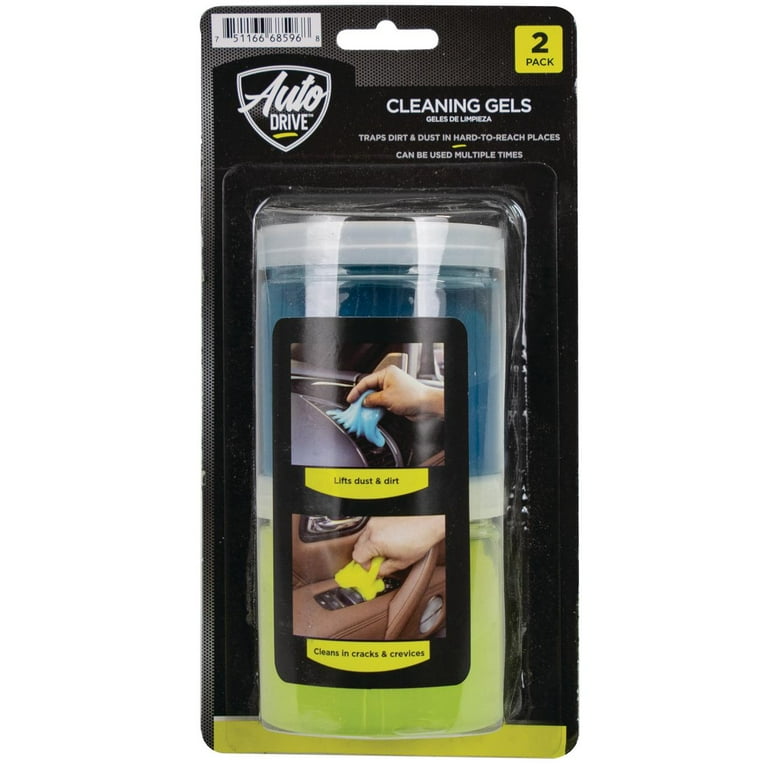
Car cleaning gel is a simple tool that makes dust removal easy. It is soft, sticky, and designed to reach tight spaces. This gel picks up dust and dirt without scratching surfaces. Many car owners use it to keep their vehicle interiors spotless. Understanding how this gel works can help you clean smarter and faster.
What Is Car Cleaning Gel
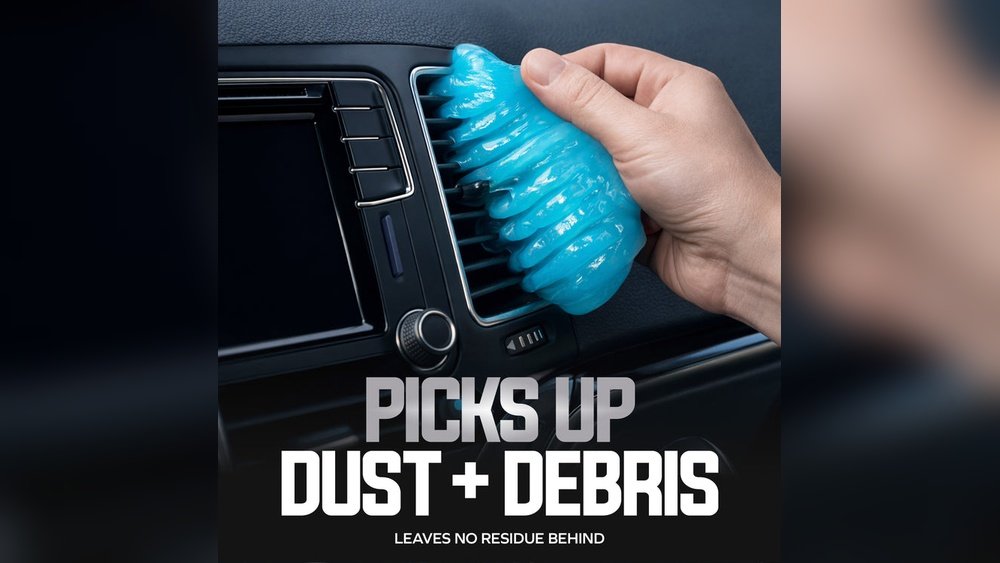
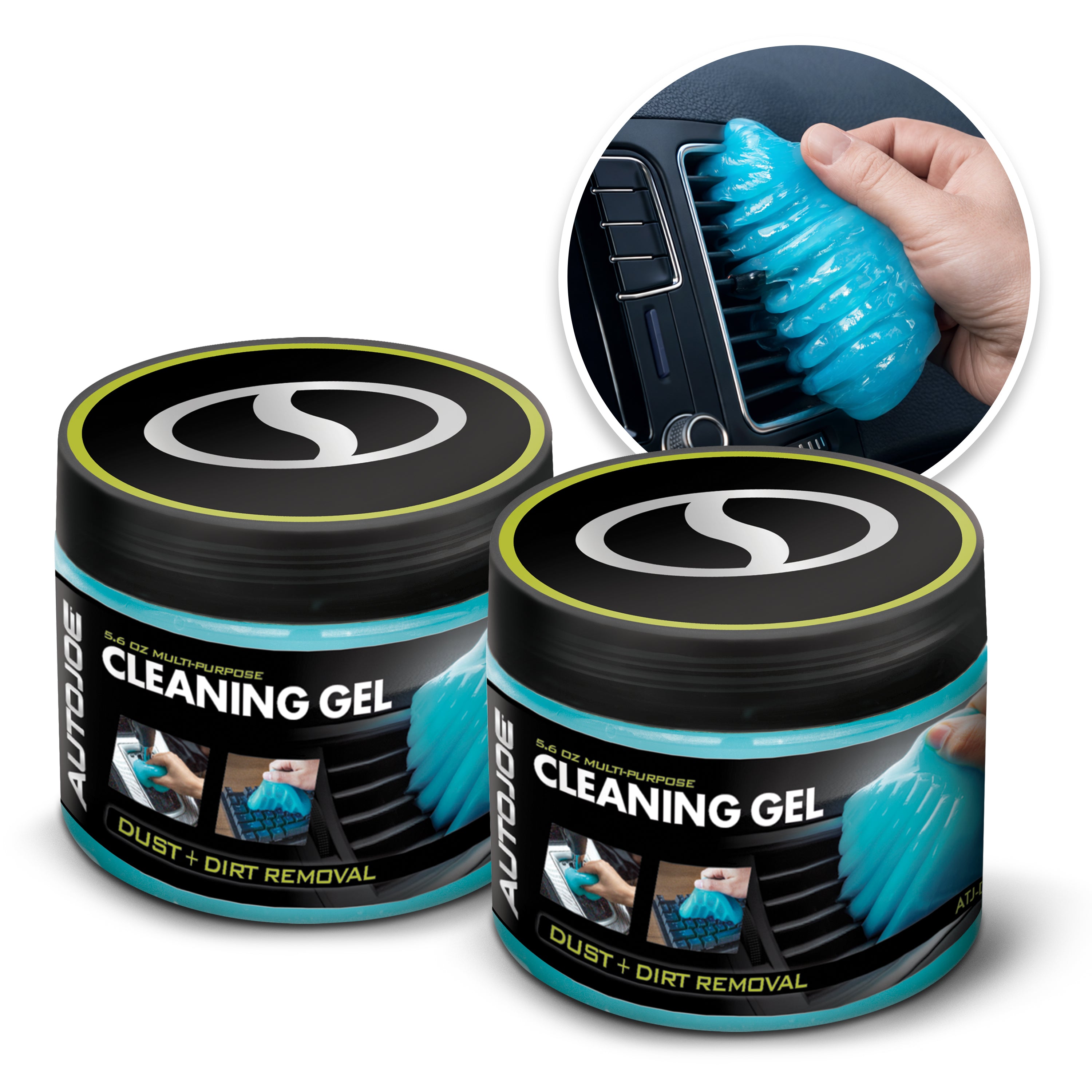
Car cleaning gel is a soft, flexible putty. It feels like a mix between slime and dough. The gel is sticky enough to pick up dust, crumbs, and small debris. It does not leave residue behind after use. Its gentle texture protects delicate surfaces inside cars. You can press it into vents, buttons, and screens. The gel molds to shapes, reaching places cloths cannot.
Common Uses In Vehicles
People use car cleaning gel mainly for dust removal. It cleans air vents where dust collects quickly. The gel also works well on dashboard surfaces and cup holders. It removes dirt from seams and crevices between seats. Drivers use it to clean gear shifts and steering wheels too. It cleans without damaging sensitive electronics or screens. This makes it perfect for car interiors and small parts.
Gel Composition And Properties
The gel used for car cleaning has a special makeup that helps it grab dust easily. Its unique properties make it perfect for reaching tight spots inside your vehicle. This section explains what makes the gel work so well.
Sticky And Flexible Texture
The gel has a sticky feel that attracts dust particles. It clings to dirt without pushing it around. The flexible texture lets the gel bend and twist. This allows it to fit into small gaps and curves. It lifts dust from surfaces that are hard to clean with cloths.
Non-toxic And Surface-friendly Ingredients
The gel is made from safe, non-toxic materials. It does not harm car interiors or electronics. The ingredients keep surfaces clean without leaving residue. This makes it gentle on dashboards, vents, and screens. It is safe to use repeatedly without damage.
Mechanism Of Dust Pickup
The mechanism of dust pickup by car cleaning gel relies on its unique physical properties. This gel is soft and sticky, allowing it to capture dust particles easily. It works by clinging to dust and debris on the car’s surface. The gel’s texture helps it lift dirt without causing damage.
Its ability to reach small spaces and crevices adds to its effectiveness. The gel molds itself to fit into tiny gaps where dust hides. This makes it ideal for cleaning dashboards, vents, and other hard-to-reach areas.
How Gel Adheres To Dust Particles
The gel has a slightly sticky surface that attracts dust particles. When pressed onto a dusty area, the gel sticks to the dust. This adhesion happens because the gel’s surface tension pulls particles toward it. Once lifted, the gel holds the dust firmly inside. It traps even the smallest particles that normal cloths might miss.
Reaching Tight Spaces And Crevices
The gel’s flexible form allows it to enter narrow spaces. It can squeeze into tiny crevices between buttons and vents. This is difficult for traditional cleaning tools. The gel picks up dust from these hidden spots with ease. It can also clean irregular surfaces without leaving residue. This makes the gel perfect for detailed car interior cleaning.
Effectiveness On Different Surfaces
The effectiveness of car cleaning gel varies across different surfaces inside your vehicle. This gel is designed to grab dust and dirt particles from hard-to-reach spots. It adapts well to various textures and shapes, making it a versatile cleaning tool. Its sticky yet gentle nature helps lift dust without scratching or damaging surfaces.
Dashboard And Console Cleaning
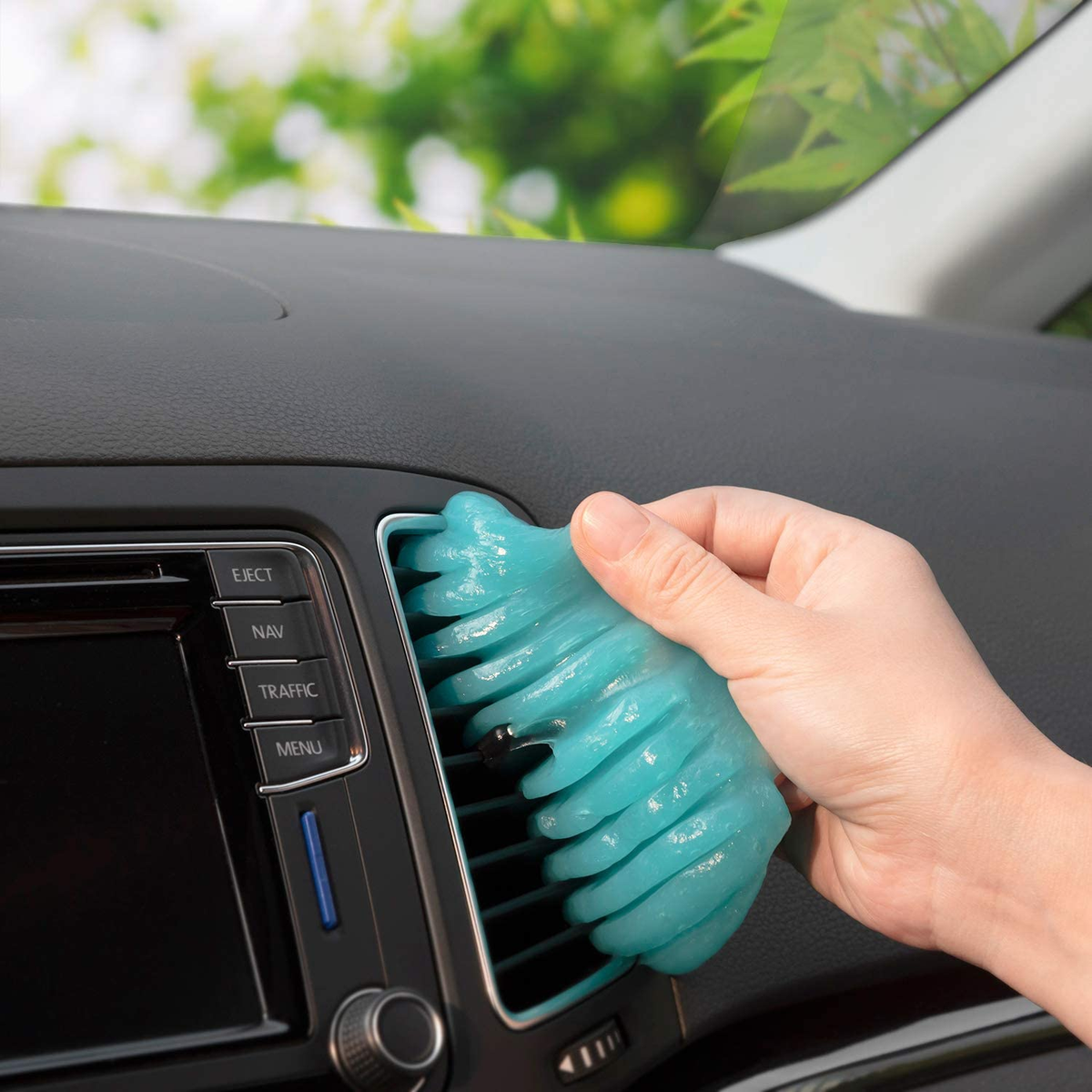
The gel works well on dashboards and consoles. It molds to uneven surfaces and fits into small crevices. This allows it to pick up dust from buttons, vents, and knobs. It removes grime without leaving residue behind. The gel’s flexibility makes cleaning these complex areas easier and faster.
Electronics And Keyboard Dust Removal
Electronics benefit greatly from cleaning gel. It reaches between keys and under screen edges where dust hides. The gel does not harm sensitive surfaces or electronics. It lifts dust without pushing it deeper inside devices. Using the gel regularly keeps keyboards and screens clean and dust-free.
Vent And Air Duct Cleaning
Vents and air ducts collect dust that is hard to remove. The gel’s sticky texture grabs dust from narrow slots and grills. It conforms to the shape of vents and reaches inside air ducts. This helps improve air quality inside the car. Using gel on vents reduces allergens and dust buildup effectively.
Using Car Cleaning Gel Safely
Using car cleaning gel safely ensures your vehicle stays spotless without damage. This gel picks up dust effectively by molding to surfaces and trapping particles. Proper care during use helps avoid any marks or leftover residue on your car’s interior. Follow simple steps to get the best results and keep your car looking fresh.
Avoiding Residue And Staining
Choose a high-quality gel designed for automotive use. Some gels contain dyes or chemicals that may stain light-colored surfaces. Test the gel on a small, hidden area first. Avoid pressing too hard to prevent leaving sticky residue behind. Wipe surfaces gently after using the gel to remove any leftover particles. Store the gel in a cool, dry place to keep its texture consistent and safe for use.
Proper Application And Removal
Use clean hands before handling the gel to avoid adding dirt. Press the gel lightly onto dusty areas, allowing it to reach into crevices. Do not stretch or pull the gel too much, as it might tear and leave bits behind. Remove the gel slowly and evenly in one piece. Dispose of used gel properly and replace with fresh gel when it loses stickiness. Regular, gentle use keeps your car interior free of dust without harm.
Comparing Gel To Other Cleaning Methods
Car cleaning gel offers a unique way to pick up dust compared to traditional cleaning tools. It molds into hard-to-reach areas, lifting dust without damaging surfaces. Understanding how it compares with other cleaning methods helps you choose the best option for your needs.
Vs. Microfiber Cloths
Microfiber cloths trap dust with tiny fibers. They work well on flat surfaces and can be washed and reused. However, they may miss dust in tight spots like car vents or dashboard crevices. Cleaning gel, on the other hand, molds to these shapes and picks up dust effectively. It does not require water or sprays. Microfiber cloths need moisture or sprays to remove sticky dust.
Vs. Vacuum Cleaners
Vacuum cleaners suck up dust and debris quickly. They work well on carpets and large surfaces but may struggle with delicate or small areas inside a car. Vacuums can be bulky and noisy, making them less convenient for quick cleaning. Cleaning gel is quiet, portable, and safe on electronics and dashboards. It gently lifts dust without sucking in small parts or causing damage.
Pros And Cons
Cleaning gel excels at reaching narrow spaces and delicate surfaces. It does not leave streaks or require liquids. The gel is reusable but can lose stickiness over time. It may not pick up large debris or wet dirt well. Microfiber cloths are affordable and easy to clean but miss tiny dust in crevices. Vacuums handle heavy dirt but lack precision for detailed cleaning. Each method has strengths depending on the cleaning task.
Tips To Maximize Gel Performance
Car cleaning gel is a handy tool for removing dust from hard-to-reach places. To get the best results, proper use and care of the gel are important. Small habits can keep the gel sticky and effective for longer. Below are tips to help you maximize the gel’s performance.
Storage And Reusability
Store the gel in a sealed container to keep it clean and moist. Avoid exposure to air for long periods. Dust and dirt can dry out the gel, making it less sticky. After each use, gently press the gel back into its container. This prevents it from picking up too much dirt at once. The gel can be reused several times if stored properly. Keep it away from heat and direct sunlight to maintain its texture.
When To Replace The Gel
Replace the gel if it loses its stickiness or becomes too dirty. Over time, dust and debris can build up inside the gel. This reduces its ability to pick up new dust effectively. If the gel tears or feels hard, it is time for a new one. Using old gel may leave residues on your car’s surfaces. Fresh gel works best for a clean, dust-free finish.
Credit: shopjoe.com
Additional Dust Prevention Hacks
Keeping your car free from dust requires more than just cleaning gel. Simple habits and natural sprays can help reduce dust build-up. These extra steps make your cleaning routine easier and keep your car looking fresh longer.
Natural Dust-repellent Sprays
Natural sprays create a thin layer that repels dust from surfaces. You can make one at home using vinegar, olive oil, and a little soap. Spray lightly on your dashboard and seats. The coating helps dust fall to the floor instead of sticking to surfaces. This reduces how often you need to clean.
Routine Cleaning Practices
Dust settles quickly, so regular cleaning is key. Wipe surfaces with a microfiber cloth every few days. Vacuum the seats and floor mats often to remove hidden dust. Keep windows closed on windy days to stop dust from entering. Small daily habits prevent dust from piling up inside your car.
Credit: www.ebay.com
Frequently Asked Questions
How Does Dust Cleaning Gel Work?
Dust cleaning gel works by sticking to dust and dirt particles, lifting them from surfaces and crevices. Its sticky, flexible texture reaches tight spots, making cleaning efficient and gentle on electronics, keyboards, and car interiors.
How To Stop Dust From Collecting On A Car?
Apply a dust-repellent spray with vinegar and olive oil. Park in shaded or covered areas. Use a car cover and clean regularly.
What Is Grandmas’ Simple Trick To Eliminate Dust?
Grandma’s simple trick uses a mix of vinegar, olive oil, and soap. This spray repels dust and makes cleaning easier.
Does Cleaning Gel Work For Cars?
Cleaning gel works well for removing dust and debris from car interiors. It sticks to dirt and reaches tight spaces easily. Use it gently to avoid residue. It’s effective for dashboards, vents, and screens but not a substitute for deep cleaning or exterior washing.
Conclusion
Car cleaning gel traps dust by sticking to tiny particles. It molds into small spaces, reaching hidden dirt. The gel lifts dust without scratching surfaces. Using it keeps your car’s interior neat and fresh. Regular cleaning with gel makes dust removal easy.
Simple, effective, and safe for delicate areas. Try it to keep your car dust-free and clean.