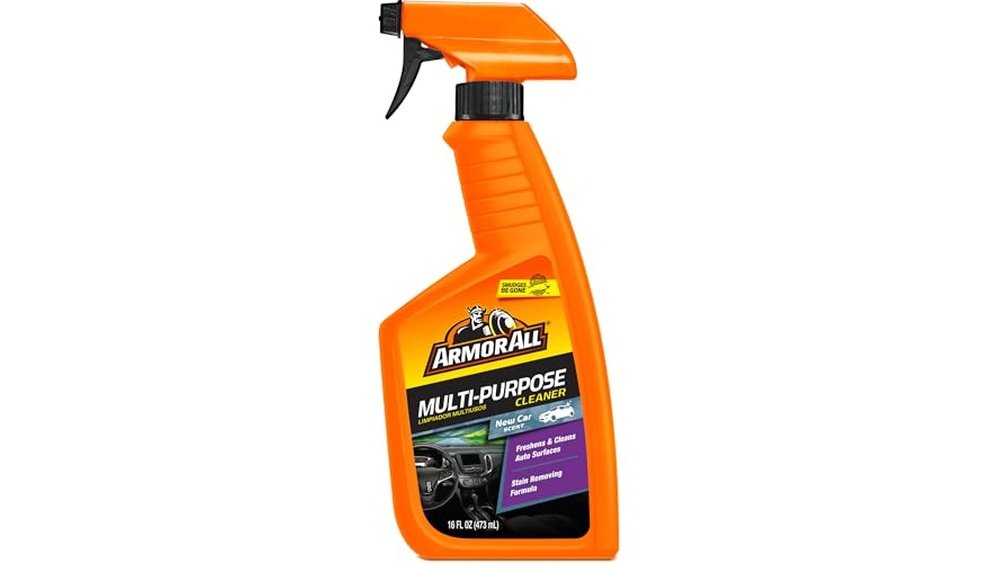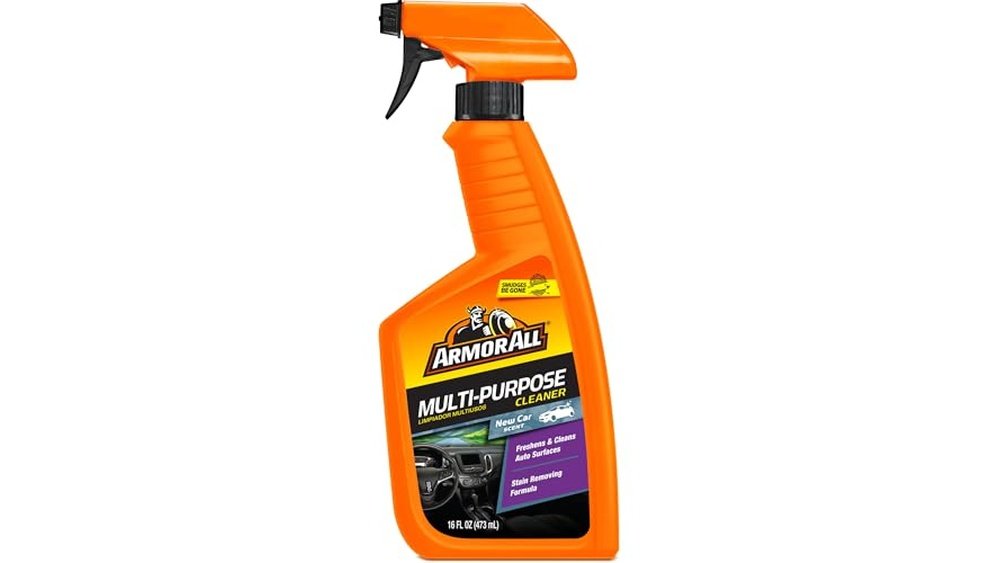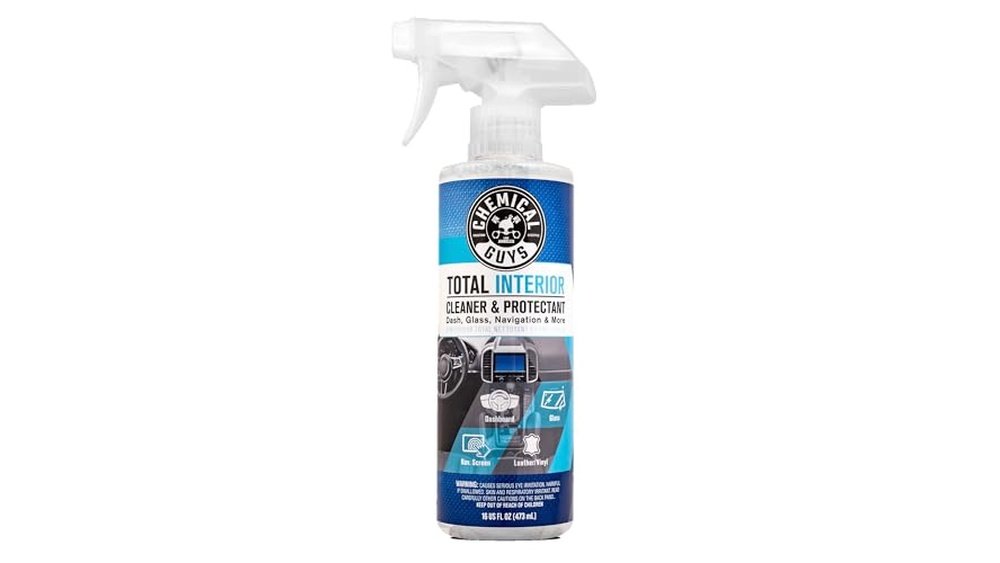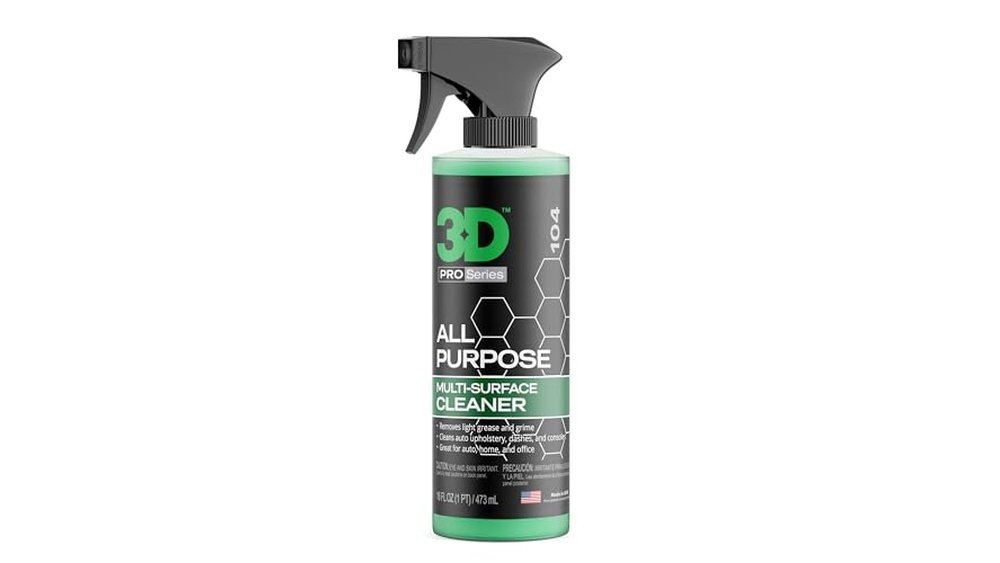
You care about your car, and you want to keep it clean without harming the planet. That’s why you might be wondering: is car cleaning gel truly eco-friendly?
This popular product promises an easy way to tackle dust and dirt in hard-to-reach spots, but does it live up to its green claims? You’ll discover what makes a cleaning gel eco-friendly, the ingredients to watch out for, and how these gels compare to other car cleaning options.
Stick around to learn how you can keep your car spotless while protecting the environment—because your car deserves care, and so does the planet.
Car Cleaning Gel Basics
Car cleaning gels offer a new way to clean your vehicle’s interior. These gels can reach small, hard-to-clean spaces like vents and buttons. They attract dust and dirt without damaging surfaces. Understanding the basics helps to decide if they fit your cleaning needs.
Here is a closer look at what car cleaning gels are, their ingredients, and how they work.
What Is Car Cleaning Gel?
Car cleaning gel is a soft, sticky substance made for cleaning. It is usually a jelly-like material that picks up dust and dirt. The gel molds easily to fit into tight spots inside a car. Users press it onto surfaces to lift grime away.
Common Ingredients In Cleaning Gels
Most car cleaning gels contain water, polymers, and mild cleaning agents. Polymers give the gel its sticky and flexible texture. Some gels include natural or synthetic fragrances for a fresh smell. Biodegradable ingredients appear in some brands, aiming to reduce environmental impact.
How Car Cleaning Gel Works
The gel works by sticking to dust and dirt on surfaces. When pressed, it grabs particles from cracks and crevices. After lifting the dirt, the gel is peeled off, taking debris with it. This method avoids liquid cleaners that might harm electronics or fabrics.
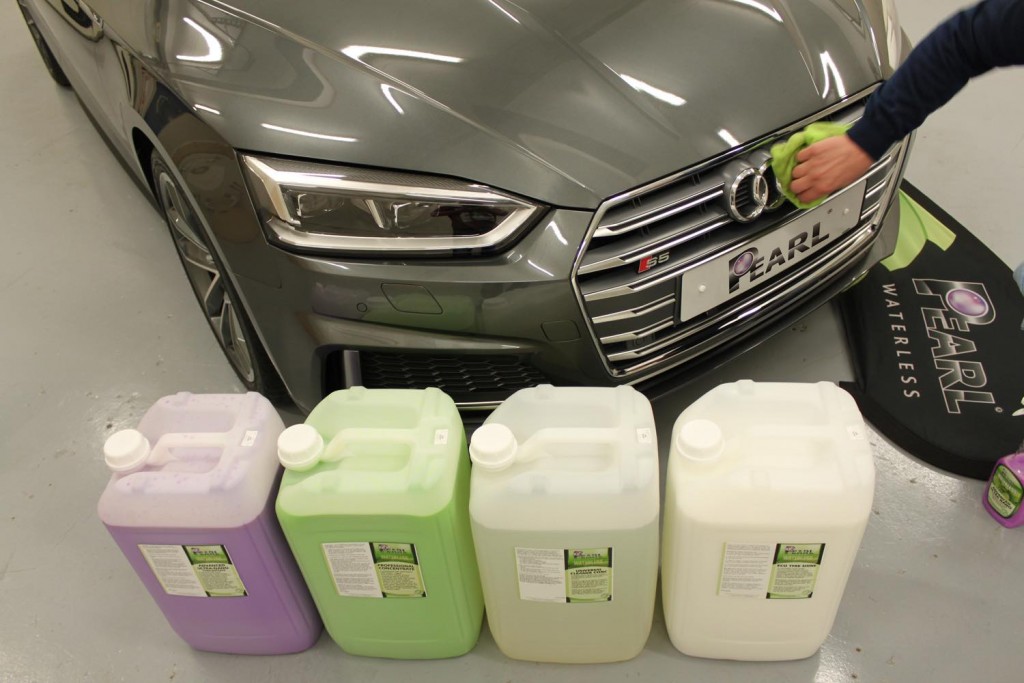
Credit: pearlwaterlessinternational.com
Environmental Impact Factors
Understanding the environmental impact factors of car cleaning gel helps make better choices. Many users want to know if these gels harm nature or support eco-friendly habits. Several key points influence their true effect on the environment. These include what the gel is made of, how it breaks down, and its packaging. Examining these areas sheds light on the overall eco-friendliness of car cleaning gels.
Biodegradability And Ingredients
Biodegradability shows how quickly the gel breaks down naturally. Gels made from natural or plant-based ingredients break down faster. Synthetic chemicals may stay in the environment longer and cause harm. Some gels contain harmful additives that pollute water and soil. Choosing gels with safe, biodegradable ingredients reduces environmental risks. Always check if the product label mentions eco-friendly or biodegradable formulas.
Chemical Runoff Concerns
Car cleaning gels can create chemical runoff during use. When gel residues wash away, they may enter storm drains or soil. Toxic substances in the gel can pollute water sources and harm wildlife. The risk is higher if the gel contains harsh chemicals or non-biodegradable elements. Using gels with gentle formulas minimizes chemical runoff. Proper disposal and careful use also prevent environmental damage.
Packaging And Waste
Packaging plays a big role in a product’s eco-friendliness. Many car cleaning gels come in plastic containers. If not recyclable, these containers add to landfill waste. Some brands use minimal or recycled packaging to cut waste. Consumers should look for recyclable or biodegradable packaging options. Reducing packaging waste supports a cleaner environment and lowers pollution.
Comparing Cleaning Methods
Different car cleaning methods have various impacts on the environment. Understanding these can help choose a greener option. This section compares popular cleaning techniques and their eco-friendliness.
Commercial Car Washes
Commercial car washes often use advanced water recycling systems. They collect and treat wastewater on-site to prevent pollution. These facilities follow strict regulations to protect water sources. Energy use varies but is generally optimized. Using commercial washes reduces water waste compared to home washing.
Waterless Car Wash Solutions
Waterless car wash products use little or no water. They rely on sprays or gels to lift dirt from surfaces. This method cuts down on water consumption dramatically. Many waterless products contain biodegradable ingredients. Some may include chemicals that harm plants or animals if misused.
Traditional Soap And Water
Washing a car with soap and water at home uses lots of water. Runoff often carries soap and grime into storm drains. This can pollute rivers and harm aquatic life. Many soaps contain phosphates and other harmful chemicals. Choosing eco-friendly soaps can reduce some damage but water use remains high.
Credit: detailxperts.com
Eco-friendly Certifications
Eco-friendly certifications help buyers choose products that are safe for the environment. These labels show that the product meets certain green standards. They also prove the product avoids harmful chemicals and waste.
Car cleaning gels with eco-friendly certifications usually use natural ingredients. They often come from companies that care about sustainability. Checking for these certifications can guide you to better choices.
Labels To Look For
Look for well-known eco labels on the packaging. Examples include USDA Organic, EPA Safer Choice, and Green Seal. These marks show that the product is tested and approved for environmental safety. They also mean the product has less impact on nature.
Cruelty-free And Vegan Products
Many car cleaning gels avoid animal testing and animal ingredients. Cruelty-free labels mean no animals were harmed. Vegan products contain no animal-derived substances. These choices support animal welfare and reduce cruelty.
Plant-based And Non-toxic Formulas
Eco-friendly car gels often use plant-based ingredients. These formulas avoid harsh chemicals like parabens and phthalates. Non-toxic products are safer for you, your car, and the planet. They break down naturally without polluting water or soil.
Pros And Cons Of Car Cleaning Gel
Car cleaning gel has become popular for its ease of use and ability to reach tight spaces. It promises a quick way to clean dust and dirt inside your vehicle. Like any product, it has both benefits and drawbacks. Understanding these helps decide if it suits your eco-friendly goals.
Advantages For The Environment
Many car cleaning gels are made from biodegradable materials. This means they break down naturally without harming the environment. They reduce the need for harsh chemical cleaners. This lowers the risk of pollution in water and soil. Using less water than traditional cleaning methods is another plus. It helps save this precious resource during car maintenance.
Potential Drawbacks
Some gels contain synthetic ingredients that do not degrade easily. These can add to plastic waste if not disposed of properly. Overuse of gel may increase waste volume compared to reusable cloths. Not all gels are free from harmful chemicals. This raises concerns about toxicity for wildlife and humans. Packaging often uses plastic, which can contribute to landfill issues.
Effectiveness Versus Eco Impact
Car cleaning gel works well for small, detailed cleaning tasks. It removes dust from vents, buttons, and crevices quickly. It may reduce the need for chemical sprays or wipes. Despite this, gels are not suitable for heavy dirt or stains. Using gel alone cannot replace full car washes that remove grime thoroughly. Balancing cleaning efficiency with environmental impact is important. Choosing gels made from natural ingredients helps reduce harm.
Choosing Green Car Care Products
Choosing green car care products helps protect the environment and your health. These products reduce harmful chemicals and waste. They often use natural ingredients that break down easily. Eco-friendly options also limit water pollution and plastic use. Selecting the right products supports cleaner air and safer water around you.
Top Eco-friendly Brands
Many brands now focus on eco-friendly car care. Brands like Ecover, Method, and Eco Touch use plant-based ingredients. They avoid harsh chemicals and artificial dyes. These brands also package products in recyclable materials. Choosing trusted brands ensures you get safe and effective cleaning gels.
Ingredient Transparency
Check product labels for clear ingredient lists. Transparent brands share all components and their sources. Avoid gels with toxic chemicals such as ammonia or phthalates. Look for natural, biodegradable, and non-toxic ingredients. This helps you avoid harmful substances and supports better environmental care.
User Reviews And Experiences
Reading reviews helps understand product performance and eco claims. Users share real results on cleaning power and safety. Positive feedback often mentions gentle effects on surfaces and skin. Negative reviews may highlight strong smells or poor biodegradability. User opinions guide smart choices in green car care products.
Tips For Eco-friendly Car Cleaning
Keeping your car clean can be eco-friendly with the right approach. Small changes make a big difference for the environment. Here are some tips to clean your car while reducing harm to nature.
Reducing Water Usage
Use a bucket instead of a running hose to save water. Choose waterless car cleaning products that need no rinsing. Wash your car on grass or gravel to absorb runoff and reduce water waste.
Proper Disposal Of Cleaning Residue
Avoid washing cleaning chemicals into storm drains or soil. Collect dirty water and dispose of it at designated facilities. Use biodegradable products that break down naturally and do not pollute water sources.
Using Multi-purpose Green Cleaners
Select cleaners made from plant-based ingredients without harsh chemicals. Multi-purpose green cleaners reduce waste by replacing many single-use products. Always check labels for eco-certifications and cruelty-free marks.

Credit: pearlwaterlessinternational.com
Frequently Asked Questions
What Is The Most Environmentally Friendly Way To Wash Your Car?
The most environmentally friendly way to wash your car is using commercial car washes. They recycle water and treat wastewater properly, reducing pollution and conserving resources.
Is Car Cleaning Gel Any Good?
Car cleaning gel effectively removes dust and dirt from hard-to-reach areas. It is pliable, reusable, and easy to use. Many users find it handy for interior cleaning. Its performance varies by product quality, but overall, it offers convenient spot cleaning for car interiors.
What Is The Best Environmentally Friendly Cleaning Brand?
Ecover is a top eco-friendly cleaning brand. It uses plant-based, biodegradable ingredients and operates a zero-waste factory. It is cruelty-free and palm oil-free, ensuring safe, sustainable cleaning.
Is Car Cleaning Gel Washable?
Car cleaning gel is washable and can be rinsed with water. It dissolves dirt without leaving residue.
Conclusion
Car cleaning gel offers a convenient way to remove dust and dirt. Some gels use biodegradable ingredients, making them friendlier to the environment. Still, not all gels are fully eco-friendly, so check the label carefully. Choosing gels with natural components helps reduce pollution.
Proper disposal also matters to protect nature. Combining gel use with other green cleaning habits works best. Small changes in your car care routine can make a big difference. Keep your vehicle clean while caring for the planet.