
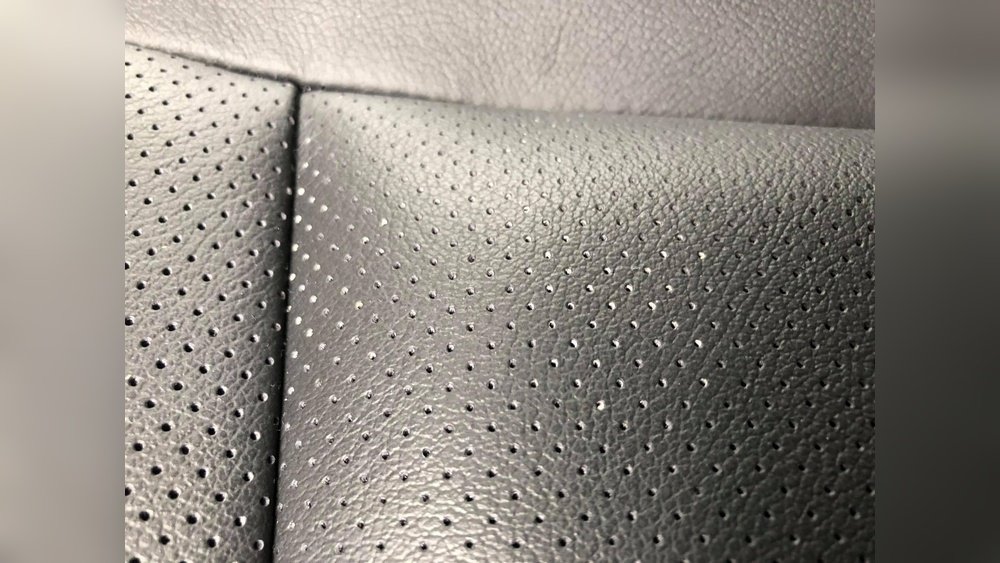
Cleaning perforated leather car seats can feel intimidating. The tiny holes in the leather make these seats look modern and luxurious, but they also collect dust, crumbs, and even liquids. Many car owners worry about damaging the leather or clogging the holes when cleaning.
With the right approach, though, you can keep your seats looking new and extend their life. In this article, you’ll learn safe, step-by-step methods for cleaning perforated leather car seats, what products to use and avoid, and how to protect them from future stains.
Whether your car is fresh from the showroom or has seen years of use, these tips will help you tackle dirt and spills confidently.
Understanding Perforated Leather Car Seats
Perforated leather is not just about style; it’s about comfort. The tiny holes in perforated leather allow air to flow, making seats cooler and less sweaty, especially in hot weather. Many luxury and mid-range cars use this leather for seats, steering wheels, and even door panels.
But these holes have a downside. They are easy traps for dust, dirt, liquids, and even oils from your skin. Regular leather is easier to clean because you can wipe it down. With perforated leather, careless cleaning can push dirt or liquid deeper into the holes.
That’s why knowing the right cleaning methods is vital.
Common Problems With Perforated Leather
- Clogged holes: Dirt, crumbs, or spilled drinks can block the tiny holes, reducing breathability.
- Stains and discoloration: Liquids can seep inside, causing stains that are hard to remove.
- Odors: Sweat and spills trapped in the holes can create bad smells.
- Cracking and fading: Harsh cleaning products or lack of conditioning can dry out the leather, leading to cracks or color loss.
Why Special Care Is Needed
Perforated leather is usually thinner and more delicate than standard leather. It’s also often used in seats with ventilation or heating features, which can be damaged by excess moisture. Using the wrong products or too much water can lead to mold, electrical issues, or even permanent damage.
Following safe cleaning steps keeps your seats looking good and functioning well.
Choosing The Right Cleaning Products
Not all cleaners are safe for perforated leather. Using strong chemicals or the wrong tools can ruin your seats. Here’s how to pick the right products for cleaning.
Safe Cleaners For Perforated Leather
Look for products labeled as leather-safe or gentle leather cleaner. These are usually pH-balanced and contain no harsh solvents. Avoid products meant for vinyl, fabric, or household use, as they can strip the leather’s natural oils.
You may also use mild soap and water, but only in small amounts. Some brands offer sprays or foams made for perforated leather, which are less likely to soak into the holes.
Tools To Use
- Soft microfiber cloths: These are gentle and trap dirt without scratching the leather.
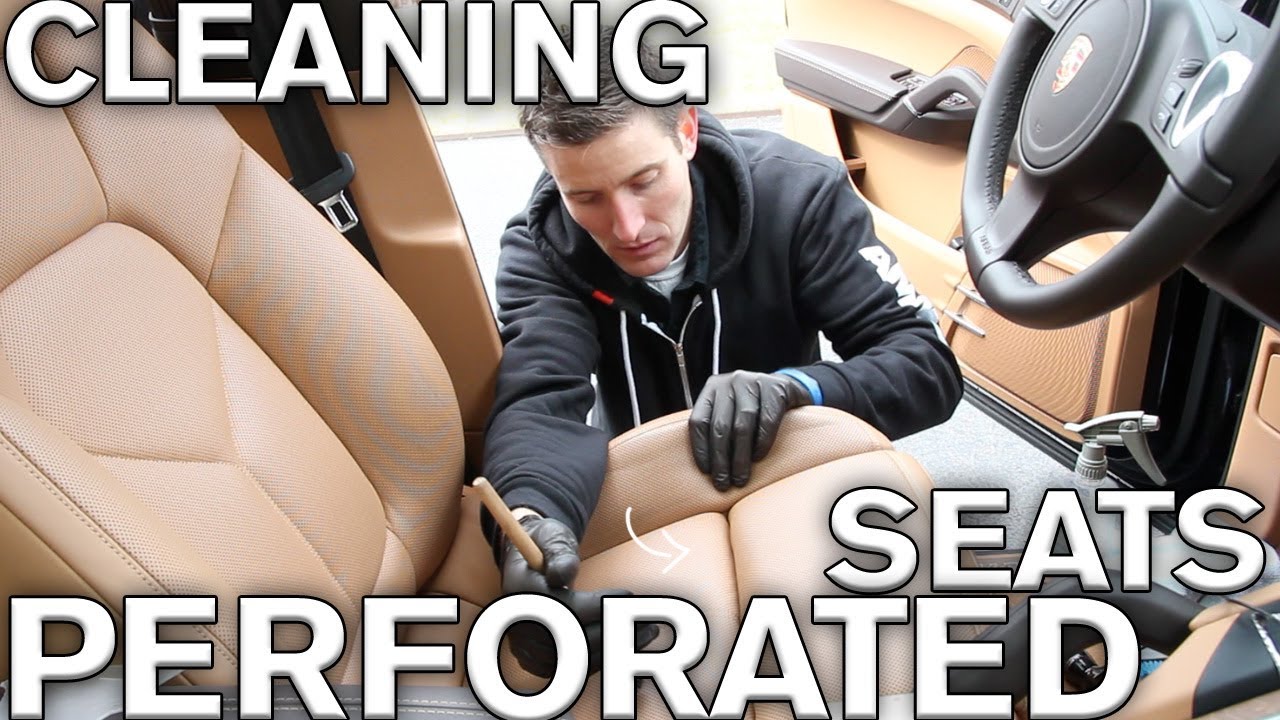
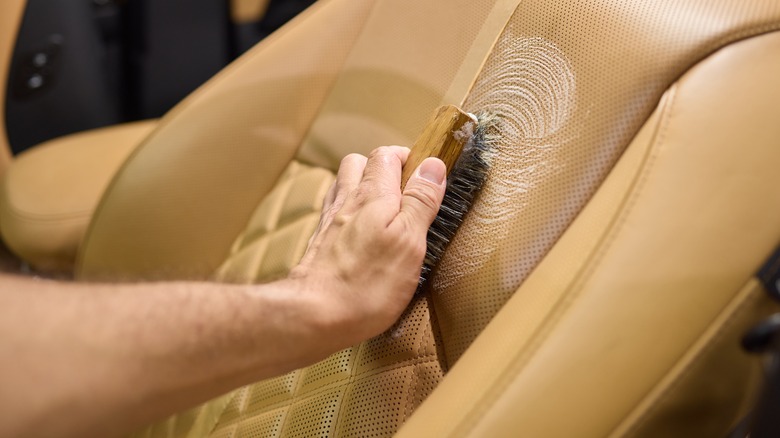
- Soft-bristle brush: Helps remove dirt from the holes without damaging the surface.
- Vacuum with brush attachment: Useful for sucking out loose debris from the perforations.
- Cotton swabs: Good for spot cleaning in hard-to-reach areas.
Products To Avoid
- Alcohol-based cleaners: Dry out leather and cause fading.
- Bleach or ammonia: Harsh chemicals that damage leather fibers.
- Steam cleaners: Too much moisture can cause mold or electrical issues.
- Excess water: Water can seep into holes and cause mold or stain.
Comparing Popular Leather Cleaners
Here’s a quick look at three popular leather cleaners and their suitability for perforated leather seats:
| Brand | Type | Safe for Perforated Leather? | Notes |
|---|---|---|---|
| Meguiar’s Gold Class | Spray | Yes | pH-balanced, gentle formula |
| Lexol Leather Cleaner | Liquid | Yes | Non-toxic, avoids residue |
| Armor All Leather Wipes | Wipes | Limited | Can leave residue in holes |

Credit: www.youtube.com
Preparing Your Car Seats For Cleaning
Before you start cleaning, preparation is key. Skipping these steps can make cleaning harder or even damage the leather.
Step 1: Remove Loose Debris
First, use a vacuum with a soft brush attachment. Gently run it over the seat surface and focus on the holes. This removes dust, crumbs, and other particles. Hold the nozzle just above the seat to avoid scratching the leather.
Step 2: Inspect The Seats
Check for stains, sticky spots, or areas where dirt has built up. Look closely at the holes. If you see debris inside, use a soft-bristle brush or cotton swab to loosen it. Never use sharp objects, as they can tear the leather.
Step 3: Protect Surrounding Areas
Cover nearby surfaces, like plastic trim or fabric parts, with towels. This stops cleaning products from getting on areas they aren’t meant for.
Step 4: Test Your Cleaner
Always test your cleaner in a hidden spot. Wait a few minutes to make sure it doesn’t discolor or damage the leather. This is especially important for new seats or cars with unusual leather finishes.
Safe Cleaning Steps For Perforated Leather Car Seats
Cleaning perforated leather is different from cleaning regular leather. You need to be gentle, use the right amount of product, and avoid pushing dirt deeper into the holes.
Step 1: Lightly Apply Cleaner
Spray or dab your leather cleaner onto a microfiber cloth, not directly onto the seat. This prevents excess liquid from getting into the holes. Wipe the seat gently, working in small sections. For heavily soiled areas, you can use a soft-bristle brush in circular motions.
Step 2: Clean The Perforations
To clean the holes, use a dry cotton swab or soft brush. If dirt is stuck, lightly dampen the swab with cleaner, but make sure it’s not dripping wet. Gently twist the swab inside each hole to remove dirt.
If you see liquid pooling in the holes, blot it immediately with a dry microfiber cloth. Never let liquid sit inside the perforations.
Step 3: Remove Excess Moisture
After cleaning, go over the seats with a dry cloth. This absorbs any leftover cleaner or moisture. Pay extra attention to the holes. If you have a small hand-held vacuum, use it to gently pull out moisture from the perforations.
Step 4: Condition The Leather
Leather conditioner keeps seats soft and prevents cracking. Choose a conditioner made for perforated leather, as some thicker creams can clog the holes. Apply a small amount to a cloth, then wipe the seat gently. Avoid the holes as much as possible.
Step 5: Allow To Air Dry
Let your car sit with the doors open for at least 30 minutes. This helps any remaining moisture evaporate and prevents mold or odors.
Credit: www.youtube.com
Dealing With Tough Stains And Spills
Sometimes, stains and spills are unavoidable. Coffee, juice, sweat, and other liquids can seep into the holes and cause problems. Here’s how to handle tough situations.
Removing Liquid Stains
If you spill something on perforated leather, act fast. Blot the area immediately with a dry cloth. Do not rub, as this pushes the liquid deeper. Use a dry cotton swab to soak up liquid from the holes.
For sticky spills, use a lightly dampened cloth with leather cleaner. Work gently and avoid soaking the area.
Handling Oil And Grease
Oil stains are tricky because they seep into leather and often leave a mark. Sprinkle a small amount of baking soda or cornstarch on the stain. Let it sit for 10–15 minutes, then gently brush off. This helps absorb the oil.
Clean the area with a leather-safe cleaner afterward.
Mold And Odor Issues
If you notice a musty smell, it could be mold from trapped moisture. Use a cleaner with mild antibacterial properties (never bleach). Air out the car and, if needed, use a leather-safe odor remover.
Comparing Quick Fixes For Common Stains
Let’s look at some common spills and which cleaning methods work best:
| Stain Type | Best Cleaning Method | Notes |
|---|---|---|
| Coffee/Tea | Blot, then mild cleaner | Act quickly, avoid rubbing |
| Juice/Soda | Dry cloth, then cleaner | Sugar can cause stickiness |
| Grease/Oil | Baking soda, then cleaner | Absorb first, then clean |
| Ink | Leather-safe ink remover | Test in hidden spot |
Preventing Future Damage And Stains
Once your seats are clean, prevention is your best friend. Perforated leather needs extra care to keep it looking good.
Tips For Everyday Protection
- Use seat covers: Custom-fit covers protect leather from spills, stains, and sun.
- Avoid eating or drinking in the car: Reduces risk of crumbs and spills.
- Wipe seats regularly: Use a dry microfiber cloth to remove dust.
- Park in the shade: Sun can fade and dry leather.
- Condition seats every 3–6 months: Keeps leather soft and stops cracks.
- Watch out for sharp objects: Keys, pens, and even zippers can scratch or tear leather.
Common Mistakes To Avoid
- Overusing water or cleaner: Too much liquid can cause mold or electrical problems in ventilated seats.
- Ignoring small stains: They can become permanent if not treated quickly.
- Skipping conditioner: Leather dries out without regular conditioning.
- Using household cleaners: Can strip natural oils and damage leather.
Non-obvious Insight: Avoid Leather Gloss
Many beginners use leather gloss sprays to make seats shine. These products often leave sticky residue inside the holes, attracting more dust and making cleaning harder. Stick to matte conditioners designed for perforated leather.
Non-obvious Insight: Check Ventilation Before Cleaning
If your seats have built-in ventilation or heating, turn off these features and let the seats cool before cleaning. Cleaning hot or active seats can cause moisture to evaporate unevenly, leading to stains or even electrical issues.
Professional Cleaning Vs Diy
Sometimes, professional cleaning is worth the cost, especially for deep stains or older cars. But most routine cleaning can be done safely at home.
When To Call A Professional
- Deep stains you can’t remove
- Mold or strong odors
- Electrical issues in ventilated seats
- Heavy wear or cracks
Professionals use special tools and products that are safer for delicate leather. They can also repair small tears or scratches.
Diy Cleaning Pros And Cons
Pros:
- Saves money
- Lets you control products used
- Quick for regular maintenance
Cons:
- Risk of damaging seats if done incorrectly
- Can miss deep stains
Comparing Professional Vs Diy Cleaning
Here’s how professional cleaning compares to doing it yourself:
| Method | Cost | Effectiveness | Risks |
|---|---|---|---|
| DIY Cleaning | $10–$30 (products) | Good for regular dirt | Possible mistakes, missed stains |
| Professional | $75–$200 (per seat) | Excellent for deep cleaning | None if reputable service |
If your seats are heavily stained or you’re unsure, consider professional cleaning once a year. For routine upkeep, DIY is usually enough.
Extra Tips For Long-lasting Perforated Leather Seats
Maintaining perforated leather is not just about cleaning. Small habits can make a big difference.
- Open windows after cleaning: Helps leather dry fully and prevents mold.
- Rotate seat covers: If you use covers, change them every few months to avoid uneven wear.
- Check for wear spots: Pay attention to areas where you slide in and out of the seat, as these wear faster.
- Avoid leaving wet items: Never place wet towels or clothes on the seats.
- Use leather-safe air fresheners: Some air fresheners can stain leather if they spill or leak.
Credit: www.slashgear.com
Frequently Asked Questions
How Often Should I Clean Perforated Leather Car Seats?
It’s best to clean perforated leather seats every 1–2 months for regular dirt and dust. For spills or stains, clean immediately. Conditioning should be done every 3–6 months.
Can I Use Baby Wipes Or Household Wipes On Perforated Leather?
No. Most wipes contain chemicals or fragrances that can dry out or damage leather. Stick to cleaners made for leather, and avoid wipes with alcohol or bleach.
What Should I Do If Water Gets Inside The Holes?
Blot the area with a dry microfiber cloth and use a cotton swab to absorb moisture from the holes. Let the car air out with doors open. If you smell mold or see stains, seek professional cleaning.
Are Steam Cleaners Safe For Perforated Leather Seats?
Steam cleaners are not safe for perforated leather. The heat and moisture can cause mold, damage ventilation, and weaken the leather. Use gentle, leather-safe products and avoid excess water.
Where Can I Find Reliable Information About Caring For Leather Seats?
A trusted source for car care tips and leather maintenance is the Autoblog Car Care section. They offer expert advice, product reviews, and maintenance guides.
Keeping perforated leather car seats clean doesn’t have to be stressful. With careful cleaning, the right products, and a few smart habits, your seats will stay comfortable and stylish for years. If you take the time to care for your leather, you’ll notice fewer stains, less cracking, and better overall comfort every time you drive.














