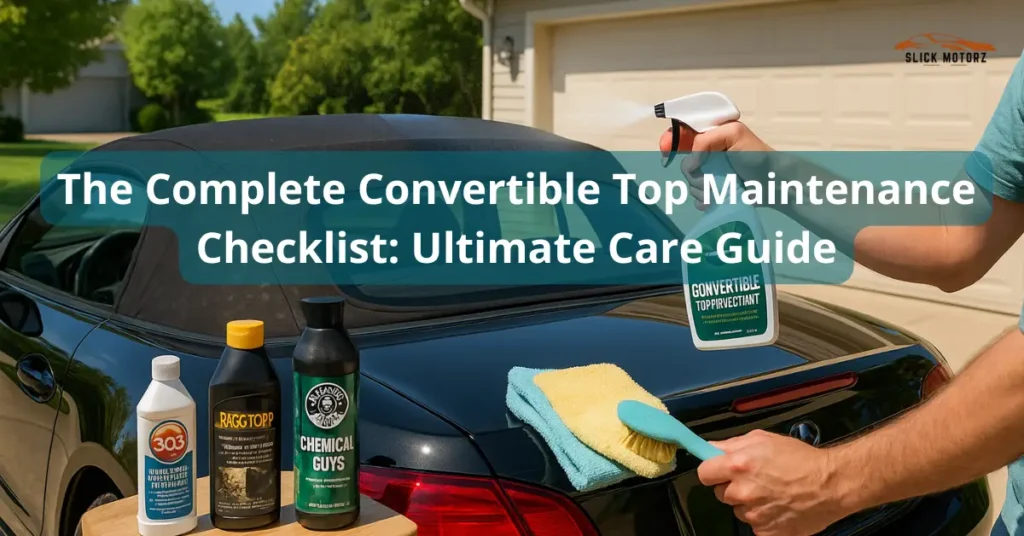
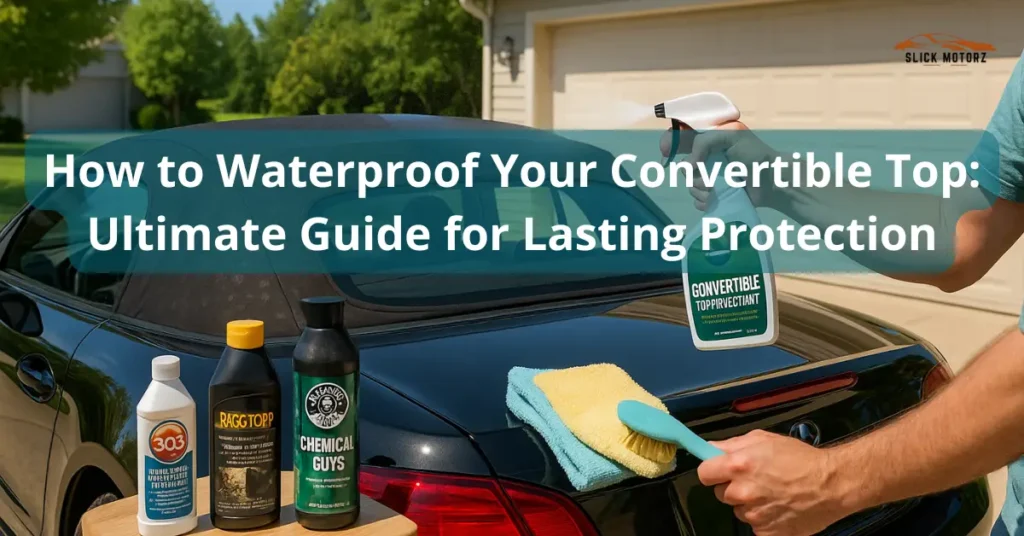
Your convertible top protects you from the elements, but over time, it can start to let water in. Imagine driving through a sudden rainstorm only to find your interior damp and uncomfortable.
You don’t want that. Waterproofing your convertible top is the key to keeping your ride dry, comfortable, and looking great no matter the weather. In this guide, you’ll discover simple, effective steps to waterproof your convertible top yourself—saving you money and hassle.
Ready to protect your investment and enjoy every drive, rain or shine? Let’s dive in.
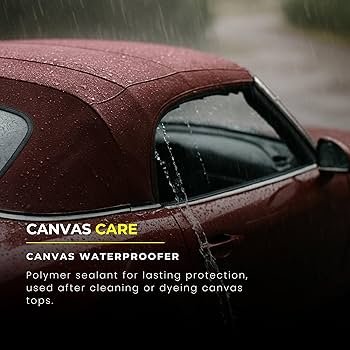
Credit: www.amazon.com
Materials Needed
Gathering the right materials makes waterproofing your convertible top easier. Using proper supplies ensures better protection and longer-lasting results. Prepare everything before starting to save time and avoid interruptions.
Cleaning Supplies
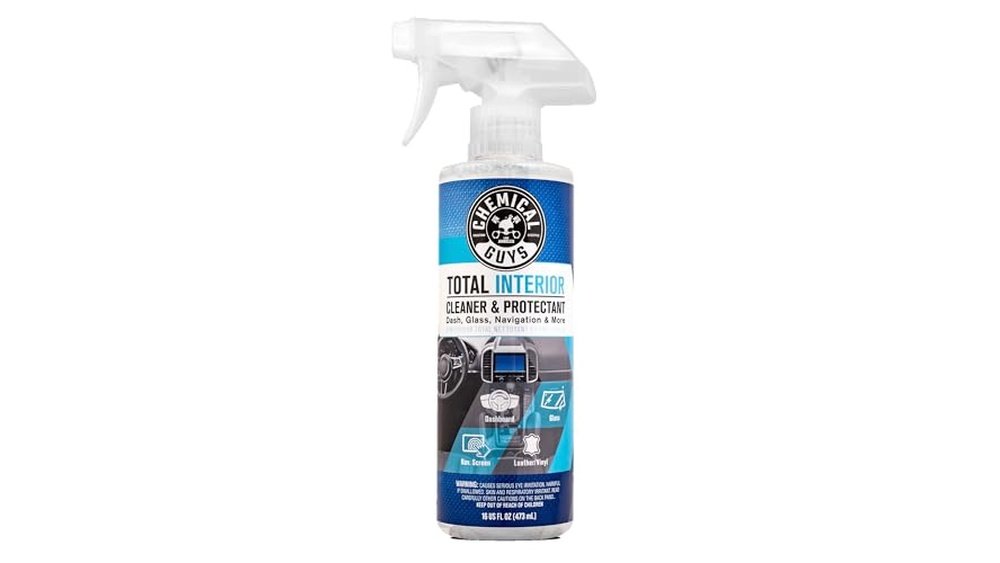
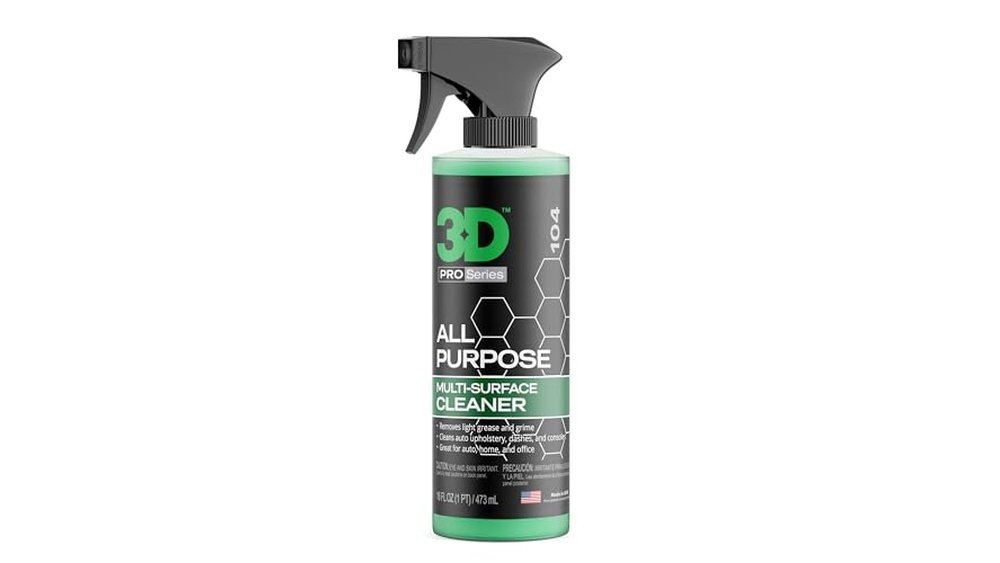
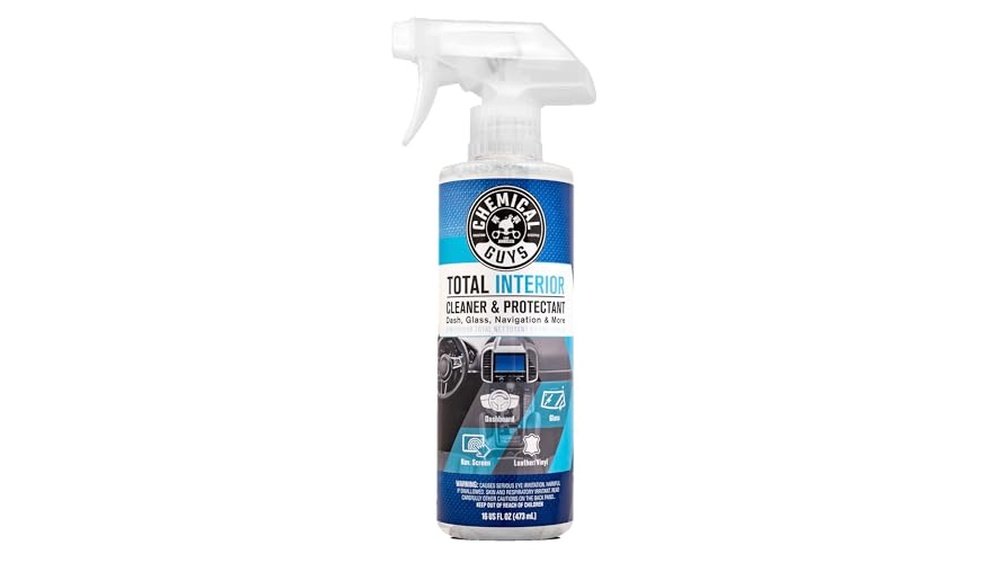
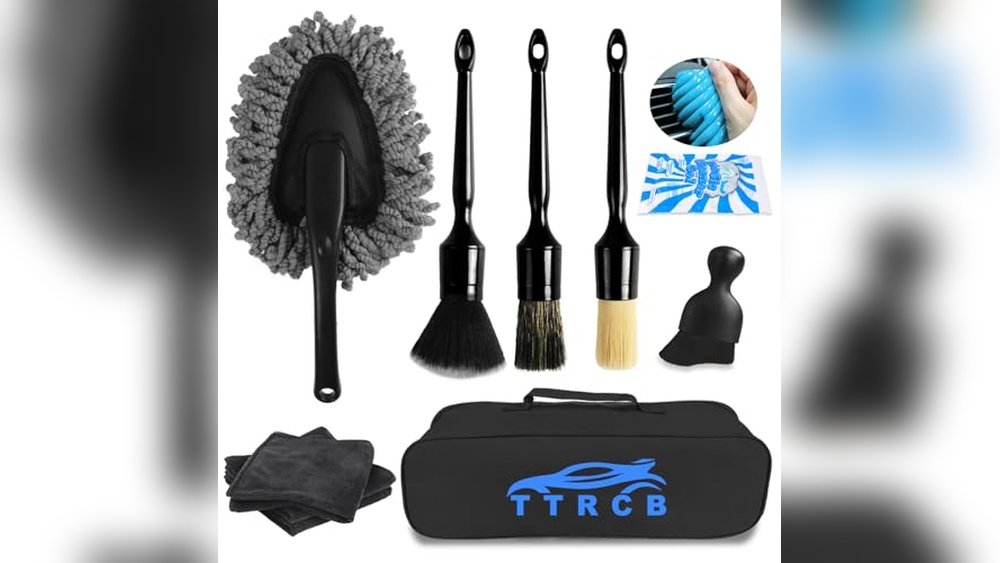
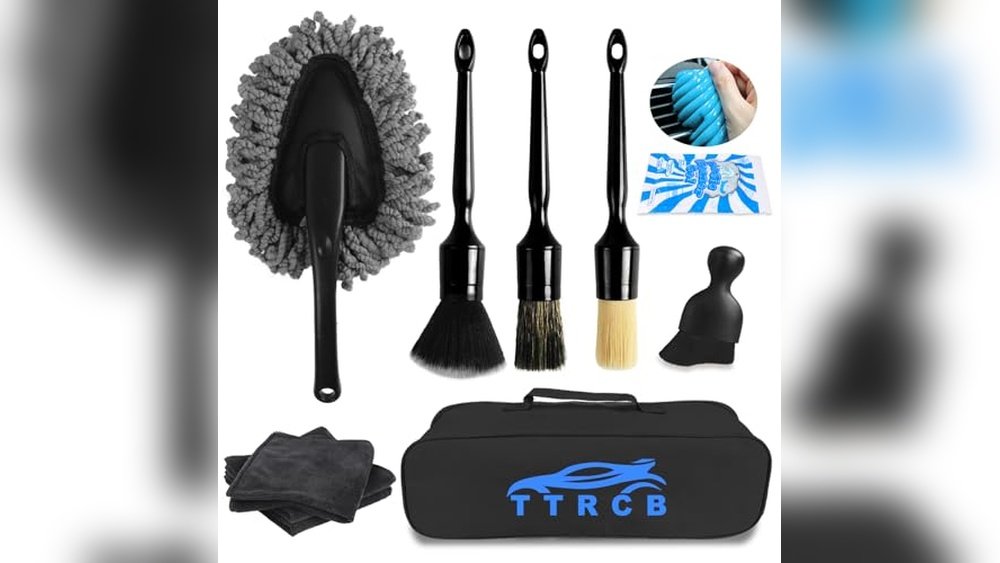
Start with gentle cleaners made for convertible tops. Use a soft brush or sponge to avoid damage. Microfiber cloths help remove dirt without scratching. A bucket of warm water is necessary for rinsing. Avoid harsh chemicals that can harm the fabric or vinyl.
Waterproofing Products
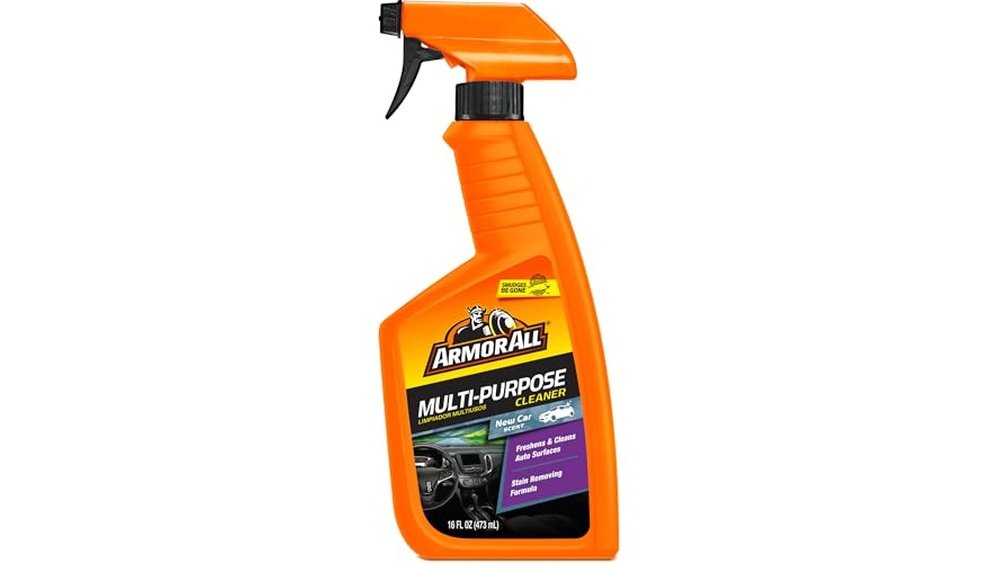
Choose a waterproofing spray or liquid designed for convertible tops. Products with UV protection add extra defense against sun damage. Check if the product suits fabric or vinyl materials. Some options include silicone-based or acrylic-based waterproofers. Select one with good reviews and clear instructions.
Application Tools
A clean sponge or foam applicator works well for spreading waterproofing evenly. Use a spray bottle for misting large areas quickly. Gloves protect your hands from chemicals. A ladder or step stool can help reach high spots safely. Keep a dry microfiber cloth handy to wipe off excess product.
Preparing The Top
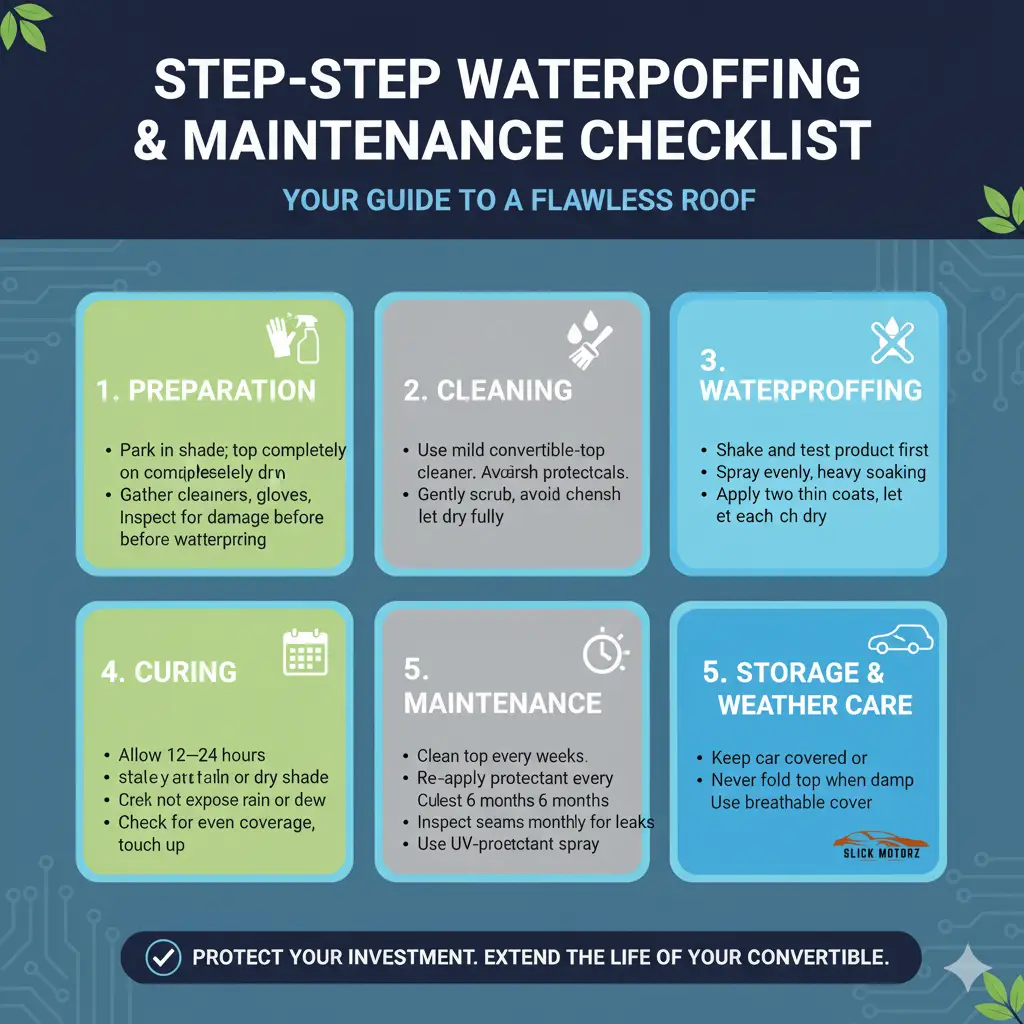
Preparing your convertible top is the first step to effective waterproofing. The surface needs to be clean and dry. Dirt, debris, and damage can stop waterproof products from working well. Taking time to prepare the top helps protect it longer.
Drying The Surface
Make sure the convertible top is completely dry before starting. Use a dry cloth to wipe off any water drops. Avoid working under direct sunlight to prevent quick drying that can leave spots. Let it air dry if needed, especially after rain or washing.
Removing Dirt And Debris
Remove all dirt and debris gently with a soft brush or vacuum. Pay attention to seams and folds where dirt hides. Use a mild cleaner made for convertible tops if the surface is very dirty. Rinse well and dry again to avoid residue.
Inspecting For Damage
Look closely for tears, holes, or worn spots on the fabric or vinyl. Small cracks or loose stitching can let water in and reduce protection. Fix any damage with a patch or professional repair before waterproofing. A strong top keeps water out better.
Cleaning Techniques
Proper cleaning keeps your convertible top looking fresh and ready for waterproofing. Dirt and grime can trap moisture, causing damage over time. Use gentle cleaning methods to protect the fabric and extend its life.
Using Fabric Cleaner
Choose a cleaner made for convertible tops or outdoor fabrics. Spray it evenly over the surface. Use a soft brush to loosen dirt gently. Avoid harsh chemicals that can break down the material. Cleaning regularly prevents stains and buildup.
Avoiding Abrasive Tools
Do not use rough brushes or scrubbers. They can damage the fabric fibers and cause leaks. Soft-bristle brushes or sponges work best. Be gentle when scrubbing to keep the fabric intact. Protecting the top means treating it with care.
Rinsing And Drying
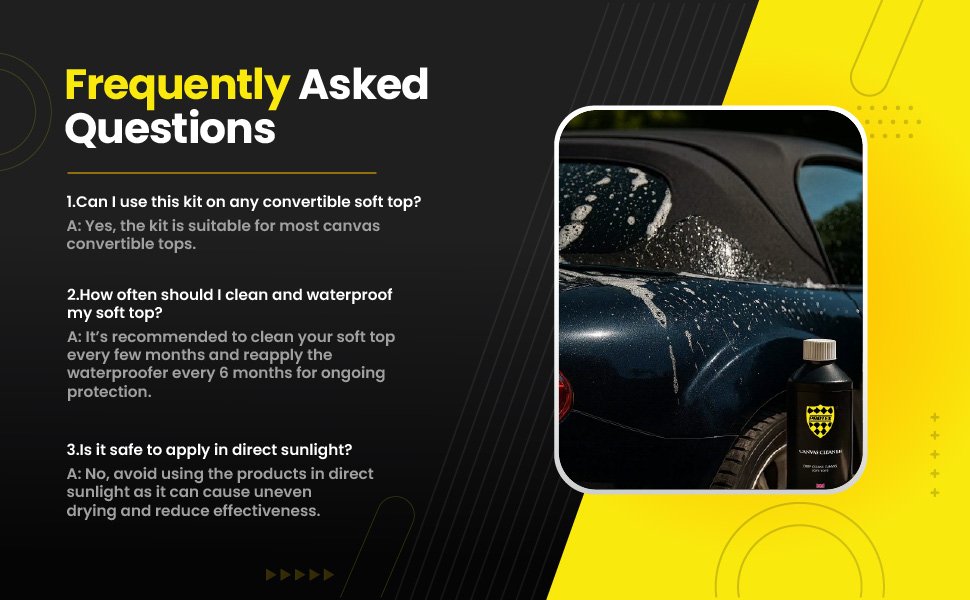
Rinse the top thoroughly with clean water to remove all soap. Leftover cleaner may attract dirt or cause spotting. Use a gentle flow of water to avoid damage. Let the top dry fully before applying any waterproofing product. Drying in shade prevents fading and mildew.
Credit: www.amazon.com
Choosing Waterproofing Products
Choosing the right waterproofing product is key to protecting your convertible top. The material and condition of your top affect which product works best. Some products suit fabric tops, while others work well on vinyl or leather. Understanding the options helps you pick a product that keeps water out and lasts longer.
Fabric Protectants
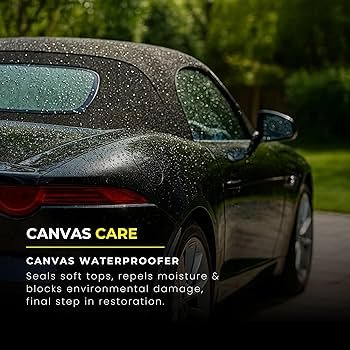
Fabric protectants create a barrier on cloth convertible tops. They repel water and block stains. These products soak into the fabric without changing its look or feel. Application is simple with a spray or brush. Reapply every few months to maintain protection. Fabric protectants keep your top dry during rain and are easy to clean.
Silicone-based Sprays
Silicone-based sprays form a strong, flexible waterproof layer. They work well on vinyl and rubber tops. The spray dries fast and resists cracking or peeling. Silicone sprays also protect against UV rays and dirt. Use a clean cloth to spread the spray evenly. These sprays extend the life of your convertible top by keeping it sealed.
Pfas-free Options
PFAS-free waterproofing products avoid harmful chemicals. They are safer for the environment and your health. Many PFAS-free options use natural oils or waxes. These products still offer good water resistance and durability. Choose PFAS-free if you want eco-friendly care. They protect your top without toxic buildup or pollution.
Applying Waterproofing
Applying waterproofing to your convertible top is a key step in protecting it from rain and moisture. This process helps keep the fabric dry and extends the life of your top. Proper application ensures the waterproofing product works effectively and evenly across the surface.
Take your time and follow the right methods to get the best results. Use the tools and techniques that suit your convertible top material. This will help create a strong barrier against water and prevent leaks.
Even Application Methods
Apply waterproofing in smooth, even strokes. Avoid soaking one area too much. Spread the product gently across the entire surface. This prevents patches of wet or dry spots. Use steady pressure to cover the fabric uniformly. A consistent layer gives better protection.
Using Brushes And Cloths
Choose soft brushes or clean cloths for applying the product. Brushes help work the waterproofing into the fabric fibers. Cloths are good for spreading and wiping off excess. Both tools allow you to control the amount applied. Always use clean tools to avoid dirt buildup.
Multiple Coats For Protection
Apply several thin coats rather than one thick coat. Let each coat dry completely before applying the next. Multiple layers build a stronger waterproof barrier. This improves durability and keeps water out longer. Follow the product’s instructions for drying times.
Drying And Curing
Drying and curing are key steps after applying a waterproofing treatment to your convertible top. This phase ensures the protective layer bonds well with the fabric or vinyl. Proper drying and curing help maintain the waterproof barrier for a long time. Skipping or rushing this step can reduce the effectiveness of the treatment.
Optimal Drying Conditions
Choose a dry, shaded spot to dry your convertible top. Direct sunlight can cause uneven curing and damage the fabric. The ideal temperature is between 60°F and 80°F (15°C to 27°C). Good air circulation speeds up the drying process. Avoid humid places as moisture slows down curing.
Avoiding Early Exposure
Keep the convertible top closed and dry during the drying period. Do not expose it to rain or dew, which can wash away the waterproof coating. Avoid folding or touching the top until it fully cures. Early exposure weakens the protective layer and lets water seep through.
Timeframe For Full Protection
Most waterproofing products need 12 to 24 hours to dry properly. Full curing may take up to 48 hours. Check the product instructions for exact times. Patience is vital for a strong and lasting waterproof barrier. After curing, your convertible top will resist water and stains better.
Maintenance Tips
Proper maintenance keeps your convertible top waterproof and looking new. Small efforts made regularly protect it from damage. Follow these tips to extend the life of your convertible top. Avoid water leaks and fabric wear by caring for it right.
Regular Cleaning Schedule
Clean your convertible top every two weeks or after heavy use. Use gentle cleaners made for fabric or vinyl tops. Avoid harsh chemicals that can damage the waterproof coating. Rinse well to remove dirt and soap residue. Dry the top completely before folding it down or applying any products.
Reapplying Waterproofing
Waterproofing wears off over time. Reapply a waterproof spray every three to six months. Choose sprays designed for convertible tops to protect the fabric and seams. Apply the product evenly on a dry surface. Let it dry fully before driving or folding the top.
Handling Weather Exposure
Park your car in a shaded or covered area whenever possible. Avoid long exposure to direct sunlight to prevent fading and cracking. During heavy rain or snow, keep the top up and dry it as soon as possible. Use a car cover in harsh weather to add extra protection.
Common Issues
Convertible tops face many challenges from daily use and weather. These common issues can reduce the lifespan of your top and cause leaks. Knowing these problems helps in taking proper care and waterproofing your convertible top effectively.
Leaks And Seams
Leaks often start at the seams where the fabric joins. Water can seep through small gaps or worn stitching. Seams may weaken over time due to stress and exposure. Proper sealing and regular checks prevent water from entering your car’s interior.
Tears And Repairs
Tears happen from sharp objects, tree branches, or rough handling. Small tears can grow bigger if ignored. Repairing tears quickly stops water damage and keeps the top strong. Patch kits or professional repairs are common solutions.
Fading And Uv Damage
Sunlight causes fading and weakens fabric fibers. UV rays dry out the material, making it brittle and prone to cracking. Using UV protectants and parking in shaded areas helps maintain the top’s color and durability. Protecting your convertible top preserves its look and function.
Additional Protection
Protecting your convertible top goes beyond just waterproofing. Extra care keeps the fabric strong and looking new. This section covers ways to add more defense to your convertible top. Follow these tips to extend the life of your roof and keep it safe from damage.
Uv Protection Products
Sunlight can fade and weaken your convertible top. Use UV protection sprays designed for fabric tops. These products block harmful rays and prevent color loss. Apply them regularly to maintain the material’s strength. A good UV protector also helps stop cracking and dryness.
Storage Recommendations
Store your convertible in a dry, shaded place. Avoid long exposure to direct sunlight or damp areas. Use a garage or covered parking whenever possible. If storing for a long time, keep the top clean and dry first. Proper storage limits damage from weather and pests.
Covering Your Convertible
Use a breathable car cover made for convertibles. Covers protect against rain, dust, and dirt buildup. Choose one that fits well to avoid scratches and moisture traps. Remove the cover regularly to let the top air out. This helps prevent mold and mildew growth.
Credit: www.amazon.com
Frequently Asked Questions
How To Waterproof A Convertible Roof?
Clean and dry the convertible roof thoroughly. Apply a waterproof fabric protectant evenly with a microfiber cloth. Let it dry completely before use. Repeat every six months for best results.
How Do I Seal My Convertible Top?
Ensure the convertible top is clean and dry. Apply a waterproof protectant evenly with a microfiber cloth. Let it dry fully to seal.
Should I Scotchgard My Convertible Top?
Avoid using Scotchgard on convertible tops; it may damage the fabric or reduce breathability. Use products designed for convertible roofs instead. Regularly clean and apply a specialized waterproof protectant to maintain durability and water resistance. This ensures longer life and better protection against weather elements.
How Often Should You Waterproof A Convertible Top?
Waterproof your convertible top every 6 to 12 months for optimal protection. Clean and dry the top before applying sealant. Regular maintenance prevents leaks and fabric damage.
Conclusion
Waterproofing your convertible top protects it from rain and sun damage. Regular cleaning and applying a quality waterproofing product keep the fabric strong. Always ensure the top is dry before treatment. Avoid harsh chemicals that can wear down the material.
Check your convertible top often for tears or worn spots. Simple care extends its life and keeps your car looking great. A well-maintained top means fewer leaks and less repair cost. Take these steps to enjoy your convertible in any weather.