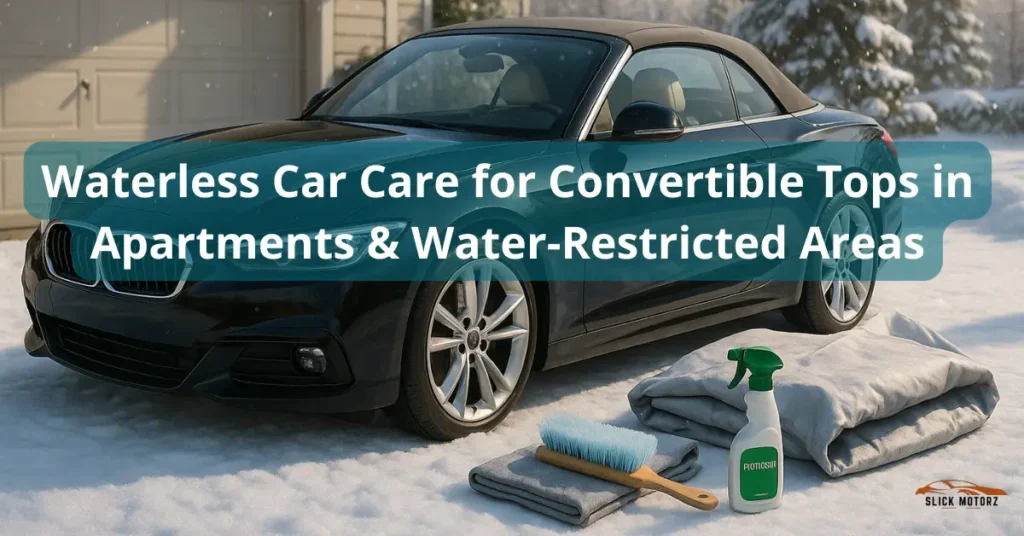
Your convertible top is more than just a stylish feature—it’s a key part of your car’s protection. But winter’s cold, snow, and ice can take a serious toll if you’re not careful.
You might wonder, how can you keep your convertible top in great shape through those harsh months? The good news is, with the right care and simple steps, you can prevent damage, avoid costly repairs, and enjoy your convertible for years to come.
Keep reading to discover easy, practical winter maintenance tips that will shield your convertible top from winter’s worst and keep it looking fresh come spring. Your convertible deserves this kind of care—let’s make sure it gets it!

Credit: www.endurancewarranty.com
Preparing The Convertible Top
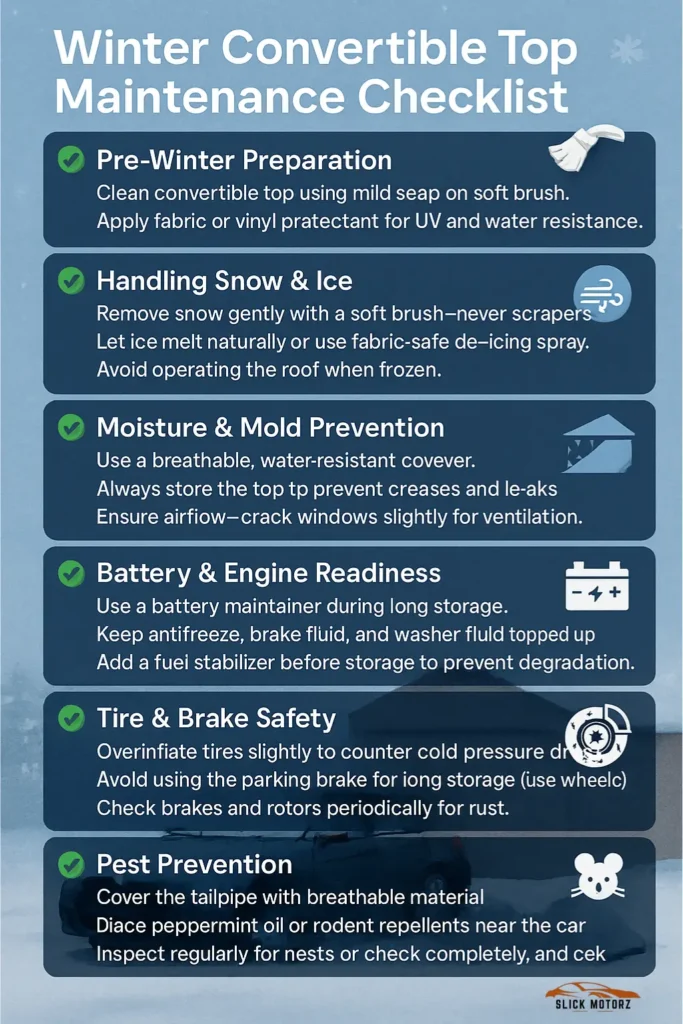
Preparing your convertible top for winter is vital to keep it in good shape. Cold weather and moisture can cause damage over time. Proper care extends the life of the top and maintains its appearance. Follow these simple steps before winter hits.
Cleaning Techniques
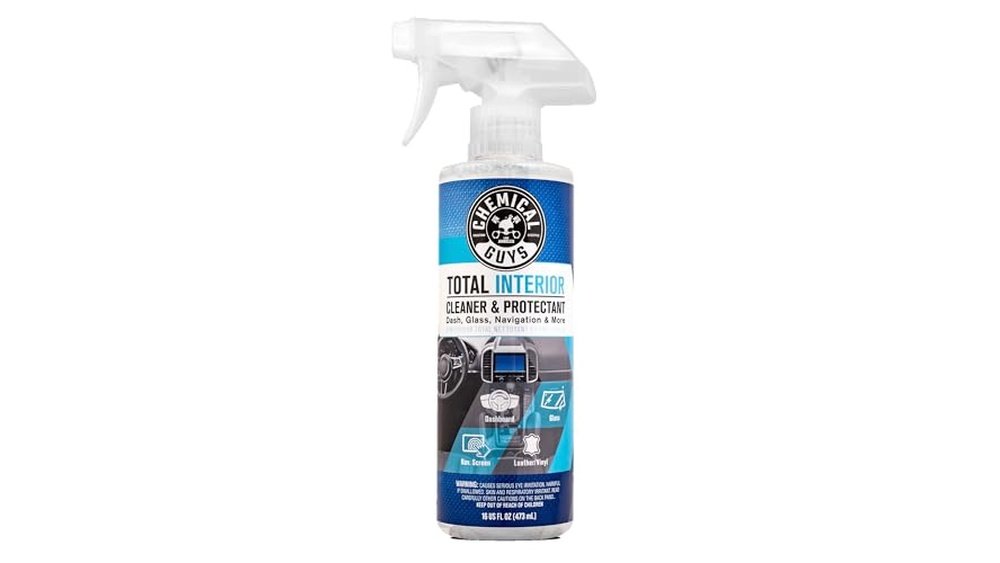
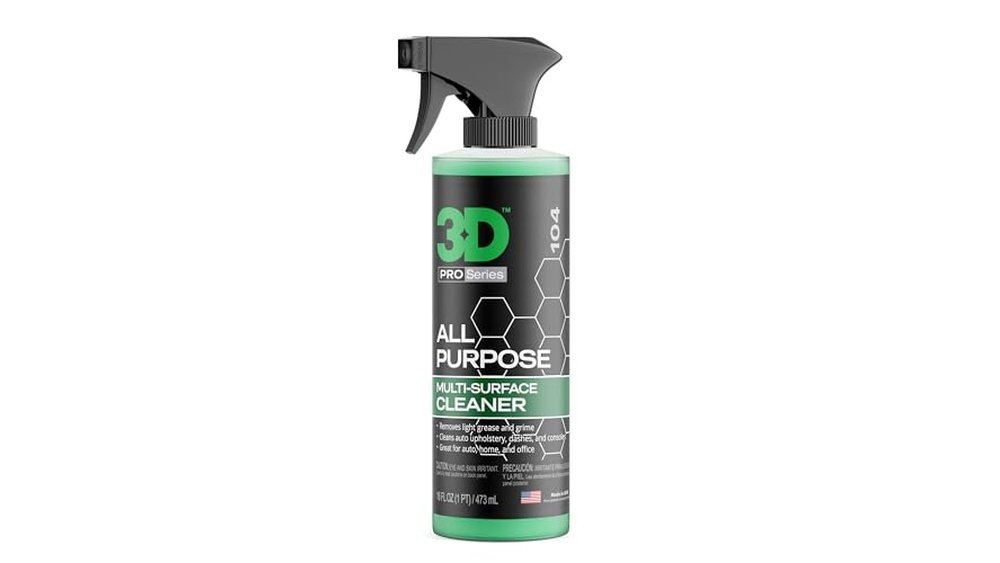
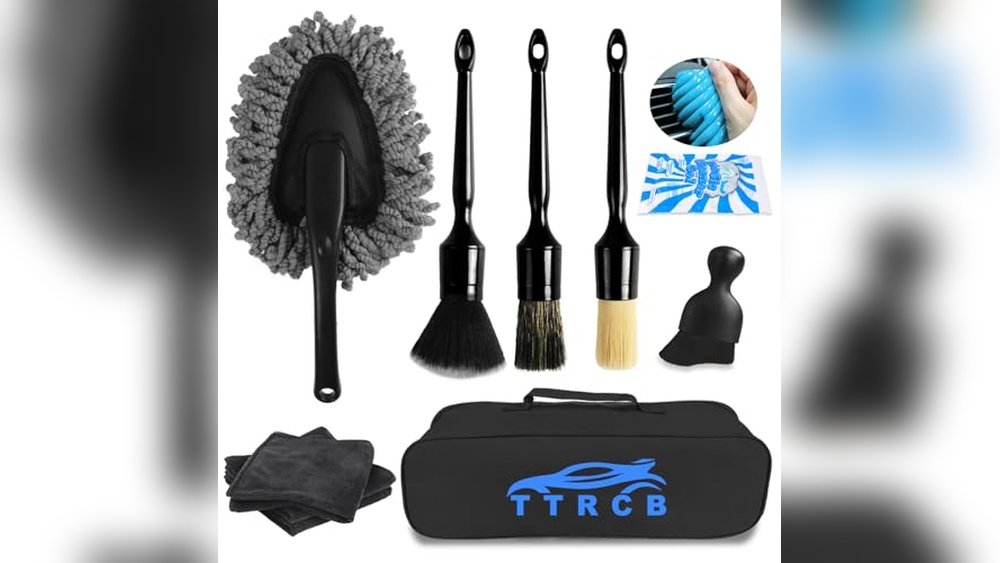
Start by removing dirt and debris from the top surface. Use a soft brush or sponge with mild soap and water. Avoid harsh chemicals that can damage the material. Rinse thoroughly to remove all soap. Let it dry completely before moving to the next step.
Applying Protectants
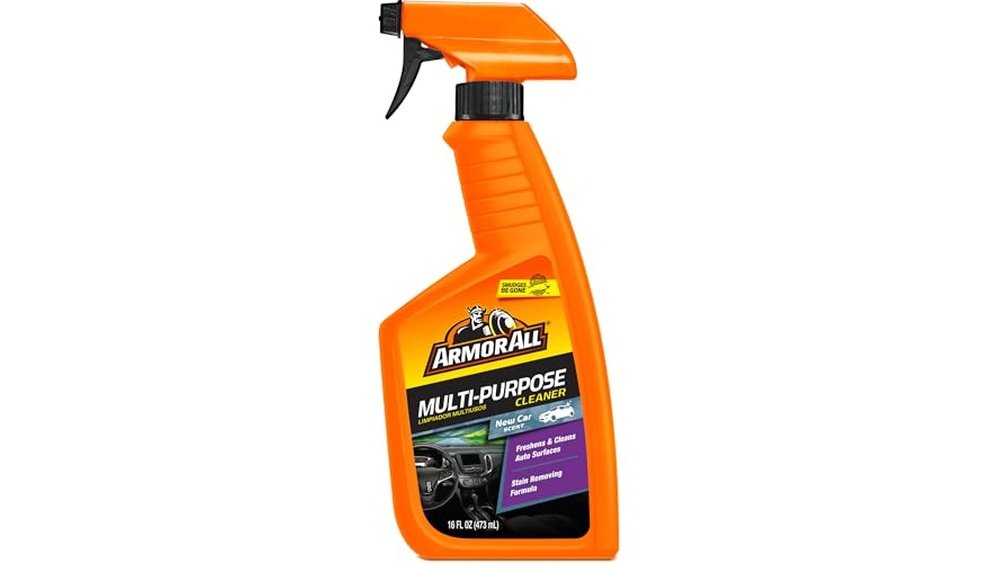
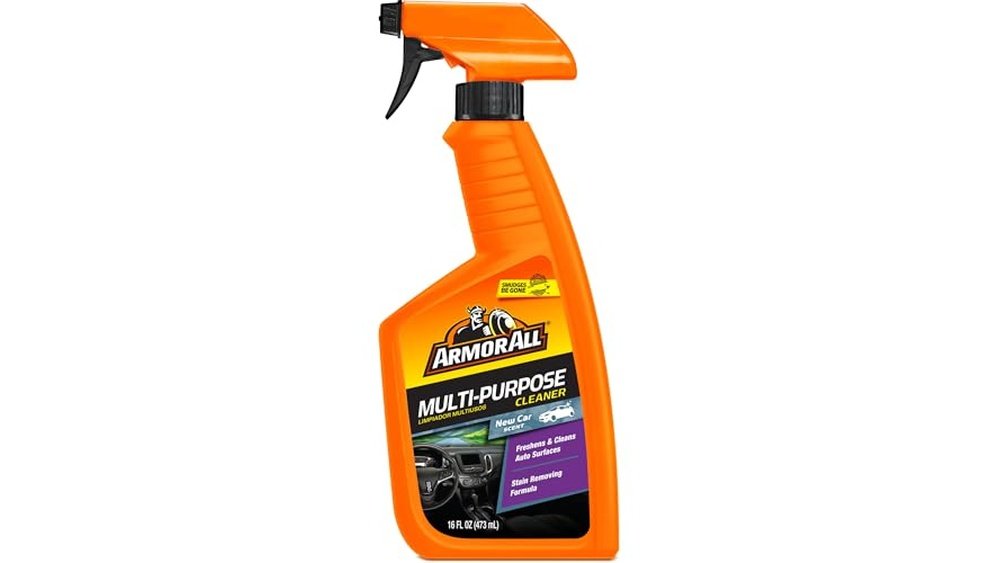
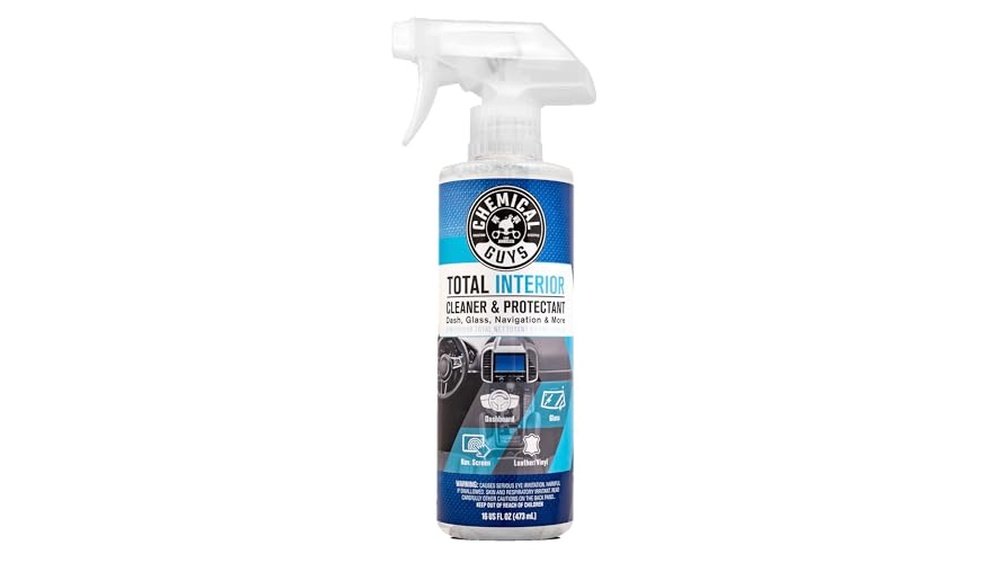
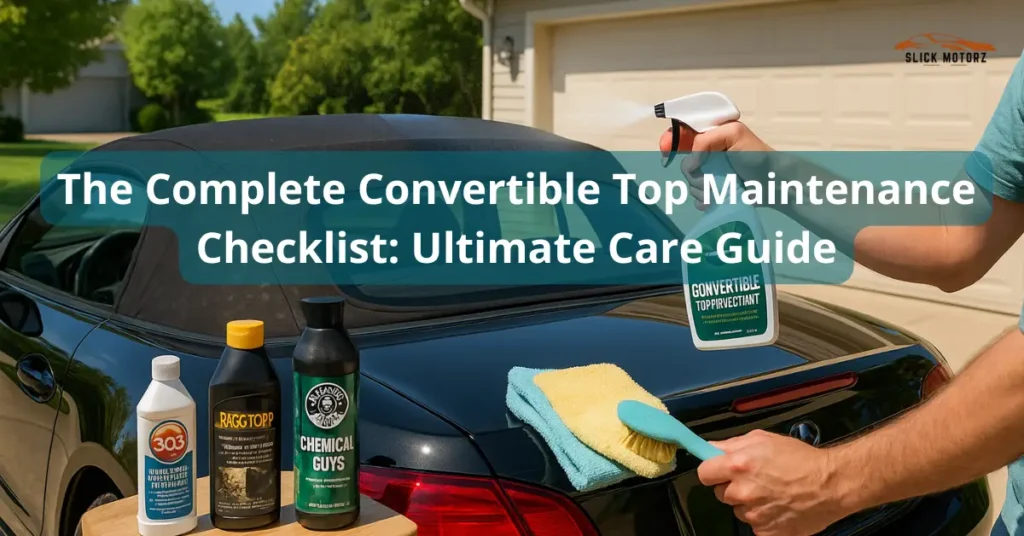
Use protectants made for convertible tops to guard against water and UV rays. Spray evenly over the entire surface. These protectants help prevent cracking and fading. Let the product soak in and dry fully. This step keeps the top flexible and strong during winter.
Inspecting For Damage
Check the top carefully for tears, holes, or loose seams. Small damage can get worse in cold weather. Repair any issues before winter sets in. Look under the top for mold or mildew. Fix problems early to avoid costly repairs later.
Handling Snow And Ice
Snow and ice can damage convertible tops during winter. Proper care keeps your convertible safe and extends roof life. Follow these simple tips for handling snow and ice on your soft top.
Safe Removal Methods
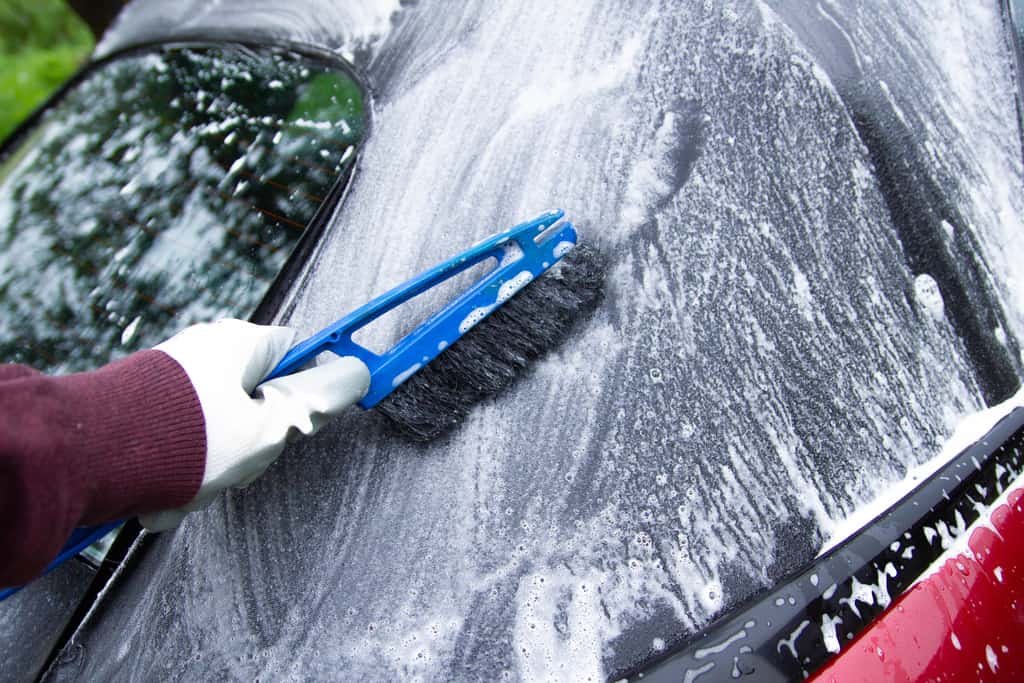
Use a soft brush or broom to gently remove snow. Avoid scraping with hard tools or sharp objects. Clear snow carefully to prevent tears or scratches on the fabric. Remove ice by letting it melt naturally or using de-icing spray made for fabrics.
Avoiding Roof Operation In Cold
Do not open or close the convertible roof when it is frozen or very cold. The material becomes stiff and can crack or break. Wait until the temperature rises and the top is dry before operating the roof. This prevents damage to the mechanical parts and fabric.
Preventing Ice Buildup
Cover your convertible with a breathable, water-resistant cover. It stops snow from sticking directly to the roof. Park the car in a garage or sheltered area if possible. Use a fabric protectant spray to make the top repel water and ice. This reduces ice formation and keeps the top flexible.
Protecting Against Moisture
Moisture is the biggest enemy of convertible tops during winter. It can cause mold, mildew, and fabric damage. Taking steps to protect your convertible top from moisture helps keep it in good shape for spring. Proper care reduces the risk of leaks and unpleasant odors. Focus on preventing water buildup and allowing the top to dry well.
Choosing A Breathable Cover
Select a cover that lets air pass through. Breathable covers prevent moisture from getting trapped underneath. This stops mold and mildew growth. Avoid plastic or vinyl covers that can hold condensation. Look for covers made from soft, woven fabrics. They protect your top while allowing moisture to escape.
Indoor Vs Outdoor Storage
Indoor storage is the safest option to avoid moisture damage. A garage or covered area keeps your convertible dry and shielded from rain or snow. Outdoor storage is exposed to the top to harsh weather and moisture buildup. If outdoor storage is necessary, use a breathable cover and park in a spot with good drainage. Raise the convertible top fully to prevent water pooling.
Ventilation Tips
Good airflow is key to keeping moisture away. Open windows slightly or use vents to let air circulate inside the vehicle. Avoid sealing the car completely, as trapped moisture can harm the top and interior. Remove damp items from the car before storage. Allow the convertible top to dry fully after any rain or snow before covering or storing.
Battery And Mechanical Care
Proper battery and mechanical care extend the life of your convertible during winter. Cold weather affects battery performance and fluid efficiency. Taking time to maintain these parts prevents costly repairs. Winter readiness keeps your convertible reliable and safe for spring driving.
Maintaining Battery Charge
Cold temperatures reduce battery power. Check your battery’s voltage regularly. Use a battery maintainer or trickle charger if you store the car for a long time. Disconnect the battery if you do not drive often. Clean battery terminals to ensure good contact. A fully charged battery starts your convertible easily.
Fluid Level Checks
Check all fluid levels before winter storage. Antifreeze protects the engine from freezing. Brake fluid must be full and clean for safety. Windshield washer fluid should be winter-grade to avoid freezing. Change engine oil and filter to remove contaminants. Proper fluid levels keep mechanical parts working well.
Fuel Stabilization
Fill your gas tank to prevent moisture build-up. Add a fuel stabilizer to keep fuel fresh. Run the engine briefly to circulate the stabilizer. This prevents fuel breakdown and engine issues. Stabilized fuel helps start the car smoothly after winter. Proper fuel care protects your convertible’s engine.
Tire And Brake Maintenance
Proper tire and brake maintenance is essential for convertible owners during winter. Cold temperatures and road salt can affect tire pressure and brake function. Regular checks help maintain safety and performance. Taking simple steps protects your vehicle and ensures smooth driving in colder months.
Overinflation Benefits
Cold air causes tire pressure to drop. Slightly overinflating tires helps keep pressure stable. This prevents underinflated tires that wear faster and reduce fuel efficiency. Check tire pressure often. Adjust it based on the manufacturer’s recommendations for winter driving.
Using Wheel Chocks
Wheel chocks stop your car from rolling on icy or uneven surfaces. Place them behind tires when parked on slopes. This adds extra safety, especially if you avoid using the parking brake. Wheel chocks are small, easy tools that protect your convertible during winter storage.
Avoiding Parking Brake Issues
Parking brakes can freeze or stick in cold weather. Avoid using the parking brake for long-term parking. Use wheel chocks instead. If you must use the brake, release it periodically to prevent rust and freezing. This keeps brake parts working properly when you need them most.
Credit: avalonking.com
Pest Prevention Strategies
Pests can cause serious damage to your convertible top during winter. Small animals like rodents seek shelter and warmth in your car. Their nesting and chewing habits can ruin the fabric and wiring. Using pest prevention strategies helps protect your investment. These simple steps reduce the risk of infestations and keep your car safe all season.
Tailpipe Covers
Rodents often enter vehicles through the tailpipe. Covering the tailpipe blocks their entry point. Use a breathable material or a purpose-made tailpipe cover. Avoid airtight covers to prevent moisture buildup inside the exhaust. Check the cover regularly and remove it before driving. This small step can stop unwanted guests from nesting under your car.
Rodent Repellents
Rodent repellents deter pests with smells or tastes they dislike. Use natural options like peppermint oil or commercial sprays made for vehicles. Place cotton balls soaked in peppermint oil near the convertible top and engine bay. Replace them every few weeks. Avoid sprays that may damage paint or rubber. These repellents create an uncomfortable environment for rodents.
Regular Inspections
Frequent inspections help catch pest problems early. Check under the hood, inside the convertible top folds, and in the trunk. Look for signs like droppings, nests, or chew marks. Inspect wiring and hoses for damage. Early detection allows quick action before costly repairs. Make inspections part of your winter car care routine.
Winter Driving Tips
Driving a convertible in winter needs special care. Cold weather can affect the roof and your car’s performance. Following simple tips helps protect your convertible top and keeps you safe on icy roads.
Pay close attention to how and when you operate the roof. Cold temperatures can make the material stiff and fragile. Proper care prevents damage and extends your convertible’s life.
When To Operate The Roof
Only operate the roof when the temperature is above freezing. Cold weather can cause the roof to crack or tear if it is moved while frozen. Wait for the car to warm up before opening or closing the top. Avoid using the roof in snow or heavy rain to prevent water damage inside.
Driving In Cold Weather
Drive slowly on icy or snowy roads to avoid sudden movements. Sharp turns or fast stops can stress the convertible top and its frame. Keep your windows slightly cracked to reduce moisture build-up inside. Use winter tires for better traction and control in slippery conditions.
Post-drive Care
After driving, clear snow and ice gently from the roof with a soft brush. Do not use sharp tools that can scratch or puncture the material. Let the top dry completely before closing it to avoid mold and mildew. Check seals for cracks or leaks and repair them quickly to keep your interior dry.
Credit: www.hendrickcars.com
Frequently Asked Questions
How To Care For A Soft Top Convertible In Winter?
Clean and wax the soft top before winter. Use water-repellent and UV-protectant sprays. Store the car indoors with the top up. Remove snow gently with a soft brush. Avoid operating the roof in cold, wet weather. Keep the battery charged and use a breathable cover.
How Do I Protect My Convertible Top In The Winter?
Clean and treat your convertible top with water-repellent and UV-protectant sprays. Store the car indoors with the top up. Use a breathable cover to prevent moisture buildup. Remove snow gently with a soft brush. Avoid operating the roof in cold, wet conditions.
Keep the battery charged.
How To Winterize A Convertible Car?
To winterize a convertible, wash and wax it, then store it indoors with the top up. Change oil, fill gas tank with stabilizer, and check fluids. Treat the soft top with protectants. Use a breathable car cover, overinflate tires slightly, disconnect or maintain the battery, and protect against pests.
Are Convertibles Ok For Winter?
Convertibles can be used in winter with proper care. Use a water-resistant cover, avoid operating the roof in cold weather, and keep the battery charged. Storing indoors and regular maintenance protect the soft top from snow, ice, and cold damage.
Conclusion
Proper winter care keeps your convertible top strong and lasting longer. Clean the top gently and apply protectants to repel water and damage. Avoid opening the roof in freezing or wet weather to prevent cracks. Use a soft brush to clear snow and ice carefully.
Keep your car in a dry, sheltered place whenever possible. Regular maintenance helps your convertible stay ready for warm days ahead. Taking these simple steps protects your investment and ensures smooth driving next spring. Stay attentive, and your convertible top will thank you.