Are you thinking about getting your car detailed in Idaho or starting a car detailing business? Before you dive in, it’s important to know the laws that affect car detailing in the Gem State.
Understanding these rules can save you from unexpected fines or legal trouble. Whether you want to protect your vehicle’s finish or run a smooth operation, knowing what’s allowed—and what’s not—can make all the difference. Keep reading to discover the key car detailing laws in Idaho that you need to follow to keep your car shining and stay on the right side of the law.
Credit: idahobusinessreview.com
Idaho Lemon Law Basics
Understanding Idaho Lemon Law basics helps protect new car buyers. The law covers vehicles with serious defects that affect safety, use, or value. It requires manufacturers and dealers to address these issues under certain conditions. Knowing your rights ensures fair treatment and proper repairs.
Coverage For New Vehicles
Idaho Lemon Law applies only to new vehicles. Cars, trucks, and motorcycles qualify if they have major defects. The defect must appear during the manufacturer’s warranty period. It must impair the vehicle’s use, value, or safety. Used cars do not have specific lemon law protection in Idaho.
Manufacturer Warranty Requirements
The defect must be covered by the manufacturer’s warranty. This warranty promises repairs for certain problems. If the issue is not covered, the law does not apply. The vehicle must be taken to an authorized dealer for repairs. Warranty coverage is essential to claim lemon law rights.
Dealer Repair Obligations
Dealers must attempt to fix the defect within a reasonable number of tries. Idaho law does not specify the exact number, but typically four attempts are expected. If the problem remains, the manufacturer may have to replace or refund the vehicle. Dealers must keep detailed repair records for proof.
Credit: greaterspokane.org
Rules For Used Cars
Understanding the rules for used cars in Idaho helps buyers protect their rights. Idaho does not have a specific lemon law for used vehicles. This means buyers rely on other protections when problems arise. Knowing these rules makes purchasing safer and clearer.
Absence Of Specific Lemon Law
Idaho’s lemon law covers only new vehicles. Used cars are not included under this law. Buyers cannot use lemon law claims for used cars. They must rely on other legal protections. This makes it important to check other options before buying.
Remaining Warranty And Service Contracts
Some used cars still have remaining manufacturer warranties. These warranties cover certain repairs and defects. Extended service contracts may also offer protection. Buyers should review these contracts carefully. They provide some security after purchase.
Dealer Promises And Express Warranties
Dealers may give written promises or express warranties. These create legal obligations for the dealer. Buyers should get all promises in writing. Verbal assurances may not be enforceable. Written warranties offer better protection.
Fraud And False Advertising
Idaho law forbids dealers from lying about a car’s condition. False advertising or fraud can lead to legal action. Buyers have rights if dealers deceive them. It is important to report dishonest practices. This helps prevent scams.
Implied Warranties And ‘as-is’ Sales
Idaho law may imply warranties if the car is not sold “as-is.” Implied warranties mean the car should work for normal use. Most used cars are sold “as-is,” which limits buyer protection. “As-is” means the buyer accepts all faults. A thorough inspection before purchase is essential.
Pre-purchase Precautions
Pre-purchase precautions play a vital role in buying a car in Idaho. Knowing the car’s condition helps avoid costly problems later. Careful checks protect buyers from hidden defects and unfair practices. Taking steps before purchase ensures a safer, smarter transaction.
Importance Of Independent Inspections
Independent inspections reveal the true state of the car. A trusted mechanic checks the engine, brakes, and other key parts. They find issues that the seller might hide. This step reduces the risk of buying a faulty vehicle. Inspections also give buyers leverage if problems arise after purchase.
Reviewing Warranties And Contracts
Read all warranties and contracts carefully. Know what repairs or defects the warranty covers. Check if the car still has the manufacturer’s warranty. Some used cars come with limited warranties or service contracts. Understanding contract terms prevents surprises and protects your rights.
Recognizing Dealer Misrepresentations
Watch for false claims about the car’s condition. Some dealers may hide damages or mechanical problems. Look out for signs of fraud or deceptive advertising. Verify all promises in writing. Being alert helps avoid scams and supports legal action if needed.
Steps After Buying A Defective Car
Buying a defective car in Idaho can be frustrating. Knowing the right steps to take helps protect your rights. Act quickly and carefully to handle the problem effectively.
Documenting Issues And Communications
Start by writing down every problem you notice with the car. Take photos or videos as proof. Keep all receipts and repair bills. Save all messages and emails with the seller or dealer. This record helps support your case if needed.
Contacting Consumer Protection Authorities
Reach out to Idaho’s Consumer Protection Division for guidance. They can explain your rights and suggest next steps. File a complaint if you believe the seller acted unfairly. This can alert authorities to possible fraud or false advertising.
Legal Options And Remedies
Explore your legal options after documenting issues. You might claim a breach of warranty or fraud. Some cases allow you to ask for a refund or repairs. Consult a lawyer experienced in Idaho car laws for advice. Acting fast improves your chances of a good outcome.
Water Use And Car Washing Laws
Water use and car washing laws in Idaho play a key role in protecting the environment. These laws control how much water detailers and residents can use. They also aim to reduce pollution from car washing activities. Understanding these rules helps keep Idaho’s waters clean and safe.
Restrictions On Driveway Car Washing
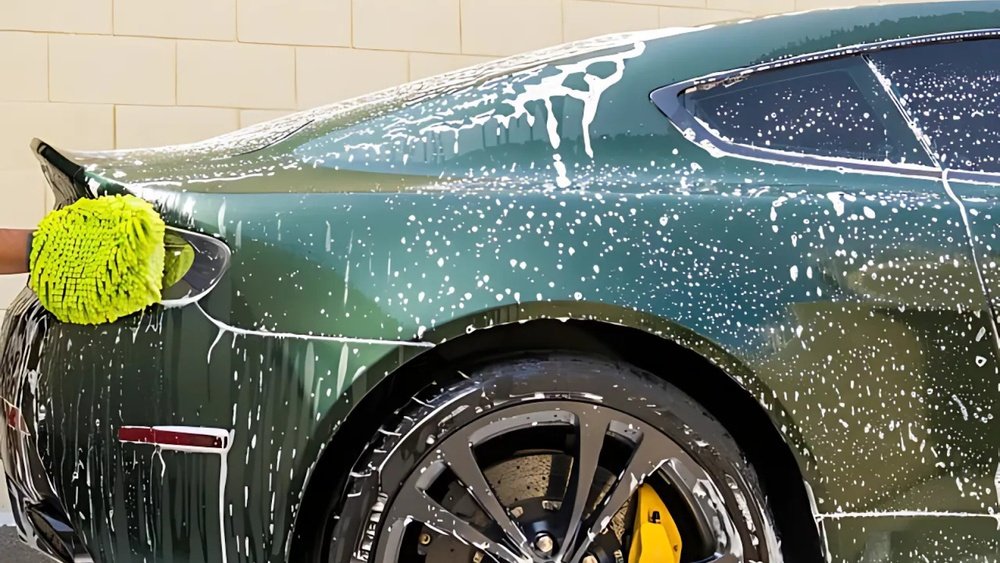
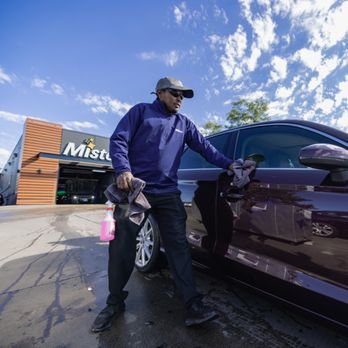
Many cities in Idaho limit washing cars on driveways. These limits prevent dirty water from running into storm drains. Some areas require using water-efficient methods or commercial car washes. Violating these rules can result in fines. Residents must check local rules before washing cars at home.
Stormwater Pollution Concerns
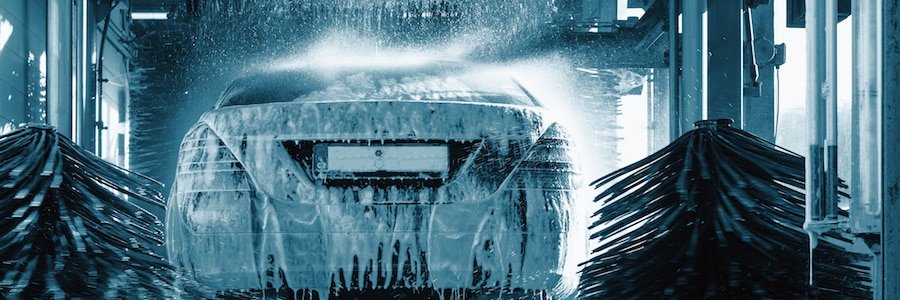
Stormwater runoff carries soap, oil, and dirt into rivers. This pollution harms fish and plants in Idaho’s waterways. Laws require preventing runoff from car washing. Detailers often use special systems to capture wastewater. Keeping pollutants out of stormwater keeps Idaho’s environment healthy.
Local Regulations Impacting Detailers
Idaho cities have different rules for professional detailers. Some require permits to operate or use water recycling systems. Others limit water use during dry seasons. Detailers must follow all local laws to avoid penalties. Staying informed helps detailers run their businesses smoothly and legally.
Credit: m.yelp.com
Frequently Asked Questions
Does Idaho Have A Lemon Law For Used Cars?
Idaho’s lemon law covers only new vehicles with major defects under warranty. No specific lemon law exists for used cars. Used car buyers rely on warranties, dealer promises, fraud claims, or implied warranties if not sold “as-is. ” Always get a thorough inspection before purchase.
Can You Wash A Car In The Driveway?
You can wash a car in the driveway if local regulations allow it. Use eco-friendly detailing products to protect the environment. Avoid water runoff into storm drains. Check city or county rules before washing to prevent fines.
Is There A Buyer’s Remorse Law In Idaho?
Idaho has no buyer’s remorse law for vehicle purchases. New cars have lemon law protection, but used cars usually sell “as-is. ” Check warranties and inspect before buying.
Are Fog Lights Legal In Idaho?
Yes, fog lights are legal in Idaho if used properly. They must not cause glare or distraction to other drivers. Use fog lights only in fog, heavy rain, or snow for better visibility and safety. Avoid using them in clear conditions to comply with Idaho law.
Conclusion
Understanding Idaho’s car detailing laws helps protect your rights. Always check warranties and dealer promises carefully. Inspections before buying used cars are essential. Keep all documents and communication in case issues arise. Contact Idaho’s Consumer Protection for guidance when needed.
Staying informed ensures safer car purchases and better peace of mind.