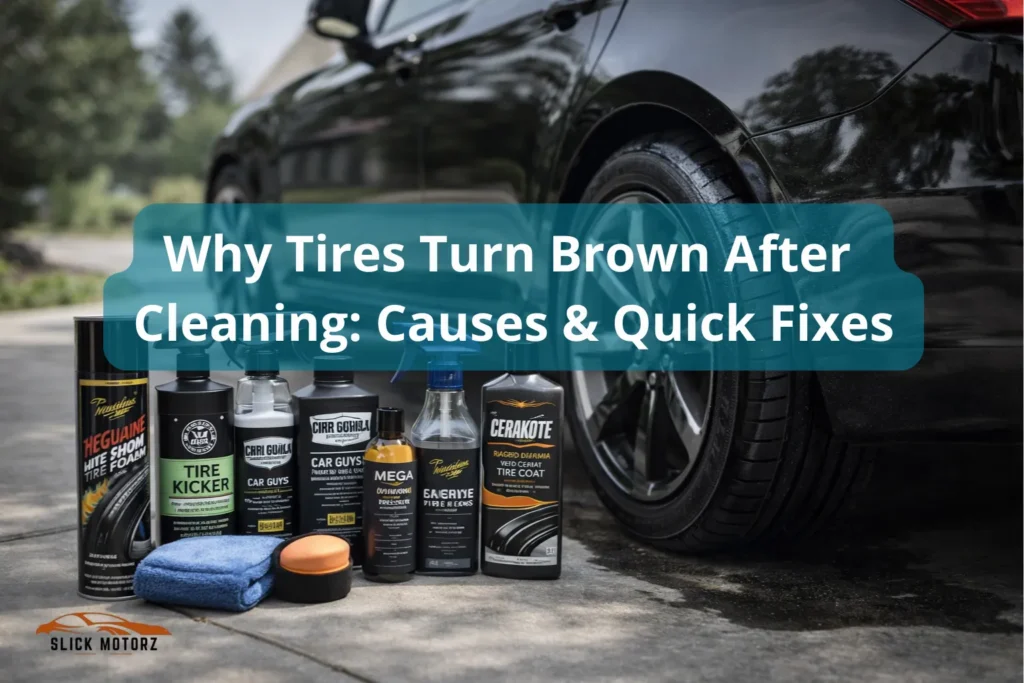
Have you ever cleaned your tires only to notice they turn brown afterward? It’s frustrating when your effort to make your car look fresh ends up with this unexpected discoloration.
You might wonder if it means your tires are damaged or if you did something wrong during the cleaning process. The truth is, this browning effect is a common and natural reaction called “blooming. ” But why exactly does it happen, and what can you do to prevent it?
You’ll discover the real reasons behind tire browning after cleaning and learn simple tips to keep your tires looking black and shiny every time. Keep reading—your tires will thank you!
Tire Browning Causes
Tire browning after cleaning can be confusing for many car owners. This discoloration makes tires look old and dirty. Understanding the causes helps you prevent or fix the problem. Several factors lead to tire browning. These include chemical reactions, sun damage, and tire age.
Chemical Blooming Explained
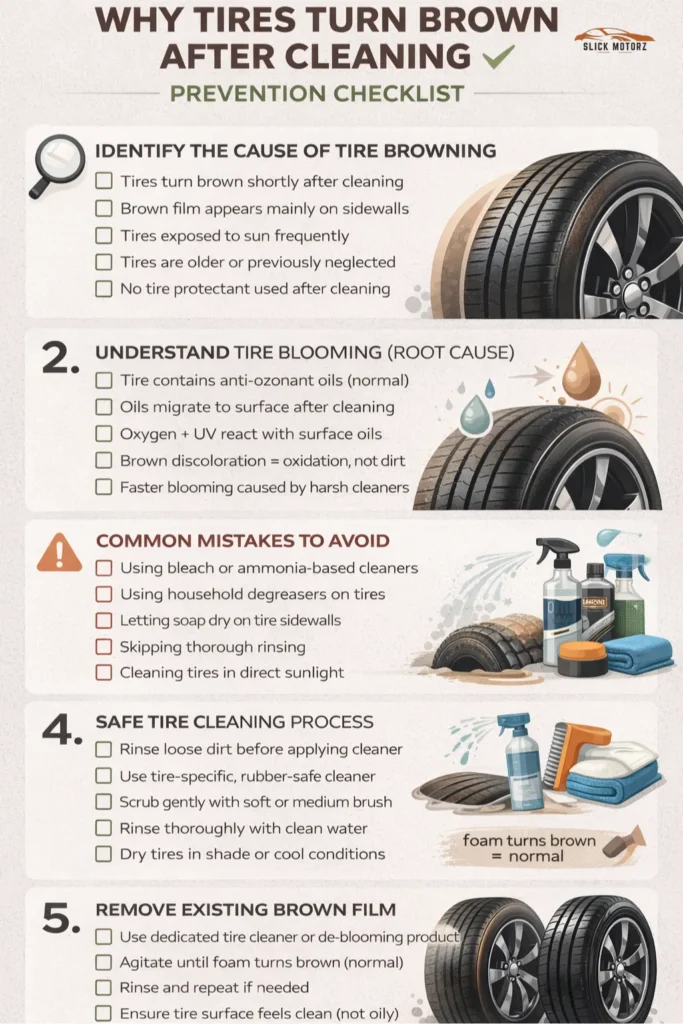
Chemical blooming happens when tire oils rise to the surface. These oils react with air and cleaning agents. The result is a brown or tan film on the tire. Blooming is a natural process in rubber tires. Certain cleaners can speed up this reaction. This makes the tires look brown right after washing.
Effects Of Sun Exposure
Sunlight causes tires to fade and discolor over time. UV rays break down the tire’s rubber compounds. This leads to a dry, cracked, and brown appearance. Heat from the sun also accelerates tire browning. Tires parked outside often show more discoloration. Protecting tires from direct sunlight can slow this effect.
Impact Of Tire Age
Older tires tend to brown more than newer ones. As tires age, their chemical makeup changes. Oils and additives inside the rubber migrate to the surface. This causes a brown tint to appear. Worn-out tires have less flexibility and shine. Regular cleaning and conditioning help maintain tire color longer.
Cleaning Products And Residue
Cleaning products play a key role in tire care. Some products can leave residues that cause tires to turn brown. Understanding how these residues form helps in choosing the right cleaners. Using the wrong products can harm tires and spoil their look. Proper cleaning avoids brown stains and keeps tires looking fresh.
Harsh Cleaners That Trigger Browning
Harsh cleaners often contain strong chemicals. These chemicals react with tire rubber and cause browning. Products with ammonia or bleach are common culprits. They strip away protective layers on tires. This damage leads to discoloration and a rough surface. Avoid cleaners with strong acids or alkalis for tire care.
Foam And Soap Residues
Foams and soaps can leave thin films on tires. These residues trap dirt and moisture. Over time, this creates a brownish tint on the tire surface. Soap residues also attract UV rays, speeding up browning. Not rinsing tires well increases residue buildup. Use products that rinse clean without leaving films.
Avoiding Harmful Chemicals
Choose tire cleaners labeled safe for rubber. Mild, pH-balanced formulas reduce the risk of browning. Avoid household cleaners not meant for tires. Always rinse tires thoroughly after cleaning. Test new products on a small tire area first. Proper product choice prevents chemical damage and keeps tires black.
Preventing Brown Tires
Preventing tires from turning brown after cleaning is important to keep them looking fresh and new. Brown discoloration, often caused by tire blooming or harsh cleaning methods, can ruin your tire’s appearance. Taking the right steps during cleaning helps maintain the black color and protects the rubber surface. Simple changes in your cleaning routine make a big difference.
Choosing Safe Cleaning Methods
Use gentle cleaners made specifically for tires. Avoid harsh chemicals like bleach or strong acids. These can damage the rubber and cause browning. Mild soap and water work well for regular cleaning. Test any new cleaner on a small area first. This prevents unexpected damage to your tires.
Proper Rinsing Techniques
Rinse tires thoroughly to remove all soap and dirt. Leftover residue can cause brown stains over time. Use clean water and a hose with good pressure. Make sure to rinse the sidewalls carefully. Dry the tires with a soft cloth or let them air dry in the shade. Avoid direct sunlight during drying to reduce browning risk.
Using Tire Protectants
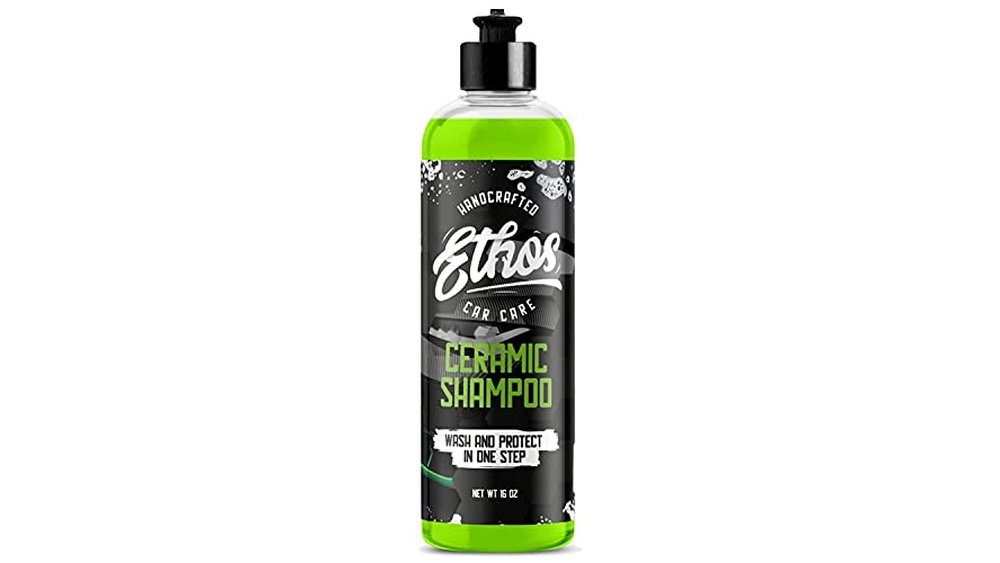
Apply tire protectants after cleaning to keep tires black and shiny. Look for products that shield against UV rays and dirt. These protectants prevent rubber oxidation, which causes browning. Use a small amount and spread evenly with an applicator. Reapply protectant regularly for best results.
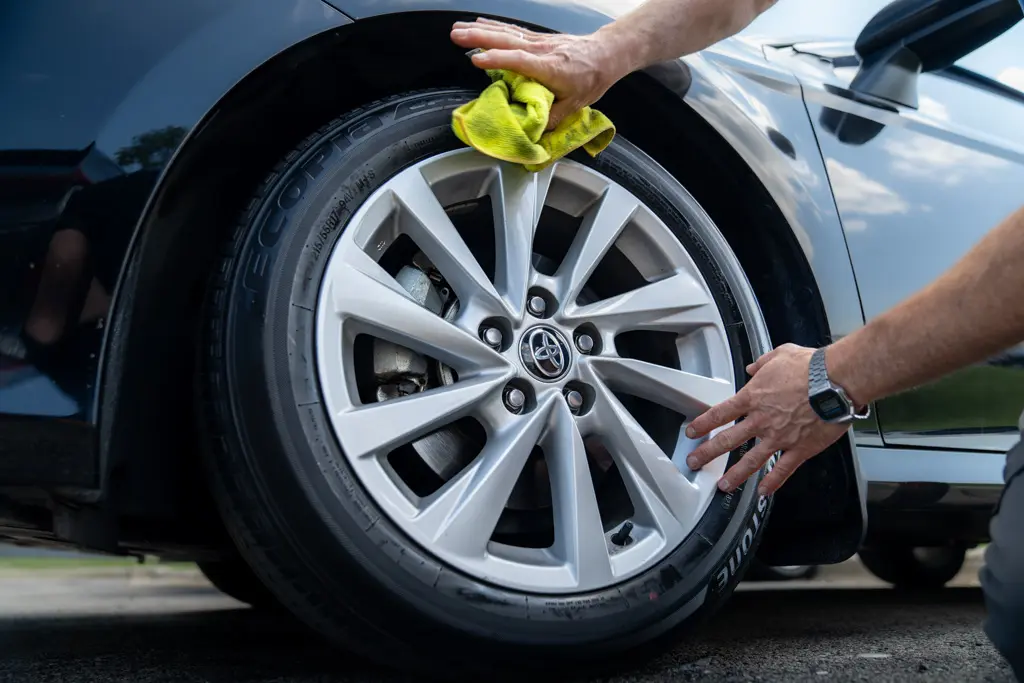
Credit: www.utires.com
Quick Fixes For Brown Tires
Brown tires after cleaning can be frustrating. This discoloration often happens due to tire blooming, a natural process where oils and chemicals in the rubber rise to the surface. Quick fixes can remove the brown color and bring back the tire’s original black look. Follow these simple steps to clean and restore your tires effectively.
Deep Cleaning Steps
Start by rinsing the tires with water to remove loose dirt. Use a tire cleaner with a brush to scrub the surface gently. Focus on areas with brown patches to break down the oils and grime. Rinse thoroughly to wash away the cleaner and dirt. Repeat if necessary to get a deeper clean.
Removing Brown Film
Apply a specialized tire de-blooming product to the brown areas. These products help dissolve the brown film caused by blooming. Use a microfiber cloth to wipe the surface after application. Let the tires dry completely before moving to the next step. This removes the sticky, brown residue and preps the tire for shine restoration.
Restoring Tire Shine
Choose a tire dressing that suits your preference: matte, satin, or glossy. Apply the dressing evenly with a sponge or applicator pad. This protects the tire and enhances its black color. Avoid over-application to prevent sling onto your car’s paint. Let the dressing dry for a few minutes for a smooth, refreshed look.
When To Replace Tires
Knowing the right time to replace tires is crucial for safe driving. Tires wear out over time due to use, weather, and storage conditions. Regular checks help spot signs that tires need replacement. Ignoring damaged tires can lead to accidents or poor vehicle performance.
Identifying Dry Rot
Dry rot appears as cracks on the tire surface. It usually happens when tires age or stay in the sun too long. These cracks may start small but grow bigger with time. Tires with dry rot lose strength and can fail unexpectedly.
Risks Of Cracked Tires
Cracked tires are unsafe to drive on. They increase the chance of blowouts while on the road. Cracks also reduce the tire’s ability to hold air pressure. This makes the vehicle harder to control and less fuel-efficient.
Safety First Tips
Check tires monthly for cracks, bulges, or low tread depth. Replace tires that show signs of dry rot or deep cracks. Keep tires clean and protect them from harsh sunlight. Use a tire pressure gauge regularly to maintain correct inflation.
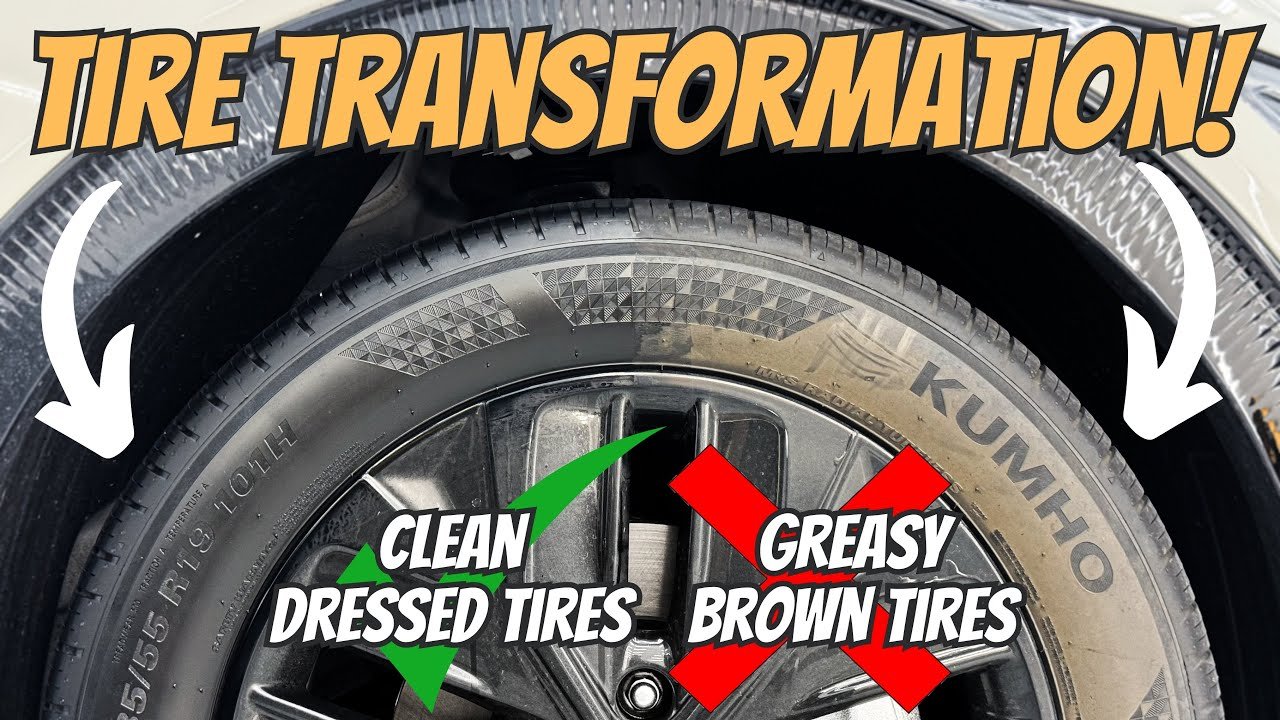
Credit: www.youtube.com
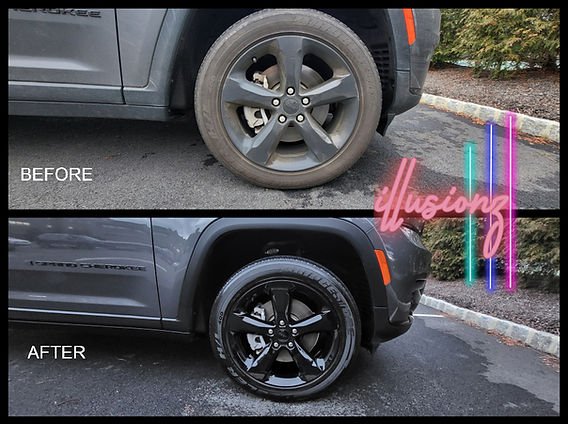
Credit: www.illusionzmobileautospa.com
Frequently Asked Questions
Why Are My Tires Brown After Washing?
Tires turn brown after washing due to a natural chemical called tire blooming. It occurs when additives in the rubber rise to the surface. Sun exposure, tire age, and cleaning products can increase this effect. Regular cleaning with proper tire cleaners helps reduce browning.
How To Get The Brown Off Your Tires?
Use a tire cleaner and a stiff brush to scrub the brown residue off. Rinse thoroughly with water. Repeat if needed.
Is It Okay To Put Regular Air In Nitrogen-filled Tires?
Yes, you can add regular air to nitrogen-filled tires safely. It reduces nitrogen purity and benefits, but prevents low-pressure issues. Use regular air if needed until you refill with nitrogen.
Can Dry Rot Tires Be Fixed?
No, dry rot tires cannot be fixed. Replace them immediately to ensure safety, as the rubber chemically degrades and weakens.
Conclusion
Tires turn brown after cleaning due to a natural process called blooming. This happens when certain chemicals rise to the tire’s surface over time. Sunlight, heat, and tire age speed up this effect. Cleaning can bring these chemicals out, causing a brown film.
Using proper tire cleaners and protectants helps reduce browning. Regular care keeps tires looking fresh and black longer. Understanding this process prevents worry about tire damage. Keep your tires clean and watch them stay in good shape. Simple steps make a big difference in tire appearance.