Your tires face a lot every day—from dirt and grime to brake dust and road salt. But how often do you really need to clean them to keep your car looking sharp and driving safely?
If you’ve ever wondered whether tire cleaning is just a cosmetic step or a crucial part of vehicle care, you’re in the right place. Cleaning your tires regularly not only boosts your car’s appearance but also protects the rubber, improves traction, and extends tire life.
You’ll discover the ideal tire cleaning frequency tailored to your driving habits and environment, plus simple tips to make the job quick and effective. Ready to keep your tires in top shape? Let’s dive in!

Credit: oilchangers.com
Recommended Cleaning Frequency
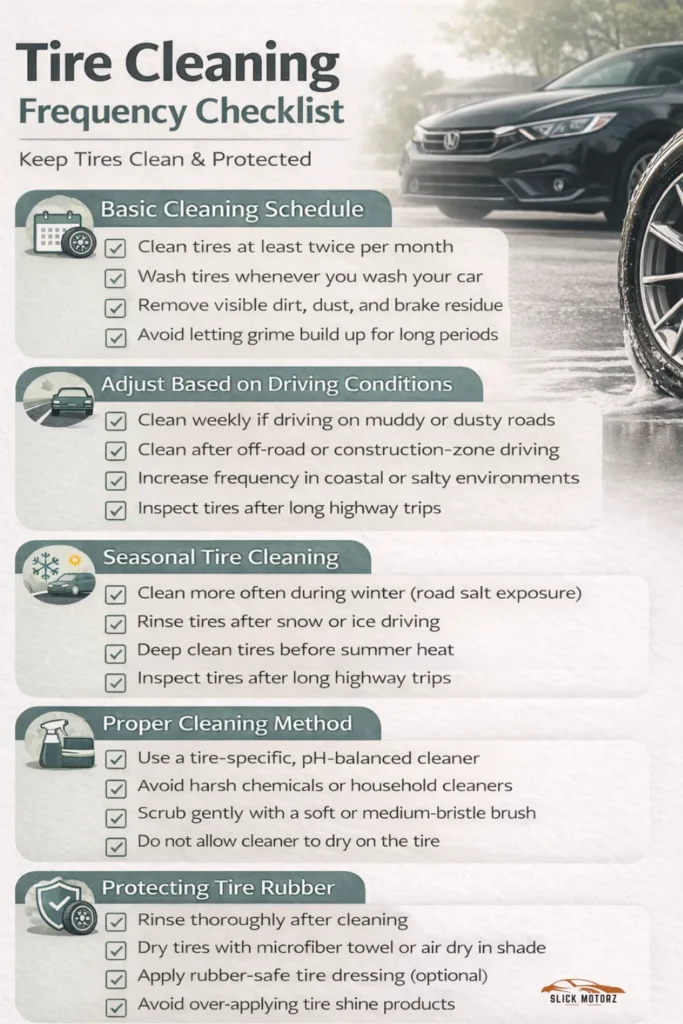
Cleaning your tires regularly keeps them looking good and working well. Dirt, brake dust, and road grime build up fast. This can damage the rubber and lower tire life. Setting a cleaning routine helps protect your tires and ensures safe driving.
The right cleaning frequency depends on your driving habits and environment. Here are some simple guidelines to follow for the best results.
Twice A Month Rule
Experts suggest cleaning tires at least twice a month. This removes common dirt and grime before it causes harm. Regular cleaning also makes each session easier and faster. It keeps tires flexible and prevents rubber from drying out.
Adjusting For Driving Conditions
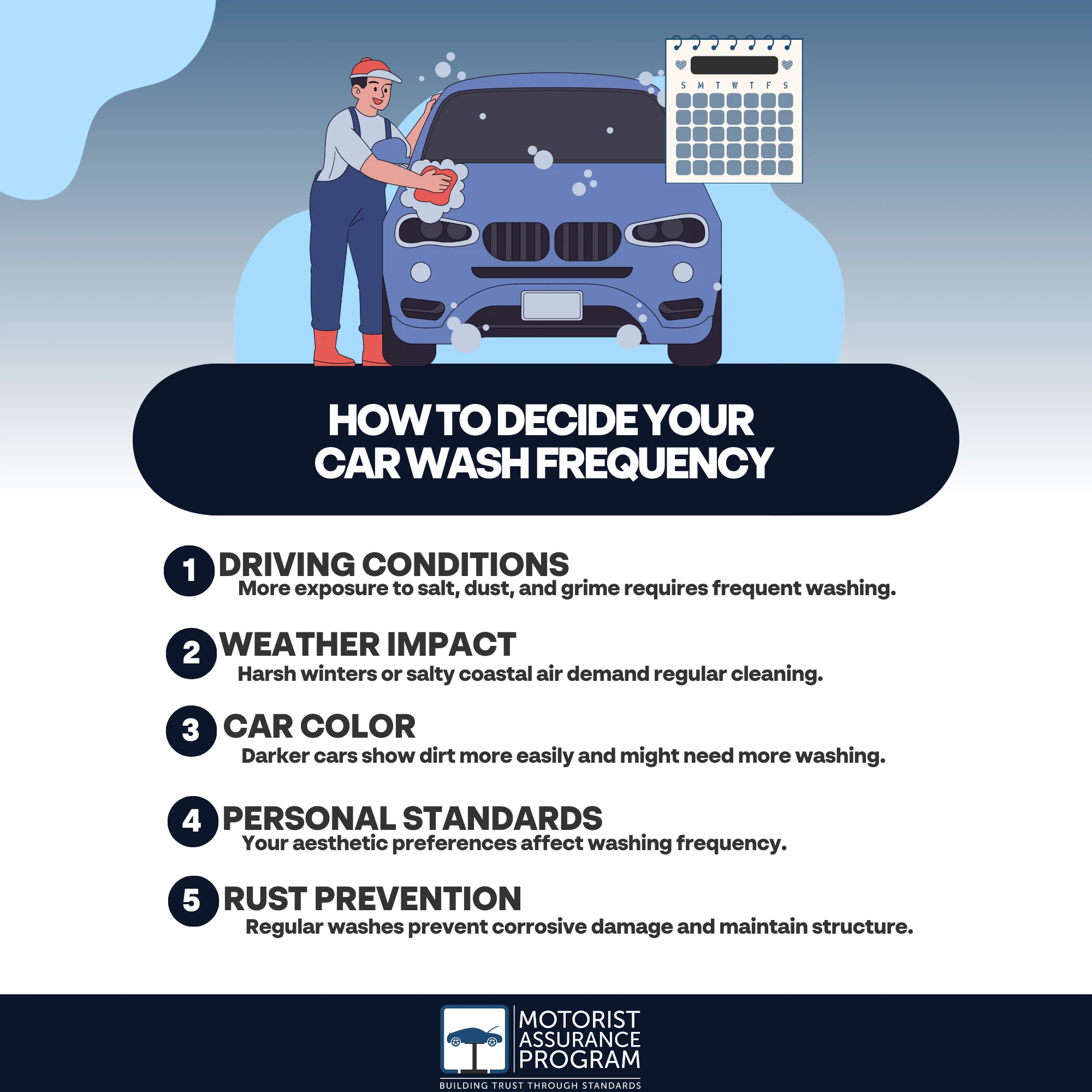
Driving on rough, muddy, or salty roads requires more frequent cleaning. Salt and mud can speed up tire wear and cause corrosion on rims. If you drive mostly in the city or on clean roads, twice a month is enough. For off-road or winter driving, clean tires every week or after each trip.
Seasonal Cleaning Tips
Seasons affect how often you should clean tires. In winter, road salt builds up quickly. Clean tires more often to avoid damage. Summer brings dust and heat that can dry out tires. Clean them before and after the hot months. Spring and fall are good times for a deep clean and inspection.
Why Regular Cleaning Matters
Keeping your tires clean is important for more than just looks. Dirt, brake dust, and road grime build up quickly. This buildup can harm the tire’s rubber and reduce how well they work. Regular cleaning helps keep tires safe and lasting longer. It also keeps your vehicle looking sharp. Simple care can avoid costly problems and keep your drive smooth.
Enhancing Tire Performance
Clean tires grip the road better. Dirt and grime can make tires slippery and reduce traction. This affects braking and handling, especially on wet roads. Regular cleaning removes harmful debris and helps tires perform as designed. Better traction means safer driving in all conditions.
Preventing Rubber Damage
Road chemicals and brake dust can damage tire rubber. These substances cause the rubber to dry out and crack. Cracked tires wear out faster and may fail unexpectedly. Cleaning tires regularly removes these harmful substances. This protects the rubber and extends tire life.
Maintaining Appearance
Tires covered in dirt and brake dust look old and neglected. Clean tires make your whole car look cared for and fresh. Regular washing removes stains and keeps tires looking black and shiny. A well-maintained appearance can raise your vehicle’s value and pride of ownership.
Common Cleaning Mistakes
Cleaning tires regularly keeps them looking good and working well. Many people make mistakes that damage their tires instead of helping them. Knowing these common cleaning mistakes can save your tires and extend their life. Avoid using the wrong products or methods that harm the rubber. Learn how to protect your tires by cleaning them the right way.
Avoiding Harmful Chemicals
Harsh chemicals can damage tires quickly. Some cleaners contain acids or solvents that strip essential oils from the rubber. This causes the tire to dry out and crack. Choose mild, pH-balanced cleaners made for tires. These keep the rubber flexible and strong. Avoid household cleaners with bleach or ammonia. They may harm both the tire and the wheel finish.
Risks Of Overusing Tire Shine
Tire shine products can make tires look new and shiny. But overusing them causes problems. Too much shine creates a slippery surface that attracts dirt. The oily layer also traps dust and grime. This makes tires look dirtier faster. Some tire shines contain chemicals that dry out rubber over time. Use these products sparingly and follow instructions carefully. A little shine goes a long way.
Preventing Rubber Drying
Dry tires crack and lose grip. Cleaning methods that remove natural oils cause drying. Avoid aggressive scrubbing or harsh cleaners. Use soft brushes or cloths instead. After cleaning, apply a protective dressing made for tires. These products restore moisture and protect rubber from sun damage. Regular care helps keep tires flexible and safe. Do not let tires become dry and brittle.
Choosing The Right Products
Choosing the right products for cleaning and maintaining tires is key to keeping them in good shape. The right cleaners and dressings protect the rubber and improve your car’s look. They also help extend tire life by preventing damage and wear. Picking products that fit your needs is important for effective tire care.
Tire Cleaners
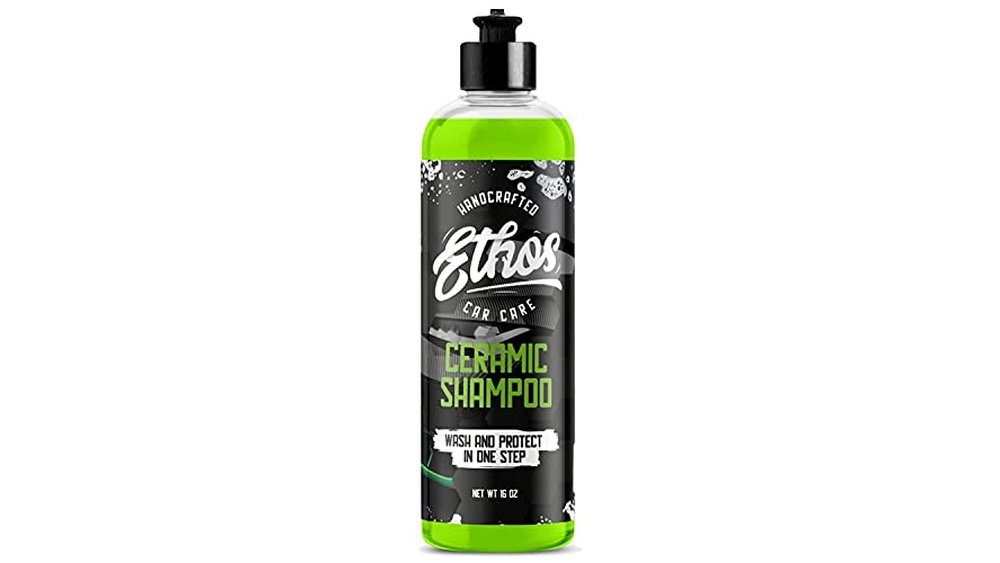
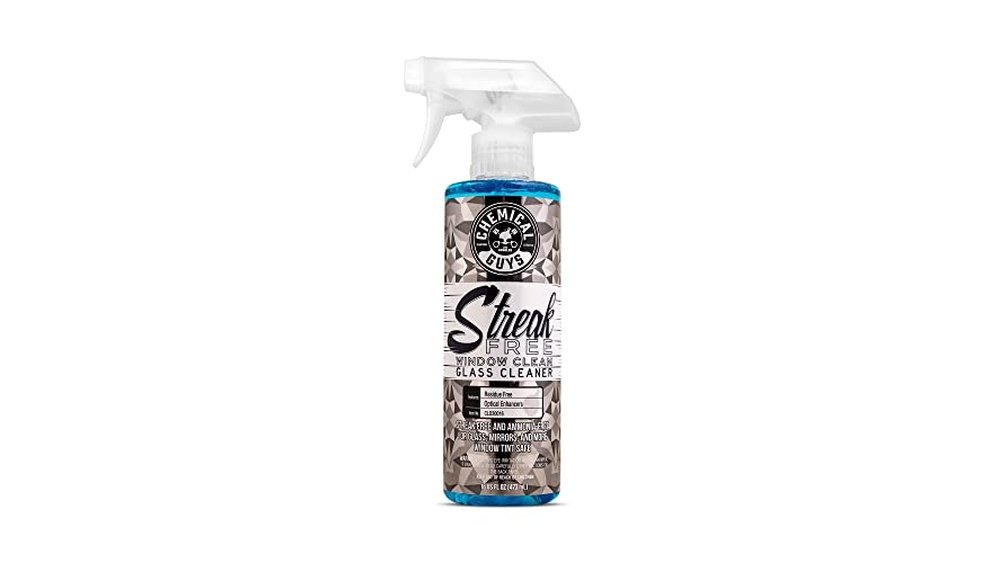
Tire cleaners remove dirt, brake dust, and grime safely. Choose cleaners made specifically for tires to avoid damaging the rubber. Many tire cleaners are water-based and gentle but still strong enough to clean tough stains. Spray or apply the cleaner and scrub with a brush for the best results. Avoid harsh chemicals that can dry out or crack tires.
Tire Dressings And Shines
Tire dressings restore the black, glossy look of tires. Some dressings add a wet shine, while others offer a natural matte finish. Look for dressings that protect tires from UV rays and cracking. Water-based dressings tend to last longer and do not attract dust as much as oil-based ones. Apply evenly and allow them to dry for a clean finish.
Natural Alternatives
Natural options like diluted vinegar or baking soda can clean tires gently. These alternatives are less harsh and eco-friendly but may need more effort to remove tough grime. Olive oil or coconut oil can add a subtle shine but may attract dirt if used too much. Natural products are good for light cleaning and maintenance between deeper washes.
Step-by-step Cleaning Process
Cleaning your tires regularly helps them look great and perform well. A clear, easy process allows you clean tires safely and effectively. Follow these simple steps to get your tires clean and shiny without damage.
Pre-cleaning Inspection
Start by checking your tires for damage. Look for cracks, cuts, or uneven wear. Remove any stones or debris stuck in the tread. This step helps you avoid making problems worse during cleaning. It also ensures the cleaning products work better.
Washing Techniques
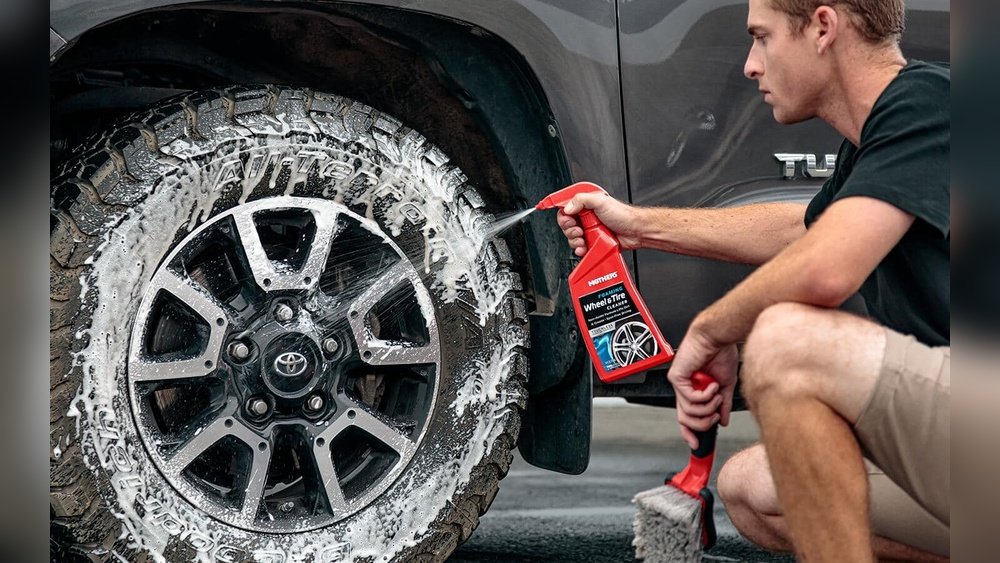
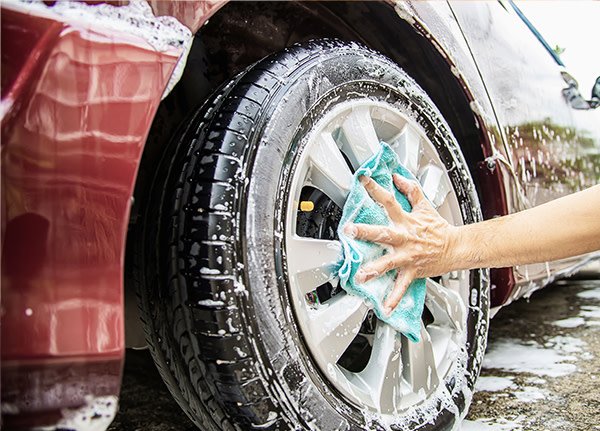
Rinse your tires with water to remove loose dirt. Use a soft brush and tire cleaner to scrub the surface gently. Clean the sidewalls and tread carefully. Avoid harsh brushes that can damage the rubber. Rinse thoroughly to wash away all soap and dirt.
Applying Tire Dressing
After washing and drying, apply tire dressing to protect and shine. Use a sponge or applicator pad for even coverage. Choose a water-based or silicone-based dressing made for tires. Avoid oily products that attract dirt or harm rubber. Let the dressing dry before driving.
Credit: www.tricountytoyota.com
Tips For Long-lasting Shine
Keeping your tires shiny and fresh enhances your vehicle’s look. A long-lasting shine needs more than just cleaning. Proper care and smart habits help tires look newer for longer. Follow these tips to maintain that fresh, glossy finish without extra effort.
Frequency Of Application
Apply tire shine regularly to keep the gloss alive. For daily drivers, once every two weeks works well. Tires exposed to harsh weather may need weekly treatment. Avoid over-applying; too much product can cause buildup. Consistent, moderate use gives the best results.
Protecting Against Dirt And Grime
Clean tires before applying shine to remove dirt and grime. Use a gentle brush and tire cleaner for best results. Dirt, blocks, shine products, and dull the finish. After cleaning, allow tires to dry completely. This helps the shine stick better and last longer.
Storage And Maintenance
Store tire care products in a cool, dry place to keep them effective. Avoid exposing tires to direct sunlight for long periods. Park in shaded areas or use tire covers if possible. Regularly check tires for cracks or damage and address issues quickly. Proper storage and care extend the shine and tire life.
Credit: motorist.org
Frequently Asked Questions
How Often Should I Wash My Tires?
Clean your tires at least twice a month to maintain appearance and performance. Wash more often in harsh or dirty conditions. Regular cleaning prevents grime buildup and preserves tire rubber quality.
What Is The 3% Tire Rule?
The 3% tire rule means tire diameter should not differ more than 3% between front and rear tires. This ensures proper vehicle handling and accurate speedometer readings.
Is It Necessary To Clean Tires?
Cleaning tires is necessary to maintain appearance, ensure safety, and preserve tire performance. Regular cleaning prevents dirt buildup and rubber degradation.
Is It Okay To Spray Wd-40 On Tires?
Spraying WD-40 on tires is not recommended. It can dry out rubber, cause cracking, and attract dirt, reducing tire lifespan and safety. Use tire-specific cleaners and dressings for maintenance and shine instead.
Conclusion
Cleaning your tires regularly keeps them safe and looking good. Aim to clean tires at least twice a month for best results. Dirt and grime can harm tire rubber and reduce grip on the road. Use gentle cleaners and avoid harsh chemicals to protect your tires.
Regular cleaning also helps spot damage early. Keep your car well-maintained by making tire cleaning part of your routine. Simple care extends tire life and improves driving safety. A little effort goes a long way in tire care.