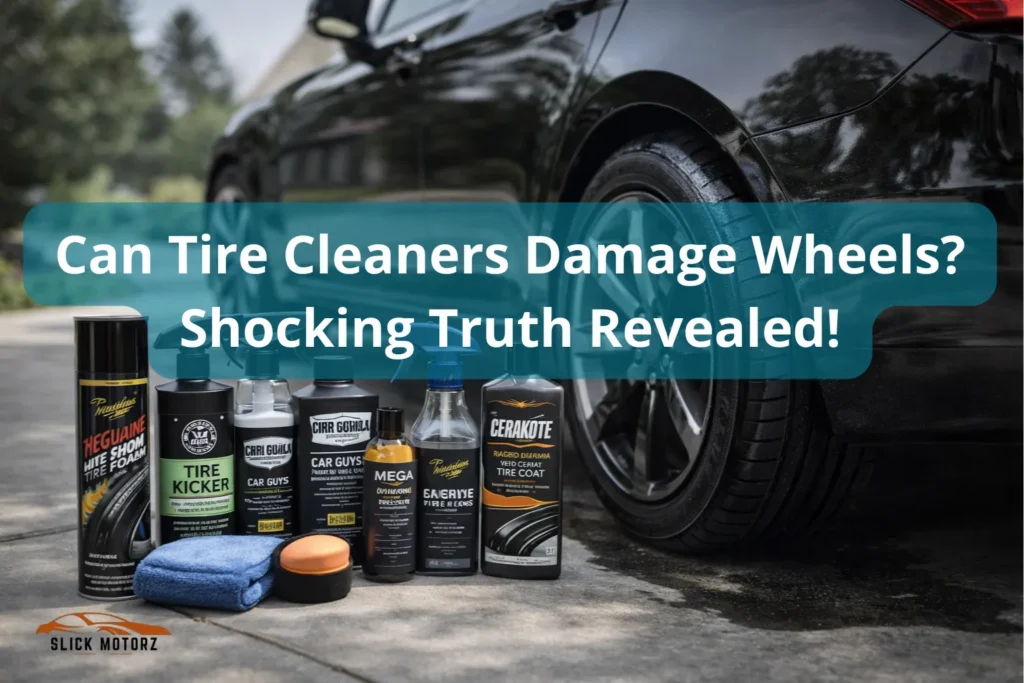
Are you careful about cleaning your wheels but still worried that tire cleaners might be causing hidden damage? You’re not alone.
While tire cleaners are designed to make your wheels shine, using the wrong product or technique can sometimes harm your wheels’ finish or structure. Imagine spending time and money on wheel care only to find discoloration, corrosion, or even cracks appearing later.
That’s why understanding how tire cleaners interact with different wheel types is crucial for protecting your investment. Keep reading to discover the facts, common pitfalls, and expert tips that will help you clean your wheels safely without risking damage. Your wheels deserve the best care—and you deserve peace of mind.
Tire Cleaner Types
Tire cleaners come in different types, each with unique properties. Choosing the right type can protect your wheels from damage. Understanding these cleaners helps you pick the safest option for your tires and rims.
Acidic Cleaners
Acidic cleaners contain strong acids like hydrochloric or sulfuric acid. They effectively remove brake dust and tough grime. These cleaners can be harsh and may damage sensitive wheel finishes. Avoid using acidic cleaners on aluminum or polished wheels. Always rinse thoroughly to prevent corrosion or discoloration.
Alkaline Cleaners
Alkaline cleaners have a high pH and contain ingredients like sodium hydroxide. They break down grease, oil, and dirt on tires and wheels. These cleaners are less aggressive than acidic types but still strong. Some alkaline cleaners may dull or etch delicate wheel surfaces. Use them carefully and follow product instructions for safety.
Neutral Ph Cleaners
Neutral pH cleaners balance cleaning power with gentleness. They clean tires and wheels without harsh chemicals. These cleaners are safe for all wheel types, including painted and coated finishes. Using neutral pH cleaners reduces the risk of damage or fading. They are a good choice for regular maintenance and gentle cleaning.

Credit: www.reddit.com
Wheel Finishes
Wheels come with different finishes that affect their look and care needs. Each finish reacts differently to tire cleaners. Some finishes are tougher, while others need gentle cleaning products. Understanding your wheel finish helps protect it from damage caused by harsh cleaners.
Polished Aluminum
Polished aluminum wheels have a shiny, smooth surface. They look bright and reflective. Harsh tire cleaners can dull their shine or leave stains. Use cleaners made for aluminum to keep the polish safe. Avoid acidic or abrasive products that can harm the surface.
Powder Coating
Powder coating covers wheels with a thick, colored layer. This finish protects against chips and rust. Some tire cleaners can eat away the coating if they are too strong. Choose pH-neutral cleaners that clean without stripping the powder coat. Gentle care keeps the finish looking new.
Chrome And Painted Wheels
Chrome wheels have a shiny metal layer, while painted wheels have a color layer on top. Both finishes can peel or fade with harsh cleaners. Use mild, non-acidic cleaners to avoid damage. Rinse wheels well after cleaning to remove all residues. This helps preserve their look and lifespan.
How Cleaners Affect Wheels
How tire cleaners affect wheels depends on their chemical makeup and your wheel type. Some cleaners are strong and can harm delicate finishes. Others are gentle and safe for most wheels. Understanding these effects helps protect your wheels and keep them looking good.
Chemical Reactions
Tire cleaners contain chemicals that react with wheel materials. Acidic cleaners can eat away at aluminum or chrome. Strong alkalis may damage paint or clear coats. Some reactions cause discoloration or dull spots. Always check cleaner ingredients before use.
Corrosion Risks
Corrosion happens when chemicals break down metal surfaces. Harsh cleaners left on wheels too long can cause rust. Corrosion weakens wheels and leads to pitting. Rinsing wheels thoroughly after cleaning reduces this risk. Choose cleaners designed to protect metal finishes.
Finish Degradation
Wheel finishes, such as powder coating or polishing, can degrade from harsh cleaners. Over time, these chemicals cause peeling or fading. This makes wheels look old and worn out. Use pH-balanced or non-acidic cleaners to preserve the finish. Regular gentle cleaning extends wheel life.

Credit: www.adamsforums.com
Signs Of Wheel Damage
Wheels can suffer damage from harsh tire cleaners or other causes. Knowing the signs helps you act fast and protect your vehicle. Damage might not always be easy to see. Some problems show up only when driving. Regular checks keep wheels safe and performing well.
Visible Cracks And Dents
Look closely for cracks or dents on your wheels. These often appear after hitting potholes or curbs. Cracks can weaken the wheel structure. Dents may cause imbalance and vibration. Small damage can grow worse over time. Early detection prevents costly repairs.
Discoloration And Corrosion
Discoloration on the wheel surface can signal damage. Corrosion may appear as rust or flaky metal. Acidic cleaners can cause this problem. Corrosion weakens the metal, risking air leaks. Clean wheels gently to avoid this issue. Check for color changes regularly.
Vibrations And Handling Issues
Feel for vibrations in the steering wheel or seat. These usually happen at higher speeds. Vibrations can mean bent or unbalanced wheels. Notice any pulling to one side while driving. Poor handling may indicate wheel or alignment problems. Uneven tire wear also points to wheel damage.
Preventing Damage
Preventing damage to your wheels while cleaning tires is essential. Using the right products and methods keeps wheels safe and looking good. Simple steps can avoid scratches, corrosion, or fading caused by harsh chemicals or poor technique.
Choosing Safe Cleaners
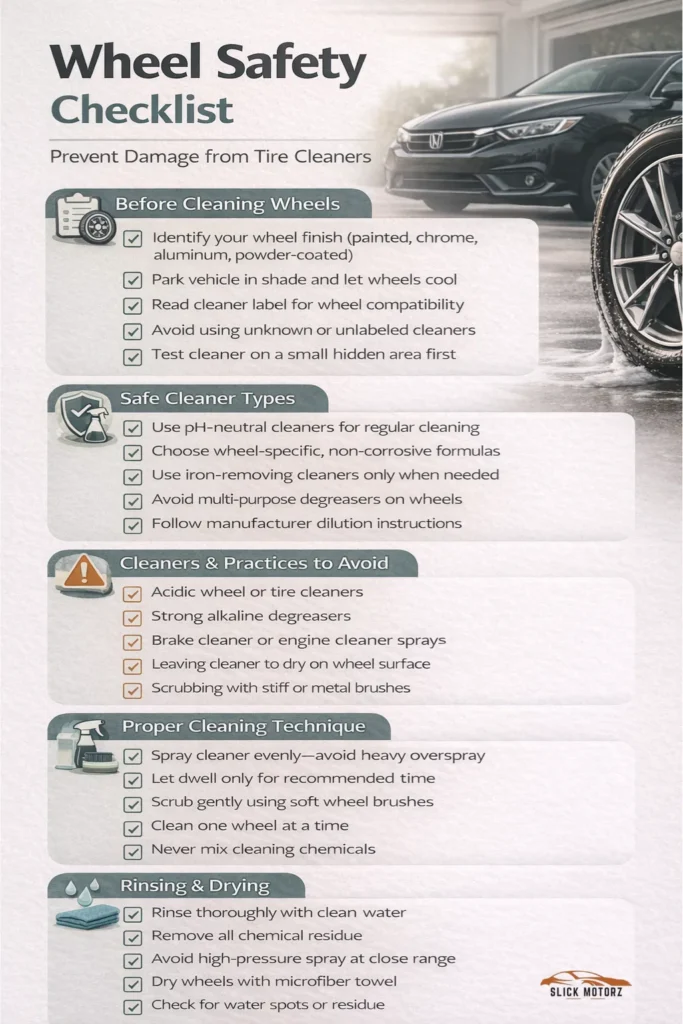
Select cleaners that suit your wheel type. Avoid acidic or harsh chemicals for sensitive finishes. Look for pH-balanced or non-corrosive formulas. These are gentler and reduce the risk of damage. Always check the label for compatibility with your wheels.
Proper Application Techniques
Apply cleaners carefully to avoid overspray on the wheel surface. Use a soft brush or sponge for scrubbing. Do not scrub too hard to prevent scratches. Let the cleaner sit for the recommended time only. Avoid leaving cleaners to dry on wheels.
Rinsing And Drying Tips
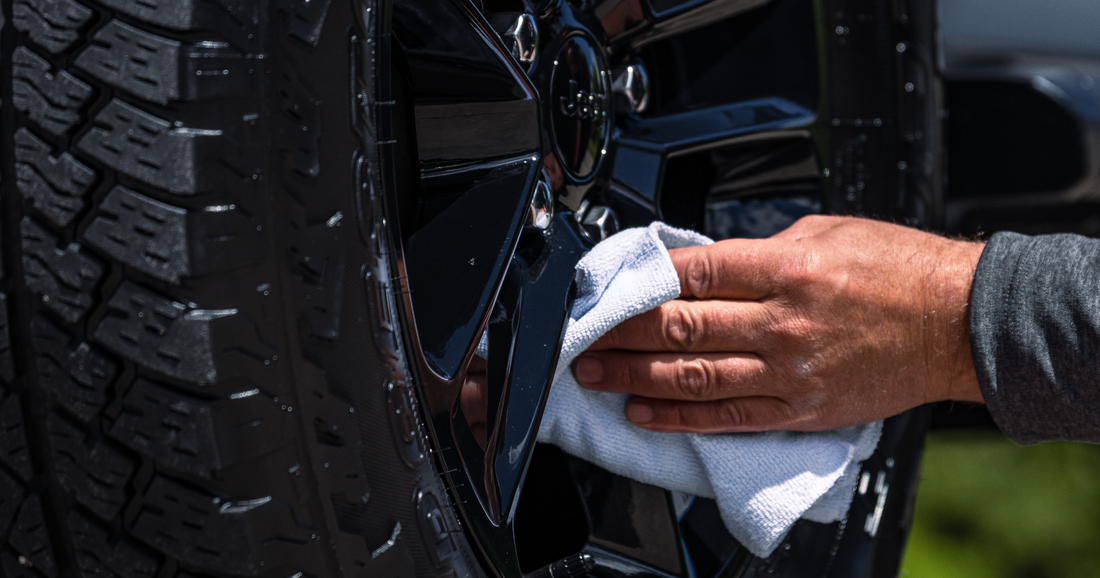
Rinse wheels thoroughly with water after cleaning. This removes all residue that could cause harm over time. Use a gentle stream to avoid damaging the finish. Dry wheels with a clean microfiber cloth to prevent water spots. Proper drying helps maintain shine and protects the surface.
Inspecting Wheels Post-cleaning
After cleaning your wheels with tire cleaners, inspecting them is essential. This step helps spot any damage early. Careful examination ensures your wheels stay safe and maintain their look. It also helps you catch issues caused by harsh chemicals or rough cleaning methods. Follow these simple checks to keep your wheels in good shape.
Visual Checks
Look closely at the wheel surface. Check for cracks, dents, or scratches. Notice any discoloration or corrosion spots. These signs may show damage from cleaners or impact. Pay special attention to sensitive finishes like polished aluminum. Cleaners with strong acids can cause fading or rough patches. Inspect the edges and spokes carefully. Use good lighting to see all details clearly.
Listening For Noises
Strange noises can signal wheel problems. After cleaning, listen while driving slowly. Clicking, grinding, or rubbing sounds need attention. They might mean dirt or cleaner residue is trapped. Also, noises could point to loosened parts or wheel damage. Cleaners should not cause these noises, so investigate promptly. Fixing issues early prevents bigger repairs later.
Driving Performance Observations
Observe how your car handles after wheel cleaning. Notice any vibrations in the steering wheel or seat. Uneven tire wear can show wheel misalignment or damage. Check if tires lose air without visible punctures. Poor handling or pulling to one side might indicate problems. Cleaners that harm the wheel surface can affect performance. Monitoring driving behavior helps catch hidden wheel damage.
When To Seek Professional Help
Knowing when to seek professional help for wheel damage is essential. Some wheel problems need expert attention to avoid safety risks and costly repairs. Early detection and proper care can save your wheels and improve your car’s performance.
Not all damage is obvious. Some signs require a trained eye or special tools. Professionals can accurately assess the damage and recommend the best solution. Ignoring serious issues may worsen the problem and increase repair costs.
Serious Damage Indicators
Look for visible cracks, dents, or warping on your wheels. These often mean structural damage that can be unsafe. Discoloration or corrosion on the wheel surface is another warning sign. It may cause air leaks or weaken the metal. Feeling vibrations while driving, especially through the steering wheel or seat, also signals possible rim damage. Uneven tire wear or constant tire pressure loss can indicate wheel problems. Poor handling or braking issues may stem from damaged wheels as well.
Repair Vs Replacement
Minor wheel damage, like small scratches or bends, might be repairable. Professionals use special tools to fix these safely. Severe damage, such as deep cracks or major warping, usually requires wheel replacement. Repairing beyond safe limits can lead to accidents. Experts decide the best option by inspecting the wheel closely. Choosing the right action protects your safety and your car’s value.
Maintenance Recommendations
Keep your wheels clean using gentle, pH-balanced cleaners. Avoid harsh chemicals that can damage sensitive finishes. Regularly inspect wheels for signs of wear or damage. Professional checkups can catch hidden problems early. Use proper tools and techniques during cleaning and tire changes. Following these tips helps extend wheel life and prevents costly repairs. Timely maintenance improves vehicle safety and appearance.
Credit: malcoautomotive.com
Frequently Asked Questions
Does Wheel Cleaner Damage Wheels?
Wheel cleaners usually do not damage wheels if used correctly. Avoid harsh chemicals on sensitive finishes like polished aluminum or powder coating. Choose gentle, pH-balanced cleaners to protect your wheels and prevent corrosion or discoloration. Always rinse thoroughly and follow product instructions carefully.
How To Tell If A Rim Is Ruined?
Check rims for cracks, dents, warping, discoloration, or corrosion. Notice vibrations, uneven tire wear, constant air loss, poor handling, or braking issues. Inspect visually and listen for unusual noises. If these signs appear, get a professional inspection to avoid further damage or safety risks.
Do Tire Cleaners Damage Tires?
Tire cleaners usually do not damage tires if used correctly. Avoid harsh chemicals that can dry or crack rubber. Choose cleaners designed for tires to keep them safe and maintain their lifespan. Always follow product instructions to prevent harm.
Is It Bad To Pressure Wash Your Wheels?
Pressure washing wheels can damage sensitive finishes like polished aluminum or powder coating. Use a gentle setting and avoid close-range spraying.
Conclusion
Tire cleaners can harm wheels if used incorrectly or on sensitive finishes. Always choose a cleaner suited for your wheel type. Avoid letting harsh cleaners dry on the surface. Rinse wheels thoroughly after cleaning to prevent damage. Regular checks help spot issues like cracks or discoloration early.
Protecting your wheels keeps them looking good and lasting longer. Clean smart, drive safe.