Choosing the best tire cleaner for your vehicle can feel overwhelming with so many options on the market. But you don’t have to settle for something that only partially cleans or worse, damages your tires.
The right tire cleaner will not only restore the look of your tires but also protect them from dirt, grime, and harsh elements. In this guide, you’ll discover simple yet powerful tips to pick a tire cleaner that fits your needs perfectly.
Keep reading to learn how to make your tires shine like new and keep your vehicle looking its best every time you wash it.
Types Of Tire Cleaners
Tire cleaners come in various forms designed for different cleaning needs. Choosing the right type helps keep tires looking new and protects their surface. Understanding each type’s function makes the selection easier.
Foam Cleaners
Foam cleaners create thick bubbles that cling to tire surfaces. They lift dirt and grime gently without scrubbing. Foam is easy to apply and spreads evenly. This type is great for regular cleaning and quick touch-ups.
Gel Cleaners
Gel cleaners have a thick texture that sticks well to tires. They work slowly to dissolve tough stains and brake dust. Gel is ideal for deep cleaning and restoring older tires. It stays on longer, giving better results on stubborn dirt.
Spray Cleaners
Spray cleaners offer fast and easy application. They cover tires quickly and rinse off dirt with minimal effort. This type suits those who want a quick clean before trips or events. Spray cleaners often contain ingredients to protect tires after cleaning.
All-purpose Cleaners
All-purpose cleaners work on tires and other vehicle parts. They remove dirt, grease, and grime from many surfaces. These cleaners save time and money by handling multiple cleaning tasks. Some formulas are safe for both tires and wheels.
Key Ingredients To Look For
Choosing the right tire cleaner starts with understanding its ingredients. Good ingredients make cleaning easier and protect your tires. Some ingredients remove dirt well. Others keep tires looking fresh and strong. Knowing what to check helps pick the best product.
Detergents And Surfactants
Detergents and surfactants break down dirt and grime on tires. They help lift away mud, dust, and brake dust. These ingredients create foam that cleans deep. Mild surfactants clean without harming tire rubber. Strong ones work better on tough dirt but may need rinsing.
Degreasers
Degreasers remove oily stains and grease from tires. They cut through road grime and brake dust quickly. Good degreasers do not dry out the tire surface. Look for degreasers that balance power and care. Too strong can damage tires, too weak won’t clean well.
Ph Levels
pH level shows how acidic or alkaline a cleaner is. Neutral or slightly acidic cleaners are gentle on tires. Alkaline cleaners remove heavy dirt but may be harsh. Acidic cleaners can harm rubber and metal parts. Choose a cleaner with a safe pH for regular use.
Protectants And Conditioners
Protectants and conditioners keep tires looking new after cleaning. They prevent cracking and fading from sun damage. Some add shine and restore black color. Conditioners also help repel dirt and water. Select a cleaner with protectants for long-lasting tire care.
Factors Affecting Cleaner Choice
Choosing the right tire cleaner depends on several key factors. These factors help ensure the cleaner works well and does not damage your tires. Understanding these points makes your cleaning more effective and safe. Below are important aspects to consider before buying a tire cleaner.
Tire Material Compatibility
Tires are made from different materials like rubber or synthetic blends. Some cleaners can harm certain materials. Always check if the cleaner matches your tire type. Using the wrong cleaner can cause fading or cracking. A cleaner safe for all tire materials is a good choice for most users.
Type Of Dirt And Grime
Dirt on tires varies from mud and brake dust to oil and grease. Some cleaners target specific grime better than others. For heavy grease, choose a stronger formula. For light dust, a mild cleaner may be enough. Knowing the dirt type helps pick a cleaner that removes it quickly.
Environmental Impact
Many tire cleaners contain chemicals that may harm the environment. Choose cleaners labeled biodegradable or eco-friendly. These break down faster and reduce pollution. Avoid harsh chemicals that can damage plants or water sources. An environmentally safe cleaner protects nature and your health.
Ease Of Use
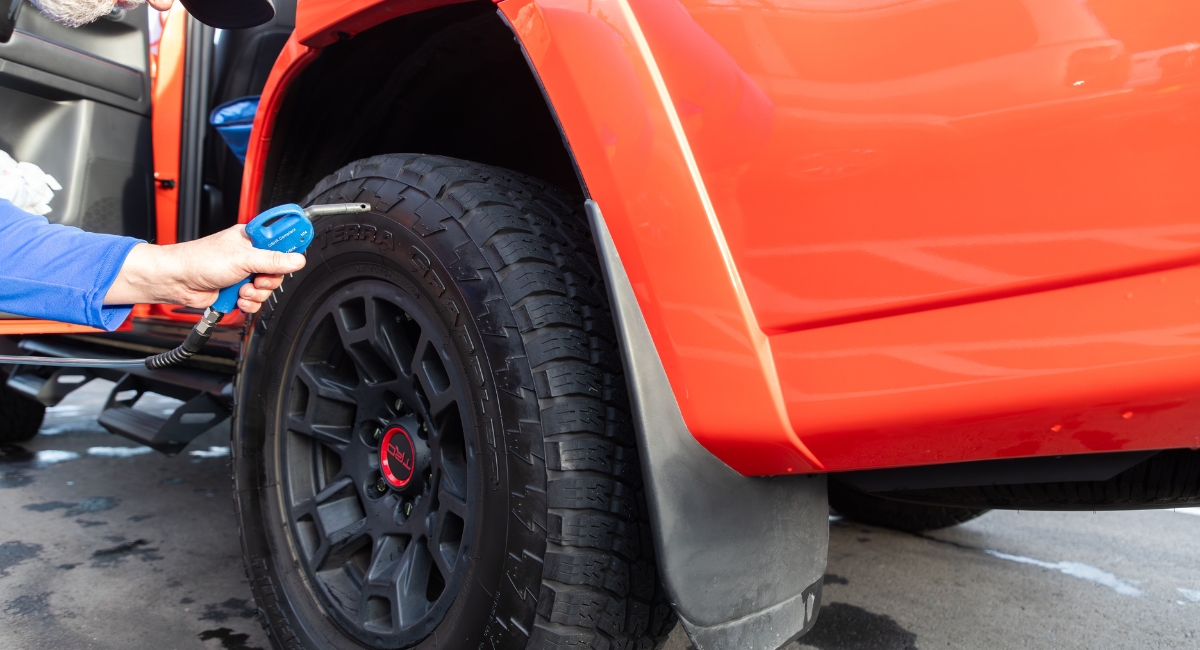
Cleaning tires should be simple and quick. Look for cleaners with easy spray bottles or foam applicators. Some require rinsing, others do not. A cleaner that works fast saves time and effort. Clear instructions and safe formulas also make the process smoother.
Credit: cloud10smartwash.com
Testing And Effectiveness
Testing and effectiveness are key when choosing the best tire cleaner. You want a product that works well on real tires, removes tough stains, and leaves a nice finish. Testing shows how a cleaner performs beyond the label claims. It helps find a product that cleans deeply and lasts long. The following sections break down important test results and what they mean for your tires.
Real-world Cleaning Tests
Testing tire cleaners on actual tires gives true results. Dirt, brake dust, and road grime vary by location and use. A cleaner must handle these well. Real-world tests involve applying the cleaner on dirty tires and scrubbing lightly. The amount of dirt removed shows the cleaner’s power. Products that clean fast and fully score higher in these tests.
Stain Removal Capabilities
Stains like oil, tar, and grease need strong cleaners. Some products only remove surface dirt. The best tire cleaners break down tough stains and lift them away. Testers check how well the cleaner removes different stain types. Cleaners that work on all common stains without extra effort are top choices.
Shine And Finish Results
After cleaning, the tire should look fresh but not oily. Some cleaners leave a dull finish. Others add shine without stickiness. Testing measures how the tire surface looks after drying. A good cleaner enhances the tire’s natural look. It should not cause fading or damage to the rubber.
Durability Of Cleaning
Cleaning should last through rain and driving. Some cleaners wash off quickly, leaving tires dirty again. Durability tests check how long the clean look stays. The best products resist dirt buildup for days or weeks. Durable cleaners reduce the need for frequent reapplication.
Safety And Precautions
Choosing the best tire cleaner involves more than just effectiveness. Safety plays a key role in protecting you and your vehicle. Proper precautions help avoid injuries and damage during cleaning. Knowing how to handle tire cleaners correctly ensures a safe experience for everyone.
Skin And Eye Safety
Tire cleaners often contain strong chemicals. These can irritate your skin and eyes. Always wear gloves to protect your hands. Use safety goggles to shield your eyes. Avoid direct contact with the cleaner. If it touches your skin or eyes, rinse immediately with plenty of water.
Safe Use On Wheels And Rims
Some tire cleaners may harm certain wheel finishes. Check the cleaner’s label for compatibility. Test on a small, hidden area first. Avoid using acidic cleaners on aluminum or chrome rims. Use only as directed to prevent discoloration or corrosion. Rinse wheels thoroughly after cleaning.
Proper Storage
Store tire cleaners in a cool, dry place. Keep bottles tightly closed to prevent spills. Place them out of reach of children and pets. Avoid storing near heat sources or open flames. Proper storage keeps the cleaner effective and safe for future use.
Disposal Guidelines
Do not pour leftover tire cleaner down drains. Chemicals can harm the environment and water supply. Check local regulations for hazardous waste disposal. Use designated collection sites if available. Dispose of empty containers according to instructions on the label.
Popular Brands And Products
Choosing the right tire cleaner starts with knowing the popular brands and products. Trusted brands offer formulas that clean effectively and protect your tires. Different products suit different needs, from quick cleaning to deep restoration. Understanding top-rated, budget, and premium options helps you find the best fit for your car care routine.
Top-rated Tire Cleaners
Top-rated tire cleaners often come from well-known brands. These products deliver strong cleaning power without damaging rubber. They remove dirt, brake dust, and grime quickly. Many also restore a natural black finish to tires. Examples include products from Meguiar’s, Chemical Guys, and Turtle Wax. These brands have built trust through consistent results and easy use.
Budget-friendly Options
Budget-friendly tire cleaners offer good cleaning at a lower price. These products work well for everyday maintenance. They may have simpler formulas but still remove dirt effectively. Brands like Armor All and Mothers provide affordable options. These cleaners are great for those who want clean tires without spending much. They often come in spray bottles for quick application.
Premium And Specialty Products
Premium tire cleaners focus on extra care and protection. These often include conditioners to prevent cracking and fading. Specialty products target specific tire types or conditions. For example, some cleaners work better on off-road tires or whitewalls. Brands like Griot’s Garage and Adams Polishes offer these advanced formulas. They provide longer-lasting shine and protect tires from UV damage.
Customer Reviews And Ratings
Customer reviews reveal how tire cleaners perform in real life. Look for products with high ratings and positive feedback. Reviews often mention ease of use, scent, and cleaning power. Pay attention to comments about residue or damage. A product praised by many users is usually reliable. Reading reviews helps avoid cleaners that disappoint or harm tires.
Application Tips For Best Results
Applying tire cleaner correctly can boost its cleaning power and protect your tires. Small steps before and after application make a big difference. Follow these tips for a clean, fresh look every time.
Preparation Steps
Start by rinsing the tires with water to remove loose dirt. Avoid cleaning in direct sunlight to prevent quick drying. Use gloves to protect your skin from chemicals. Ensure the tires are cool before applying the cleaner.
Application Techniques
Spray the cleaner evenly over the tire surface. Allow it to sit for a few minutes to break down grime. Use a soft brush to scrub in circular motions. Rinse thoroughly with water to remove all residue.
Recommended Tools
Choose a soft bristle tire brush to avoid damage. Use a spray bottle for even cleaner distribution. Microfiber towels help wipe off excess cleaner without scratching. A bucket with water assists in rinsing brushes and tires.
Post-cleaning Care
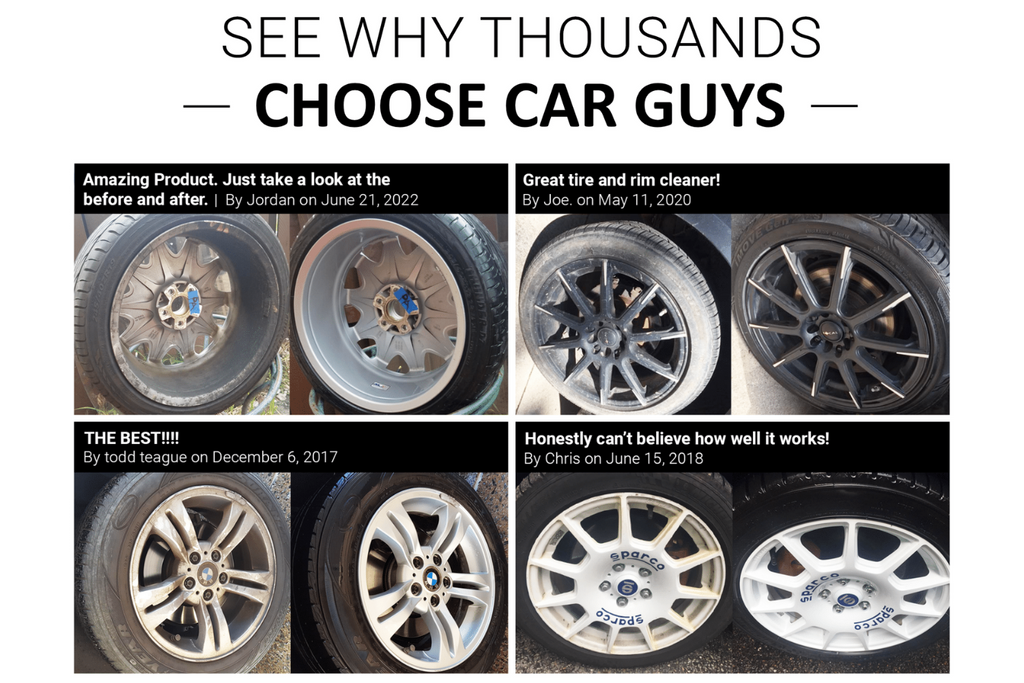
Dry the tires using a clean microfiber cloth to prevent water spots. Apply a tire protectant to maintain shine and guard against cracking. Regular cleaning prevents buildup and extends tire life. Store cleaners in a cool, dry place for best performance.
Credit: www.carguysdetail.com
Maintaining Shiny Tires
Maintaining shiny tires keeps your vehicle looking clean and cared for. Shiny tires improve your car’s overall appearance. They also protect the rubber from wear and tear. Using the right tire cleaner helps keep tires bright and fresh. Follow these tips to keep your tires looking their best.
Regular Cleaning Schedule
Clean your tires often to keep dirt and grime away. Set a schedule, such as every two weeks. Regular cleaning prevents buildup that dulls the tire’s shine. Use a gentle tire cleaner to avoid damage. Consistency is key for long-lasting shine.
Use Of Tire Dressings
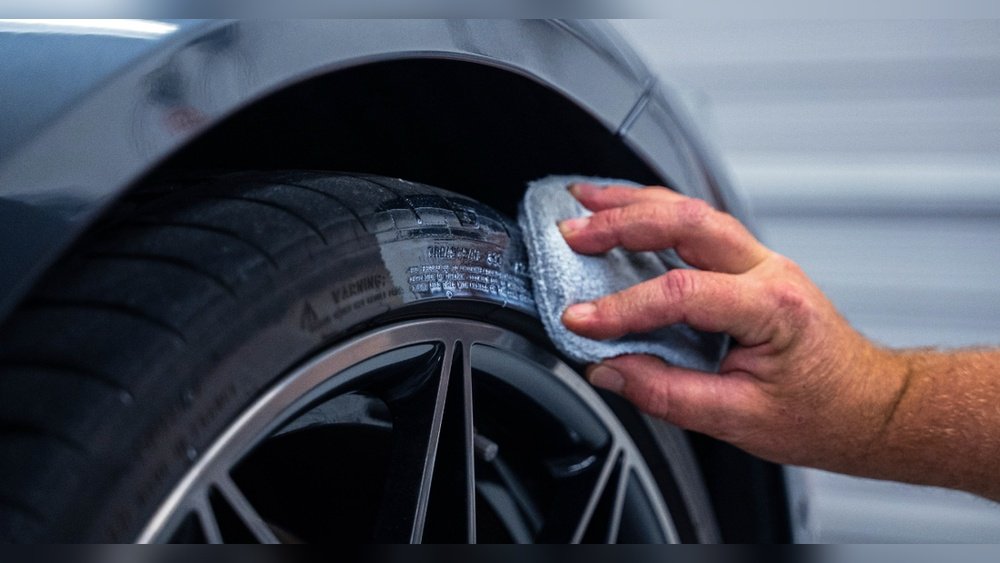
Tire dressings add a deep, rich shine after cleaning. Choose water-based dressings for a natural look. Apply evenly with a sponge or applicator pad. Avoid overusing dressings to prevent a greasy finish. Dressings also help protect the tire surface.
Avoiding Common Mistakes
Do not use harsh chemicals that can dry out tires. Avoid spraying tire cleaner on hot tires or in direct sunlight. Rinse off all cleaner to stop residue buildup. Using the wrong product can cause cracking or fading. Follow product instructions carefully for best results.
Protecting Tires From Uv Damage
UV rays cause tires to fade and crack over time. Use tire cleaners with UV protection formulas. Park in shaded areas to reduce sun exposure. Applying tire dressing regularly adds a protective layer. Protecting tires extends their life and keeps them shiny.
Credit: www.youtube.com
Frequently Asked Questions
What Is The 3% Rule For Tires?
The 3% rule for tires means the new tire’s diameter should not differ more than 3% from the original size. This ensures accurate speedometer readings, proper handling, and prevents clearance issues. Exceeding this can affect safety and vehicle performance.
What Is Better, H Or V Rating On Tires?
H and V ratings indicate tire speed limits; V tires handle higher speeds (up to 149 mph), while H tires are rated for 130 mph. Choose based on your vehicle’s speed needs and driving conditions.
Are You Supposed To Rinse Off Tire Cleaner?
Yes, rinse off tire cleaner thoroughly with water to remove dirt and residue. This prevents damage and ensures a clean finish.
Is Dawn Dish Soap Good For Cleaning Tires?
Dawn dish soap effectively removes dirt and grime from tires. It cleans without harsh chemicals, protecting rubber surfaces. Use diluted soap and rinse thoroughly for best results.
Conclusion
Choosing the best tire cleaner is simpler with the right knowledge. Focus on your tire type and cleaning needs first. Consider safety, ease of use, and ingredients carefully. Test a small area before full application every time. This helps avoid damage and ensures good results.
Clean tires often to keep them looking fresh longer. Clear, safe, and effective tire cleaners make a big difference. Keep these tips in mind for a cleaner, safer ride.