When it comes to tackling grease and grime, choosing the right degreaser can make all the difference. But with so many types available, how do you know which one fits your needs?
Whether you’re cleaning heavy machinery, delicate electronics, or your kitchen surfaces, understanding the different types of degreasers helps you work smarter—not harder. You’ll discover clear explanations of water-based and solvent-based degreasers, plus specialized options like food-safe and aerosol forms. By the end, you’ll know exactly which degreaser to reach for, saving you time, effort, and frustration.
Ready to clean like a pro? Let’s dive in.
Water-based Degreasers
Water-based degreasers use water as their main ingredient. They clean by breaking down grease and dirt without harsh chemicals. These degreasers are popular for their safety and environmental benefits. They come in several types, each suited for different cleaning needs.
Alkaline Degreasers
Alkaline degreasers contain strong bases like sodium or potassium hydroxide. They work well on heavy, oily grease in industrial settings. These degreasers break down tough grime quickly. Use them carefully, as they can be harsh on some surfaces.
Neutral Degreasers
Neutral degreasers have a balanced pH around 7. They clean gently without damaging delicate materials. These are perfect for light cleaning jobs on sensitive surfaces. They remove grease without causing corrosion or fading.
Acidic Degreasers
Acidic degreasers include acids such as hydrochloric or phosphoric acid. They target rust, mineral deposits, and scale buildup. These degreasers are not meant for general grease cleaning. They require careful handling due to their corrosive nature.
Enzyme And Bio Degreasers
Enzyme and bio degreasers use natural enzymes to break down organic grease and dirt. They are eco-friendly and safe for many environments. These degreasers work slowly but effectively on food stains and organic waste. Ideal for kitchens and hospitality settings.
Credit: thecleaningstation.com
Solvent-based Degreasers
Solvent-based degreasers use chemical solvents to dissolve grease and oils. They work by breaking down oily residues without water. These degreasers are strong and effective on tough grime. They are common in industrial and mechanical cleaning. Different solvents offer unique cleaning strengths and safety levels. Understanding these types helps choose the right degreaser for each task.
Petroleum-based Solvents
Petroleum-based solvents come from crude oil. Common examples include mineral spirits and kerosene. They dissolve heavy oils and grease quickly. These solvents work well on engines and machinery parts. They evaporate slowly, allowing longer contact with grime. Care is needed as they can harm some plastics and rubber. Proper ventilation is important due to strong fumes.
Chlorinated Solvents
Chlorinated solvents contain chlorine atoms in their structure. Examples include trichloroethylene and perchloroethylene. They remove grease effectively and dry fast. These solvents resist water and leave little residue. They are often used in metal cleaning and degreasing. Chlorinated solvents pose health and environmental risks. Use protective gear and follow disposal rules strictly.
Citrus And Oxygenated Solvents
Citrus solvents come from natural citrus oils, especially d-limonene. Oxygenated solvents include alcohols and esters. These are gentler than petroleum or chlorinated types. They provide good grease removal for light to medium soils. Citrus solvents have a pleasant smell and often biodegrade quickly. They are safer for indoor use and less toxic. Oxygenated solvents also dissolve adhesives and resins well.
Specialized Degreaser Types
Specialized degreasers target specific cleaning needs in unique environments. They differ from general-purpose products in formulation and application. These degreasers handle delicate tasks or hard-to-reach areas. Choosing the right type improves cleaning efficiency and safety. The following specialized types serve distinct purposes across industries.
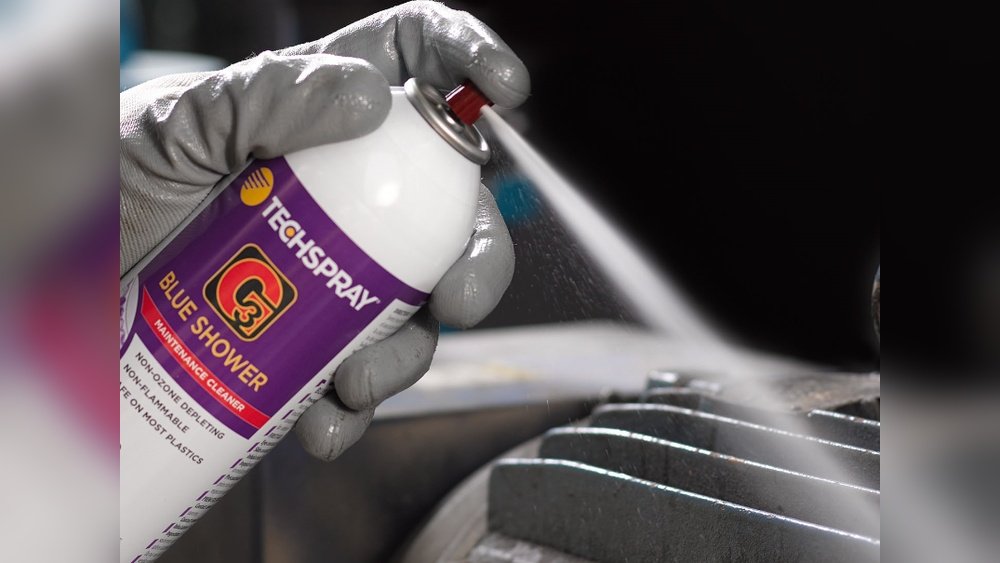
Aerosol Degreasers
Aerosol degreasers come in spray cans for quick use. They deliver a fine mist to small or tricky spots. These degreasers dry fast, reducing downtime during cleaning. Ideal for machines and tools needing spot treatment. Their portability makes them convenient for on-site repairs.
Food-safe Degreasers
Food-safe degreasers meet strict safety standards for kitchens and food areas. They contain non-toxic ingredients safe for food contact surfaces. These products remove grease without leaving harmful residues. Commonly used in restaurants, cafeterias, and food processing plants. They help maintain hygiene without risking contamination.
Electrical Contact Degreasers
Electrical contact degreasers clean sensitive electronic parts safely. They are non-conductive and evaporate without leaving residue. These degreasers prevent corrosion and improve electrical connections. Used on circuit boards, switches, and connectors. Their gentle formula protects delicate components from damage.
Foam And Gel Formulations
Foam and gel degreasers cling to vertical or curved surfaces longer. This increases contact time for better grease breakdown. They reduce drip and waste during application. Common in heavy machinery, engines, and industrial equipment cleaning. These formulations allow precise application with less mess.
Choosing Degreasers By Application
Choosing the right degreaser depends on the cleaning task and surface type. Different degreasers suit various applications. Selecting the proper one ensures effective cleaning without damage. Understanding the needs of each cleaning job guides the choice. Below are key application areas and suitable degreasers for each.
Heavy Machinery Cleaning
Heavy machinery often has thick grease and oil buildup. Strong alkaline or solvent-based degreasers work best. They break down tough grime and grease quickly. These degreasers remove dirt from engines, gears, and metal parts. Use protective gear and follow safety instructions. Rinse thoroughly to avoid residue that can affect machinery.
Delicate Surface Cleaning
Delicate surfaces need gentle cleaning to avoid damage. Neutral or enzyme-based water degreasers are ideal choices. They clean without harsh chemicals or abrasives. These degreasers remove light grease and dirt safely. Use soft cloths or sponges to apply the cleaner. Avoid solvent-based products as they may harm finishes.
Electronics And Electrical Components
Electronics require special degreasers that do not conduct electricity. Electrical contact cleaners or aerosol degreasers are suitable. They evaporate fast without leaving residue. These degreasers remove oils and dust from circuit boards and connectors. Always power off devices before cleaning. Use small amounts to prevent moisture damage.
Safety And Environmental Factors
Safety and environmental factors play a crucial role in selecting the right degreaser. Some degreasers contain chemicals that can harm health and nature. Understanding these risks helps in choosing safer products and using them properly. Protecting workers and the environment should be a top priority.
Health Risks Of Chlorinated Solvents
Chlorinated solvents are strong degreasers often used in industries. These chemicals can cause skin irritation, dizziness, and respiratory problems. Long-term exposure may lead to serious health issues like liver or kidney damage. They also release harmful fumes that affect indoor air quality. Proper ventilation and protective gear are necessary when using these solvents.
Eco-friendly And Bio-based Options
Eco-friendly degreasers use natural ingredients that break down easily in the environment. Bio-based degreasers often contain enzymes or plant extracts. These options reduce pollution and lower health risks for users. They are ideal for homes and businesses aiming to reduce their carbon footprint. Many bio-based degreasers perform well on grease and grime without harsh chemicals.
Proper Handling And Disposal
Handle all degreasers with care to avoid spills and accidents. Always read the product label for safety instructions. Use gloves and eye protection when applying degreasers. Dispose of leftover chemicals according to local regulations. Never pour degreasers down drains or onto soil. Proper disposal prevents water contamination and protects wildlife.

Credit: thecleaningstation.com
Performance And Efficiency
Performance and efficiency are key factors in choosing the right degreaser. The cleaning strength and speed affect how well and fast a degreaser removes grease. Understanding these aspects helps pick the best product for each cleaning job.
Emulsification And Cleaning Power
Emulsification is the process that breaks grease into small droplets. This makes grease easier to wash away with water. Strong emulsifiers improve cleaning power by loosening tough oils and dirt. Some degreasers use enzymes or solvents to boost emulsification. The better the emulsification, the less scrubbing is needed.
Ready-to-use Vs Concentrates
Ready-to-use degreasers come pre-mixed and are simple to apply. They save time but may cost more per use. Concentrates need dilution with water before use. They offer flexibility in strength and are often more economical. Choosing depends on the cleaning task size and frequency. Concentrates suit large or repeated jobs well.
Contact Time And Residue
Contact time is how long a degreaser stays on a surface before rinsing. Longer contact can improve grease removal but may harm some materials. Quick-action degreasers work fast but might need more product. Residue left behind can attract dirt or damage surfaces. High-quality degreasers rinse clean without sticky leftovers. Always check product labels for contact time and residue info.

Credit: www.conro.com
Frequently Asked Questions
What Are The Different Types Of Degreasers?
Degreasers include water-based types: alkaline, neutral, acidic, and enzyme/bio. Solvent-based types are petroleum, chlorinated, and citrus. Others are aerosol, food-safe, electrical contact, and foam/gel degreasers, each designed for specific cleaning needs and safety requirements.
How To Choose The Right Degreaser?
Choose a degreaser based on the surface type, grease severity, safety, and environmental impact. Select water-based for general use, solvent-based for heavy grease, and food-safe for kitchen areas. Prioritize non-toxic, eco-friendly options when possible.
What Is The Most Effective Degreaser?
The most effective degreaser depends on the task. Alkaline degreasers excel on heavy grease. Citrus-based degreasers work well for general use and are eco-friendly. Choose based on surface type, safety, and environmental impact.
What Are The 4 Types Of Cleaning Agents?
The four types of cleaning agents are alkaline, neutral, acidic, and enzyme-based. Each targets specific dirt and surfaces effectively.
Conclusion
Choosing the right degreaser depends on your cleaning needs. Water-based types suit most surfaces and are safer. Solvent-based degreasers work well on tough grease but need careful handling. Specialized forms like aerosol and food-safe offer convenience and safety. Always consider the surface, safety, and environment before use.
Understanding these types helps you clean smarter and protect your space.