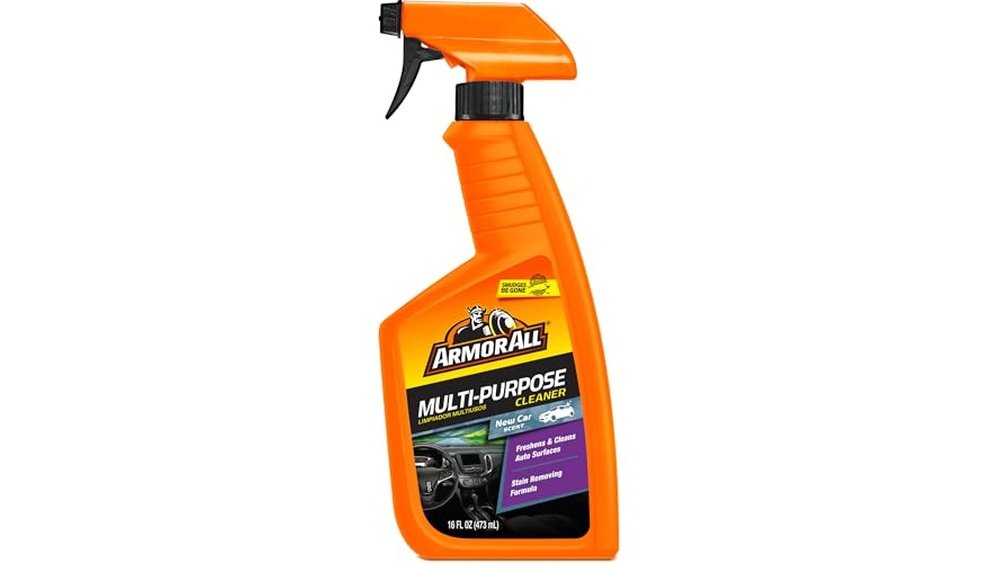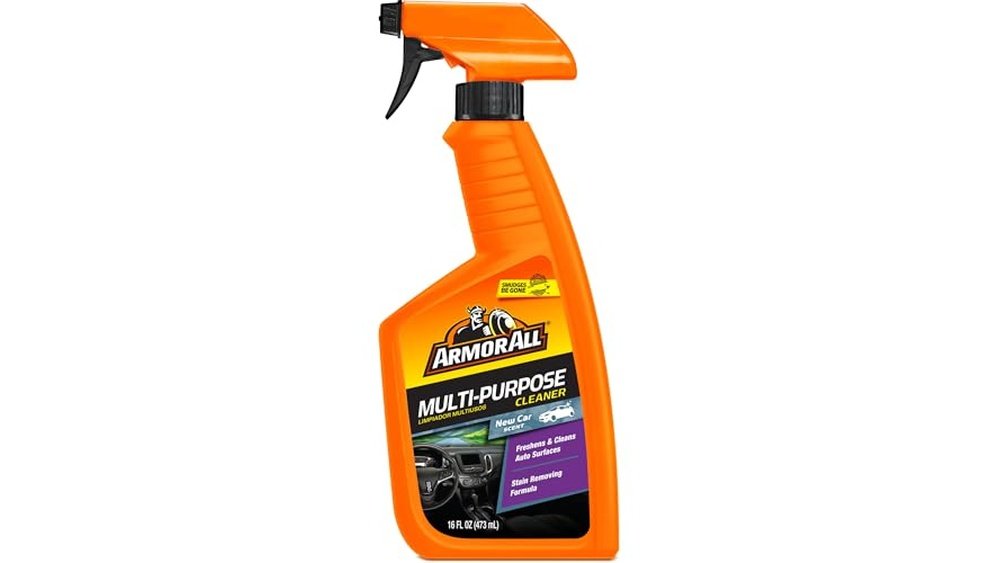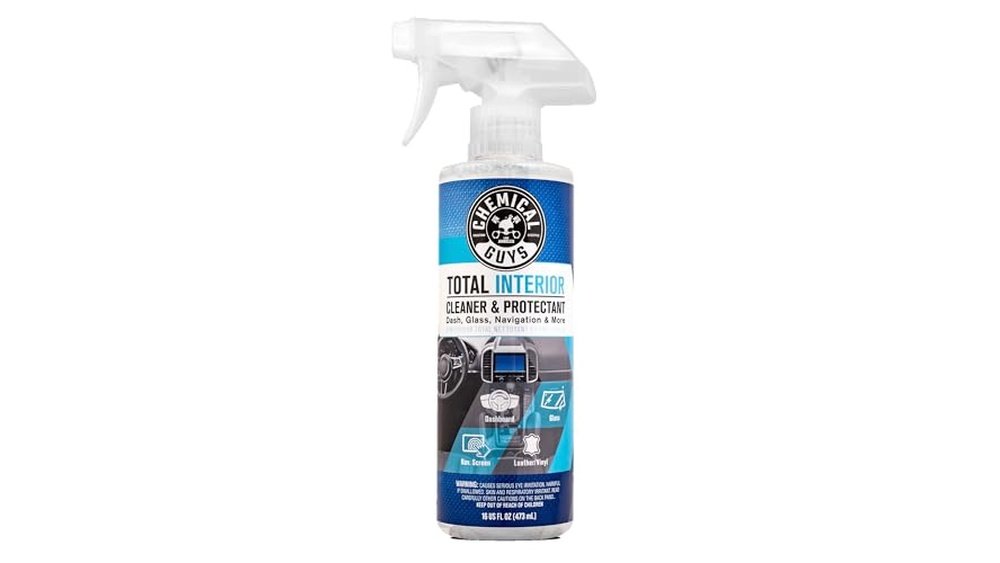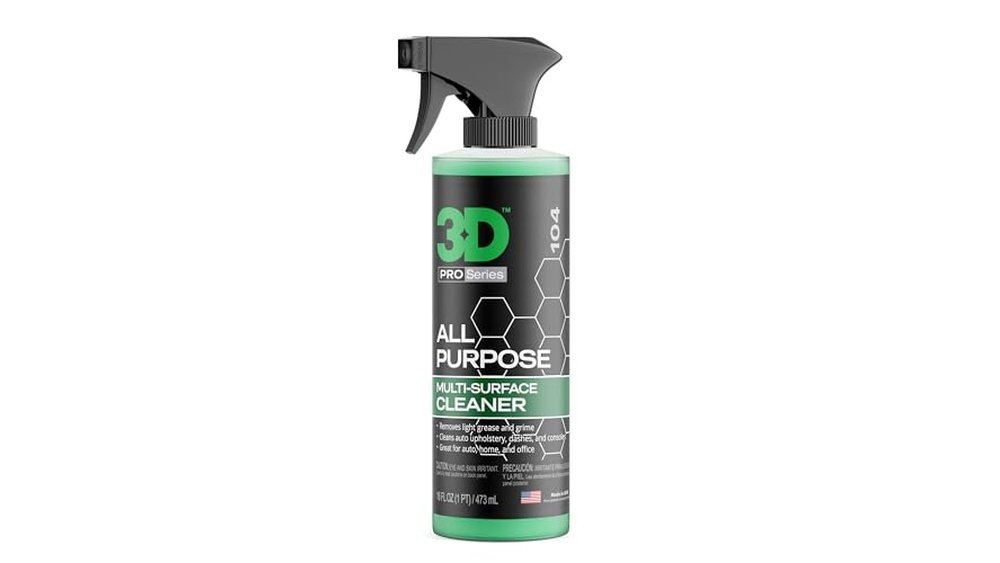
If your engine looks grimy and covered in grease, it’s time to take action—and using a degreaser is the best way to get it spotless. But how do you use a degreaser on your engine without causing damage?
You want your engine to run smoothly and look great, not end up with electrical issues or corrosion. In this guide, you’ll learn simple, clear steps to safely and effectively clean your engine bay. From protecting sensitive parts to choosing the right product and rinsing properly, you’ll gain the confidence to tackle that tough grease buildup.
Keep reading, and discover how easy it is to bring your engine back to life with the right degreasing technique.
Preparing The Engine
Preparing the engine before applying a degreaser is essential for a safe and effective cleaning process. This step helps avoid damage to your vehicle’s components and ensures the degreaser works properly. Follow these simple preparations to get your engine ready.
Cool Down The Engine
Always let the engine cool completely before cleaning. A hot engine can cause the degreaser to evaporate quickly. This reduces its cleaning power. Also, spraying a degreaser on a hot engine may cause damage or burns. Wait at least 30 minutes after turning off the engine.
Protect Sensitive Components
Cover electrical parts with plastic bags or wrap. This includes the alternator, air intake, sensors, and fuse box. Protecting these parts prevents water and degreaser from causing harm. Secure the coverings with tape or rubber bands to keep them in place during cleaning.
Disconnect The Battery
For extra safety, disconnect the negative battery terminal. This stops any electrical shorts or sparks. Use a wrench to loosen the clamp and remove the cable. Keep the cable away from the battery to avoid accidental contact. Reconnect it only after the cleaning is complete and the engine is dry.
Choosing The Right Degreaser
Choosing the right degreaser is key to cleaning your engine safely and effectively. The wrong product can harm engine parts or leave residue behind. Understanding the types of degreasers and selecting one with engine-safe formulations helps protect your vehicle. This ensures a thorough clean without damage.
Types Of Degreasers
Degreasers come in different forms: solvent-based, water-based, and citrus-based. Solvent-based degreasers are strong and remove heavy grease quickly. Water-based degreasers are milder and easier to rinse off. Citrus-based degreasers use natural oils and are safer for the environment. Each type has pros and cons for engine cleaning.
Choose a degreaser based on the level of dirt and engine materials. Heavy grime may need a stronger solvent product. Light grease or regular cleaning works well with water or citrus types. Always check product labels for recommended uses.
Engine-safe Formulations
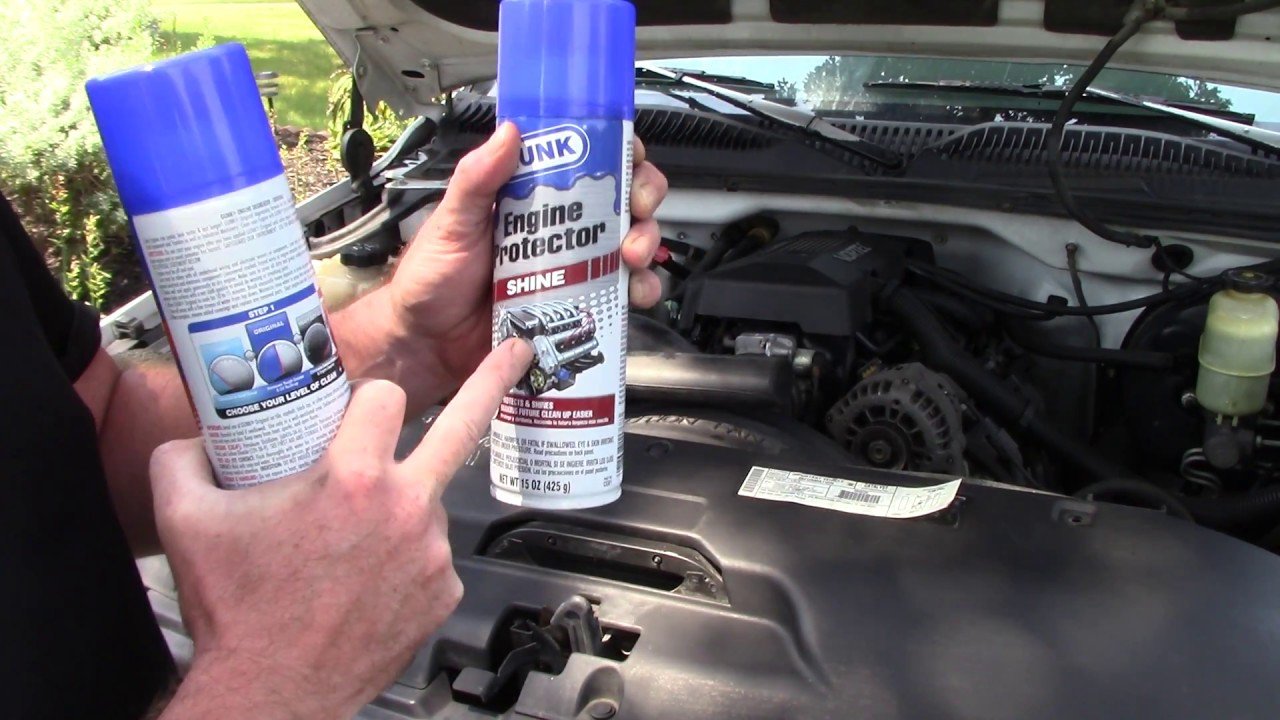
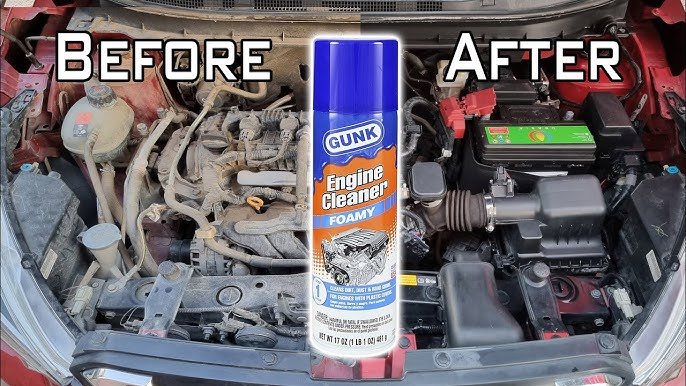
Use degreasers specifically made for engines. These formulations avoid harsh chemicals that can damage plastics, rubber, and electrical parts. Engine-safe degreasers clean well without causing corrosion or deterioration.
Look for products labeled safe for automotive use or engine bays. They often contain corrosion inhibitors and gentle surfactants. This protects sensitive components like wiring, sensors, and hoses.
Choosing an engine-safe degreaser reduces the risk of damage. It gives peace of mind during cleaning. Always follow the instructions for best results and safety.
Applying The Degreaser
Applying the degreaser correctly is key to cleaning your engine effectively. It helps break down grease and grime, making the cleaning process easier. Use the right technique to cover all parts without wasting product. Take your time and work carefully for the best results.
Even Spray Techniques
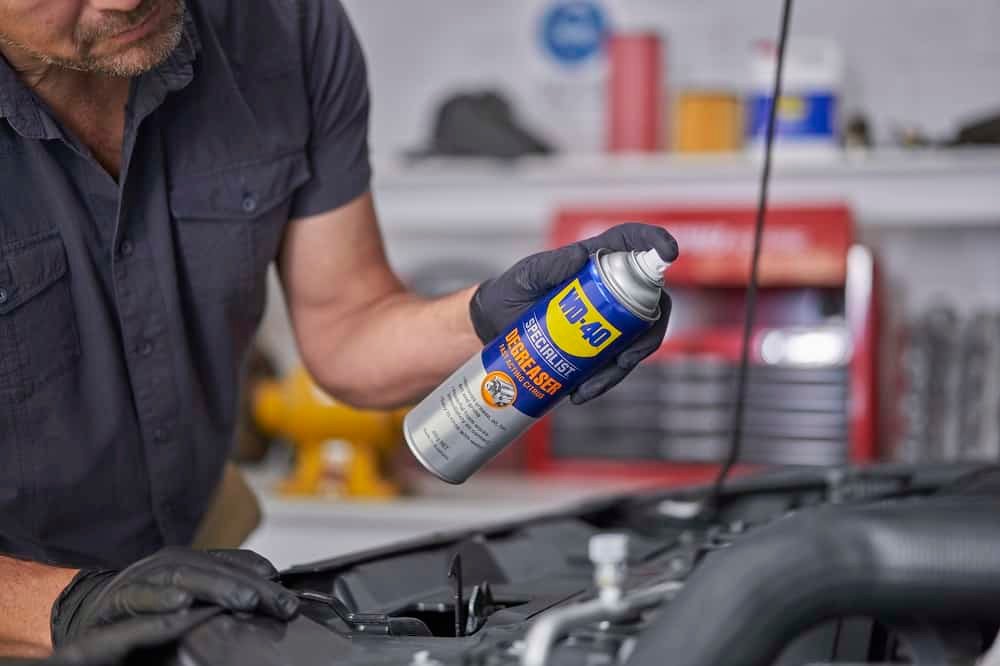
Hold the degreaser spray about 8 to 12 inches from the engine. Spray in a steady, sweeping motion to cover surfaces evenly. Avoid soaking any one spot too much. Keep the spray light but thorough. This approach prevents oversaturation and helps the degreaser work properly.
Targeting Greasy Areas
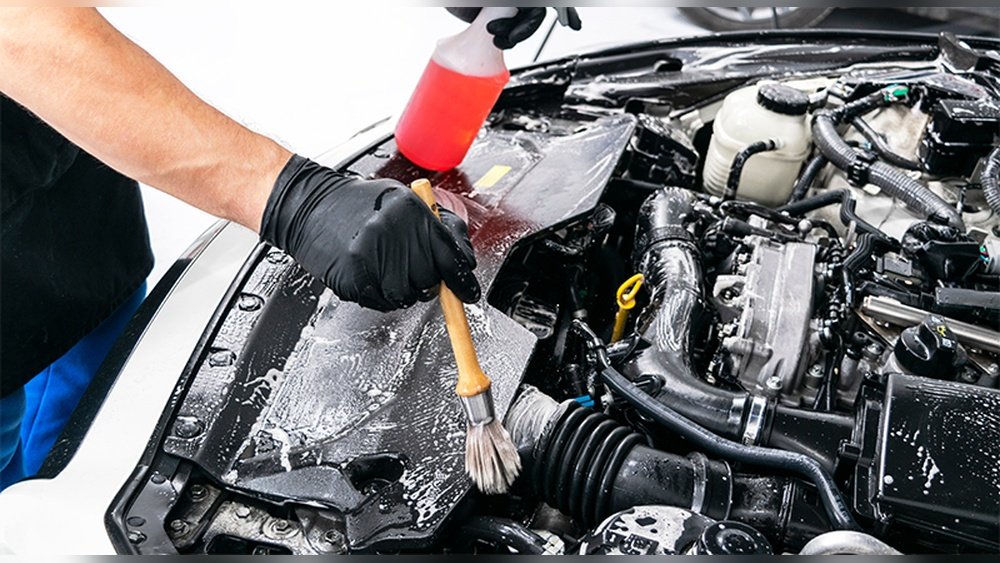
Focus on parts with heavy grease buildup like valve covers and engine block. Spray directly on these spots for better cleaning power. Let the degreaser sit for a few minutes to loosen dirt. Use a brush to scrub tough grease gently. This method breaks down grime without damaging engine parts.
Agitating And Scrubbing
Agitating and scrubbing are key steps in using a degreaser on an engine. These actions help break down and lift grease and grime. Proper scrubbing ensures the degreaser reaches all engine surfaces. It also speeds up the cleaning process and improves results.
Using Brushes Effectively
Choose brushes with stiff bristles for tough dirt. Use larger brushes for broad engine parts. Small brushes reach tight spots and crevices. Move the brush in circular motions to loosen grease. Apply gentle pressure to avoid damage. Replace worn brushes to keep cleaning effective.
Handling Stubborn Dirt
Stubborn dirt needs extra attention. Spray more degreaser on these areas. Let it sit for a few minutes to soften grime. Use a stiff brush to scrub firmly but carefully. Repeat scrubbing if dirt remains. Avoid harsh tools that could scratch engine parts.
Rinsing The Engine
Rinsing the engine after applying degreaser is a crucial step. It removes loosened dirt and chemical residues. Proper rinsing ensures the engine looks clean without causing damage. Use the right water pressure and avoid sensitive parts to protect your engine.
Low-pressure Water Use
Use low-pressure water for rinsing the engine. High pressure can force water into unwanted areas. A gentle spray helps wash away degreaser and grime safely. Avoid using a strong hose or power washer directly on the engine. Low pressure prevents damage to engine components and seals.
Avoiding Sensitive Parts
Cover sensitive parts before rinsing the engine. Electrical connections, sensors, and the air intake need protection. Use plastic bags or wrap to shield these areas. Water can cause shorts or corrosion if it reaches these parts. Keep the battery disconnected to add safety. Rinse carefully to keep these components dry and safe.
Credit: www.youtube.com
Drying And Finishing
Drying and finishing your engine after using a degreaser is crucial. Proper drying prevents rust and electrical problems. It also helps keep your engine looking clean and fresh. Taking time to dry the engine well ensures the degreaser does not leave residue. Follow these steps to complete the cleaning process safely and effectively.
Using Compressed Air Or Blowers
Use compressed air or blowers to remove water from tight spots. This helps dry areas that towels cannot reach. Direct the air carefully around wires, sensors, and connectors. Avoid using high pressure close to delicate parts to prevent damage. Move the air source steadily to dry the entire engine bay. This step reduces moisture and prevents corrosion or electrical shorts.
Final Wipe Down
After using air, wipe the engine with a clean microfiber cloth. This removes any leftover dirt or degreaser residue. Focus on visible surfaces and crevices. A dry cloth also helps absorb remaining moisture. Use gentle pressure to avoid scratching. This final step leaves your engine clean and ready for use.
Safety Tips And Precautions
Using a degreaser on an engine requires careful attention to safety. Protecting sensitive parts and avoiding errors ensures effective cleaning without damage. Follow these safety tips before and during the degreasing process.
Protecting Electrical Systems
Cover all electrical components with plastic wrap or bags. Secure the alternator, air intake, fuse box, and sensors carefully. Avoid spraying degreaser directly on these parts. Disconnect the battery’s negative terminal for extra safety. Keep water and cleaning fluids away from wiring and connectors. This prevents short circuits and costly repairs.
Avoiding Common Mistakes
Always work on a cool engine to stop degreaser from evaporating too fast. Do not use high-pressure water to rinse the engine. It can force water into sealed parts. Spray degreaser evenly and avoid over-applying it. Let it soak for a few minutes, but do not let it dry out. Use soft brushes to remove grime gently. Rinse with low-pressure water and dry the engine thoroughly after cleaning.
Credit: www.youtube.com
Dealing With Tough Grease
Removing tough grease from an engine can be challenging. Some spots hold stubborn buildup that resists quick cleaning. To tackle these areas effectively, special care and techniques are needed. Using the right approach ensures the engine looks clean without damage.
Repeating The Process
Sometimes one round of degreasing is not enough. Apply the degreaser again on the greasy spots. Let it sit a few minutes to break down the grime. Use a brush to scrub the area gently. Rinse lightly and check if more cleaning is needed. Repeat these steps until the grease starts to lift away. Patience helps achieve a thorough clean.
Using Stronger Products
If regular degreasers fail, consider stronger formulas. Choose products designed for heavy-duty engine cleaning. Follow the instructions carefully to avoid damage. Test the product on a small area first. Wear gloves to protect your skin. Apply the stronger degreaser only to the toughest grease patches. After treatment, rinse well to remove all residue. Stronger products can break down grime that mild ones cannot.
Maintaining A Spotless Engine
Keeping your engine clean is essential for its performance and longevity. A spotless engine runs cooler and makes finding leaks easier. Dirt and grease buildup can cause parts to wear out faster. Using a degreaser helps remove stubborn grime and keeps the engine bay tidy. Regular care prevents costly repairs and keeps your vehicle looking its best.
Regular Cleaning Schedule
Set a cleaning routine for your engine bay. Clean it every three to six months, depending on use. More frequent cleaning suits dusty or oily conditions. Stick to a schedule to avoid heavy grease buildup. Regular cleaning keeps the engine in top condition and avoids damage.
Preventive Measures
Protect sensitive parts before cleaning. Cover the battery, alternator, and sensors with plastic bags. Avoid spraying degreaser on electrical components directly. Use a gentle brush to loosen dirt without harming parts. Dry the engine thoroughly after rinsing to prevent rust. These steps reduce risks and keep your engine safe.
Credit: wd40.com.au
Frequently Asked Questions
How To Properly Use An Engine Degreaser?
Ensure the engine is cool and cover sensitive parts. Spray degreaser evenly on greasy areas. Scrub with a brush, rinse gently with low-pressure water, then dry thoroughly. Use engine-safe products and repeat if needed.
Can You Put Degreaser On An Engine?
Yes, you can put degreaser on an engine. Always cover sensitive parts and use it on a cool engine. Spray, scrub, rinse gently, and dry thoroughly to avoid damage.
How Long Do You Let An Engine Degreaser Sit?
Let the engine degreaser sit for 5 to 10 minutes to break down grease effectively. Avoid letting it dry completely.
Should You Degrease An Engine Hot Or Cold?
Degrease the engine when it is cold to prevent rapid degreaser evaporation and avoid damage. Protect electrical parts before cleaning.
Conclusion
Using a degreaser on your engine helps keep it clean and running smoothly. Always start with a cool engine to avoid damage. Protect sensitive parts like sensors and the battery before spraying. Apply the degreaser evenly, scrub tough spots gently, and rinse with low pressure.
Dry the engine completely to prevent moisture issues. Regular cleaning can improve your engine’s performance and lifespan. Follow these simple steps carefully for the best results. Clean engines last longer and work better. A clean engine also makes spotting problems easier.