You want your paint—whether on your car, walls, or other surfaces—to look flawless and last long. But what happens when you grab a degreaser to clean tough grime and wonder, “Can degreasers damage paint?” It’s a smart question because not all cleaners are safe for every surface.
Using the wrong degreaser or applying it the wrong way might strip away protective layers, cause discoloration, or even make your paint peel. You’ll discover how degreasers can affect paint, the risks involved, and simple tips to protect your surfaces while still getting them spotless.
Keep reading to avoid costly mistakes and keep your paint looking fresh and vibrant!
Degreasers And Paint Interaction
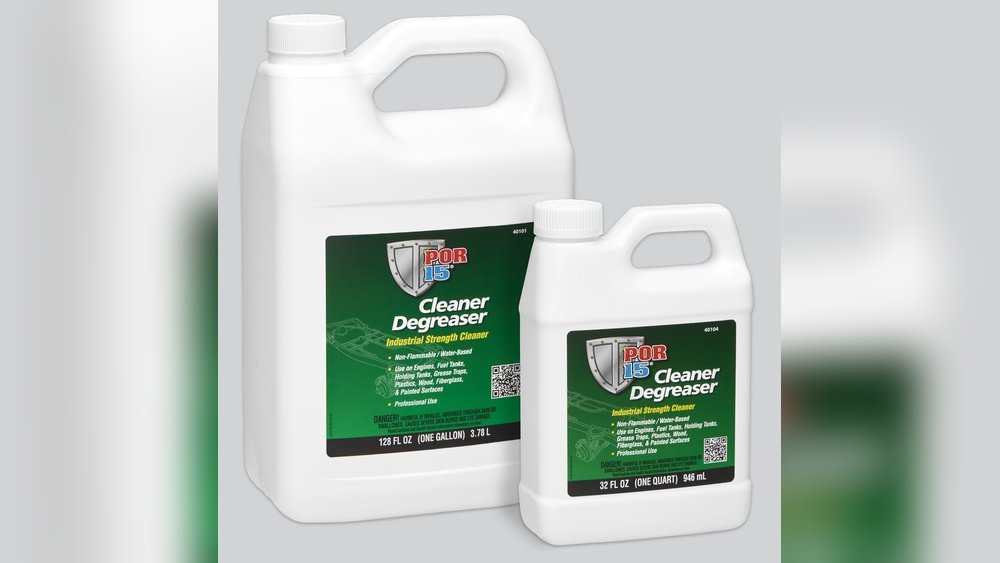
Degreasers are powerful cleaning agents designed to remove oils and grime. Their interaction with painted surfaces can vary depending on the chemical makeup of the degreaser and the type of paint. Some degreasers may harm the paint, while others are formulated to be safe. Understanding how degreasers affect paint helps protect your vehicle’s finish during cleaning.
Chemical Effects On Paint
Many degreasers contain solvents that can break down paint layers. These chemicals may strip away protective coatings like wax and clear coat. Strong solvents can cause the paint to fade or lose its shine. Prolonged exposure to harsh degreasers can even lead to paint peeling or bubbling. Water-based or pH-neutral degreasers are gentler and less likely to damage paint. Always test a small hidden area before full use to avoid surprises.
Wax And Clear Coat Impact
Degreasers often remove wax and clear coat from painted surfaces. Wax protects paint from dirt, water, and UV rays, so losing it exposes the paint to damage. Clear coats add extra protection and a glossy finish. When these layers are stripped, paint becomes vulnerable to fading and scratches. Reapplying wax or sealant after degreasing is essential to restore protection. Using mild degreasers helps maintain wax and clear coats longer.
Types Of Degreasers
Degreasers come in various types, each with unique properties and effects on painted surfaces. Choosing the right degreaser helps prevent paint damage while effectively cleaning. Understanding the types aids in safer use around painted areas.
Solvent-based Options
Solvent-based degreasers are powerful cleaners. They dissolve grease and oil quickly. These degreasers can break down tough stains and grime. They work fast but may harm some paint finishes. Testing on a hidden spot is essential before full use. Prolonged exposure can strip wax and dull paint.
Bio-based Alternatives
Bio-based degreasers use natural ingredients. They tend to be gentler on painted surfaces. These options are biodegradable and eco-friendly. Still, they may not remove heavy grease as quickly. Use them carefully and avoid leaving them on paint too long. They offer a safer choice for regular cleaning.
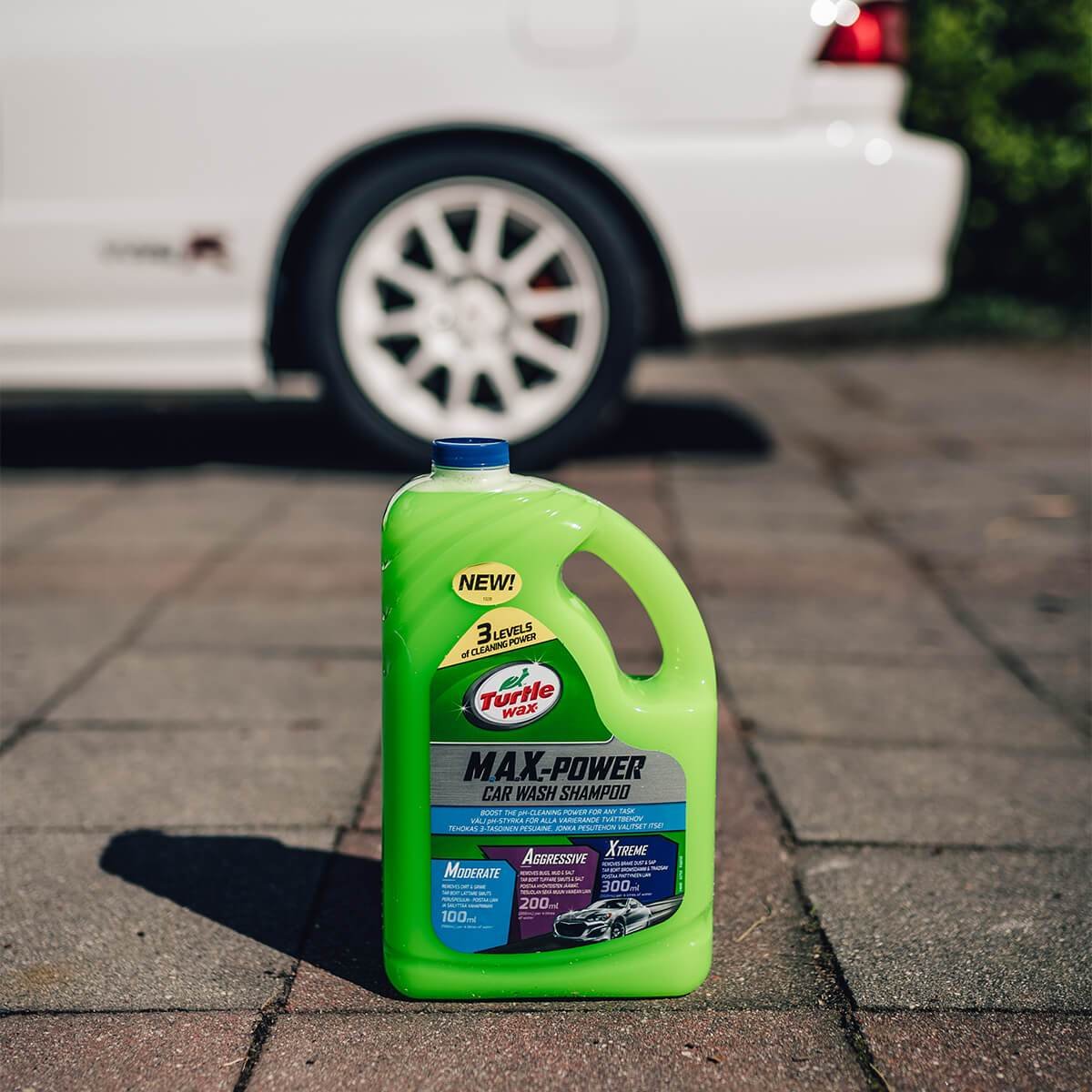
Water-based And Ph-neutral Choices
Water-based degreasers often have a neutral pH. They are mild and less likely to harm paint. These degreasers are ideal for delicate surfaces. Diluting with water reduces the risk of damage. Always test on a small area first. They clean effectively without stripping protective coatings.
Common Paint Damage Risks
Using degreasers on painted surfaces carries certain risks. Paint can suffer damage in several ways if harsh chemicals are applied incorrectly. Understanding these common paint damage risks helps protect your surfaces and keep them looking fresh.
Strong degreasers can harm the paint’s finish. They may strip protective layers or react with the paint itself. Some damage happens quickly, while other effects show up after repeated use or long exposure.
Dulling And Fading
Degreasers often remove wax and clear coats from paint. This removal leaves the paint unprotected from sunlight and dirt. The paint can lose its shine and look dull or faded. Over time, colors may become less vibrant and appear washed out.
Staining And Etching
Certain degreasers contain strong chemicals that can stain paint. They may cause small marks or spots that seem etched into the surface. Darker or older paints are more vulnerable to these stains. These marks can be hard to remove and may ruin the paint’s appearance.
Peeling And Bubbling
Prolonged contact with harsh degreasers can damage the paint layer beneath. The paint may start to bubble or peel away from the surface. This damage weakens the paint and exposes the material underneath. Repairing peeling paint often requires repainting the whole area.
Safe Usage Tips
Using degreasers safely on painted surfaces reduces the risk of damage. Follow specific steps to protect your paint while cleaning effectively. Proper handling keeps the paint vibrant and intact.
These safe usage tips help maintain your paint’s look and extend its life.
Dilution Guidelines
Always dilute degreasers with water according to the label instructions. Undiluted degreasers are often too strong and can harm paint. Using the right mix lowers chemical strength, protecting the paint surface.
Start with a mild solution. Increase strength only if necessary and safe for your paint.
Spot Testing Procedures
Test the degreaser on a small, hidden area before full use. Apply a small amount and wait a few minutes. Check for any discoloration, dullness, or damage. Spot testing prevents large-scale harm to your paint.
If damage appears, stop using that product immediately.
Quick Rinsing Importance
Do not leave degreaser on the paint for long. Rinse the area quickly with water after applying the degreaser. Prolonged contact can strip wax and damage the clear coat. Quick rinsing helps preserve the paint’s protective layers.
Post-cleaning Protection
After cleaning, apply wax or sealant to protect the paint. This step restores protection lost during degreasing. Wax creates a barrier against dirt and environmental damage. Regular protection keeps the paint looking fresh and shiny.
Surfaces To Avoid
Degreasers can be tough on many surfaces. Some materials react badly to these strong cleaners. Knowing which surfaces to avoid keeps your paint and other materials safe. This helps you use degreasers wisely and prevent damage.
Sensitive Painted Areas
Painted surfaces can suffer from degreasers. Strong chemicals strip wax and clear coats. This causes dullness and fading. Older paint may stain or etch. Prolonged exposure might make paint peel or bubble. Always test degreasers on a small, hidden spot first.
Rubber And Plastics
Rubber and many plastics do not handle degreasers well. Chemicals can dry out rubber, causing cracks. Some plastics may discolor or become brittle. Avoid spraying degreasers directly on these materials. Use gentle cleaners designed for rubber and plastic instead.
Fabric And Other Materials
Fabrics and other porous materials absorb degreasers easily. This can lead to stains and damage. Some degreasers break down fibers, weakening fabric strength. Always keep degreasers away from upholstery and carpets. Use fabric-safe cleaners for these surfaces to avoid harm.
Credit: www.turtlewax.com
Choosing The Right Degreaser
Choosing the right degreaser protects your paint and cleans effectively. Not all degreasers suit painted surfaces. Some can cause damage like fading or peeling. Select carefully to keep your paint safe and shiny. Here are key ways to pick the best product for your needs.
Evaluating Product Labels
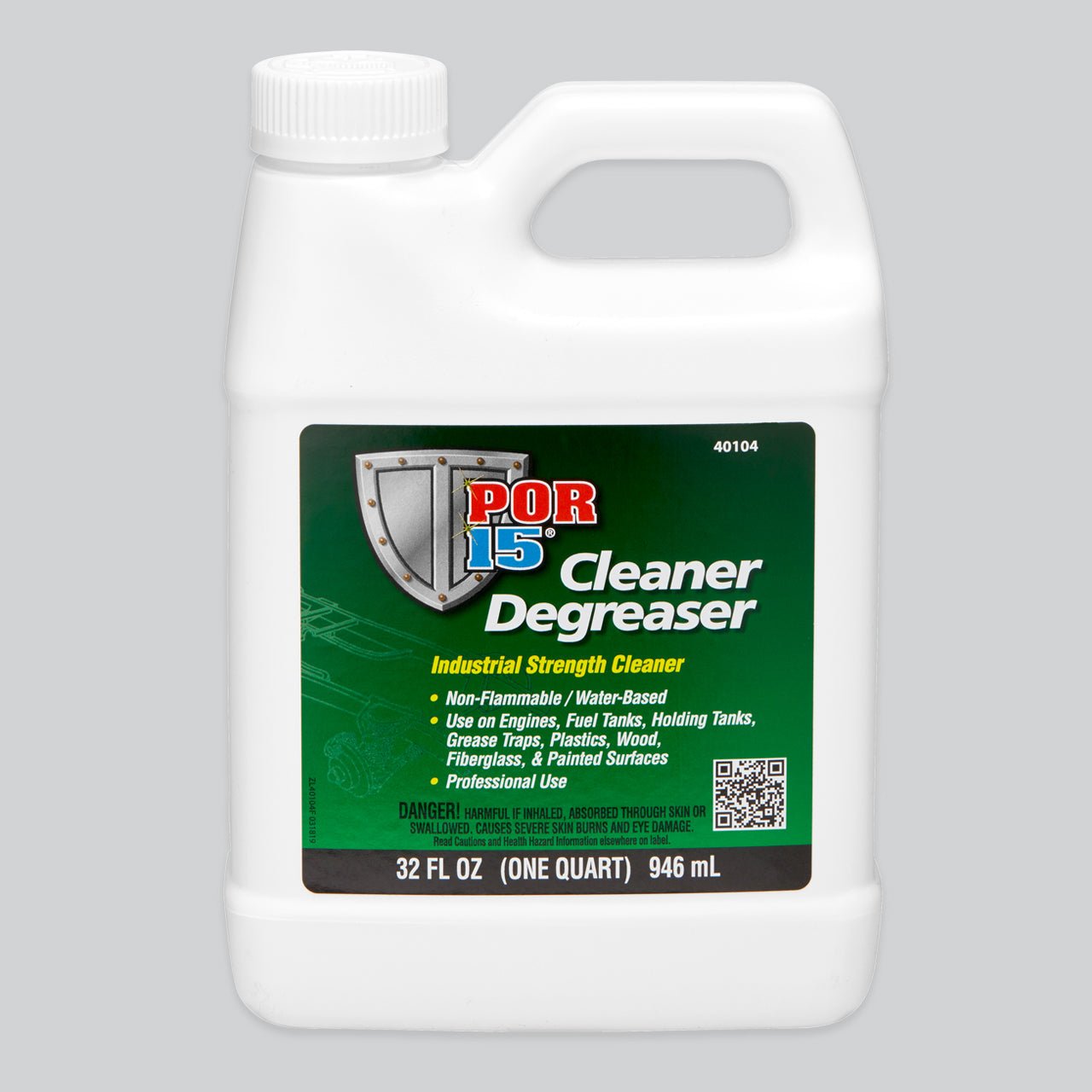
Check labels for warnings about painted surfaces. Look for terms like “safe for paint” or “non-corrosive.” Avoid products with strong solvents or acids. Water-based and pH-neutral degreasers are gentler choices. Also, note dilution instructions to reduce risks. Clear labels help you avoid harmful chemicals.
User Reviews And Recommendations
Read reviews from people with similar paint types. Honest feedback shows real results and possible issues. Pay attention to comments about fading or damage. Trusted recommendations guide you to safer options. Reviews often reveal how a degreaser works over time.
Professional Advice
Consult auto detailers or paint specialists for trusted advice. Experts know which degreasers clean well without harm. They can suggest brands suitable for your paint type. Their tips help you avoid costly mistakes. Professionals also advise on proper application methods.
Emergency Steps After Damage
Accidental damage to paint caused by degreasers requires quick action. Acting fast can reduce harm and protect the surface. Knowing the right steps helps save the paint’s look and value.
These emergency steps guide you through immediate care, restoration choices, and when to get expert help.
Immediate Cleaning Actions
Rinse the affected area with plenty of water right away. This dilutes and removes leftover degreaser. Use a soft cloth or sponge to avoid scratching the paint. Avoid rubbing hard, which can worsen damage. Dry the area gently with a clean towel. Check for any signs of discoloration or peeling.
Restoration Options
Use a mild polish or scratch remover to restore shine. Apply wax to protect the paint after cleaning. For minor stains, try a paint-safe cleaner recommended for cars or walls. Avoid harsh chemicals that could cause more damage. Repeat treatments may be necessary for better results. Watch the surface closely to see if damage improves.
When To Seek Professional Help
Call a professional if damage is deep or spreading. Paint bubbling or peeling needs expert repair. Professionals can offer specialized products and techniques. Early intervention can save repainting costs. If unsure about damage severity, consulting a pro is best. Experts ensure the paint recovers well and lasts longer.
Credit: por15.com

Credit: www.reddit.com
Frequently Asked Questions
Is Degreaser Bad For Paint?
Strong degreasers can damage paint by stripping wax, dulling finish, or causing discoloration. Use diluted, pH-neutral degreasers and test first. Rinse quickly and protect paint afterward.
Can You Use Degreaser On Painted Surfaces?
Strong degreasers can damage painted surfaces by dulling, discoloring, or peeling paint. Always test first, dilute properly, rinse quickly, and protect with wax afterward. Choose water-based, pH-neutral degreasers for safer cleaning on painted surfaces.
What Is The Best Degreaser That Doesn’t Harm Paint?
The best degreaser for paint is a water-based, pH-neutral formula. Always dilute and test it first. Rinse quickly and reapply wax for protection.
What Should You Not Use A Degreaser On?
Avoid using degreasers on painted surfaces, rubber, certain plastics, and fabrics. They can cause discoloration, damage, or degradation. Always test first and avoid prolonged contact to protect finishes.
Conclusion
Strong degreasers can harm paint by stripping wax and dulling finishes. They may cause discoloration, peeling, or bubbling if used too long or undiluted. Choosing water-based, pH-neutral degreasers reduces risks to painted surfaces. Always test products on a small, hidden spot before full use.
Rinse painted areas quickly to avoid damage. Taking these steps helps keep paint safe and looking fresh. Use degreasers carefully to protect your paint’s shine and durability.