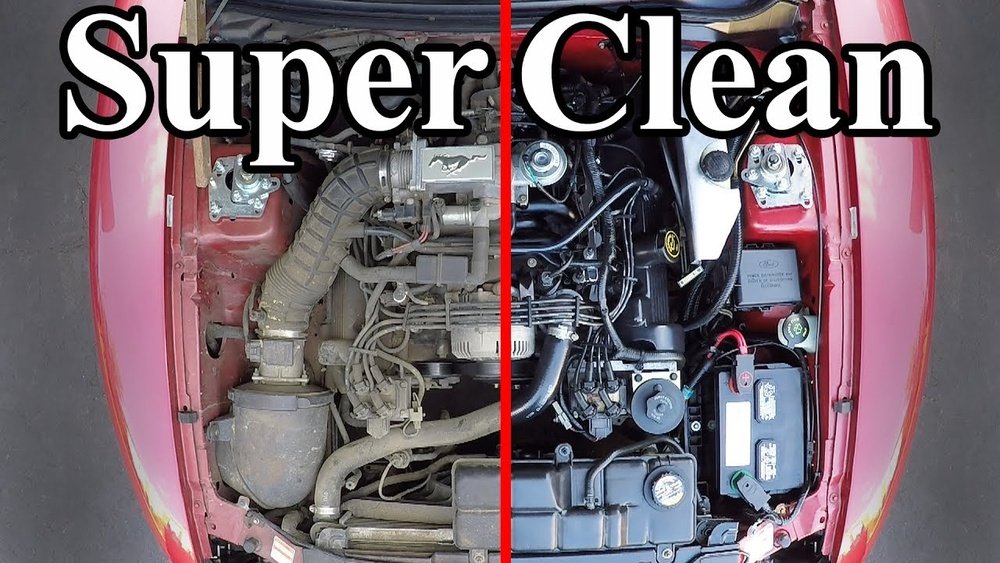
Your engine bay may be out of sight, but it shouldn’t be out of mind. Cleaning it not only keeps your car looking sharp but also helps prevent damage caused by dirt and grease buildup.
If you’ve ever wondered how to clean your engine bay safely with a degreaser, you’re in the right place. In this guide, you’ll discover simple, step-by-step tips to tackle grime without risking harm to your engine’s delicate parts. By following these easy precautions, you’ll protect your investment and keep your engine running smoothly.
Ready to get your hands a little dirty and bring that engine bay back to life? Let’s dive in!
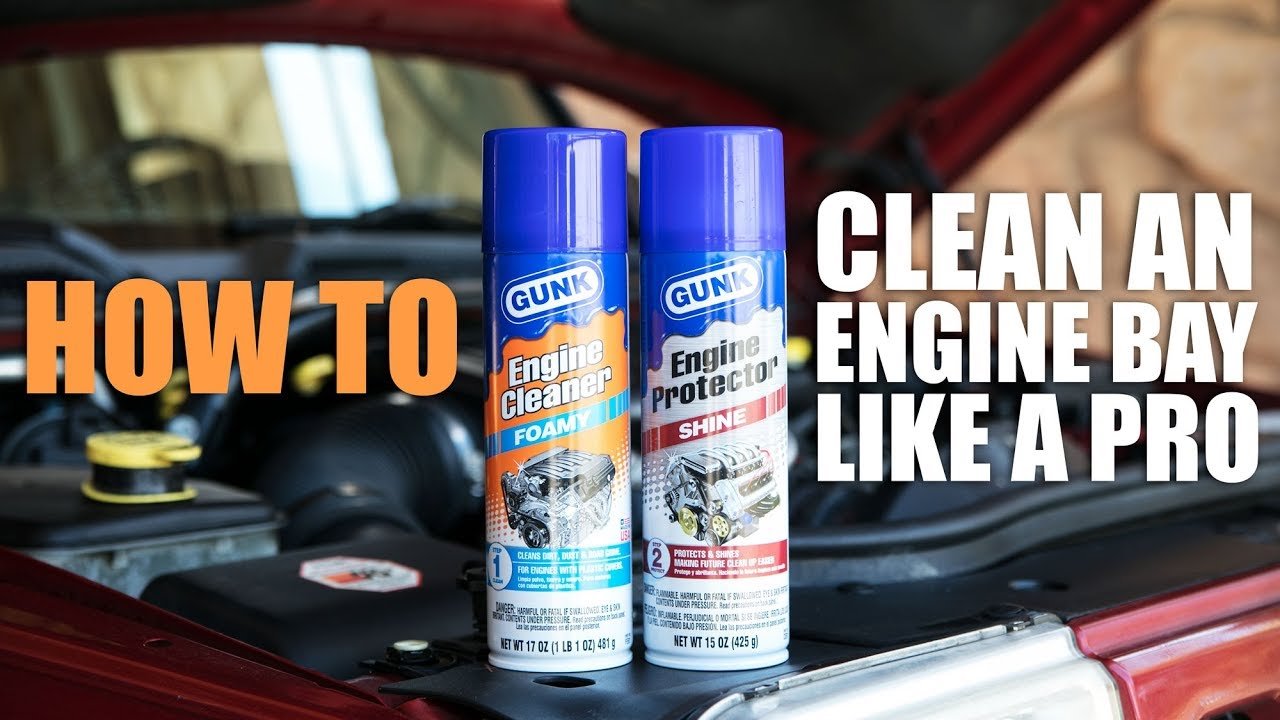
Credit: gunk.com
Safety Gear And Preparation
Cleaning an engine bay requires careful preparation and the right safety gear. Protecting yourself and your vehicle ensures a smooth and damage-free process. Proper safety gear prevents injuries and keeps harmful chemicals away from your skin and eyes. Preparing the engine and work area reduces risks and improves cleaning results.
Personal Protective Equipment
Wear gloves to protect your hands from degreaser chemicals. Use safety goggles to shield your eyes from splashes. A mask helps prevent inhaling fumes or fine particles. Long sleeves and pants provide extra skin protection. Choose gear that fits well and is comfortable to wear.
Engine Cooling And Ventilation
Always clean the engine bay when the engine is cool. Hot engines can cause burns and damage when sprayed with liquids. Work outdoors or in a well-ventilated garage to avoid buildup of fumes. Open doors or windows to allow fresh air circulation. Good ventilation keeps the air safe and fresh.
Protecting Sensitive Components
Protecting sensitive components is crucial when cleaning an engine bay with a degreaser. Many parts in the engine bay can be damaged by water or chemicals. Covering these parts prevents costly repairs and keeps the engine running smoothly. Take time to shield all vulnerable areas before applying the degreaser.
Covering Electrical Parts
Electrical parts like the battery, alternator, and wiring can short circuit if water enters. Use plastic bags or cling wrap to cover these parts completely. Secure the covers with rubber bands or tape to keep them in place. Avoid spraying degreaser directly on electrical components. This simple step protects your vehicle’s electrical system.
Shielding Air Intake And Sensors
The air intake and sensors are sensitive to moisture and dirt. Cover the air intake opening with plastic or a clean cloth to block water. Sensors can be delicate and may stop working if wet. Wrap them carefully with plastic and tape to avoid exposure. Shielding these parts ensures your engine performs well after cleaning.
Choosing The Right Degreaser
Choosing the right degreaser is key to cleaning your engine bay safely. The wrong product can damage parts or leave stubborn residue. The best degreaser removes grease and grime without harming plastics, rubber, or paint. Understand the types available to pick a product that fits your needs and protects your vehicle.
Automotive-grade Formulas
Automotive-grade degreasers are made specifically for vehicle engines. They break down tough grease and oil quickly. These formulas are strong yet safe on metal and engine components. They do not contain harsh solvents that can harm sensitive parts. Using automotive-grade products helps avoid corrosion and damage. Always check the label to ensure it is suitable for engine cleaning.
Biodegradable And Plastic-safe Options
Biodegradable degreasers are eco-friendly and safe for the environment. They use natural ingredients that break down easily after use. Plastic-safe formulas protect hoses, covers, and wiring from cracking or discoloration. These degreasers clean gently without leaving harmful residues. Choosing biodegradable and plastic-safe options helps maintain your engine’s condition and reduces pollution.
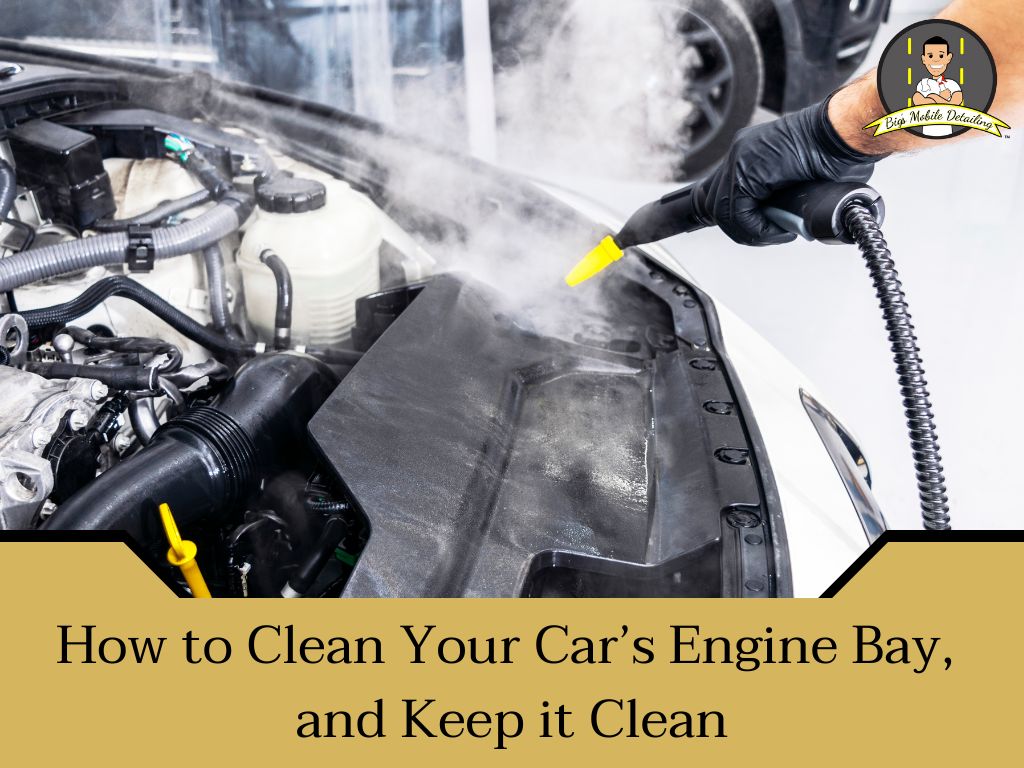
Credit: bigsmobile.com
Applying Degreaser Effectively
Applying degreaser effectively is key to a clean engine bay. Proper application helps break down grease and dirt quickly. It also reduces the risk of damage to engine parts. Using the right technique ensures thorough cleaning and protects sensitive components. Follow these tips to apply degreaser safely and efficiently.
Spraying Technique
Hold the spray bottle about 6 to 12 inches from the surface. Spray evenly across greasy areas to cover all spots. Avoid soaking electrical parts or exposed wires. Use short bursts rather than a continuous spray to control the amount. Let the degreaser sit for 5 to 10 minutes. This allows it to loosen grime without drying out. Keep the engine cool before spraying to prevent damage.
Using Brushes For Stubborn Grime
Use a soft-bristle brush on tough, stuck-on grease. Gently scrub in circular motions to lift dirt. Avoid hard scrubbing that can scratch delicate parts. Smaller brushes help reach tight spaces and crevices. Rinse the brush often to remove loosened grime. Repeat scrubbing and spraying if needed for very dirty spots. Always work carefully around wires and sensors.
Rinsing Without Damage
Rinsing the engine bay after applying degreaser is a crucial step. It removes dirt and cleaning residues that can cause damage if left behind. Proper rinsing ensures the engine stays clean without harming delicate components. Taking care during this phase protects your vehicle’s electrical and mechanical parts from water damage.
Low-pressure Water Use
Use low-pressure water to rinse the engine bay gently. High-pressure sprays can force water into sensitive areas, causing corrosion or electrical shorts. A garden hose with a spray nozzle set to a gentle mist is ideal. Avoid using a pressure washer directly on the engine components. Low pressure helps rinse off the degreaser without risking damage to wires and connectors.
Avoiding Sensitive Parts
Cover sensitive parts before rinsing to prevent water entry. Use plastic bags or plastic wrap to shield the alternator, battery, ECU, and exposed wiring. Remove or protect air intake openings to keep water out of the engine. Avoid spraying water directly on sensors and electrical connections. Taking these precautions reduces the risk of malfunction after cleaning.
Drying The Engine Bay
Drying the engine bay properly is crucial after using a degreaser. It prevents moisture from causing electrical problems or rust. Water trapped in tight spaces can damage sensitive parts. Take time to dry every corner and surface thoroughly. Use tools and methods that reach hard-to-access areas. Fast and complete drying keeps your engine bay safe and clean.
Compressed Air Method
Compressed air blows water out from cracks and crevices. It reaches spots cloths cannot. Use a low-pressure air compressor to avoid damage. Direct the air nozzle carefully around wires and connectors. This method helps dry hidden areas quickly. It reduces the chance of moisture buildup. Always wear eye protection when using compressed air.
Using Clean Cloths
Clean cloths absorb water from flat and visible surfaces. Use microfiber cloths for best results. Gently wipe the engine bay parts to remove moisture. Change cloths often to avoid spreading dirt. Pat dry instead of rubbing to protect delicate components. This method works well for areas where air cannot reach. Finish by checking for any remaining wet spots.
Common Mistakes To Avoid
Cleaning your engine bay with a degreaser can be very effective. Still, many people make mistakes that harm their engines or cause extra work. Avoiding these errors ensures a safe and thorough clean. Below are some common mistakes to watch out for.
Applying On Hot Engines
Never spray degreaser on a hot engine. The heat can cause the chemicals to evaporate too fast. This reduces the degreaser’s cleaning power. Hot surfaces may also cause the degreaser to react and damage parts.
Wait until the engine is completely cool before starting. This helps the degreaser work properly. It also protects sensitive components from heat damage.
Leaving Degreaser Too Long
Do not leave the degreaser on the engine bay for too long. Some people think more time means better cleaning. It does not. Leaving it too long can harm rubber, plastic, and painted parts.
Follow the product instructions carefully. Usually, 5 to 10 minutes is enough. Rinse off the degreaser thoroughly to prevent any damage. Quick action keeps your engine bay safe and clean.
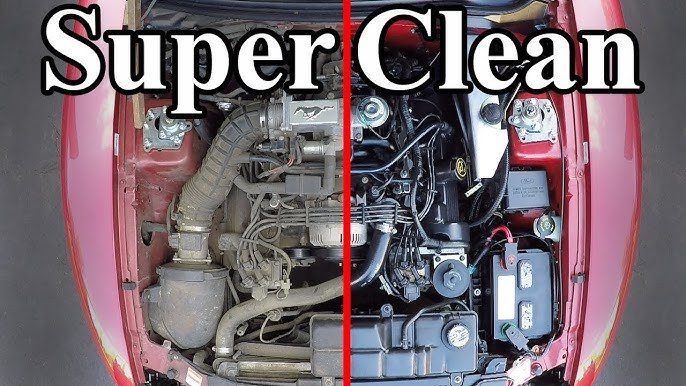
Credit: www.youtube.com
Maintaining Engine Bay Cleanliness
Keeping the engine bay clean is important for every vehicle owner. A clean engine bay not only looks good but also helps the car run better. Dirt, grease, and grime can build up quickly. This can cause problems if not cleaned regularly. Using a degreaser is an effective way to remove tough grease safely. Proper maintenance keeps the engine bay in top shape and extends the car’s life.
Regular Cleaning Schedule
Set a regular time to clean the engine bay. Cleaning every few months is a good practice. More frequent cleaning may be needed in dusty or rainy areas. A routine helps avoid heavy buildup of dirt and grease. Always clean when the engine is cool to prevent damage. Follow safety steps like covering sensitive parts before starting. This schedule helps keep the engine bay fresh and healthy.
Benefits Of A Clean Engine Bay
A clean engine bay improves the car’s performance. Dirt and grease can trap heat, causing the engine to run hot. Cleaning removes this buildup and helps cooling. It also makes spotting leaks or problems easier. A clean engine bay reduces the risk of corrosion on metal parts. It protects wiring and sensors from damage. Overall, it saves money by preventing costly repairs later.
Frequently Asked Questions
Can You Use A Degreaser On An Engine Bay?
Yes, you can use a degreaser on an engine bay. Apply it on a cool engine, protect sensitive parts, and rinse gently. Use automotive-specific degreasers and wear protective gear for safety.
Is Degreaser Safe On An Engine?
Degreasers are safe on engines if applied to a cool engine and sensitive parts are protected. Use automotive-grade, biodegradable products. Avoid strong chemicals on plastics and rubber. Rinse gently with low pressure, wear protective gear, and follow product instructions carefully to prevent damage.
How Long Should You Let An Engine Degreaser Sit?
Let engine degreaser sit for 5 to 10 minutes to break down grease effectively. Avoid letting it dry. Rinse promptly with low-pressure water.
Should You Degrease An Engine Hot Or Cold?
Degrease the engine when it is cold to prevent damage and avoid burns. A cool engine allows safer, more effective cleaning.
Conclusion
Cleaning your engine bay with a degreaser keeps it running cooler and looking better. Always work on a cool engine to avoid damage. Protect sensitive parts with plastic covers before spraying. Use automotive-grade degreasers and follow the product instructions carefully.
Rinse gently with low-pressure water to prevent harm. Wear gloves and eye protection to stay safe. Regular cleaning helps spot leaks and extends engine life. Keep your engine bay clean without rushing, and your car will thank you.