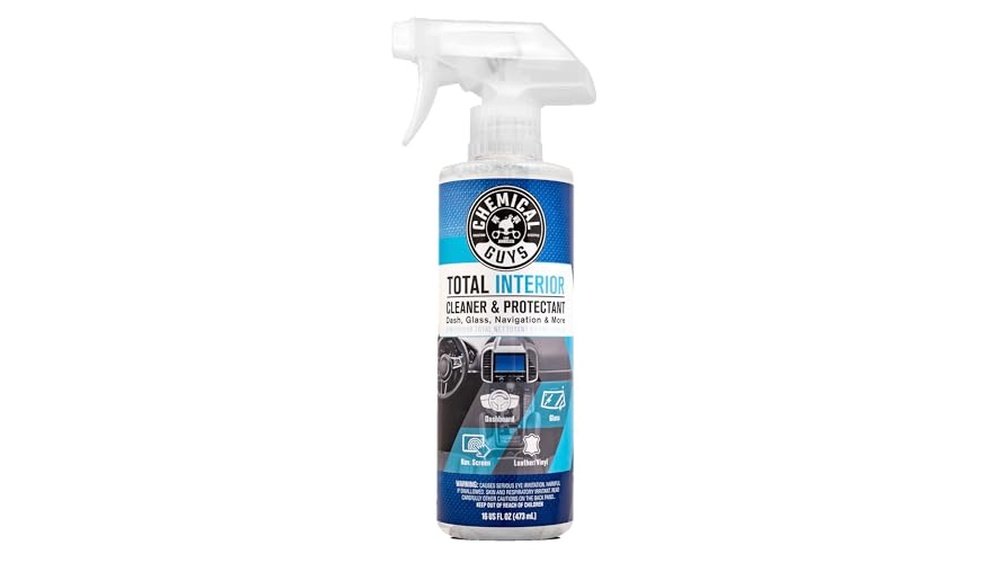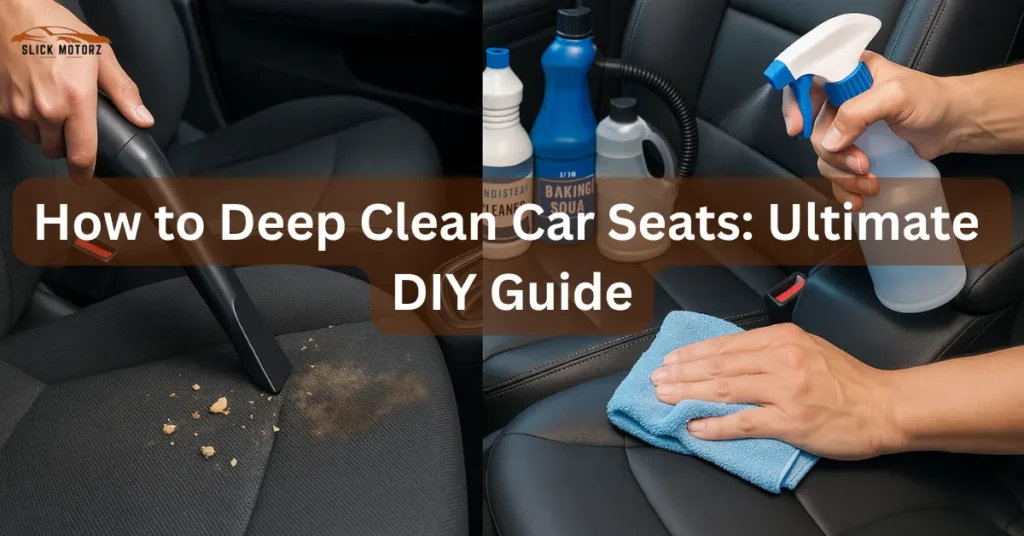
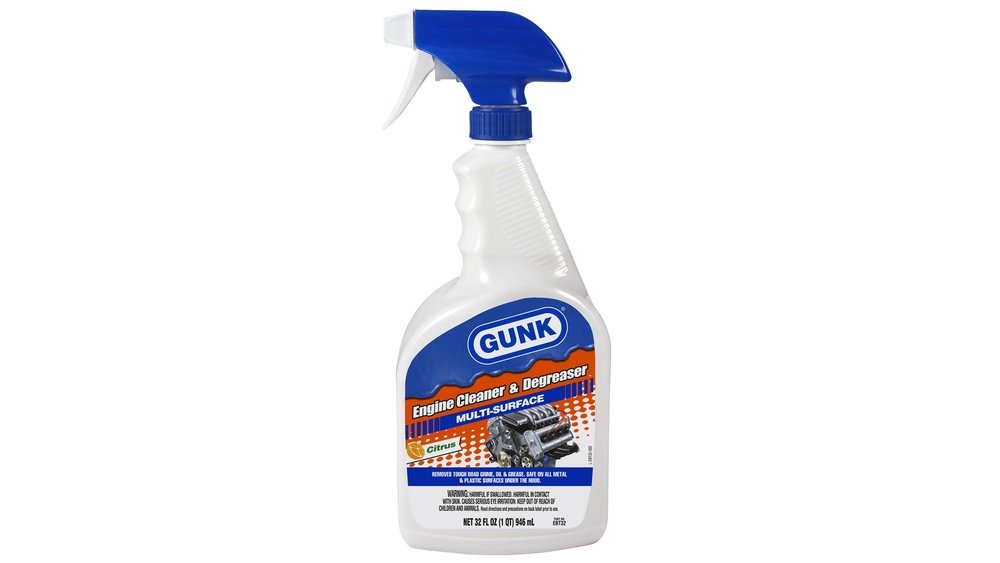
You’ve probably faced stubborn oil and grease stains that just won’t budge, no matter how hard you scrub. That’s where degreasers come in—the powerful cleaners designed to tackle these tough messes quickly and effectively.
But how exactly do they work? Understanding the science behind degreasers can help you choose the right product and use it properly to restore your surfaces to spotless condition. Keep reading to discover how degreasers break down oil and grease, making your cleaning tasks easier and more efficient than ever before.
Degreaser Types
Degreasers come in various forms, each designed to tackle oil and grease differently. Choosing the right type depends on the cleaning task, surface, and environment. Understanding these types helps in selecting the most effective solution for your needs.
Solvent-based Degreasers
Solvent-based degreasers use chemicals that dissolve grease and oil quickly. They break down tough, sticky residues at the molecular level. These degreasers work fast and evaporate without leaving residue. They are ideal for heavy-duty cleaning on metal and machinery parts. Caution is needed as some solvents can be flammable or harmful to certain surfaces.
Aqueous Degreasers
Aqueous degreasers are water-based cleaners that mix detergents with water. They remove grease by lifting and suspending it in the liquid. These degreasers are safer for the environment and for users. They work well on surfaces sensitive to harsh chemicals. Aqueous degreasers often require rinsing after use to wash away loosened oil and dirt.
Foaming Degreasers
Foaming degreasers create a thick foam that clings to vertical and uneven surfaces. The foam slowly breaks down grease, allowing more contact time. This type is useful in cleaning walls, engines, and equipment with hard-to-reach spots. Foaming degreasers reduce runoff and waste, making them efficient for various cleaning jobs.
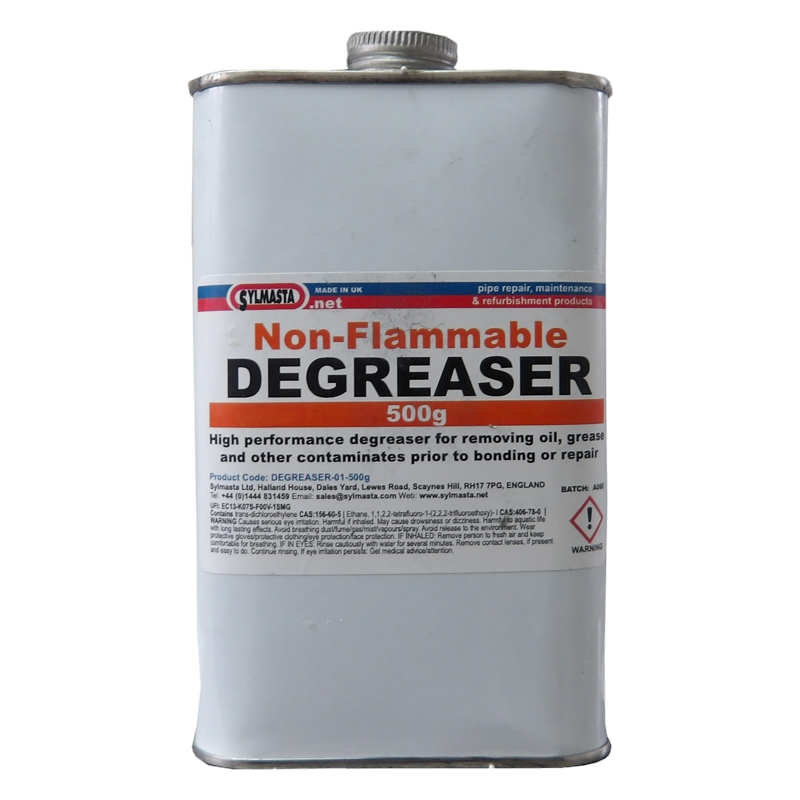
Credit: sylmasta.com
How Degreasers Work
Degreasers are specially made to clean oil and grease quickly and well. They work by breaking down oily substances, making them easier to remove from surfaces. Understanding how degreasers function helps in choosing the right product for any cleaning task. This section explains the main ways degreasers remove oil and grease.
Breaking Down Oil Molecules
Oil and grease are made of large molecules that stick to surfaces. Degreasers contain chemicals that break these molecules into smaller parts. Smaller molecules do not stick as strongly, so they come off easily. This process makes cleaning faster and more effective.
Dissolving Grease
Degreasers have ingredients that dissolve grease like sugar dissolves in water. These ingredients mix with the grease and change it from solid or thick to liquid. Once dissolved, the grease can be wiped or washed away without leaving a mark.
Emulsification Process
Emulsification is when degreasers mix oil or grease with water. The degreaser surrounds tiny oil droplets and holds them in the water. This stops the oil from sticking back to the surface. The oily dirt stays suspended in water until rinsed off, leaving surfaces clean.
Key Ingredients
Degreasers rely on specific ingredients to break down and remove oil and grease effectively. Each component plays a unique role in dissolving tough stains and lifting dirt from surfaces. Understanding these key ingredients helps explain how degreasers work and why they are so efficient.
Solvents And Surfactants
Solvents dissolve oil and grease by breaking their chemical bonds. They make thick grease easier to wash away. Common solvents include alcohols and hydrocarbons. Surfactants reduce surface tension between grease and the surface. This action helps loosen and lift grime. Together, solvents and surfactants attack grease at a molecular level.
Emulsifiers And Detergents
Emulsifiers mix oil and water, creating a stable blend called an emulsion. This allows grease to be rinsed away with water. Detergents contain emulsifiers and boost cleaning power. They trap grease particles in micelles, tiny clusters that float in water. This prevents grease from sticking back on surfaces.
Additives For Enhanced Cleaning
Some degreasers include additives to improve performance. Enzymes break down organic stains and residues. Corrosion inhibitors protect metal surfaces during cleaning. Fragrances mask chemical odors and leave a fresh scent. These extras make degreasers more effective and user-friendly.
Choosing The Right Degreaser
Choosing the right degreaser is crucial for effective cleaning. Different degreasers suit various surfaces and grease types. Selecting the proper product prevents damage and ensures thorough removal of oil and grease. Consider key factors before making a choice.
Surface Compatibility
Surfaces vary from metal to plastic and fabric. Some degreasers may harm delicate materials. Always check if the degreaser is safe for your surface. Using the wrong product can cause discoloration or corrosion. Test in a small area first to avoid damage.
Type Of Grease Or Oil
Grease and oil differ in thickness and composition. Heavy grease needs stronger degreasers with powerful solvents. Light oil stains can be removed with milder formulas. Match the degreaser strength to the grease type for best results. This saves time and effort during cleaning.
Environmental Considerations
Eco-friendly degreasers reduce harm to the environment. Biodegradable products break down naturally and are safer for disposal. Avoid harsh chemicals that pollute water and soil. Look for labels showing non-toxic and green certifications. Choose products that protect nature while cleaning effectively.
Application Techniques
Applying degreasers correctly enhances their ability to remove oil and grease effectively. Different techniques suit various surfaces and levels of grime. Proper application ensures deep cleaning and prevents residue buildup.
Each method plays a role in loosening, breaking down, and washing away contaminants. Choosing the right technique depends on the cleaning task and the type of degreaser used. Below are common application techniques that maximize degreaser performance.
Spraying And Foaming Methods
Spraying delivers degreaser evenly over the surface. It reaches tight spots and large areas quickly. Foaming creates a thick layer that clings to vertical surfaces. This allows the degreaser to work longer on stubborn grease. Both methods reduce waste and increase coverage.
Scrubbing And Mechanical Action
Scrubbing helps break down stubborn grease and oil layers. Using brushes, sponges, or pads adds mechanical force. This action lifts dirt from pores and crevices. Mechanical action works best after applying degreaser. It accelerates the cleaning process and improves results.
Rinsing And Drying
Rinsing removes dissolved grease and degreaser residues. Water or steam is commonly used for rinsing. Proper rinsing prevents sticky buildup and prepares the surface for drying. Drying stops moisture that could attract new dirt or cause damage. Air drying or wiping with clean cloths works well.
Safety And Handling
Handling degreasers with care is crucial for safety. These chemicals effectively remove oil and grease but can be harmful if misused. Understanding proper safety and handling protects your health and the environment. Follow simple steps to stay safe while using degreasers.
Protective Gear
Always wear gloves to protect your skin from harsh chemicals. Eye protection like goggles prevents splashes from causing injury. Long sleeves and pants reduce skin exposure. Use a mask if fumes are strong or in enclosed spaces. Protective gear minimizes risks and keeps you safe.
Proper Ventilation
Work in a well-ventilated area to avoid inhaling toxic fumes. Open windows or doors to allow fresh air circulation. Use fans to improve airflow if needed. Avoid using degreasers in small, closed rooms. Good ventilation reduces health hazards and improves cleaning efficiency.
Disposal Guidelines
Dispose of used degreasers and contaminated materials responsibly. Do not pour leftover degreaser down drains or on soil. Follow local regulations for hazardous waste disposal. Use designated containers for collection and recycling if available. Proper disposal protects the environment and prevents pollution.
Common Uses
Degreasers have many uses across different settings. They work by breaking down oil and grease, making cleaning easier and faster. Various industries and homes use degreasers to keep surfaces clean and safe. Here are some common uses of degreasers that show their versatility and effectiveness.
Automotive Cleaning
Degreasers play a key role in automotive cleaning. They remove grease and oil from engines and parts. Mechanics use them to clean tools and machinery. Degreasers help maintain vehicle performance by keeping parts free from grime. They also prepare surfaces for repairs or painting.
Industrial Equipment
Industrial machines often gather heavy grease and oil. Degreasers clean these residues efficiently. Factories use degreasers to maintain equipment and avoid breakdowns. Clean machines run better and last longer. Workers rely on degreasers to reduce slippery, unsafe surfaces.
Household Surfaces
Many household surfaces attract grease and oil stains. Kitchen counters, stovetops, and sinks benefit from degreasers. They remove sticky residues left by cooking oils. Degreasers also clean garage floors and tools. Using them keeps the home hygienic and fresh.
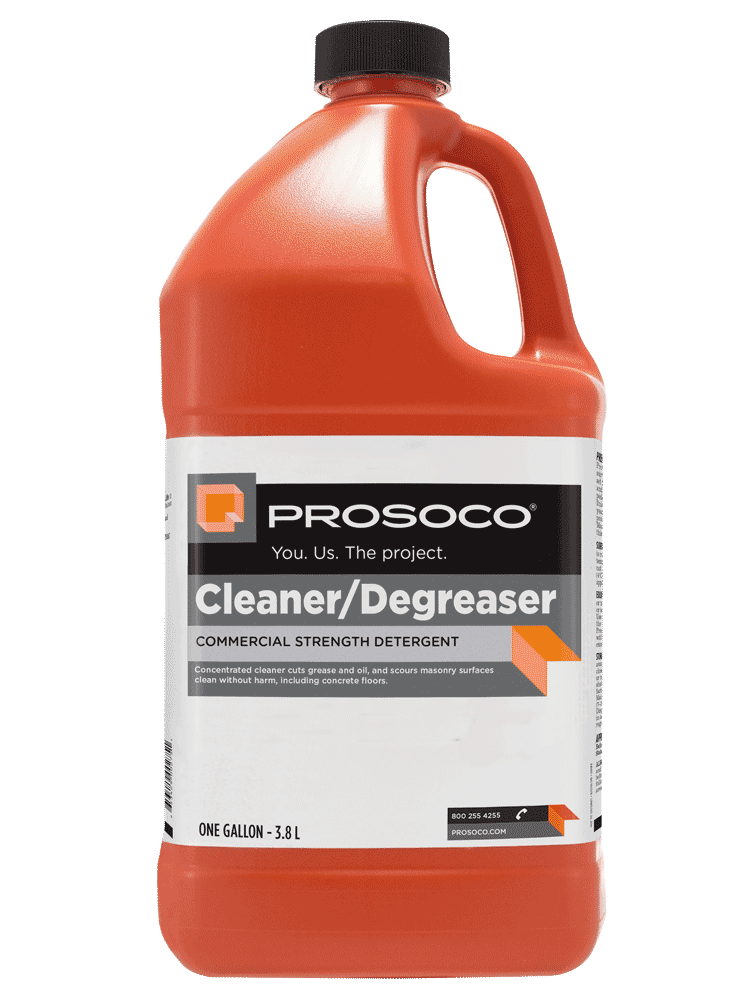
Credit: prosoco.com
Troubleshooting
Troubleshooting common issues helps you get the best results from degreasers. Some oil and grease stains resist easy cleaning. Other times, the surface may suffer damage if not treated carefully. Understanding how to handle these problems improves cleaning success.
Stubborn Stains
Stubborn stains often need more than one application of degreaser. Let the degreaser sit on the stain for a few minutes. This breaks down the grease molecules deeply. Scrubbing gently with a soft brush helps lift the residue. Avoid harsh scrubbing that can harm the surface.
Surface Damage Prevention
Some degreasers are strong and can damage delicate surfaces. Test the product on a small, hidden area first. Use a mild degreaser on sensitive materials like wood or painted surfaces. Always follow the manufacturer’s instructions closely. Rinse the area thoroughly to remove any chemical residue.
Optimizing Cleaning Efficiency
Use warm water to activate most degreasers. Warmer temperatures help dissolve grease faster. Apply the degreaser evenly and cover the entire oily area. Using the right amount prevents waste and improves results. Repeat the process if needed for heavy grease buildup.
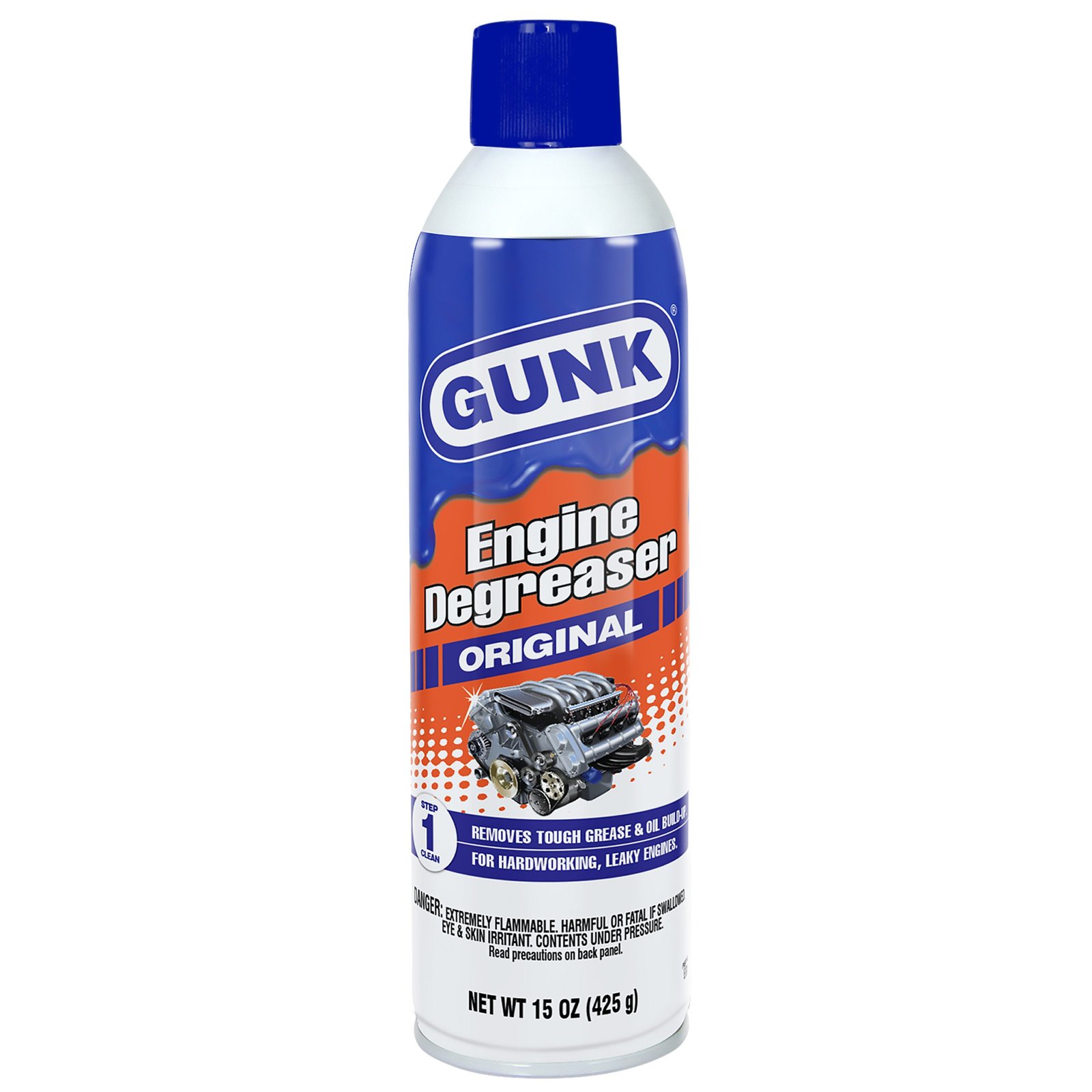
Credit: gunk.com
Frequently Asked Questions
Does A Degreaser Remove Oil?
Yes, a degreaser effectively removes oil by breaking down and dissolving its molecular structure. It lifts oil quickly without harming surfaces.
What Does Degreaser Do To Grease?
A degreaser breaks down grease’s molecular structure, dissolving and lifting it from surfaces for easy removal.
Can Degreaser Remove Grease?
Yes, degreasers effectively remove grease by breaking down its molecular structure. They dissolve and lift grease from surfaces quickly and efficiently.
What Dissolves Heavy Grease And Oil?
Solvent-based degreasers, acetone, and citrus-based cleaners effectively dissolve heavy grease and oil. They break down molecules for easy removal.
Conclusion
Degreasers work by breaking down oil and grease molecules quickly. They lift dirt away, making surfaces clean and safe. Using the right degreaser saves time and effort. Always follow the product instructions carefully for best results. Clean surfaces prevent damage and keep equipment working well.
Understanding how degreasers work helps you choose the best one. Cleanliness matters in homes, garages, and factories alike. Simple steps lead to effective grease and oil removal every time.