Have you ever stopped to think about what happens when you use degreasers to clean your tools, car, or kitchen surfaces? While they make dirt and grease disappear quickly, degreasers can also leave a hidden mark on the environment.
From polluting water sources to harming wildlife, the chemicals in many degreasers pose risks you might not be aware of. You’ll discover exactly how degreasers impact the planet and learn simple steps you can take to protect your health and the world around you.
Keep reading to uncover what’s really behind that clean shine—and how your choices can make a difference.

Credit: arlingtonhoodcleaning.com
Types Of Degreasers
Degreasers help remove grease, oil, and dirt from surfaces. They come in different types, each with unique properties and environmental effects. Understanding these types helps choose safer options for cleaning tasks.
Oil-based Degreasers
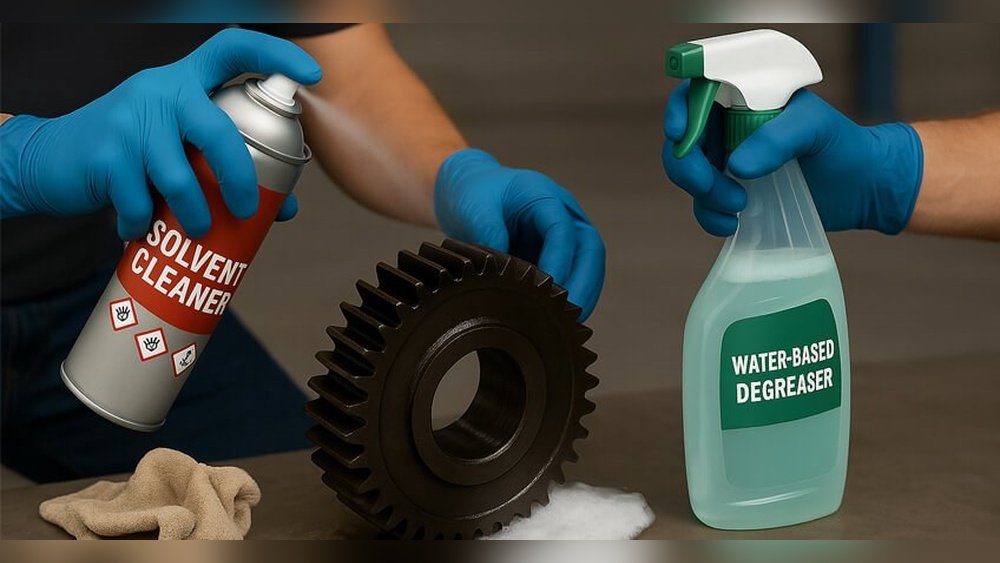
Oil-based degreasers are strong and effective at breaking down tough grease. They often contain solvents that can be toxic and flammable. Small spills can pollute water and soil. These degreasers may release harmful vapors into the air, contributing to air pollution.
Water-based Degreasers
Water-based degreasers use water as the main solvent. They are generally less toxic and safer for users and the environment. These degreasers break down grease without harmful chemicals. They reduce risks of fire and air pollution but may need more effort for heavy grease.
Eco-friendly Alternatives
Eco-friendly degreasers use natural or biodegradable ingredients. They avoid harsh chemicals that harm plants, animals, and water sources. These alternatives are safer for health and reduce environmental damage. Choosing eco-friendly options supports cleaner air and water.
Chemical Composition
The chemical composition of degreasers directly affects their environmental impact. These products contain various chemicals designed to break down grease and oils. Some ingredients pose risks to ecosystems and human health.
Understanding the main chemicals helps reveal how degreasers affect air, water, and soil quality. The composition also influences how safely these products can be used and disposed of.
Common Solvents And Surfactants
Degreasers usually contain solvents that dissolve oils and fats. Common solvents include alcohols, hydrocarbons, and glycol ethers. These chemicals help break grease into smaller particles for easy removal.
Surfactants are another key group of chemicals in degreasers. They lower surface tension, allowing water to mix with oils. This improves cleaning power but can also increase chemical spread in water bodies.
Volatile Organic Compounds (vocs)
Many degreasers release volatile organic compounds or VOCs. These chemicals evaporate quickly into the air during use. VOCs contribute to air pollution and smog formation, harming both the environment and health.
Exposure to high VOC levels can cause headaches, dizziness, and respiratory problems. Reducing VOC content in degreasers helps limit their negative effects on air quality.
Toxicity Levels
Some degreaser ingredients are toxic to aquatic life and humans. Toxicity depends on chemical type and concentration. Oil-based solvents often show higher toxicity than water-based ones.
Improper disposal can lead to contamination of soil and water. Lower toxicity degreasers reduce harm but still require careful handling and disposal to protect the environment.
Environmental Risks
The use of degreasers poses several environmental risks that affect ecosystems and human health. These chemicals often contain harmful substances that do not break down easily. They can enter natural habitats and cause lasting damage. Understanding these risks helps in choosing safer alternatives and handling degreasers properly.
Water Pollution
Degreasers can seep into rivers, lakes, and groundwater. Many contain toxic chemicals that harm fish and aquatic plants. Even small spills can disrupt water ecosystems. Some compounds resist natural breakdown, accumulating in water bodies. This pollution affects drinking water and wildlife habitats.
Soil Contamination
Spilled degreasers may soak into the soil, changing its natural balance. Toxic ingredients can kill beneficial microbes and plants. Contaminated soil loses its ability to support crops and vegetation. These chemicals may also move deeper, reaching underground water sources. Soil pollution reduces land quality and harms local wildlife.
Air Quality Impact
Many degreasers release volatile organic compounds (VOCs) into the air. These VOCs contribute to smog and ground-level ozone formation. Breathing polluted air can cause respiratory problems and other health issues. Some degreasers evaporate quickly, increasing air pollution. Poor air quality affects both urban and rural areas.
Effects On Wildlife
Degreasers often contain chemicals harmful to wildlife. These substances can enter natural habitats through water runoff or air pollution. Wildlife suffers various harmful effects, impacting both individual species and entire ecosystems. Understanding these effects helps promote safer cleaning choices and protect nature.
Aquatic Life Disruption
Degreasers frequently reach rivers, lakes, and oceans. Toxic chemicals poison fish and other aquatic animals. These substances reduce oxygen levels in water, making survival hard. Many aquatic species face reproductive problems and growth delays. Pollution also disturbs the food chain and natural balance.
Terrestrial Animal Exposure
Animals on land can contact degreasers through contaminated soil and water. Drinking polluted water harms mammals, birds, and insects. Skin contact with chemicals causes irritation and sickness. Poisoned animals may suffer weakened immune systems or death. These effects reduce animal populations and biodiversity.
Long-term Ecological Damage
Repeated exposure to degreasers leads to lasting harm in ecosystems. Soil quality declines, affecting plant growth and animal habitats. Harmed wildlife disrupts food webs, causing imbalances in nature. Some species may become endangered or extinct. These changes reduce ecosystem resilience and health.
Human Health Concerns
Degreasers contain chemicals that can harm human health. Exposure to these substances often occurs through skin contact, inhalation, or accidental ingestion. Understanding the health risks helps promote safer use and better protection for everyone.
Respiratory Irritation
Breathing in degreaser fumes can irritate the nose and throat. Symptoms include coughing, wheezing, and shortness of breath. People with asthma or lung problems are especially vulnerable. Proper ventilation reduces the risk of respiratory issues.
Neurological Effects
Some degreasers contain solvents that affect the nervous system. Exposure may cause headaches, dizziness, and confusion. Long-term contact can lead to memory loss or difficulty concentrating. Using protective gear limits these harmful effects.
Cancer Risks
Certain chemicals in degreasers are linked to cancer. Prolonged exposure increases the chance of developing some types of cancer. Workers in industries using degreasers face higher risks. Choosing safer alternatives helps reduce this threat significantly.
Safe Usage Practices
Using degreasers safely reduces harm to people and the environment. Simple safety steps protect your health and lower pollution risks. Follow these guidelines to handle degreasers with care.
Proper Ventilation
Always use degreasers in well-ventilated areas. Open windows or use fans to move air. This prevents buildup of harmful fumes. Avoid using degreasers in small, closed rooms. Good airflow helps keep breathing air clean.
Handling And Storage Tips
Wear gloves and eye protection when handling degreasers. Keep containers tightly closed to avoid spills. Store degreasers in cool, dry places away from heat sources. Label containers clearly to prevent accidents. Keep degreasers out of reach of children and pets.
Disposal Guidelines
Never pour degreasers down drains or on soil. Follow local rules for hazardous waste disposal. Use designated collection centers or recycling programs. Proper disposal prevents water and soil pollution. Dispose of empty containers safely as instructed on labels.
Regulations And Standards
Regulations and standards guide the use and disposal of degreasers to protect the environment. These rules help reduce pollution and health risks. They also encourage safer alternatives and better handling practices. Understanding these regulations is essential for businesses and consumers alike.
Environmental Protection Agency Guidelines
The Environmental Protection Agency (EPA) sets national rules for degreaser use. These include limits on toxic chemicals and emissions. The EPA requires proper labeling and safe disposal methods. Its guidelines promote water and air quality protection. Compliance with EPA rules helps prevent environmental damage.
Local And State Regulations
States and cities have their own degreaser laws. These rules can be stricter than federal standards. They may control chemical storage, usage, and waste disposal. Local agencies monitor compliance and enforce penalties. Knowing local laws ensures safer and legal degreaser use.
Industry Best Practices
Many industries follow best practices beyond legal requirements. These include using less harmful chemicals and recycling degreaser waste. Training workers in safe handling reduces accidents and spills. Regular equipment maintenance also lowers environmental impact. Adopting these practices supports sustainability and safety goals.

Credit: dstchemicals.com
Alternatives And Innovations
Exploring alternatives and innovations in degreasers reveals promising ways to reduce environmental harm. Safer products offer effective cleaning with less pollution. Innovations focus on eco-friendly ingredients and sustainable production methods. These choices help protect water, air, and soil quality. Businesses and consumers benefit from safer, greener options.
Biodegradable Degreasers
Biodegradable degreasers break down naturally in the environment. They reduce toxic buildup in water and soil. These products use plant-based ingredients instead of harsh chemicals. They clean effectively without leaving harmful residues. Biodegradable formulas help protect aquatic life and reduce pollution risks.
Green Chemistry Solutions
Green chemistry designs safer chemicals and processes. It aims to minimize waste and energy use. Researchers create solvents with low toxicity and high efficiency. These solutions avoid persistent pollutants and harmful fumes. Green chemistry supports sustainable manufacturing and safer workplaces.
Case Studies Of Safer Products
Several companies have adopted safer degreasing products successfully. One factory replaced solvent-based cleaners with water-based alternatives. This change cut hazardous waste by over 50%. Another business switched to biodegradable degreasers, improving worker safety and reducing air pollution. These examples show practical benefits of greener cleaning products.

Credit: www.baronblakeslee.net
Frequently Asked Questions
Is Degreaser Bad For The Environment?
Oil-based degreasers often harm the environment by polluting water and air. Water-based degreasers are safer and more eco-friendly. Choose biodegradable, low-toxicity options to reduce environmental impact.
What Are The Disadvantages Of Degreasers?
Degreasers often contain toxic, flammable chemicals that harm health and pollute water and air. They may cause respiratory irritation and environmental damage. Proper ventilation is essential to avoid fire risks. Some degreasers also degrade ecosystems and contribute to smog formation.
What Are The Environmental Impacts Of Stain Removers?
Stain removers can pollute water and air, harm aquatic life, and increase carbon emissions during production and disposal. Choosing eco-friendly options reduces these impacts.
How Do Cleaning Products Impact The Environment?
Cleaning products often contain toxic chemicals that pollute water and air. They harm aquatic life and contribute to smog. Biodegradable, eco-friendly alternatives reduce these environmental impacts.
Conclusion
Degreasers impact air, water, and soil quality significantly. Oil-based types often pollute and harm aquatic life. Water-based degreasers tend to be safer and less toxic. Choosing eco-friendly options helps protect the environment. Proper use and disposal reduce harmful effects greatly.
Small actions add up to make a big difference. Everyone can contribute to a cleaner, healthier planet.