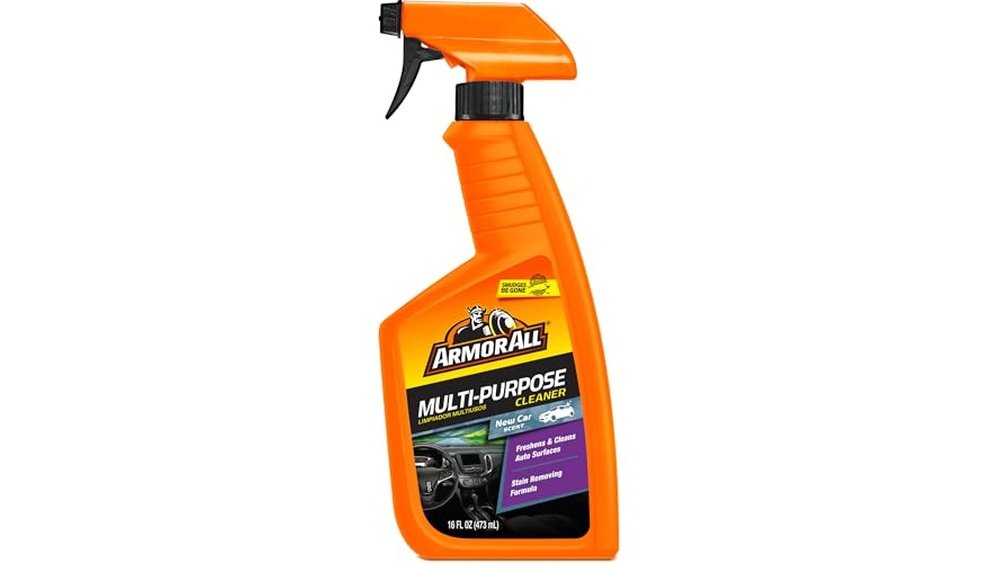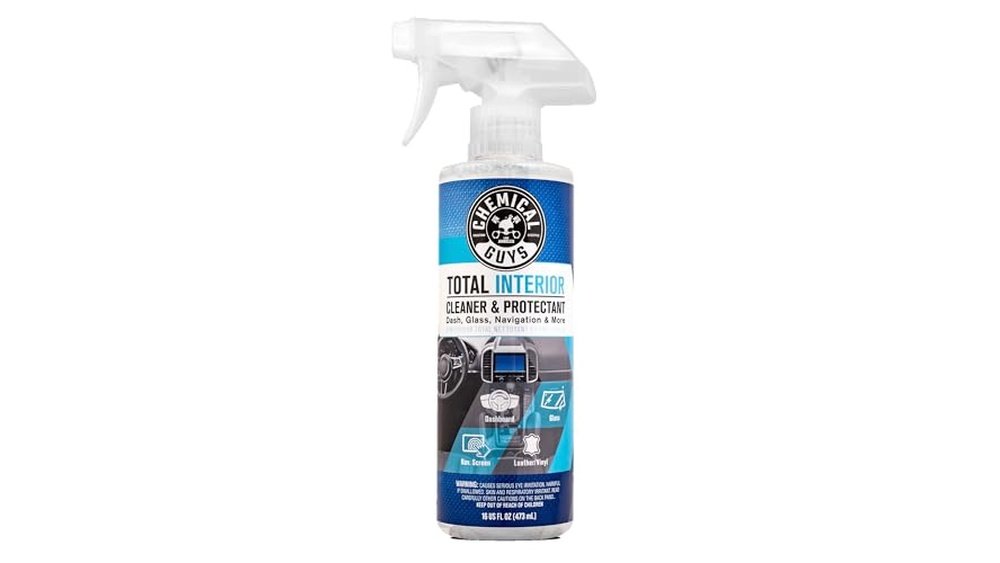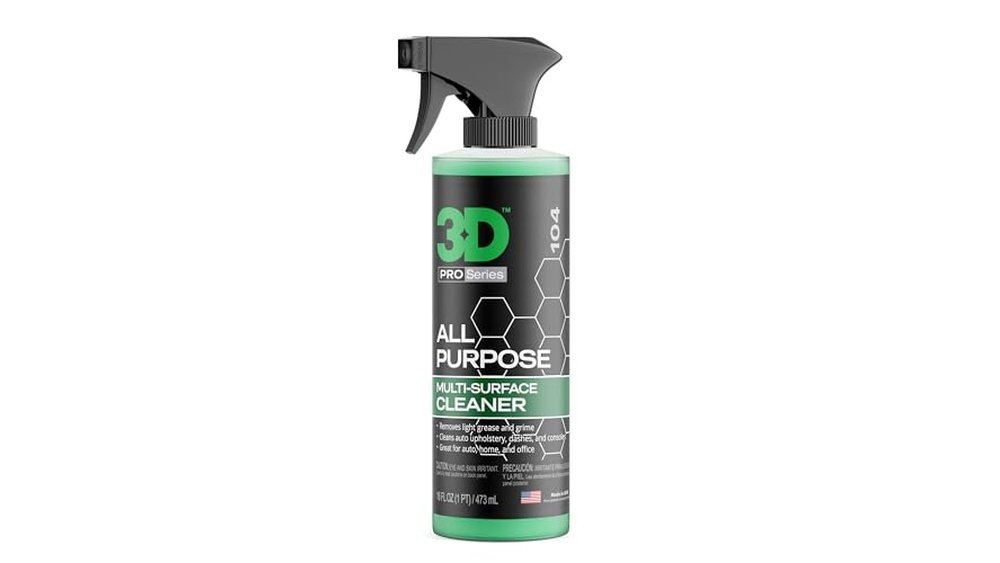
You probably use automotive degreasers to keep your car engine and parts spotless. But have you ever stopped to wonder—are these powerful cleaners safe for you and the environment?
The truth is, many automotive degreasers contain chemicals that could be harmful if not handled properly. Understanding the risks behind these products is crucial for protecting your health and your surroundings. You’ll discover how toxic automotive degreasers really are, what dangers they might pose, and simple steps you can take to stay safe every time you clean your vehicle.
Keep reading to make sure you’re not unknowingly putting yourself at risk.
Credit: buydirect.missionlinen.com
Types Of Automotive Degreasers
Automotive degreasers come in several types, each designed for specific cleaning needs. Understanding these types helps choose the right product and use it safely. The main categories include oil-based, water-based, and solvent-based degreasers. Each type has unique properties, advantages, and safety concerns.
Oil-based Degreasers
Oil-based degreasers dissolve grease using petroleum or mineral oils. They work well on heavy, baked-on grime and oil stains. These degreasers tend to be toxic and flammable. They can pollute water and air if not handled properly. Use oil-based degreasers with caution and proper ventilation.
Water-based Degreasers
Water-based degreasers use water mixed with detergents or alkaline agents. They are less toxic and safer for the environment. These degreasers break down grease without harsh chemicals. Water-based types are easy to rinse off and less damaging to surfaces. They suit light to medium cleaning tasks.
Solvent-based Degreasers
Solvent-based degreasers contain strong chemicals like acetone or alcohols. They remove tough grease and oil quickly. These degreasers can release harmful fumes and irritate skin or lungs. Proper protective gear is essential when using solvent-based types. They require careful disposal to avoid environmental harm.

Credit: stearnspkg.com
Toxic Chemicals In Degreasers
Automotive degreasers often contain harsh chemicals that can harm health and the environment. Understanding these toxic ingredients helps you stay safe and make better choices. Some chemicals in degreasers are especially dangerous and require caution during use.
N-propyl Bromide (npb)
N-Propyl Bromide is a solvent used in many degreasers. It evaporates quickly, releasing harmful fumes. Breathing these fumes can cause dizziness, headaches, and long-term nerve damage. It also affects the liver and kidneys. This chemical is flammable and can pollute the air and water.
Trichloroethylene (tce)
Trichloroethylene is a common degreasing solvent. It easily evaporates, creating toxic vapors. Exposure may lead to dizziness, confusion, and skin irritation. Long-term contact increases the risk of cancer. TCE can contaminate soil and groundwater, posing risks to communities and wildlife.
Perchloroethylene (perc)
Perchloroethylene is widely used in automotive cleaning. It has a strong smell and can cause eye and throat irritation. Breathing Perc vapors may lead to headaches and nausea. Extended exposure affects the nervous system and may cause cancer. Perc is persistent in the environment and hard to remove.
Health Risks From Exposure
Exposure to automotive degreasers can lead to serious health problems. These chemicals often contain harsh solvents and toxic substances. Direct contact or inhaling fumes poses risks. Understanding these dangers helps protect your health during use.
Respiratory Issues
Breathing in degreaser fumes can irritate the lungs. Symptoms include coughing, wheezing, and shortness of breath. Prolonged inhalation may cause asthma or bronchitis. Always use degreasers in well-ventilated areas to reduce risk.
Kidney And Liver Damage
Some chemicals in degreasers are absorbed through the skin or lungs. These toxins can harm the kidneys and liver. Damage may occur after repeated or high-level exposure. Protect your skin and avoid prolonged contact to stay safe.
Long-term Effects
Continuous exposure to toxic degreasers can lead to chronic health problems. These include nerve damage, cancer risk, and organ failure. Early symptoms are often mild and ignored. Using protective gear lowers chances of long-term harm.
Credit: gunk.com
Environmental Impact
Automotive degreasers affect the environment in several ways. These chemicals can harm water, air, and soil if not handled properly. Understanding their environmental impact helps us make safer choices.
Water Contamination
Many degreasers contain harmful chemicals that can enter water sources. Rain can wash these substances into rivers, lakes, and groundwater. This pollution harms fish, plants, and other wildlife. It also affects drinking water quality for humans and animals. Oil-based degreasers are especially dangerous because they do not dissolve easily and persist in water for a long time.
Air Pollution And Smog
Some degreasers release volatile organic compounds (VOCs) into the air. These chemicals evaporate quickly and react with sunlight. This reaction forms smog, which harms lungs and causes breathing problems. Workers and nearby residents may inhale toxic vapors. Using water-based degreasers reduces these air pollutants significantly.
Soil Pollution
Spilled degreasers can soak into the ground and contaminate soil. Toxic substances damage soil health and kill beneficial microbes. This pollution makes it harder for plants to grow. Contaminated soil also risks spreading toxins to nearby water sources. Careful disposal and cleanup prevent long-term soil damage.
Safety Precautions When Using Degreasers
Using automotive degreasers demands caution and awareness. These chemicals can pose health risks without proper care. Following safety steps protects your skin, eyes, and lungs during use. Simple habits reduce exposure and accidents.
Personal Protective Equipment
Wear gloves to shield your hands from harsh chemicals. Use safety goggles to protect your eyes from splashes. A mask helps prevent inhaling fumes or mist. Choose equipment that fits well and is made for chemical use.
Proper Ventilation
Work in open or well-ventilated areas to avoid breathing harmful vapors. Open windows and doors if indoors. Use fans to increase air flow. Avoid using degreasers in small, closed spaces.
Safe Handling And Storage
Read product labels and follow instructions carefully. Keep degreasers away from heat or flames as many are flammable. Store containers tightly closed in cool, dry places. Keep them out of reach of children and pets.
Effect On Automotive Surfaces
Automotive degreasers serve an important role in cleaning engines and parts. Yet, their effect on automotive surfaces requires careful attention. These chemicals can interact differently with paint, clear coat, and wax layers. Understanding these effects helps protect your vehicle’s finish while maintaining cleanliness.
Impact On Paint And Clear Coat
Degreasers can be harsh on a car’s paint. Strong solvents may strip away protective layers. This can dull the finish and cause fading over time. Clear coats, which shield paint from damage, may also weaken. Repeated exposure to degreasers can lead to cracks or peeling. It is important to choose a product designed for automotive finishes.
Wax Removal Effects
Most degreasers remove wax from surfaces. Wax acts as a barrier against dirt and moisture. When stripped away, the paint becomes more vulnerable. Without wax, water spots and stains form more easily. Regular waxing after degreasing helps restore protection. Skip waxing, and your vehicle’s shine might fade faster.
Safe Usage Tips
Always test degreasers on a small hidden area first. Use diluted solutions as recommended by manufacturers. Avoid letting degreasers sit on surfaces for long periods. Rinse thoroughly with water to remove all residues. Wear gloves and work in a well-ventilated area for safety. Following these tips minimizes damage and keeps your car looking good.
Safer Alternatives To Toxic Degreasers
Choosing safer alternatives to toxic automotive degreasers protects health and the environment. Many conventional degreasers contain harsh chemicals that can harm skin, lungs, and water sources. Safer options offer effective cleaning with less risk. Below are some cleaner choices that reduce exposure to toxins while maintaining strong grease removal power.
Eco-friendly Formulations
Eco-friendly degreasers use natural ingredients instead of harmful solvents. They often include plant-based oils and citrus extracts. These break down grease well without releasing dangerous fumes. Such products avoid harsh chemicals like petroleum distillates. They are safer for users and less likely to pollute water and soil.
Water-based Cleaners
Water-based degreasers replace strong chemicals with water and mild detergents. These cleaners dissolve grease without toxic solvents. They are gentle on skin and safer to breathe. Water-based products reduce fire risk and are easier to rinse away. They work well for light to medium grime on engines and parts.
Biodegradable Options
Biodegradable degreasers break down naturally in the environment. They minimize long-term pollution and harm to wildlife. These formulas use ingredients that microbes can digest quickly. Biodegradable cleaners are a good choice for outdoor work and sensitive areas. They provide strong cleaning power without leaving toxic residues.
Regulations And Guidelines
Automotive degreasers contain chemicals that can harm people and the environment. To control their risks, governments and industries set rules. These rules guide safe use, handling, and disposal. Following them helps reduce health problems and pollution. Understanding these regulations and guidelines is key to safe degreaser use.
Government Safety Standards
Governments create safety standards for automotive degreasers. These rules limit toxic ingredients in products. They require clear labels with hazard warnings. Agencies like the EPA regulate chemical use and emissions. Standards also set safe exposure levels for workers. These laws protect public health and the environment.
Industry Best Practices
Auto repair shops follow best practices to reduce degreaser risks. Workers wear gloves, masks, and goggles for protection. They use less harmful, water-based degreasers when possible. Proper ventilation lowers harmful fumes in work areas. Training ensures workers know safe handling and emergency steps. These practices improve safety and lower toxic exposure.
Disposal Recommendations
Disposing of degreasers properly prevents pollution and harm. Do not pour used degreaser down drains or on soil. Many areas have collection sites for hazardous waste. Follow local laws for hazardous chemical disposal. Use sealed containers to store waste before disposal. Safe disposal protects water, soil, and wildlife from damage.
Protecting Auto Shop Workers
Auto shop workers face daily risks from chemicals in degreasers. Protecting their health is crucial. Employers must reduce exposure to harmful substances. Safety measures help prevent long-term health problems. Understanding and managing risks creates a safer workplace.
Exposure Monitoring
Regular checks of air quality in shops help identify toxic levels. Monitoring exposure keeps workers safe from harmful chemicals. Using simple devices can track solvent concentrations in the air. Early detection allows quick action to reduce risks. Data from monitoring guides safety improvements and controls.
Training And Education
Workers need clear instructions on handling degreasers safely. Training teaches proper use of protective gear and safe work habits. Education helps recognize symptoms of chemical exposure early. It also explains spill response and waste disposal rules. Well-informed workers reduce accidents and health hazards.
Use Of Safer Products
Choosing water-based degreasers lowers toxic risks for workers. Safer products reduce harmful fumes and skin irritation. Many alternatives are effective without strong solvents. Switching to less toxic options protects health and the environment. Employers should review products regularly for safer choices.
Frequently Asked Questions
How Toxic Is Degreaser?
Degreasers, especially oil-based types, are often toxic and flammable. They can harm health and pollute water. Water-based degreasers pose less risk. Use protective gear to avoid exposure.
Should You Wear A Mask When Using Degreaser?
Yes, wear a mask when using degreasers to avoid inhaling toxic fumes and protect your respiratory health.
Is Mechanic Grease Toxic?
Mechanic grease can be toxic due to chemicals and additives. Avoid inhaling vapors and skin contact. Use protective gear when handling.
Is Degreaser Safe To Use On Cars?
Degreasers can safely clean cars but may strip wax and damage clear coats. Use water-based, non-toxic types and wear protective gear. Avoid contact with painted surfaces to prevent damage.
Conclusion
Automotive degreasers can be toxic, especially those with solvents. Oil-based types often harm the environment and your health. Water-based degreasers usually pose less risk. Always use protective gear like gloves and masks. Avoid breathing in fumes or letting chemicals touch your skin.
Proper handling keeps you safe and protects nature. Choose safer products and follow instructions carefully. Clean responsibly to reduce harm. Staying informed helps you make smart choices. Safety matters every time you use degreasers.