Your engine works hard every day, facing dirt, grease, and grime that slowly build up beneath the hood. But how often should you degrease your engine to keep it running smoothly and avoid costly repairs?
If you’ve ever wondered whether skipping this step is harmless or risky, you’re not alone. Knowing the right timing for engine degreasing can save you time, money, and headaches down the road. You’ll discover practical advice on when and how to degrease your engine safely, so you can protect your vehicle and enjoy peace of mind every time you hit the road.
Keep reading to find out the simple routine that makes a big difference.
Credit: www.crcindustries.com
Reasons To Degrease Your Engine
Degreasing your engine is a vital step in car maintenance. Removing grease and grime keeps the engine clean. A clean engine runs better and lasts longer. Understanding why to degrease helps you care for your vehicle properly.
Grease buildup affects many parts of the engine. Dirt and oil can slow down performance. They may cause damage if left unchecked. Regular degreasing prevents these issues and keeps your car in good shape.
Impact On Performance
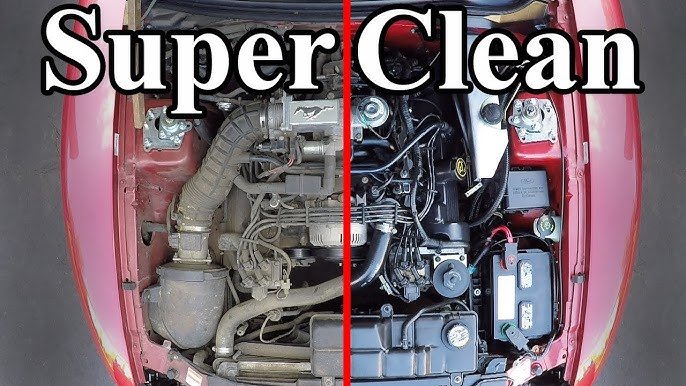
Grease and dirt reduce engine efficiency. They block airflow and trap heat. A dirty engine works harder and uses more fuel. Degreasing removes grime and improves engine power. Your car runs smoother and responds faster.
Preventing Damage
Grease can cause parts to stick or wear out. It hides leaks and cracks that need fixing. Dirt buildup can lead to rust and corrosion. Cleaning the engine stops these problems early. It protects your car from costly repairs.
Enhancing Longevity
A clean engine lasts longer than a dirty one. Grease and dirt cause parts to fail sooner. Regular degreasing keeps components working well. It helps maintain your car’s value over time. Proper care means fewer breakdowns and longer use.
Credit: www.youtube.com
Signs Your Engine Needs Degreasing
Knowing when your engine needs degreasing helps keep it running well. Dirt and grease build up over time. This can cause problems if not cleaned. Watch for key signs that show it is time to degrease your engine. Early detection saves you from costly repairs.
Visible Dirt And Grime
Check your engine regularly for dirt and grime. Thick layers of grease or oil stains mean it needs cleaning. Dirt can block important parts and reduce engine efficiency. A clean engine looks well maintained and works better.
Overheating Issues
Grease and dirt on the engine can trap heat. This makes the engine run hotter than usual. If your engine overheats often, dirt may be the cause. Degreasing helps cool the engine by removing heat blockers.
Unusual Smells Or Smoke
Burning smells or smoke from the engine area are warning signs. Oil and grease can catch fire or burn off when hot. This creates strong odors and smoke. Cleaning the engine removes these flammable residues and keeps it safe.
Recommended Degreasing Frequency
Knowing how often to degrease your engine helps keep it clean and working well. Dirt, oil, and grease build up over time. This can cause problems if not cleaned regularly. The right frequency depends on several factors. Understanding these can help you maintain your engine properly.
Based On Driving Conditions
Engines in dusty or muddy areas need more frequent degreasing. City driving with lots of stops also causes grime to build up faster. If you drive on highways mostly, less frequent cleaning is fine. Heavy use or rough roads mean dirt and grease gather quickly. Check your engine every few months in such conditions.
Seasonal Considerations
Winter can bring salt and grime that stick to engines. This causes corrosion and damage over time. Degrease your engine at least once before and after winter. Summer heat can bake grease onto surfaces, making it harder to clean. Regular cleaning every three to six months keeps your engine fresh all year.
Manufacturer Guidelines
Always follow the engine manufacturer’s advice on cleaning. Some engines have special coatings or parts sensitive to harsh chemicals. The manual may suggest safe products and cleaning intervals. Ignoring these can void warranties or cause damage. Check your vehicle’s guide for exact instructions on degreasing frequency.
Choosing The Right Degreaser
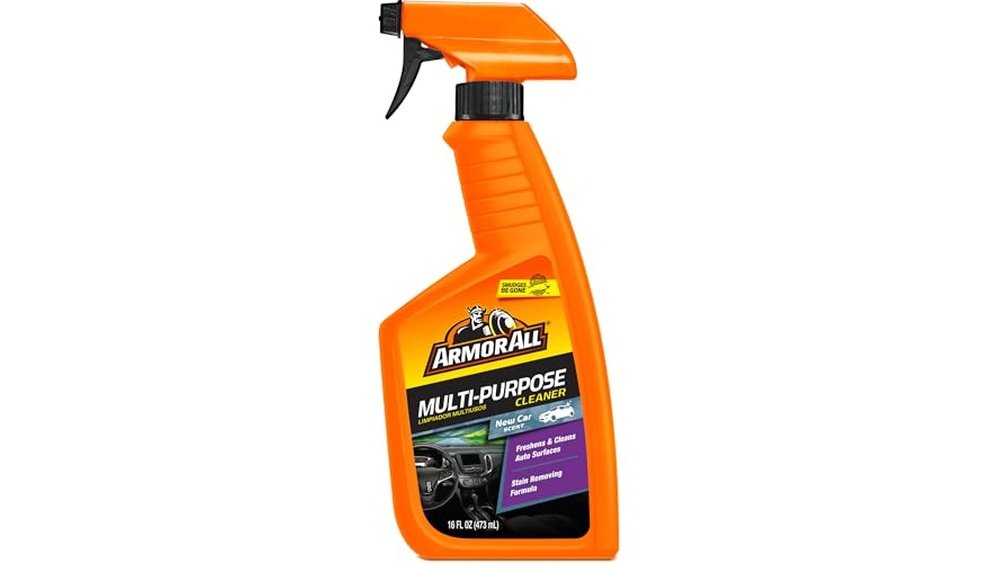
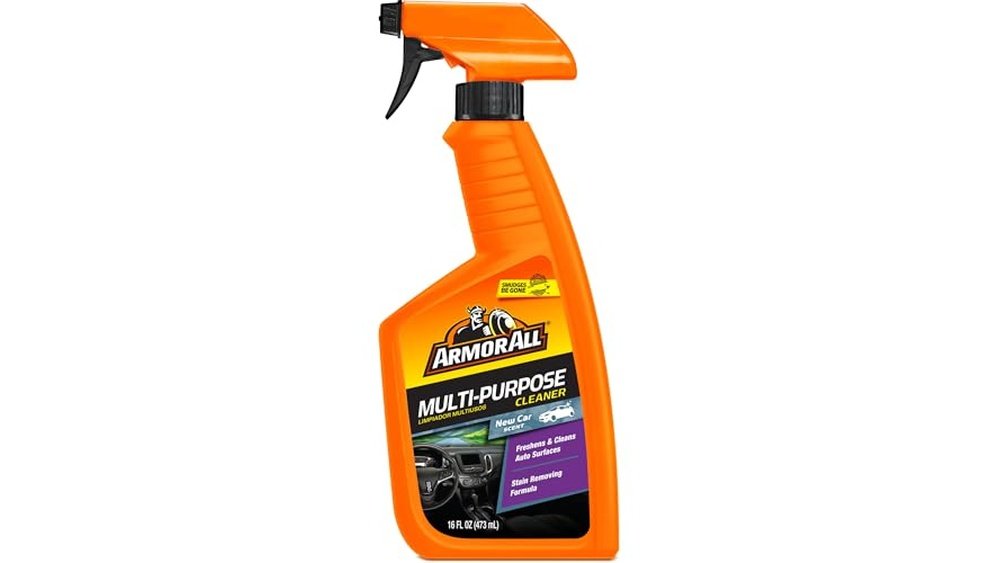
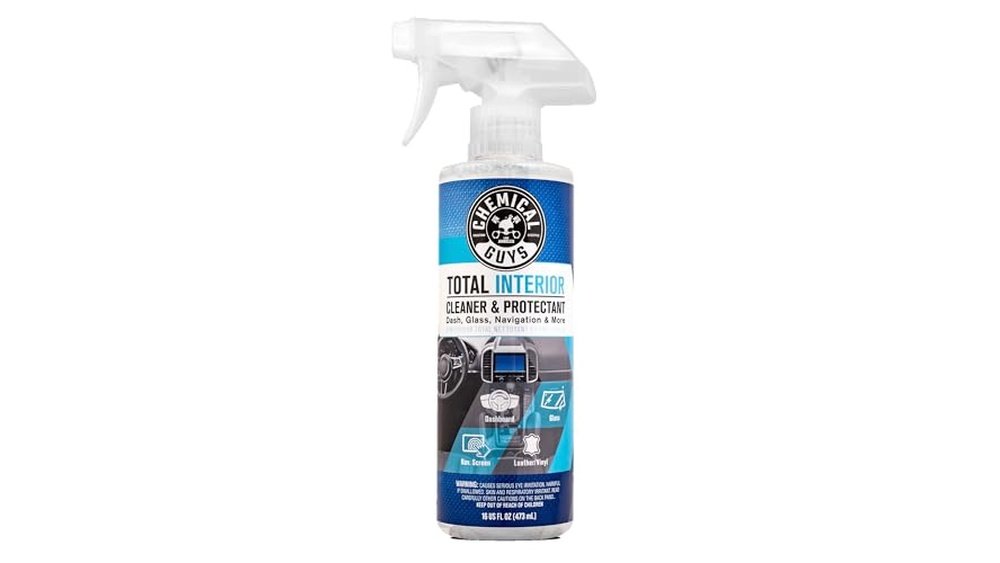
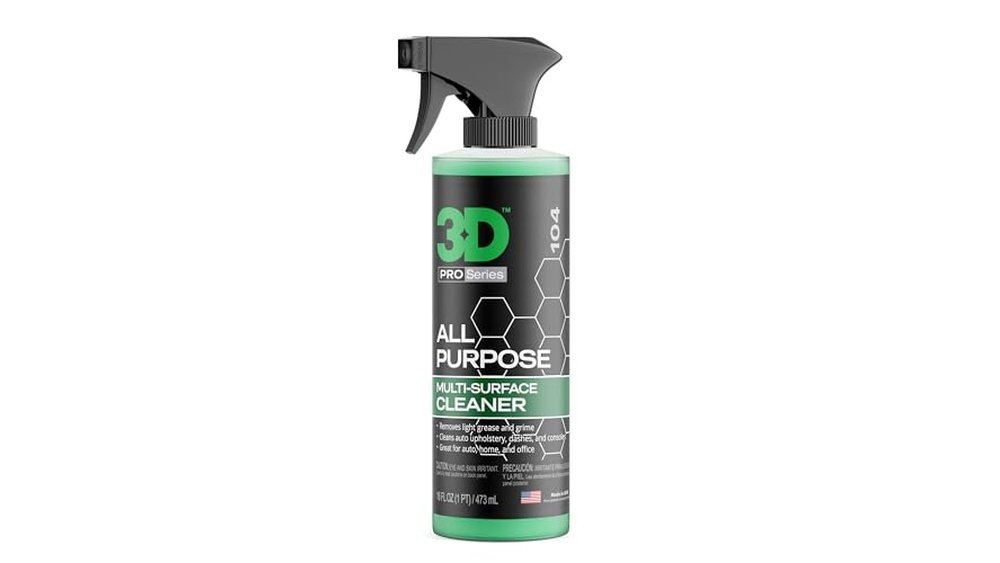
Choosing the right degreaser is key to effective engine cleaning. The right product removes grease without harming engine parts. Different degreasers suit different needs and engine types. Understanding the options helps you pick the best one for your engine care routine.
Water-based Options
Water-based degreasers use water as the main ingredient. They are gentle on surfaces and easy to rinse off. These degreasers break down grease and dirt without harsh chemicals. Water-based formulas work well for light to moderate grease build-up. They are safe for most engine components and reduce damage risk.
Solvent-based Options
Solvent-based degreasers contain strong chemicals that dissolve tough grease. They clean heavy grease and oil faster than water-based types. These products require careful use to avoid harming rubber or plastic parts. Use solvent-based degreasers for engines with stubborn grime. Always follow safety instructions to protect engine parts and yourself.
Eco-friendly Products
Eco-friendly degreasers use natural ingredients that break down grease safely. They avoid toxic chemicals and reduce environmental harm. These products are gentle on the engine and safe for disposal. Eco-friendly degreasers suit those who want effective cleaning with less impact. They offer a balance between power and safety for regular engine care.
Safe Degreasing Practices
Safe degreasing practices keep your engine clean without causing damage. Knowing which parts to avoid and how to apply degreaser protects your vehicle. Follow simple steps to maintain engine health and avoid costly repairs.
Areas To Avoid
Avoid spraying degreaser directly on sensitive areas like the air intake and electrical parts. Never spray inside cylinders or on ignition coils. These spots can trap moisture and cause short circuits or engine problems. Stay clear of belts and hoses to prevent rubber from cracking or slipping. Focus on greasy metal surfaces and engine bays instead.
Protecting Sensitive Components
Cover delicate parts such as the battery, alternator, and fuse box with plastic bags or foil. This stops water and chemicals from entering. Disconnect the battery before cleaning to avoid electrical shorts. Use a gentle cleaner on sensors and wiring. Protecting these parts ensures your engine runs smoothly after degreasing.
Proper Application Techniques
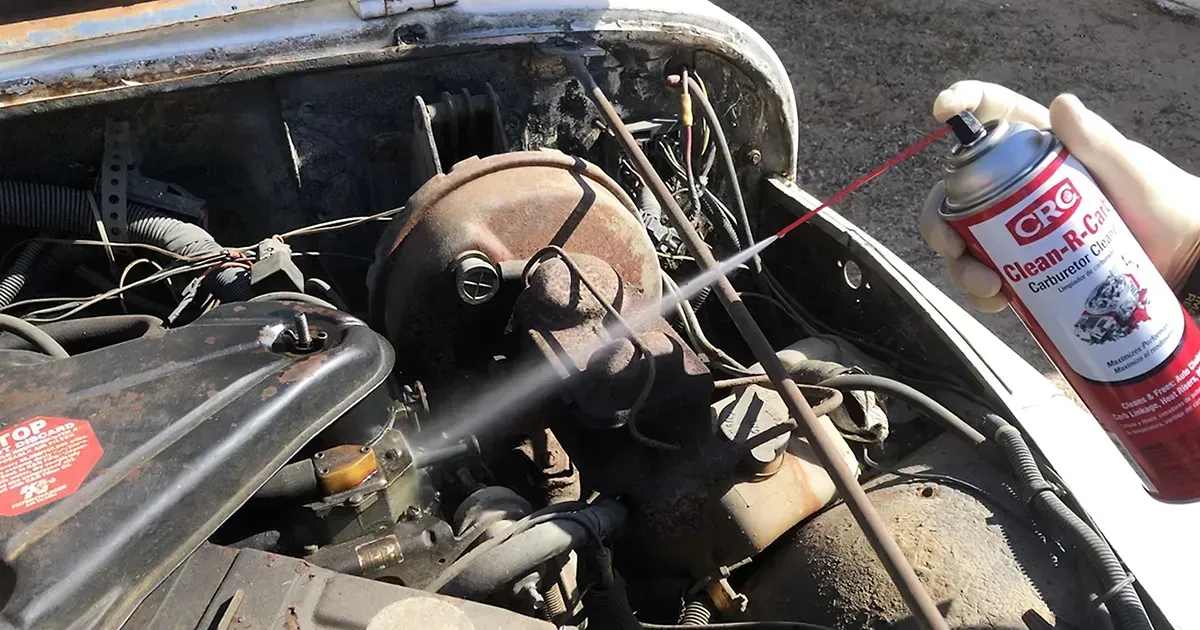
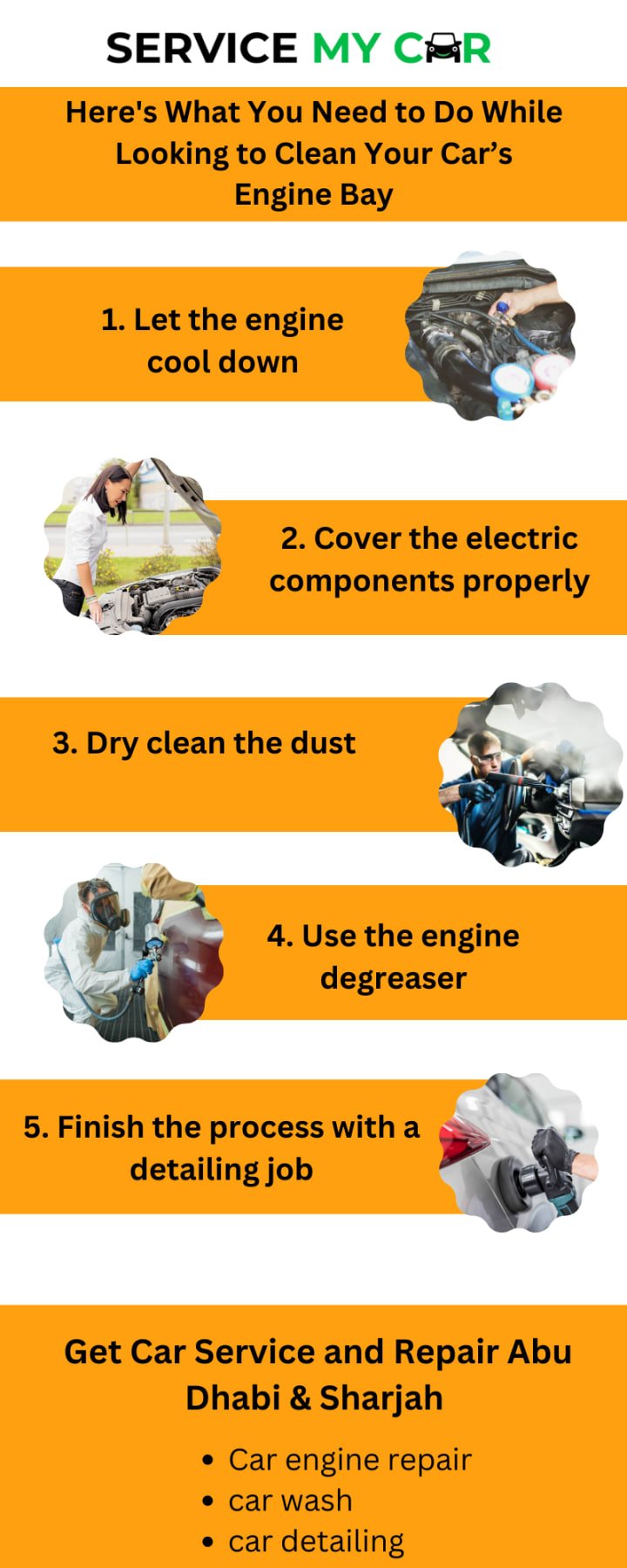
Spray degreaser from a distance of 12 to 18 inches to avoid soaking components. Let the cleaner sit for 5 to 10 minutes to break down grease. Use a soft brush to scrub stubborn grime gently. Rinse with low-pressure water to prevent damage. Always dry the engine bay with a microfiber cloth or compressed air before starting the engine.
Credit: vocal.media
Step-by-step Degreasing Process
Degreasing your engine keeps it running smoothly and extends its life. The process removes oil, dirt, and grime that build up over time. A clean engine runs cooler and is easier to inspect for leaks or damage.
Follow these simple steps to degrease your engine safely and effectively. Each step helps protect engine parts and improves cleaning results.
Preparation And Safety Measures
First, park your car in a well-ventilated area. Make sure the engine is cool to avoid burns. Disconnect the battery to prevent electrical problems. Cover sensitive parts like the air intake, distributor, and exposed wiring with plastic bags. Wear gloves and eye protection to keep chemicals off your skin and eyes.
Applying The Degreaser
Choose a quality engine degreaser suitable for your engine type. Spray the degreaser evenly on greasy and dirty areas. Avoid spraying on belts, hoses, or electrical parts directly. Let the degreaser sit for 5 to 10 minutes to break down grime but do not let it dry out. Use a soft brush to scrub stubborn grease gently.
Rinsing And Drying
Rinse the engine bay with low-pressure water to remove the degreaser and dirt. Avoid using high-pressure water, which can damage parts or force water into electrical connections. After rinsing, use a microfiber cloth to wipe excess water and dry the engine area. Let the engine air dry completely before starting the car or removing protective covers.
Common Mistakes To Avoid
Knowing the common mistakes to avoid can save your engine from damage. Many people clean their engines wrongly. This can cause more harm than good. Learning what not to do helps keep your engine healthy and running well.
Using Harsh Chemicals
Strong chemicals can eat away paint and rubber parts. They may also harm sensitive sensors. Always choose engine-safe degreasers. Check labels carefully before use. Avoid bleach and acids that cause corrosion.
Degreasing Too Often
Cleaning your engine too frequently removes natural oils. These oils protect parts from wear and rust. Over-cleaning can cause more dirt buildup later. Stick to a regular schedule based on your driving conditions.
Ignoring Engine Components
Some parts need special care during cleaning. Do not spray directly on belts and electrical parts. Water or chemicals can damage these components. Cover sensitive areas or clean them with a cloth instead.
Alternative Cleaning Methods
Alternative cleaning methods offer practical options for keeping your engine clean. These methods suit different needs and skill levels. They also help avoid harsh chemicals that may harm engine parts. Exploring these options can make engine maintenance easier and safer.
Steam Cleaning
Steam cleaning uses hot steam to break down grease and dirt. It cleans without harsh chemicals. The steam reaches tight spaces and removes grime effectively. This method is gentle on engine components. It also dries quickly, reducing the risk of corrosion.
Professional Services
Professional engine cleaning services use specialized tools and products. Experts remove tough grease and oil safely. They know how to protect sensitive engine parts. Professionals also inspect for damage during cleaning. This option saves time and ensures thorough results.
Diy Solutions
DIY solutions include using safe degreasers and simple tools. You can clean the engine bay with brushes and cloths. Avoid spraying water directly on electrical parts. Wear gloves and work in a well-ventilated area. Regular DIY cleaning helps maintain engine performance.
Maintaining A Clean Engine Between Degreasings
Keeping your engine clean between degreasing sessions helps maintain its performance. Dirt and grease can build up quickly. Small efforts prevent heavy grime. These simple steps save time and protect your engine’s parts.
Regular Inspections
Check your engine often for dirt and leaks. Look around hoses, joints, and bolts. Spotting grime early stops it from spreading. Regular checks help catch oil leaks fast. Clean spots before they get worse.
Wiping Down Surfaces
Use a damp cloth to wipe the engine surfaces. Remove dust and light grease quickly. Avoid harsh scrubbing to protect wires and sensors. Wiping keeps dirt from sticking. Clean surfaces make deep degreasing easier.
Protecting Against Future Build-up
Apply a protective spray made for engines. These sprays repel dust and grease. Keep electrical parts dry during application. Cover engine parts that attract dirt most. This simple step cuts down grime and oil buildup.
Frequently Asked Questions
How Often Should I Degrease My Engine?
Degrease your engine every 6 to 12 months or more often if you drive in dusty or oily conditions. Clean regularly to maintain performance.
Is An Engine Degreaser Necessary?
An engine degreaser helps remove grease and grime, improving engine performance and preventing damage. Use it for effective cleaning and maintenance.
How To Properly Degrease An Engine?
Start by covering sensitive parts like the battery and air intake. Spray a quality degreaser on the engine surface. Let it sit for 5-10 minutes. Rinse gently with low-pressure water. Dry the engine with a microfiber cloth or compressed air to prevent moisture damage.
Is It Okay To Spray Wd-40 On A Car Engine?
Spraying WD-40 on a car engine’s exterior can help loosen bolts and clean grime. Avoid spraying on belts, hoses, sensors, or inside cylinders to prevent damage and fire hazards. Use it sparingly and keep electronics protected for safe engine maintenance.
Conclusion
Regular engine degreasing keeps your car running smoothly. Aim to clean every few months or after heavy use. Avoid spraying sensitive parts to prevent damage. Use gentle, water-based degreasers for safety. A clean engine helps spot leaks and extends engine life.
Simple care saves costly repairs later. Keep your engine free from grime and grease for best performance. Remember, timely degreasing protects your investment and improves vehicle reliability.