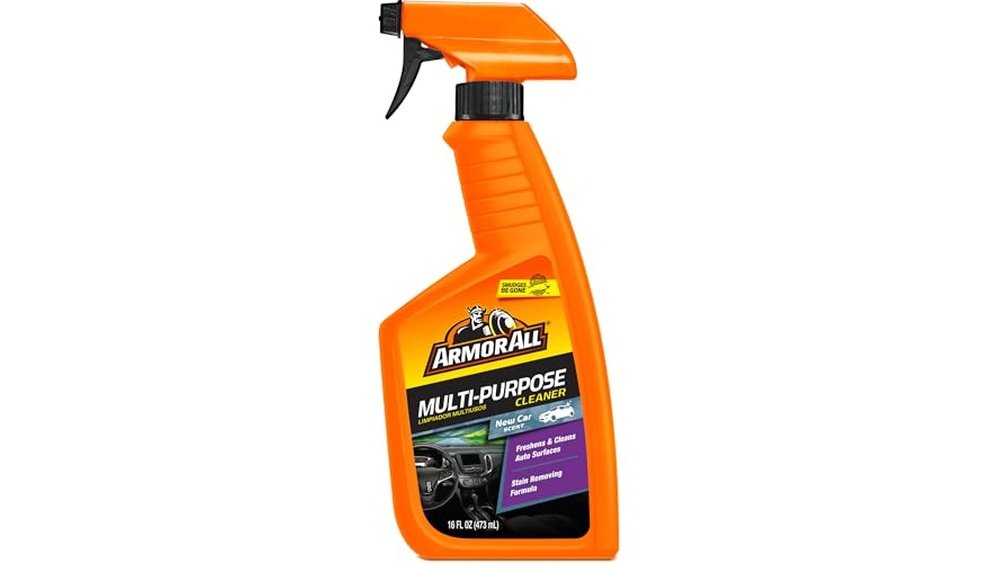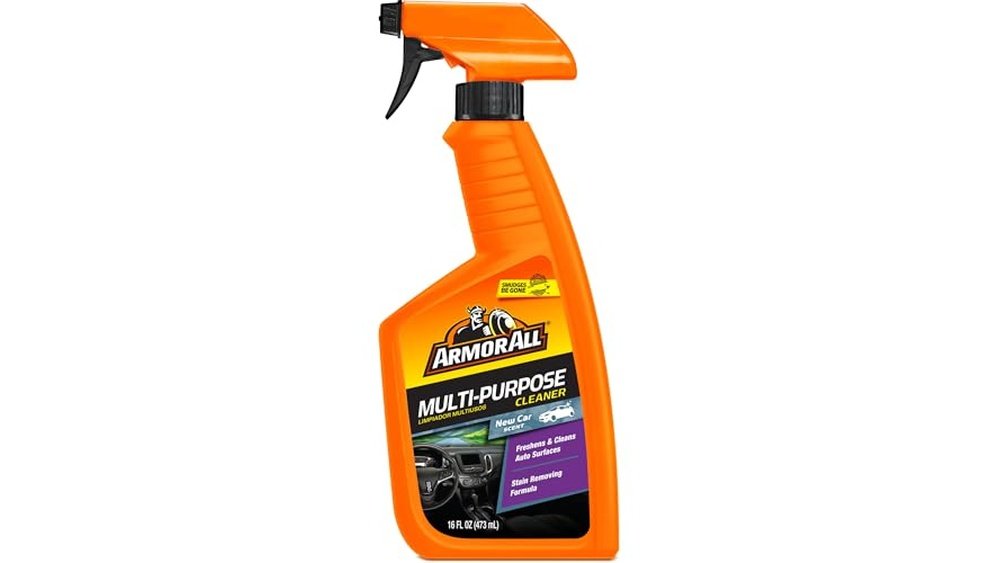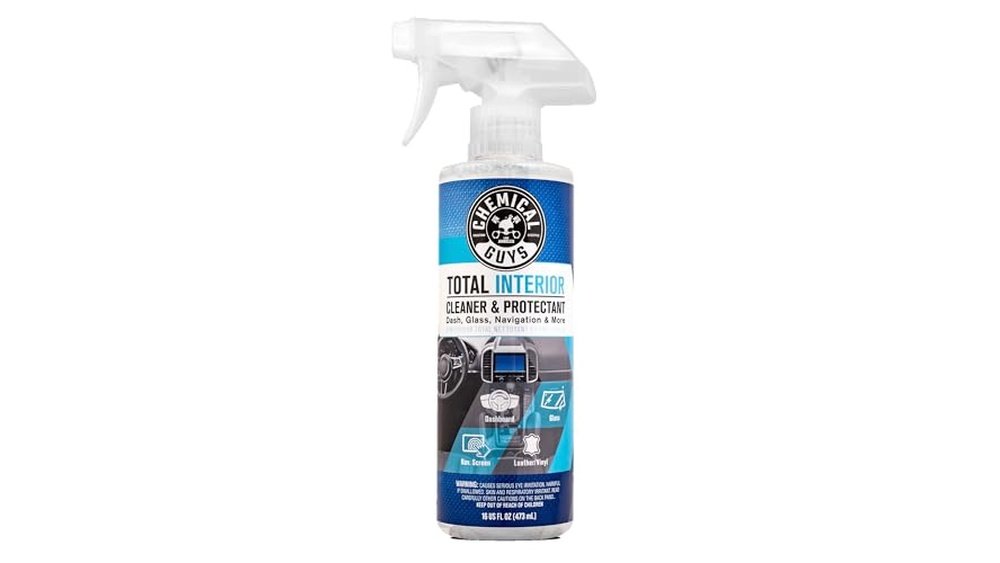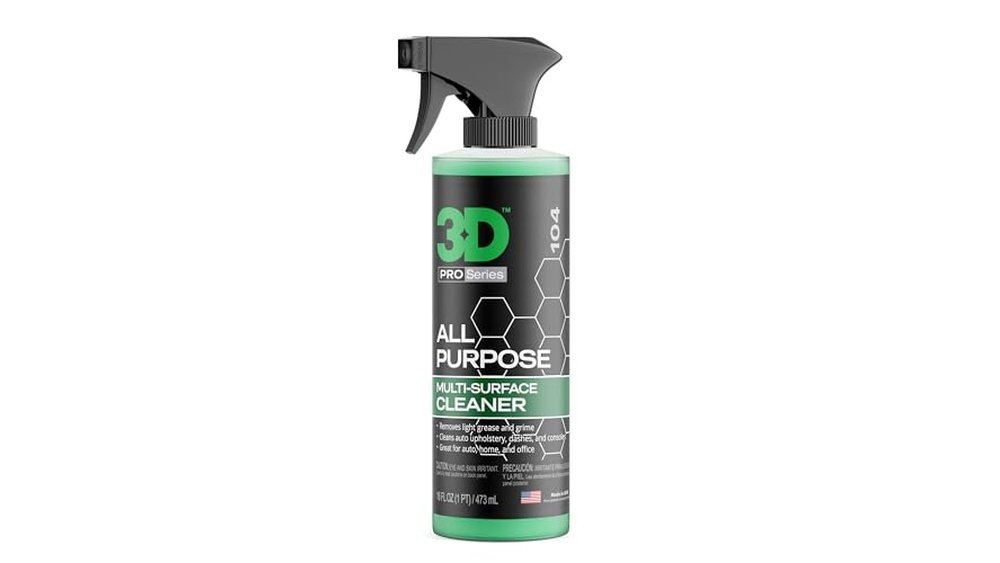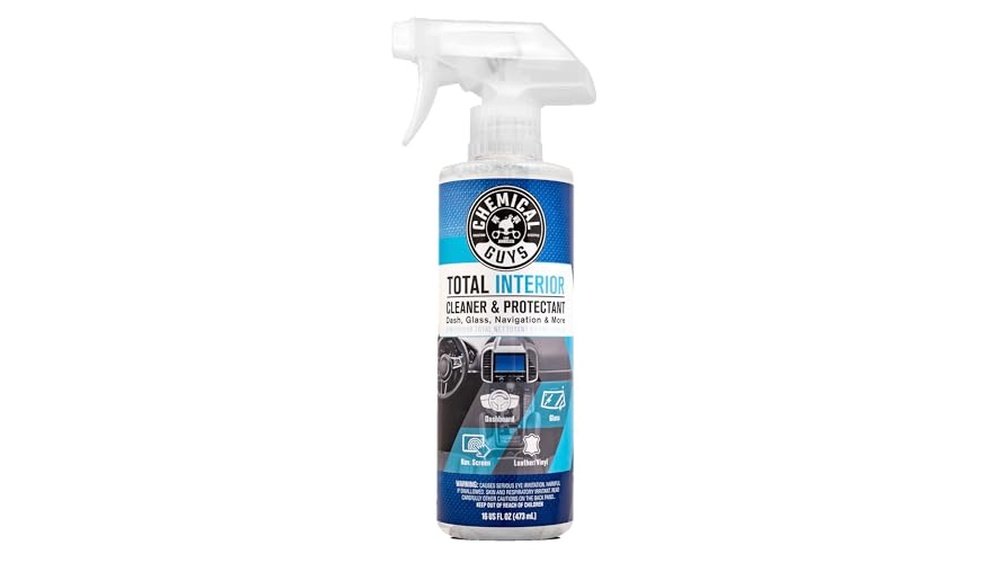
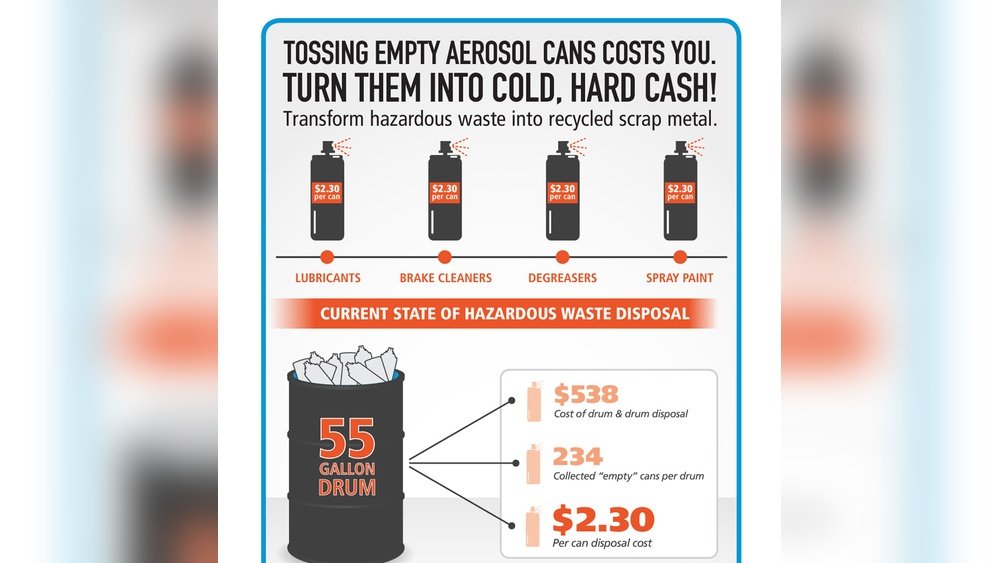
You probably use degreasers to keep things clean and running smoothly, but have you ever stopped to think about how to get rid of them safely? Pouring leftover degreaser down the drain or tossing it in the trash might seem easy, but it can cause serious harm to your plumbing, local water supply, and the environment.
If you want to protect your home and community while following the law, knowing the right way to dispose of degreasers is crucial. You’ll discover simple, effective steps to handle degreaser waste properly—so you can clean up without the worry.
Keep reading to learn how you can do your part and avoid costly mistakes.
Types Of Degreasers
Degreasers come in various types, each designed for specific cleaning needs. Understanding the main categories helps handle and dispose of them safely. Proper disposal reduces harm to the environment and protects water sources.
Water-based Degreasers
Water-based degreasers use water as the main solvent. They often contain biodegradable ingredients. These degreasers are less toxic and easier to clean up. They work well on light to moderate grease and dirt. Disposal usually involves diluting and following local waste rules.
Solvent-based Degreasers
Solvent-based degreasers contain chemicals like petroleum or alcohols. They are strong and remove tough grease and oil. These degreasers can be hazardous to health and the environment. Proper disposal requires taking them to hazardous waste centers. Never pour solvent-based degreasers down drains or on soil.
Industrial Vs Household Degreasers
Industrial degreasers are stronger and used in factories or heavy machinery. They often contain harsh chemicals and need special disposal methods. Household degreasers are milder and made for everyday cleaning tasks. They are safer but still require careful disposal to avoid pollution.

Credit: zep.com
Risks Of Improper Disposal
Improper disposal of degreasers poses serious risks. These chemicals contain harmful substances that can damage the environment and human health. Ignoring proper disposal guidelines leads to pollution, accidents, and legal problems. Understanding these risks encourages safer handling and protects communities.
Environmental Impact
Degreasers often contain toxic chemicals. When poured into drains or soil, they contaminate water sources. This harms fish, plants, and wildlife. Chemicals can spread through groundwater, affecting large areas. Pollution also disrupts ecosystems and reduces biodiversity. Proper disposal prevents these long-term environmental damages.
Health Hazards
Direct contact with degreasers can cause skin burns and eye irritation. Breathing fumes may lead to respiratory problems. Contaminated water can cause illness if ingested. Children and pets are especially vulnerable. Safe disposal reduces exposure to these health dangers.
Legal Consequences
Many regions have strict rules for chemical waste disposal. Violating these laws can result in fines or legal action. Businesses face penalties that affect their reputation and finances. Proper disposal shows compliance with local regulations. It also avoids costly cleanup efforts ordered by authorities.
Safe Disposal Methods
Proper disposal of degreasers protects people and the environment. These chemicals can harm water, soil, and wildlife if not handled right. Safe disposal methods reduce risks and follow legal rules. Understanding these ways helps keep your home and community clean and safe.
Using Hazardous Waste Facilities
Hazardous waste facilities accept degreasers and other dangerous chemicals. These centers have special tools to treat and dispose of waste safely. Take your degreaser to a local facility rather than pouring it down drains. Many cities offer drop-off days for household hazardous waste. Check local guidelines to find the nearest hazardous waste site.
Solidifying Liquids For Trash
Solidifying liquid degreasers makes disposal easier and safer. Use absorbent materials like kitty litter or sawdust to soak up the liquid. Mix until the degreaser becomes a solid mass. Place the solidified waste in a sealed bag before putting it in the trash. Never pour liquid degreasers directly into garbage or drains.
Recycling And Reusing Degreasers
Some degreasers can be recycled or reused to reduce waste. Filter dirty degreaser through fine mesh to remove debris. Store the cleaned product in a labeled container for future use. Many businesses offer recycling programs for used degreasers. Reusing degreasers saves money and helps the environment by cutting down on chemical waste.
Local Disposal Regulations
Proper disposal of degreasers requires following local rules to protect health and environment. Different areas have specific laws to handle chemicals safely. Understanding these local disposal regulations helps avoid fines and pollution.
Local rules often depend on the chemical type and quantity. Some places treat degreasers as hazardous waste. Others allow small amounts in regular trash. Knowing your area’s rules keeps disposal safe and legal.
Checking With Local Authorities
Contact your city or county offices for disposal guidance. Many local governments offer resources on hazardous waste handling. Ask about approved collection sites or special pickup days. This step ensures you follow correct disposal methods.
Texas-specific Guidelines
Texas has strict rules for chemical waste like degreasers. The Texas Commission on Environmental Quality sets disposal standards. They require hazardous waste to be taken to licensed facilities. Some Texas cities have drop-off programs for household hazardous waste. Check local Texas agency websites for current rules.
Municipal Waste Programs
Many towns run waste programs for chemicals and degreasers. These programs may include scheduled hazardous waste collection events. Some offer permanent drop-off centers for safe disposal. Participation helps keep hazardous materials out of landfills and water systems.
Handling Containers
Handling containers after using degreasers is important for safety and environmental care. Proper container management stops harmful chemicals from leaking or polluting. It also helps in reusing or recycling plastic materials responsibly. Follow simple steps to manage empty degreaser bottles correctly. These steps protect your home, community, and nature.
Triple Rinsing Empty Bottles
Triple rinsing means washing the container three times. Use clean water to rinse inside the bottle thoroughly. Shake the bottle well and pour out the rinse water safely. This removes harmful residues left inside. Triple rinsing helps prevent chemical reactions and contamination. Always wear gloves and work in a well-ventilated area during rinsing.
Recycling Plastic Containers
Check the recycling symbol on the bottle before recycling. Some degreaser containers may not be accepted in regular recycling bins. Take containers to a hazardous waste or chemical recycling center if needed. Clean bottles are easier to recycle and reduce landfill waste. Proper recycling turns waste into useful new products. Never throw chemical containers in regular trash without cleaning.
Labeling And Storage Tips
Keep empty containers labeled clearly as “Empty” or “Rinsed.” This avoids confusion and accidental use of harmful leftovers. Store containers in a cool, dry place away from children and pets. Use sealed bins or cupboards for safe storage. Proper labeling and storage prevent accidents and spills. Always follow local rules for storing chemical containers.
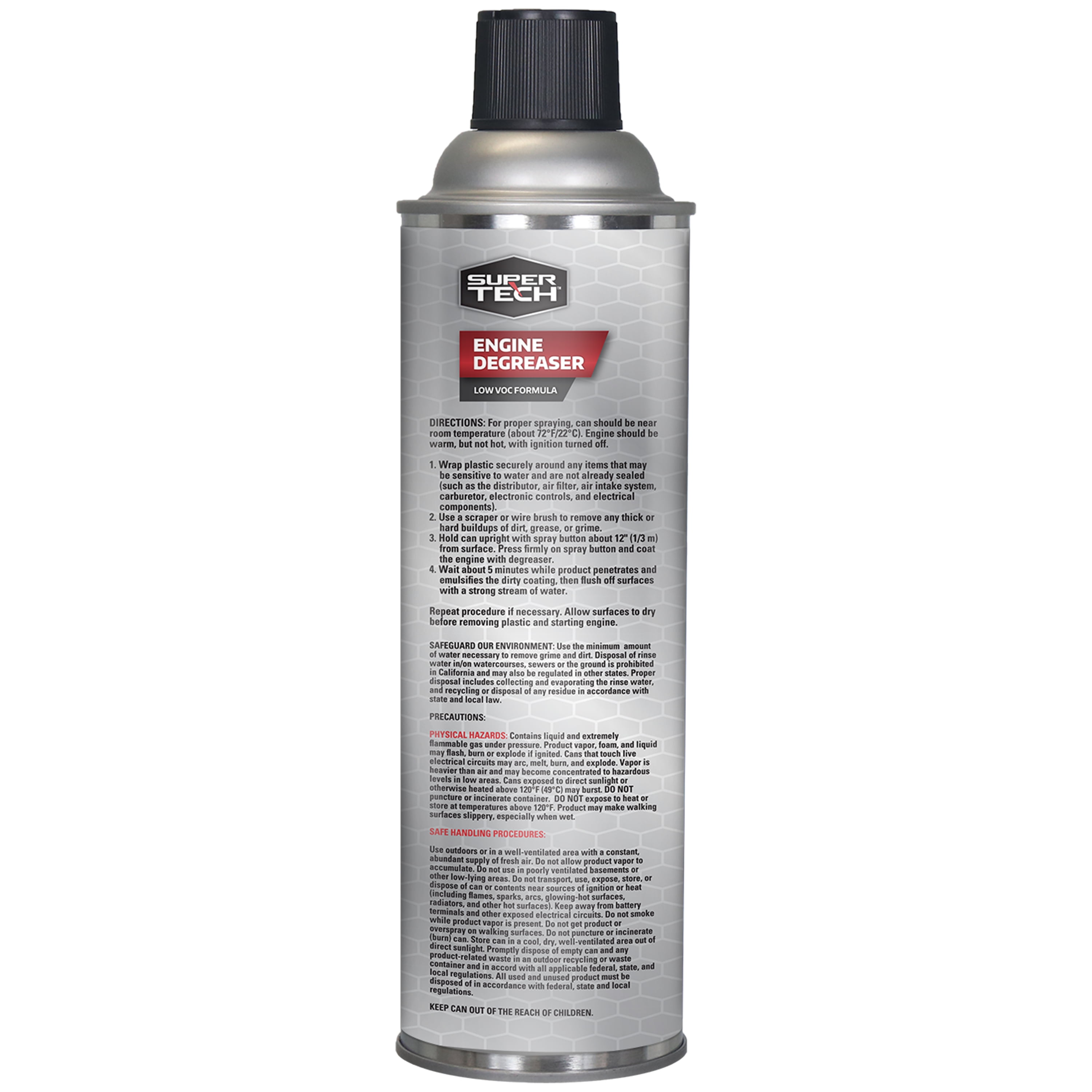
Credit: www.walmart.com
Eco-friendly Alternatives
Choosing eco-friendly alternatives helps reduce harm to the environment. These options break down naturally and avoid toxic buildup. They protect water, soil, and air quality. Using safer products also limits health risks for people and pets. Switching to green degreasers supports a cleaner, safer planet.
Biodegradable Degreasers
Biodegradable degreasers break down quickly in nature. They contain ingredients from plants or natural minerals. These degreasers do not leave harmful residues behind. They clean effectively without polluting water or soil. Many biodegradable options work well for both home and industrial use.
Natural Cleaning Solutions
Natural cleaning solutions use common kitchen items like vinegar and baking soda. These substances remove grease without harsh chemicals. Lemon juice also cuts through oil and grime. These solutions are safe for most surfaces and easy to make. They reduce the need for chemical degreasers in daily cleaning.
Reducing Chemical Use
Reducing chemical use lowers toxic waste and pollution risks. Using less degreaser or diluting it saves resources. Regular cleaning prevents heavy buildup, needing fewer strong cleaners. Choosing eco-friendly brands helps decrease environmental damage. Small changes in cleaning habits add up to big benefits.
Preventive Measures
Preventive measures reduce the amount of degreaser waste produced. These steps help protect the environment and lower disposal costs. Handling degreasers carefully prevents accidents and spills that harm nature. Follow simple habits to keep your workspace safe and clean.
Minimizing Degreaser Waste
Use only the amount of degreaser needed for the job. Avoid pouring excess liquid into drains or soil. Choose products with concentrated formulas to reduce volume. Reuse degreaser when possible by filtering or storing it properly. Small changes save money and limit harmful waste.
Safe Usage Practices
Wear protective gloves and eyewear during use. Work in well-ventilated areas to avoid inhaling fumes. Apply degreasers carefully to avoid splashes and spills. Follow manufacturer instructions exactly for safe handling. Proper use lowers health risks and environmental damage.
Proper Storage To Avoid Spills
Store degreasers in sealed, labeled containers away from heat. Keep containers on stable shelves to prevent tipping. Use secondary containment trays to catch leaks. Avoid mixing degreasers with other chemicals. Safe storage stops leaks and contamination of soil and water.
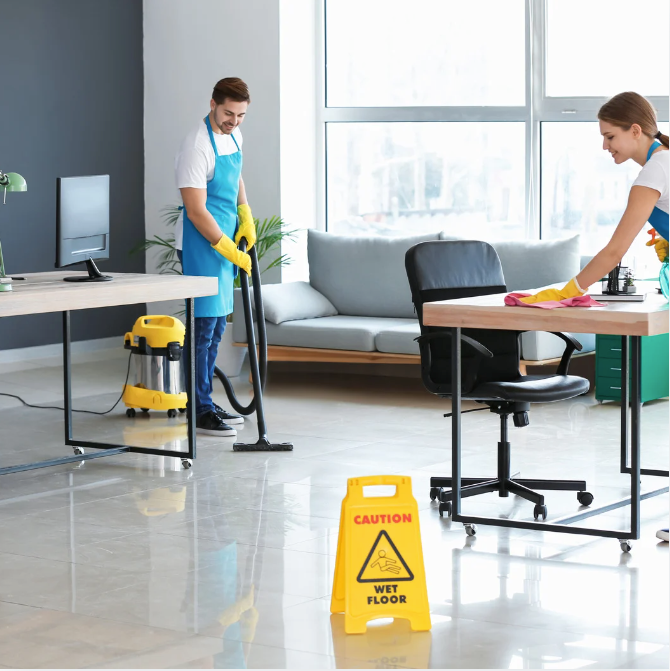
Credit: www.stellarchem.com.au
Frequently Asked Questions
How To Dispose Of A Used Degreaser?
Take used degreaser to a local hazardous waste facility or auto parts store for proper disposal. Never pour it down drains.
Where To Pour Degreaser?
Pour degreaser into a designated hazardous waste container or take it to a local hazardous waste facility. Never pour down drains.
Can Zep Degreaser Go Down The Drain?
Do not pour Zep degreaser down the drain. Dispose of it at a hazardous waste facility or follow local regulations to protect plumbing and the environment.
Can I Throw Grease In The Garbage?
Do not pour grease directly in the garbage. Solidify grease first, then discard it in a sealed bag with household trash. Avoid pouring grease down drains to protect plumbing and the environment.
Conclusion
Proper disposal of degreasers protects the environment and public health. Always follow local rules for hazardous waste. Never pour degreasers down drains or onto the ground. Use recycling centers or hazardous waste facilities nearby. Solidify liquids when required before disposal.
Handle degreasers carefully to avoid spills or accidents. Small steps help prevent pollution and keep communities safe. Dispose of degreasers responsibly every time. Your care makes a real difference.