When you’re handling degreasers, protecting yourself should be your top priority. These powerful cleaning agents can do a great job cutting through grease and grime, but they can also harm your skin and lungs if you’re not careful.
So, do you really need gloves or masks when using degreasers? The short answer is yes—and understanding why can save you from irritation, chemical burns, or breathing problems. You’ll learn exactly what protective gear you need, how to use it correctly, and why it matters for your safety every time you tackle tough cleaning jobs.
Keep reading to make sure you’re fully prepared and protected.
Gloves And Degreasers
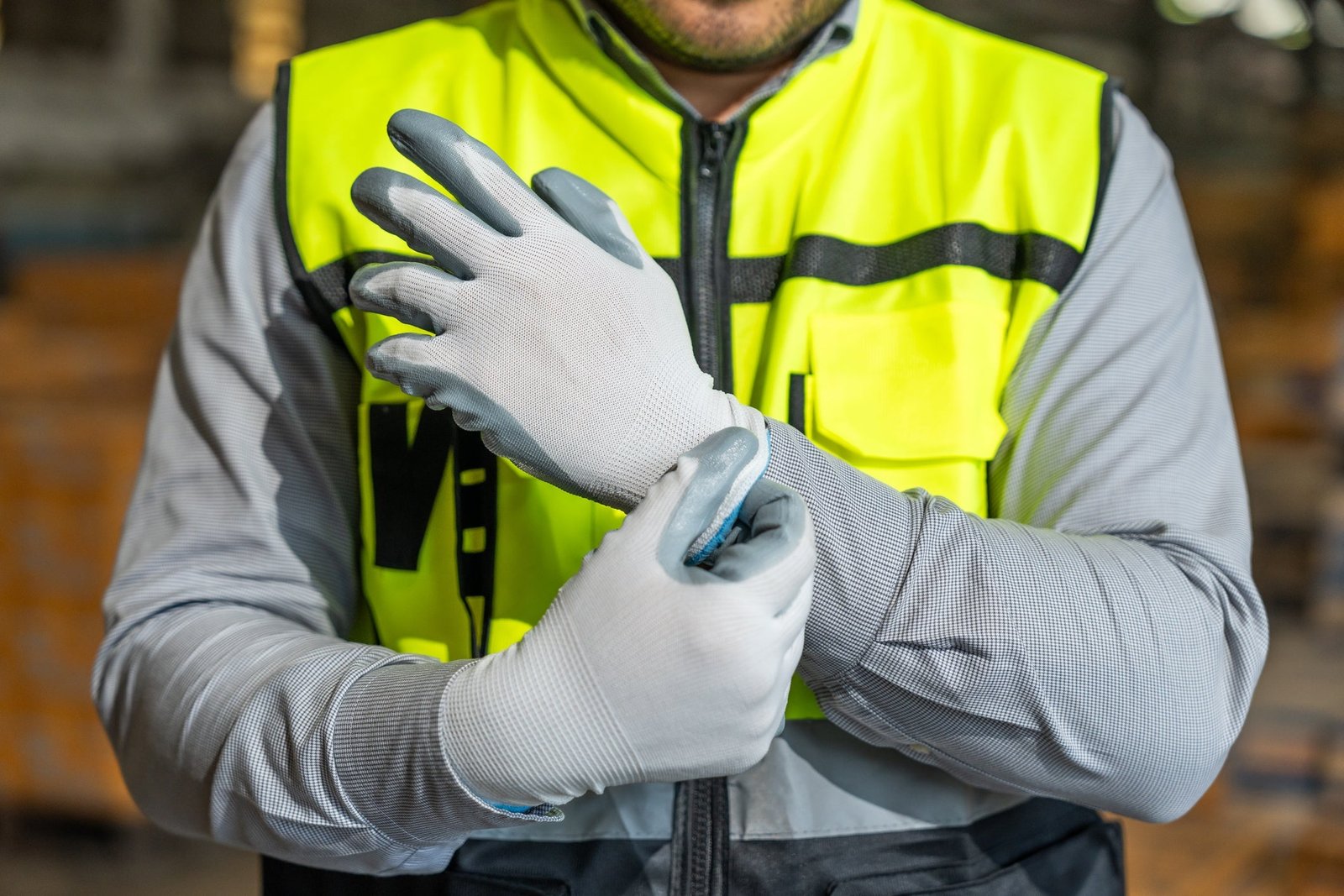
Using degreasers requires care to protect your skin from harsh chemicals. Gloves serve as a vital barrier between your hands and these substances. They help prevent irritation and long-term skin damage. Choosing the right gloves and understanding their importance enhances safety and comfort during cleaning tasks.
Why Gloves Are Essential
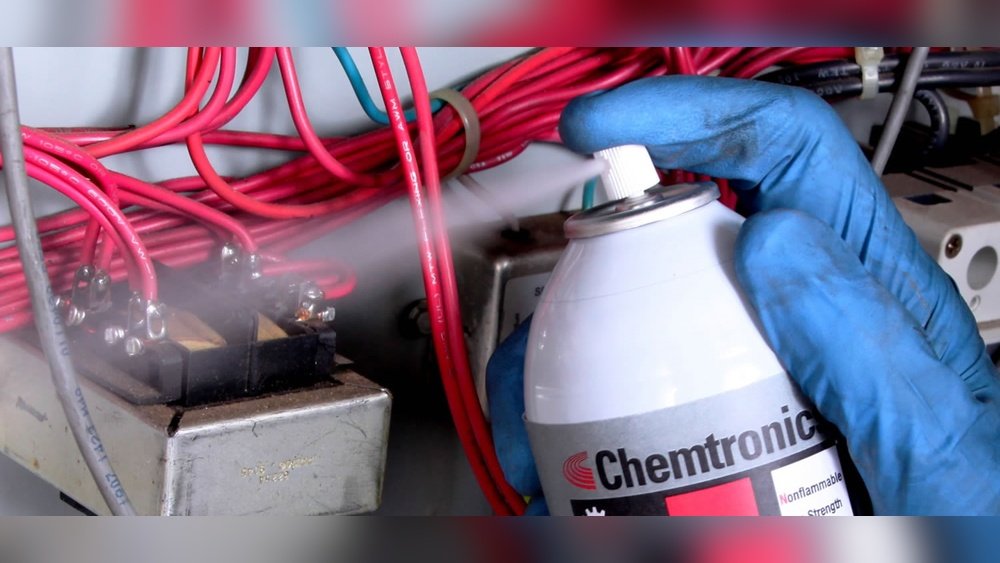
Gloves protect your hands from strong chemicals in degreasers. These chemicals can cause burns, dryness, or allergic reactions. Wearing gloves reduces the risk of absorbing harmful substances through your skin. They also keep your hands clean and prevent contamination. Gloves improve safety by providing a physical shield against chemical exposure.
Types Of Gloves To Use
Not all gloves work well with degreasers. Nitrile gloves offer strong resistance to chemicals and punctures. They are flexible and comfortable for long use. Latex gloves provide good protection but may cause allergies in some people. Neoprene gloves resist oils and solvents, making them suitable for heavy-duty tasks. Choose gloves labeled chemical-resistant for best results.
Effects Of Degreasers On Skin
Degreasers strip oils from the skin, causing dryness and cracking. Prolonged contact can lead to redness, itching, or rashes. Some degreasers contain solvents that may burn or irritate skin. Without protection, repeated exposure increases the chance of dermatitis. Using gloves prevents these harmful effects and keeps your skin healthy.
Masks And Respiratory Safety
Using degreasers can expose you to harmful fumes that affect your breathing. Protecting your respiratory system is important. Wearing a mask helps reduce the risk of inhaling dangerous chemicals. This section explains when to wear a mask, how to choose the right one, and the risks of breathing in degreaser fumes.
When To Wear A Mask
Wear a mask if you use strong degreasers indoors or in a space with poor airflow. Masks are essential when spraying degreasers or working with large amounts of chemicals. Use a mask whenever you notice strong chemical smells. This prevents breathing in harmful vapors.
Choosing The Right Mask
Not all masks protect against chemical fumes. Use a mask rated for chemical vapors, like an N95 or respirator. Cloth or surgical masks do not block harmful degreaser fumes. Check the product label for recommended mask types. Make sure the mask fits well to prevent leaks.
Risks Of Inhaling Degreaser Fumes
Breathing degreaser fumes can cause coughing, throat irritation, and headaches. Long exposure may lead to dizziness, nausea, or lung damage. Some chemicals in degreasers are toxic and can harm your health. Wearing a mask reduces these risks and keeps your lungs safe.
Additional Protective Gear
Using degreasers requires more than just gloves and masks. Additional protective gear helps keep you safe from harmful chemicals. These products can irritate eyes, skin, and lungs. Wearing the right gear reduces the risk of injury and exposure. Consider other protection besides gloves and masks for full safety.
Eye Protection Options
Protecting your eyes is crucial when using degreasers. Splashing chemicals can cause serious eye damage. Safety goggles offer a secure fit and shield your eyes from splashes. Face shields provide extra coverage, especially for heavy-duty tasks. Avoid regular glasses; they do not protect against chemical sprays. Choose eye protection that fits well and is comfortable to wear.
Protective Clothing Recommendations
Wear clothing that covers your skin fully to avoid contact with degreasers. Long sleeves and long pants help shield your arms and legs. Use chemical-resistant aprons or coveralls for extra protection. Avoid cotton clothes as they absorb chemicals quickly. Consider materials like neoprene or PVC, which resist chemicals better. Proper clothing prevents skin irritation and chemical burns.
Safe Handling Practices
Handling degreasers safely is crucial for protecting your skin, eyes, and lungs. These chemicals can irritate and cause harm if not used carefully. Wearing gloves and masks helps reduce direct contact and inhalation risks. Along with personal protection, following safe handling practices enhances your safety during use.
Ventilation Importance
Good ventilation lowers the concentration of harmful fumes. Use degreasers in open spaces or rooms with exhaust fans. Fresh air helps prevent breathing in toxic vapors. Avoid using degreasers in small, closed areas without airflow.
Proper Application Techniques
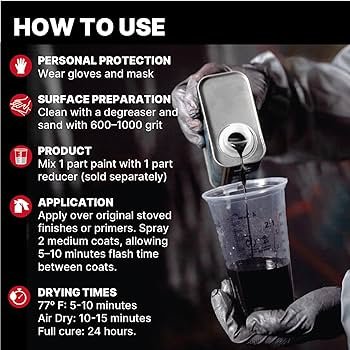
Apply degreasers carefully to limit splashes and spills. Use brushes or spray bottles designed for chemical use. Avoid pouring large amounts at once. Always read product instructions before use to ensure correct handling.
Avoiding Cross-contamination
Keep tools and gloves clean to prevent spreading chemicals. Do not touch your face or other surfaces after handling degreasers. Change gloves if they become damaged or heavily soiled. Dispose of used materials safely and wash hands thoroughly afterward.
First Aid Measures
Accidents can happen while using degreasers. Knowing first aid steps helps reduce harm quickly. Immediate action can prevent serious injury. Handle skin, eye, or breathing issues right away for safety.
Skin Contact Response
Rinse the affected skin with plenty of water. Remove any contaminated clothing carefully. Avoid rubbing or scrubbing the skin. Use mild soap if available. Seek medical help if irritation or rash appears.
Eye Exposure Treatment
Flush eyes with clean water for at least 15 minutes. Keep eyelids open during rinsing to wash thoroughly. Do not use eye drops or ointments. Get medical attention immediately to prevent damage.
Dealing With Inhalation Issues
Move to fresh air immediately. Avoid staying in the contaminated area. Rest and breathe slowly to ease discomfort. If breathing is difficult or symptoms worsen, call emergency services right away.
Credit: www.esafetysupplies.com
Common Mistakes To Avoid
Using degreasers can expose your skin and lungs to harmful chemicals. Many people make avoidable errors that increase health risks. Knowing common mistakes helps you stay safe and use degreasers properly. Below are the key errors to watch out for.
Skipping Ppe
Some users think degreasers are safe without protection. Not wearing gloves or masks can cause skin burns or breathing problems. Always wear personal protective equipment to avoid chemical contact. Gloves and masks form a barrier between you and harmful substances.
Using Wrong Gloves Or Masks
Not all gloves protect against degreasers. Thin or fabric gloves may let chemicals pass through. Choose gloves made of nitrile or neoprene for better defense. For breathing, use masks with proper filters to block fumes. Simple dust masks do not offer enough protection.
Ignoring Safety Instructions
Many ignore label instructions or safety data sheets. These documents explain how to use degreasers safely. They detail what PPE to wear and ventilation needs. Follow these instructions exactly to prevent accidents. Never assume all degreasers have the same risks.
Environmental Considerations
Environmental considerations play a vital role when using degreasers. These chemicals can harm the environment if not handled properly. Protecting nature means managing both the personal protective equipment (PPE) and degreaser waste responsibly. The right steps reduce pollution and keep ecosystems safe.
Disposal Of Used Ppe
Used gloves and masks may carry harmful chemicals from degreasers. Dispose of them in sealed bags to prevent leakage. Do not throw PPE in regular trash without containment. Follow local guidelines for hazardous waste disposal. Proper disposal stops chemicals from entering soil and water.
Handling Degreaser Waste Safely
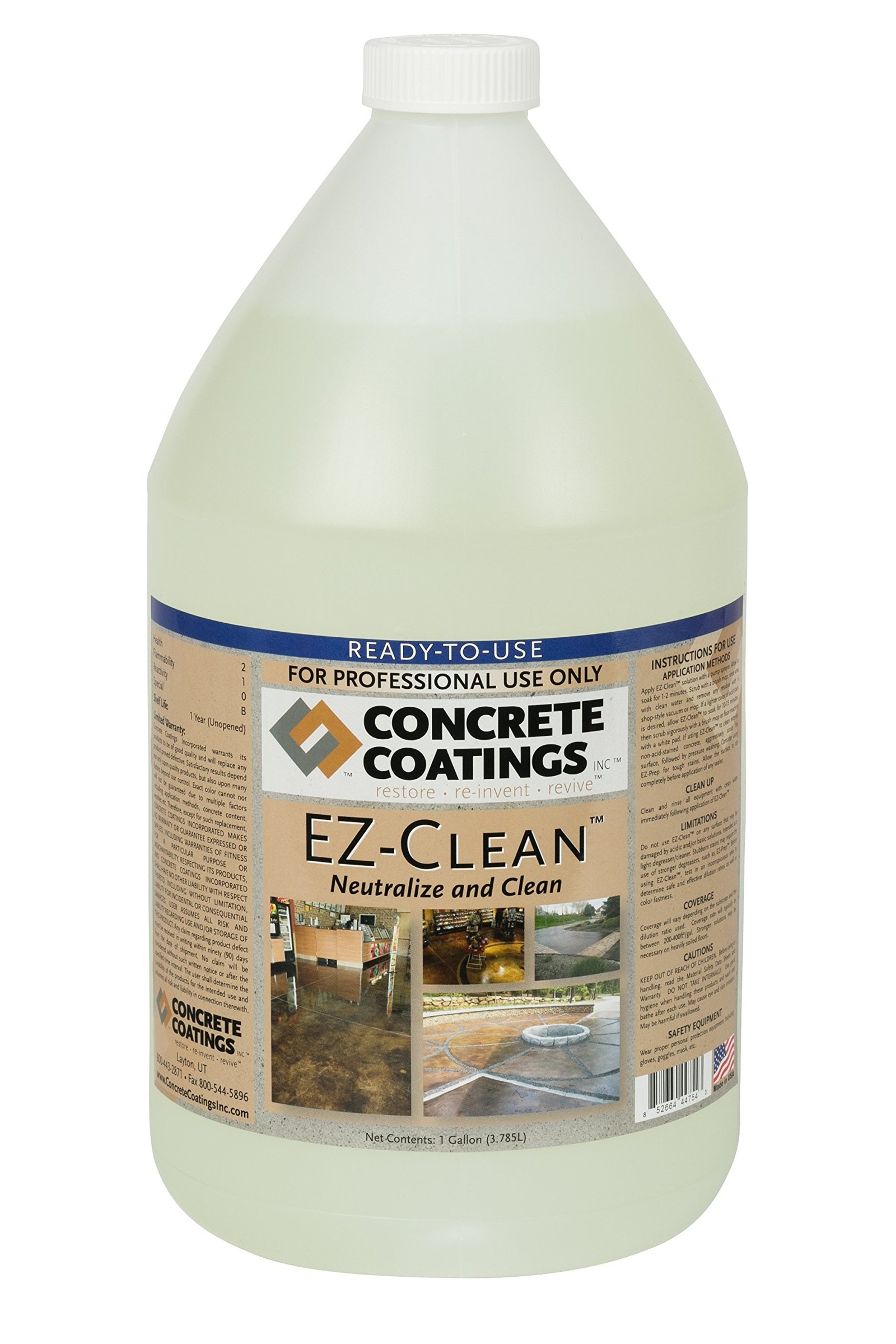
Leftover degreaser and rinse water must be handled with care. Avoid pouring them down drains or onto the ground. Collect waste in containers labeled for hazardous liquids. Take these containers to approved disposal sites. Safe handling prevents contamination of water sources and wildlife habitats.
Credit: oman.whizzcart.com
Credit: www.amazon.com
Frequently Asked Questions
Do You Need Gloves For Degreaser?
Yes, wear gloves when using degreasers to protect your skin from harsh chemicals and irritation. Gloves prevent dryness and dermatitis.
Should You Wear A Mask When Using Degreaser?
Wear a mask when using degreasers to avoid inhaling harmful fumes or vapors. Always use gloves and ensure proper ventilation.
Is It Safe To Breathe In A Degreaser?
Breathing in degreaser vapors can harm your respiratory system. Always use degreasers in well-ventilated areas and wear a mask.
What Happens If You Get Degreaser On Your Hands?
Degreaser on your hands can cause dryness, irritation, and redness. Prolonged contact may lead to dermatitis or rash. Rinse immediately with water and use moisturizer. Always wear gloves to protect your skin from harmful chemicals in degreasers.
Conclusion
Wearing gloves and masks protects your skin and lungs from harm. Degreasers contain chemicals that can irritate or damage you. Gloves stop skin dryness and rashes. Masks prevent breathing in harmful vapors. Always choose the right protective gear before starting.
Stay safe by keeping chemicals away from your body. Clean smart, but protect yourself first. Your health matters most during cleaning tasks.