

If you’re running a car detailing business or planning to start one in Atlanta, understanding the city’s environmental regulations is crucial for your success. You might think detailing is just about making vehicles shine, but did you know that improper handling of water and chemicals can lead to serious fines and damage to the environment?
You’ll learn exactly what rules you need to follow to keep your business compliant and eco-friendly. Stay with us to discover practical tips that protect both your customers’ cars and Atlanta’s natural resources. Your commitment to these regulations can set you apart as a trusted, responsible car detailer in the community.
Credit: m.yelp.com
Regulations Affecting Car Detailing
Car detailing businesses in Atlanta must follow several environmental regulations. These rules protect water, air, and soil from pollution. Understanding these laws helps detailers operate legally and responsibly. It also ensures a safer environment for everyone.
State Environmental Laws
Georgia sets strict rules for water use and waste disposal. Car detailers must avoid dumping dirty water into storm drains. The state controls chemical use to reduce pollution risks. Businesses must get permits for large water discharges. These laws help protect local rivers and groundwater.
Local Atlanta Ordinances
Atlanta has its own rules for car detailing businesses. These focus on water runoff and waste management. Detailers must use water-saving methods and proper disposal systems. The city enforces fines for illegal dumping of wash water. Local laws also require safe storage of chemicals and materials.
Federal Epa Requirements
The Environmental Protection Agency (EPA) sets nationwide standards. Car detailers must follow guidelines on hazardous waste handling. The EPA regulates air emissions from cleaning products. Businesses must keep records of waste disposal and chemical use. These federal rules aim to reduce pollution and protect public health.
Water Usage And Discharge Rules
Car detailing businesses in Atlanta must follow strict water usage and discharge rules. These rules protect local water sources from pollution. Businesses must manage water carefully and avoid harmful discharges. Understanding these regulations helps detailers stay compliant and protect the environment.
Stormwater Management
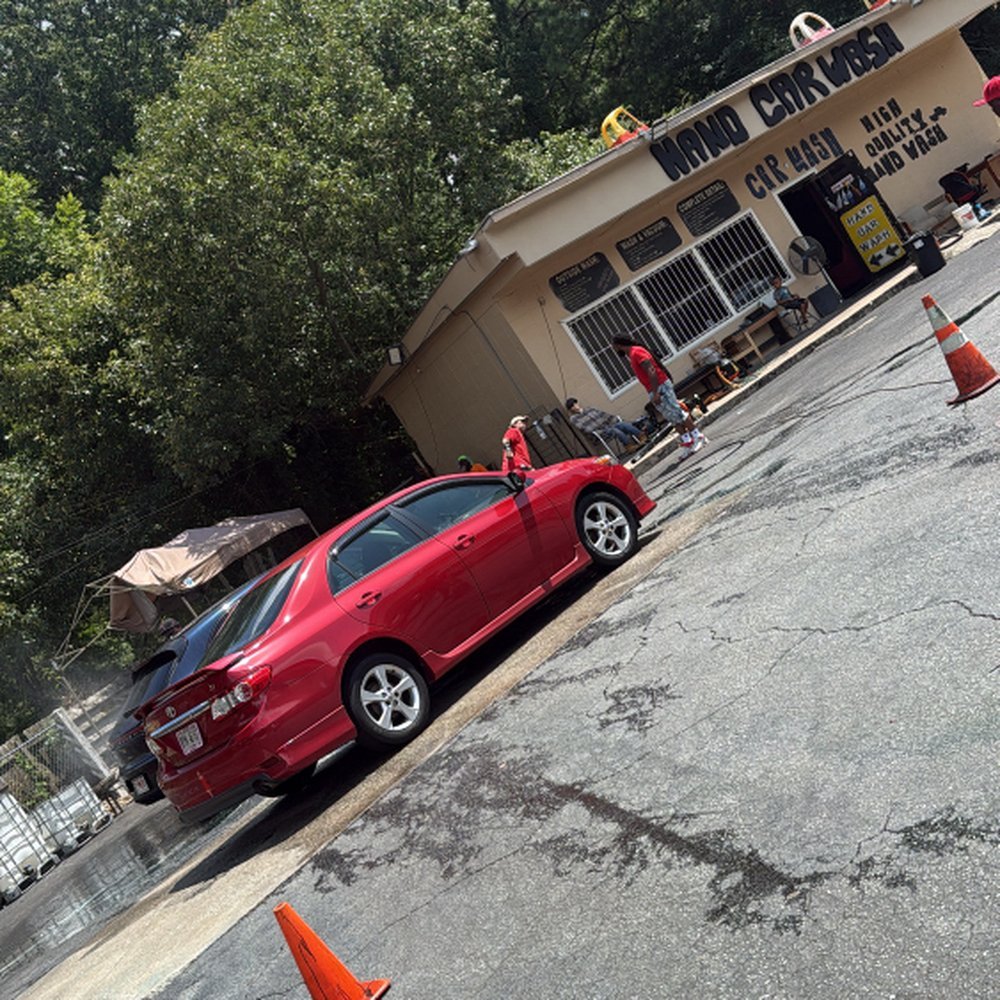
Stormwater carries dirt and chemicals into local streams. Atlanta requires businesses to control stormwater runoff. Car detailers must prevent wash water from entering storm drains. Using barriers and proper drainage systems helps keep pollutants out of stormwater.
Restrictions On Pollutant Discharge
Discharging polluted water is illegal in Atlanta. Businesses cannot release dirty water into sewers or streets. Water containing soap, oils, or chemicals must be collected and treated. Following these restrictions reduces water pollution and protects public health.
Water Conservation Practices
Water conservation is essential for car detailers. Using water-efficient equipment lowers water use. Recycling wash water also reduces waste. Many detailers use methods like waterless cleaning or capturing runoff to save water. These practices support Atlanta’s environmental goals.
Waste And Chemical Handling
Handling waste and chemicals properly is essential for car detailing businesses in Atlanta. The city has strict environmental rules to protect water and soil from pollution. Following these rules helps keep the environment safe and avoids fines. Car detailers must manage waste and chemicals carefully every day.
Proper Disposal Of Detailing Waste
Detailing produces waste like dirty water, used towels, and leftover chemicals. Atlanta requires that all waste is disposed of safely. Dirty water cannot go into street drains or soil. It must be collected and treated or disposed of at approved facilities. Used towels and packaging should be recycled or thrown in proper trash bins.
Use Of Eco-friendly Products
Many car detailers now use eco-friendly products. These products break down faster and are less harmful to the environment. Atlanta encourages the use of biodegradable soaps and waxes. Using safer products reduces chemical runoff and protects local water sources. This choice also appeals to customers who care about the environment.
Managing Hazardous Materials
Certain chemicals used in detailing are hazardous. These include solvents, acids, and strong cleaners. Atlanta law demands proper storage and handling of these materials. Hazardous waste must be clearly labeled and stored in secure containers. Detailers must follow guidelines for transport and disposal to avoid spills and contamination.
Credit: m.yelp.com
Facility And Equipment Standards
Facility and equipment standards play a key role in Atlanta’s environmental rules for car detailing. These standards ensure that businesses use safe and eco-friendly methods. They help reduce water waste and prevent pollution. Car detailers must follow strict guidelines about their tools and setups.
Proper facilities protect the environment and keep businesses compliant with the law. Clean water and air depend on good equipment and proper maintenance. Understanding these standards helps car detailers operate responsibly in Atlanta.
Approved Washing Systems
Atlanta requires car detailers to use washing systems approved by local authorities. These systems control water flow and capture runoff. They prevent dirty water from entering storm drains or soil. Common approved systems include water recycling units and closed-loop washers. Using these systems reduces pollution and saves water. Only certified equipment meets these city standards.
Water Treatment Requirements
Water treatment is a must for all car detailing businesses in Atlanta. Wastewater must be treated before disposal. Treatment removes harmful chemicals, oils, and dirt. It prevents toxins from harming local water supplies. Many businesses use filtration tanks or separators. These devices clean water to meet city discharge rules. Untreated water discharge can result in fines and penalties.
Equipment Maintenance
Regular maintenance of detailing equipment is required by Atlanta laws. Proper care prevents leaks and spills of hazardous materials. Businesses must inspect washers, hoses, and tanks often. Fixing broken parts quickly reduces environmental risks. Clean equipment also improves efficiency and service quality. Maintaining equipment ensures compliance and protects the local environment.
Compliance Tips For Detailers
Following Atlanta’s environmental rules helps car detailers avoid fines and protect nature. Compliance requires clear steps to manage waste, chemicals, and water use properly. Staying organized and informed makes daily operations smoother and safer. Below are key tips every detailer should use to meet regulations effectively.
Record Keeping And Reporting
Keep detailed logs of all chemicals and water used during detailing. Track waste disposal dates and methods carefully. These records prove compliance during inspections. Use simple forms or digital tools to maintain accuracy. Submit required reports to local authorities on time. Good record keeping prevents costly penalties and builds trust.
Employee Training
Train staff on environmental rules and safe chemical handling. Teach proper use of cleaning products to reduce waste. Explain how to prevent spills and manage runoff water. Regular refreshers keep knowledge up to date. Well-trained employees follow rules better and protect the business. Training also improves workplace safety and efficiency.
Regular Inspections
Conduct frequent checks of equipment and work areas. Look for leaks, spills, or improper waste storage. Fix problems immediately to avoid violations. Schedule inspections weekly or monthly depending on business size. Use checklists to cover all compliance points. Regular inspections keep the facility safe and meet Atlanta’s standards.
Benefits Of Environmental Compliance
Following environmental regulations in Atlanta’s car detailing industry brings many benefits. It helps protect nature, boosts business image, and prevents costly fines. Compliance ensures safer practices for everyone involved. Understanding these benefits encourages detailers to adopt eco-friendly methods.
Protecting Local Ecosystems
Car detailing uses chemicals that can harm plants and animals. Proper disposal and treatment prevent pollution in rivers and soil. Keeping local ecosystems safe supports wildlife and plant health. Clean water and air improve community well-being. Environmental compliance reduces harmful waste entering nature.
Enhancing Business Reputation
Customers prefer businesses that care for the environment. Following regulations shows responsibility and builds trust. Positive reputation attracts more clients and loyal customers. Green practices can differentiate a business from competitors. Good reviews and word-of-mouth grow business naturally.
Avoiding Legal Penalties
Ignoring environmental rules risks heavy fines and legal trouble. Authorities regularly inspect car detailing businesses in Atlanta. Compliance reduces the chance of penalties and business closure. Staying within the law saves money and stress. It allows focus on quality service without interruptions.
Credit: m.yelp.com
Frequently Asked Questions
What Business Category Does Car Detailing Fall Under?
Car detailing falls under the automotive services category. It includes cleaning, restoring, and protecting vehicles inside and out.
What Are The Essential Items For Car Detailing?
Essential car detailing items include polishers, cleaning shampoo, microfiber towels, buffing pads, high-pressure washer, detailing brushes, vacuum, and steam cleaner.
Is Car Detailing Just Cleaning?
Car detailing involves deep cleaning, restoring, and protecting a vehicle inside and out. It goes beyond basic cleaning.
What To Wear For Car Detailing?
Wear comfortable, breathable clothes like polos or tees and khaki pants. Choose waterproof, anti-slip shoes. Use gloves and knee pads for protection. Avoid zippers in cold or rainy weather.
Conclusion
Following Atlanta’s environmental rules keeps car detailing safe and legal. Protect water by managing wash water correctly. Use eco-friendly products to reduce pollution risks. Stay informed on local laws to avoid fines. Clean cars while caring for the environment. Responsible detailing benefits your business and the community.
Small actions make a big environmental impact. Keep Atlanta’s air and water clean for everyone.














