
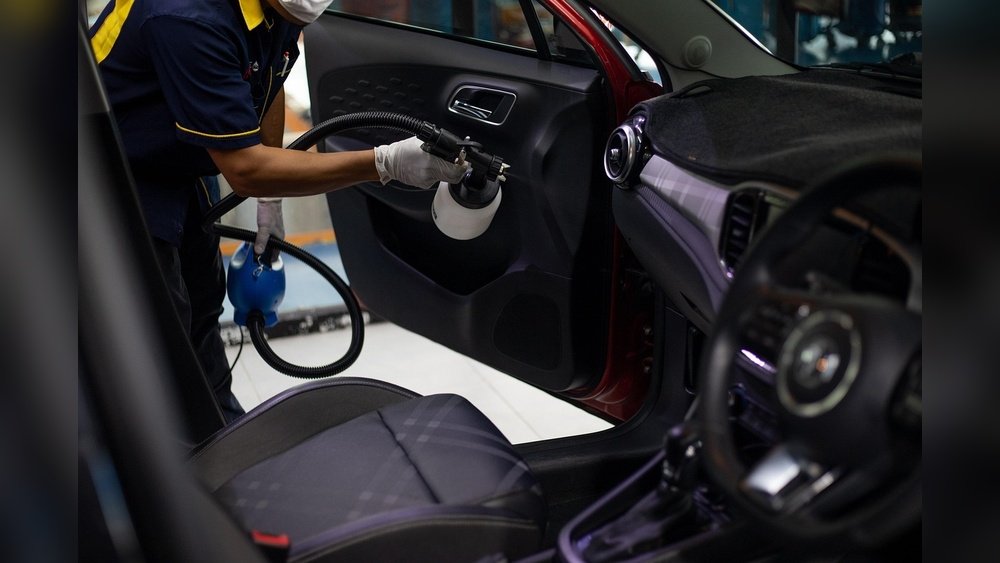
Thinking about opening your own car detailing shop in Austin, Texas? Before you get started, there’s an important step you can’t afford to overlook: zoning laws.
These rules determine where you can legally operate your business and can save you from costly fines or forced closures down the road. Understanding zoning laws might seem confusing, but knowing exactly what’s required will give you the confidence to choose the right location and get all the permits you need.
Keep reading to discover how zoning laws affect your car detailing shop and what you must do to make your business a smooth ride from day one.

Credit: www.fresh-layer.com
Zoning Basics
Zoning laws control where businesses can operate within a city or town. Understanding these laws helps you choose the right location for your car detailing shop. Different zones have rules about what types of businesses can open there. This section explains the basics of zoning for your shop.
Commercial Vs Residential Zones
Commercial zones are areas where businesses are allowed to operate. These zones suit car detailing shops because they expect business activities. Residential zones focus on homes and living spaces. Running a car detailing shop in a residential zone often requires special permission. Many cities restrict business activities in residential areas to avoid noise and traffic issues.
Industrial Zones For Auto Services
Industrial zones usually allow more intensive business types, including auto services. These zones provide space for workshops and repair shops. Opening a car detailing shop here might offer more room and fewer restrictions. Industrial zones may be farther from residential neighborhoods, reducing complaints about noise or chemicals.
Special Use Permits
Special use permits allow businesses to operate in zones that usually do not permit them. You might need one to open a car detailing shop in a residential or mixed-use area. Applying for a permit involves submitting an application and sometimes attending public hearings. Getting this permit ensures your business follows local rules and avoids fines.
Licenses And Permits
Opening a car detailing shop requires following local laws on licenses and permits. These legal steps ensure your business operates smoothly and avoids fines. Understanding the requirements helps you prepare and apply for the right documents.
Business License Requirements
A business license is mandatory to operate legally. It proves your business is registered with local authorities. You must apply through the city or county office. The process usually includes submitting an application and paying a fee. Renewals may be required yearly to keep your license active.
Zoning Permits For Detail Shops
Zoning laws control where businesses can operate. Car detailing shops must be in areas zoned for commercial use. Check local zoning maps or contact the zoning department. Applying for a zoning permit confirms your chosen location complies with rules. Without this permit, you risk fines or forced closure.
Mobile Detailing Permits
Mobile car detailing may need special permits. These allow you to work in multiple locations legally. Some cities require permits for parking and operating in public spaces. Rules vary widely, so check with your local government. Obtaining these permits avoids penalties and keeps your business flexible.
Finding A Suitable Location
Finding the right location is key to opening a successful car detailing shop. The spot must meet local zoning rules and suit your business needs. Choosing a proper site helps avoid legal troubles and ensures smooth operations.
Checking Local Zoning Maps
Start by reviewing local zoning maps. These maps show which areas allow commercial activities like car detailing. Look for zones marked for business or light industrial use. Avoid locations outside these zones to prevent permit rejections.
Consulting City Zoning Departments
Contact the city zoning office for clear guidance. They provide detailed rules and updates about zoning laws. Ask about permits, restrictions, and any special conditions for car detailing shops. Getting official advice saves time and money.
Avoiding Residential Restrictions
Residential zones usually ban commercial services like car detailing. Operating in these areas can lead to fines or closure. Choose spots away from homes to respect neighborhood rules. This keeps your business compliant and maintains good community relations.
Compliance Tips
Opening a car detailing shop means following local rules closely. Compliance helps avoid fines and delays. Knowing key regulations keeps your business safe and trusted. Focus on noise, waste, parking, and traffic rules. These areas often affect zoning approvals. Stay informed and prepared to keep your shop running smoothly.
Noise And Environmental Regulations
Noise limits protect neighbors from loud sounds. Use equipment that runs quietly. Limit work hours to reduce noise impact. Check city rules on noise levels and timings. Environmental laws control water and air pollution. Use eco-friendly cleaning products. Prevent chemicals from entering drains or soil. Follow guidelines to keep your shop green.
Waste Disposal Rules
Proper waste disposal is crucial for safety and legality. Separate hazardous materials from regular trash. Use approved containers for chemical wastes. Arrange pickups with licensed waste handlers. Keep records of waste disposal activities. Avoid dumping waste on streets or land. Compliance prevents fines and protects the environment.
Parking And Traffic Considerations
Ensure enough parking for customers and employees. Follow zoning rules about parking space size and location. Avoid blocking sidewalks or driveways. Manage traffic flow to prevent congestion. Use signs to guide customers safely. Check local laws about signage and lighting. Proper parking and traffic plans improve business access and neighbor relations.
Starting Mobile Vs Fixed Shops
Starting a car detailing business involves choosing between mobile services and fixed shops. Each option has unique zoning rules that affect where and how you can operate. Understanding these differences helps you comply with local laws and run your business smoothly.
Zoning For Mobile Detailing
Mobile detailing often faces fewer zoning restrictions. You usually work at clients’ locations, so you don’t need a permanent site. Still, check local rules about parking and waste disposal. Some areas limit where mobile businesses can park or operate. Obtain any required permits from city or county offices. Staying legal avoids fines and business interruptions.
Benefits Of Fixed Locations
Fixed shops must follow stricter zoning laws. You need a location zoned for commercial or industrial use. These spots allow you to keep equipment and operate safely. Customers can visit your shop easily. Fixed locations build trust and brand visibility. They also offer space for multiple vehicles and supplies. Confirm zoning with local authorities before leasing or buying.
Hybrid Business Models
Some businesses combine mobile and fixed services. This hybrid model offers flexibility and growth chances. Use a fixed shop for deep cleaning and mobile units for quick jobs. Zoning laws must support both types of operations. Check permits and restrictions carefully to avoid conflicts. Hybrid setups can attract a wider range of customers.
Common Challenges
Starting a car detailing shop involves more than just cleaning cars. Zoning laws play a big role in where and how you can operate. Many new business owners face challenges that can slow or stop their plans. Understanding these common issues helps you prepare and avoid costly mistakes.
Dealing With Cease And Desist Orders
A cease and desist order can halt your business quickly. It happens if your shop breaks zoning rules. Authorities send these orders to protect neighborhoods and businesses. Ignoring them can lead to fines or forced closure. Responding fast and consulting with local officials may reduce risks. Always keep your business compliant to avoid these disruptions.
Handling Zoning Violations
Zoning violations occur when your shop operates in the wrong zone or breaks rules. Common issues include noise, waste disposal, or parking problems. Violations may trigger inspections and penalties. Fixing problems quickly can prevent bigger troubles. Understanding local zoning codes before starting helps avoid violations.
Navigating Permit Delays
Permit delays often slow down opening your car detailing shop. Local offices may take weeks or months to approve permits. Delays happen due to incomplete applications or high demand. Preparing all documents carefully speeds up the process. Staying patient and following up with officials keeps things moving forward.
Additional Legal Considerations
Opening a car detailing shop requires more than just finding the right location. There are several legal details to manage beyond zoning laws. These steps protect your business and keep it running smoothly. Understanding these requirements helps you avoid fines and legal trouble.
Business Insurance Needs
Insurance shields your car detailing shop from risks. General liability insurance covers accidents on your property. Property insurance protects your equipment and building. Workers’ compensation insurance is necessary if you hire employees. It covers injuries that happen during work. Review insurance options to find what fits your shop.
Sales Tax Permits
You must collect sales tax on many services. Obtain a sales tax permit from your state tax agency. This permit allows you to charge and report taxes legally. Keep accurate records of all sales and taxes collected. Failure to comply can lead to penalties and fines. Register early to avoid delays in your business operations.
State And Local Regulations
Each state and city has rules for car detailing shops. These include environmental laws about chemical use and waste disposal. Health and safety codes may require specific equipment or procedures. Check with local government offices for permits and inspections. Following these rules ensures your shop operates legally and safely.

Credit: www.exppresscarwash.com
Credit: blog.torque360.co
Frequently Asked Questions
Do You Need A Permit To Be A Car Detailer?
Yes, a business license is required to operate as a car detailer. Check local zoning laws and permits. Mobile detailers may need additional permits. Verify requirements with your city or county business office before starting.
What Business Category Does Car Detailing Fall Under?
Car detailing falls under the automotive services business category. It includes cleaning, restoration, and finishing of vehicles.
What Do You Need To Open A Detail Shop?
To open a detail shop, secure a business license, check local zoning laws, obtain necessary permits, and buy detailing equipment.
How Many Cars Can One Person Detail In A Day?
One person can detail 3 to 5 cars daily, depending on service complexity and work efficiency.
Conclusion
Opening a car detailing shop means following local zoning laws carefully. Check your city’s zoning rules before choosing a location. A proper zoning permit ensures your business runs without issues. Getting the right licenses protects you from fines and closures.
Plan ahead and confirm all legal requirements with local offices. This helps your shop start smoothly and stay compliant. Always keep updated on any changes in zoning laws. Proper preparation makes your car detailing business a success.














