
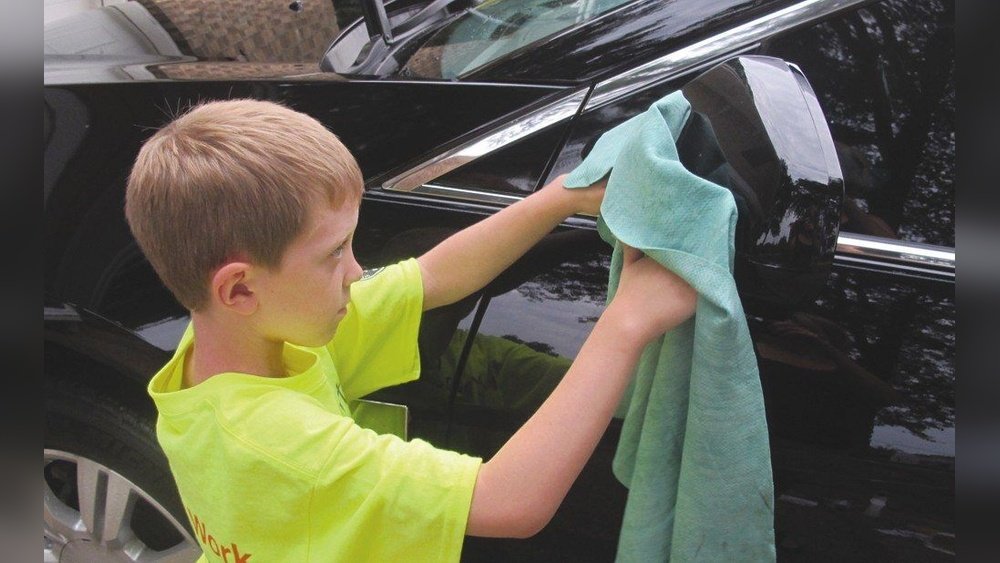
If you own a car in the San Francisco Bay Area, you might wonder: can you wash it at home without breaking the law? Understanding the local car wash wastewater laws is crucial—not just to avoid fines, but to protect the environment you live in.
Your everyday car wash routine can actually impact water quality by letting soaps and chemicals flow into storm drains. This article will help you navigate the rules around car washing in the Bay Area, explain what you need to do to stay compliant, and share smart tips to keep your car clean while caring for your community’s water resources.
Keep reading to learn how you can wash your car the right way without risking legal trouble or harming the environment.
Bay Area Car Wash Rules
The Bay Area has specific rules for car wash wastewater. These rules protect water quality and keep the environment safe. Car wash wastewater can carry soap, dirt, and chemicals. These substances must not enter storm drains or local waterways. Understanding these rules helps car owners stay legal and eco-friendly.
State Vs Local Regulations
California state laws set basic standards for car wash wastewater. These laws require controlling runoff to prevent pollution. Local Bay Area agencies often add stricter rules. Some cities ban washing cars on driveways if runoff enters the street. Local rules may require using commercial car washes or special drainage systems. Car owners must check both state and local rules to comply.
Storm Drain Protections
Storm drains lead directly to rivers and bays without treatment. Washing cars near storm drains can pollute these waters. The Bay Area enforces strict protections for storm drains. Wastewater must be diverted away from drains and absorbed by soil. Many areas require biodegradable soaps and water-saving devices. These measures reduce harmful chemicals reaching natural waters.
Credit: www.mercurynews.com
Home Car Wash Limits
Washing your car at home in the San Francisco Bay Area comes with important limits. These rules help protect local water bodies from pollution. Homeowners must follow specific guidelines for wastewater to keep the environment safe.
Ignoring these limits can lead to fines and harm to the ecosystem. Understanding the rules makes car washing safer and easier for everyone.
Hose And Nozzle Requirements
Use a hose with a shutoff nozzle to control water flow. This prevents water from running continuously. It reduces water waste and stops dirty water from flowing into storm drains.
This simple tool helps homeowners follow the law and protect local waterways.
Runoff Control Methods
Direct all car wash runoff to a landscaped area like a lawn or gravel. These surfaces absorb water and filter pollutants naturally. Avoid washing on hard surfaces that drain directly into storm drains.
Proper runoff control keeps harmful chemicals out of rivers and bays.
Soap And Chemical Restrictions
Use only biodegradable, phosphate-free soaps for washing cars. These soaps break down quickly and reduce water pollution. Avoid harsh detergents or chemicals that can harm aquatic life.
Following soap restrictions helps maintain clean water and a healthy environment.
Commercial Car Wash Standards
Commercial car wash businesses in the San Francisco Bay Area must follow strict wastewater standards. These rules help protect local water sources from pollutants. Car wash facilities handle large amounts of water mixed with dirt, soap, and chemicals. Proper treatment and management of this wastewater are essential to prevent environmental harm.
Regulations require commercial car washes to use approved systems for cleaning and recycling water. These systems remove harmful substances before water returns to the environment. Meeting these standards helps businesses stay legal and supports community health.
Wastewater Treatment Processes
Commercial car washes use multiple steps to treat wastewater. First, solid debris like dirt and oil gets removed through filters. Next, chemical treatments break down oils and other contaminants. Finally, the water passes through settling tanks to separate remaining particles. This process reduces pollution and prepares water for safe disposal or reuse.
Water Recycling Technologies
Many car wash businesses install water recycling systems. These systems clean and reuse water several times. Recycling reduces the total water used and lowers discharge of pollutants. Technologies include filtration, sedimentation, and chemical treatment. Using recycled water saves money and conserves local water supplies.
Reverse Osmosis Use
Reverse osmosis (RO) is a key technology in some car washes. RO uses a special membrane to remove tiny particles and dissolved chemicals. This produces very clean water suitable for reuse or safe release. Though costly, RO systems improve water quality and help meet strict local laws. Many commercial car washes benefit from adding RO to their treatment process.

Credit: www.sfchronicle.com
Compliance Tips
Following the San Francisco Bay Area car wash wastewater laws helps protect local waterways and avoid fines. Simple compliance tips make staying within the law easier. These steps reduce pollution risks and promote water conservation.
Understanding common violations, practicing water-saving methods, and consulting local guidelines ensures your car wash meets all legal requirements. Small changes can have a big impact on the environment and your business.
Avoiding Common Violations
Never let wastewater flow into storm drains. Storm drains lead directly to rivers and bays without treatment. Use barriers or drain covers to block runoff. Avoid using harsh chemicals or soaps with phosphates. These substances harm aquatic life and break local rules. Keep records of wastewater disposal and treatment. Inspect equipment regularly to prevent leaks or spills.
Best Practices For Water Conservation
Use high-pressure, low-volume nozzles to reduce water use. Wash cars on permeable surfaces like gravel or grass. This helps the ground absorb water and pollutants. Collect and reuse rinse water when possible. Use biodegradable and phosphate-free soaps. Turn off hoses when not in use. These habits save water and reduce harmful runoff.
Checking Local Agency Guidelines
Each city or county in the Bay Area may have unique rules. Contact your local water quality control board or environmental agency. Review their website for updates and specific permit requirements. Attend workshops or training sessions offered by agencies. Stay informed about new regulations or enforcement efforts. Following local guidelines ensures full compliance and avoids penalties.
Environmental Impact
Car wash wastewater contains dirt, oil, soap, and other harmful substances. These pollutants can enter storm drains and flow directly into local rivers, lakes, and the San Francisco Bay. This causes damage to aquatic life and affects water quality for humans and animals. Strict wastewater laws in the Bay Area aim to reduce these negative environmental effects.
Protecting Water Quality
Wastewater laws help prevent contaminants from entering water bodies. They require car washes to manage runoff carefully. By controlling wastewater discharge, these laws protect drinking water sources and local ecosystems. Clean water supports healthy fish, birds, and plants in the Bay Area.
Reducing Pollutants
Car wash wastewater carries oils, grease, heavy metals, and chemicals. Proper treatment reduces these harmful pollutants. Laws mandate the use of filtration and recycling systems at commercial car washes. This limits the amount of toxins released into the environment. Reducing pollutants helps preserve natural habitats and keeps water safe.
Benefits Of Proper Wastewater Management
Managing car wash wastewater properly saves water and protects nature. Recycling water lowers overall water use. This is vital in drought-prone California regions. Effective wastewater management also reduces cleanup costs and legal fines for businesses. Cleaner water supports public health and boosts community well-being.
Credit: www.kqed.org
Frequently Asked Questions
Is It Illegal To Wash Your Car At Home In California?
Washing your car at home in California is legal if you use a shutoff nozzle and direct runoff to landscaped areas. Follow local rules to prevent water pollution and protect storm drains. Using biodegradable soaps and checking city regulations helps ensure compliance.
Do Car Washes Recycle The Water They Use?
Many car washes recycle water by filtering and treating it through settling tanks and purification systems. This process reduces waste and conserves water. Recycling helps remove sediments, balance pH, and break down bacteria, making the water reusable for washing cars.
Do Car Washes Use Reverse Osmosis Water?
Some car washes use reverse osmosis water to prevent spotting and reduce drying time. RO water provides a pure rinse, improving finish quality.
Can I Wash My Car At Home In San Francisco?
You can wash your car at home in San Francisco if you use a shutoff nozzle and direct runoff onto grass or gravel. Avoid harmful soaps and check local regulations to prevent water pollution. Commercial car washes are a cleaner alternative.
Conclusion
San Francisco Bay Area car wash wastewater laws help protect local waterways. Following simple rules reduces pollution risks and keeps the environment safe. Using shutoff nozzles and directing runoff to lawns limits harmful chemicals entering storm drains. Choosing biodegradable soaps also helps maintain water quality.
Checking local regulations ensures compliance with city and county rules. Commercial car washes treat and recycle wastewater, offering a cleaner option. Staying informed and responsible supports a healthier Bay Area for everyone. Small actions make a big difference in protecting our water.














