If you run or manage a car wash business, understanding the lessons from recent EPA lawsuits against car wash chains is crucial for you. These cases reveal common pitfalls that can lead to costly fines, legal battles, and damage to your reputation.
But it’s not just about avoiding trouble—knowing what went wrong for others can help you protect your business, comply with environmental laws, and even improve your operations. You’ll discover the key takeaways from these EPA actions and learn practical steps to keep your car wash chain safe, efficient, and environmentally responsible.
Keep reading to make sure your business stays ahead of regulations and avoids costly mistakes.
Credit: www.wpr.org
Epa Lawsuit Cases
The EPA has filed several lawsuits against car wash chains over environmental violations. These cases reveal common issues and legal consequences. Understanding these lawsuits helps car wash owners improve compliance. It also shows the EPA’s focus on protecting water and air quality near these businesses.
Major Lawsuits Against Chains
Several large car wash chains faced EPA lawsuits for breaking federal laws. These cases involved multiple locations across states. The EPA targeted chains that failed to control pollution from wash water and chemicals. Some lawsuits included fines reaching millions of dollars. Public records show the EPA’s increasing attention to this industry.
Common Violations Cited
The EPA often cites violations related to water discharge and chemical use. Many car washes did not properly treat wastewater before release. Illegal discharge of pollutants into storm drains is a frequent issue. Other violations include failing to obtain required permits. Improper storage of hazardous materials also appears often in complaints.
Legal Outcomes
Lawsuits usually end with settlements or court orders to fix violations. Car wash chains must pay fines and improve pollution controls. Some cases require chains to install new treatment systems. The EPA monitors compliance for several years after settlement. Failure to comply can lead to higher fines or criminal charges.
Impact On Car Wash Operations
The EPA lawsuits against car wash chains have had a significant impact on their day-to-day operations. These legal actions highlight the importance of following environmental rules strictly. Car wash businesses face new challenges in meeting these regulations. They must adapt quickly to avoid penalties and continue running smoothly.
Changes in operations are necessary to comply with EPA standards. These adjustments affect costs, staff training, and the use of equipment. The lawsuits serve as a warning to all car wash operators to review their processes carefully. Staying informed and proactive is key to reducing risks.
Compliance Challenges
Car wash chains encounter difficulties in understanding complex EPA rules. Many regulations involve water discharge limits and chemical use restrictions. Ensuring that all locations meet these standards requires constant monitoring. Staff often need extra training to handle new procedures properly. Small mistakes can lead to serious violations and fines.
Financial Penalties
The lawsuits show how costly non-compliance can be for car wash chains. EPA fines can reach thousands or even millions of dollars. These penalties add up fast if violations continue over time. Besides fines, businesses may pay legal fees and costs for corrective actions. Avoiding penalties means investing in better systems and regular inspections.
Operational Changes
Car wash chains must change their operations to meet EPA requirements. Installing new water treatment systems helps control pollution. Some chains update equipment to use less harmful chemicals. Procedures for waste disposal and reporting also become stricter. These changes protect the environment and reduce the chance of future lawsuits.
Clean Air Act Penalties
The Clean Air Act sets strict rules to protect air quality. Violations by car wash chains can lead to heavy penalties. These penalties serve to prevent pollution and encourage compliance. Understanding the types of penalties helps businesses avoid costly mistakes.
Civil Fines And Adjustments
Civil fines are the most common penalties under the Clean Air Act. The EPA sets daily fines for each day a violation occurs. These fines can add up to millions over time. The EPA adjusts fines yearly to keep up with inflation. This means penalties grow higher each year. Businesses must act quickly to avoid accumulating fines.
Criminal Penalties
Criminal penalties apply to serious violations. These include knowingly tampering with pollution controls or hiding violations. Convictions can lead to heavy fines and jail time. Repeat offenses result in harsher punishments. Criminal cases emphasize the importance of honesty and safety in operations.
State-level Enforcement
States have their own rules and penalties too. State agencies can enforce clean air laws alongside the EPA. Penalties vary depending on the state and local laws. Some states impose stricter fines or additional requirements. Car wash chains must follow both federal and state regulations to stay compliant.
Factors Affecting Penalties
Penalties in EPA lawsuits against car wash chains depend on several key factors. These factors shape the severity of fines and enforcement actions. Understanding them helps businesses avoid costly mistakes. The EPA considers the nature of the violation and the behavior of the company involved. Below are the main factors that influence penalty decisions.
Intent And Negligence
The EPA looks closely at whether violations were intentional or accidental. Intentional violations or reckless negligence lead to harsher penalties. If a car wash chain knowingly ignored regulations, fines increase significantly. Negligence shows a lack of care but may result in lower penalties than willful violations. Honest mistakes with prompt correction might reduce fines.
Harm And Public Risk
Penalties rise if violations cause real harm to people or the environment. The EPA assesses risks such as water pollution or air contamination. Higher public risk means stricter penalties. If emissions or waste threaten public health, fines can be severe. Lesser harm or minimal risk often leads to lighter penalties.
Corrective Actions
Taking prompt steps to fix violations can reduce penalties. The EPA rewards companies that cooperate and correct problems quickly. Failure to act or hiding violations increases fines. Car wash chains that improve compliance after a violation show responsibility. This effort can lower the penalty amount and improve relations with regulators.
Regulatory Changes And Deregulation
Regulatory changes and deregulation play a crucial role in shaping the car wash industry. Lawsuits by the EPA against car wash chains have highlighted the need for clear rules and fair enforcement. These legal battles often prompt adjustments in regulations to balance environmental protection with business needs.
Understanding recent regulatory shifts helps businesses stay compliant and avoid costly penalties. Deregulation efforts aim to reduce unnecessary burdens but raise concerns about environmental safety. The evolving landscape requires close attention to new proposals and their impacts.
Recent Deregulatory Proposals
Several proposals seek to ease restrictions on car wash operations. These include relaxing water discharge limits and simplifying permit processes. The EPA suggests cutting red tape to encourage business growth. Critics worry this may weaken pollution controls. Stakeholders debate the right balance between regulation and freedom.
Areas Affected By Changes
Key areas impacted include wastewater treatment requirements and chemical use limits. Changes also target monitoring and reporting obligations. Some rules on stormwater runoff have been reconsidered. These adjustments can reduce costs for operators. They may also increase risks to local waterways if not managed properly.
Potential Legal Challenges
Deregulatory moves often face legal pushback from environmental groups. Lawsuits may argue that changes violate the Clean Water Act. Courts could block or modify new rules. Businesses must watch for shifts in enforcement policies. Preparing for legal uncertainty remains essential for car wash chains.

Credit: www.motleyrice.com
Lessons For Car Wash Chains
Car wash chains can learn vital lessons from recent EPA lawsuits. These legal cases highlight risks of non-compliance and show where improvements are needed. Understanding these lessons can help chains avoid costly penalties and protect the environment.
Taking proactive steps now strengthens operations and ensures safer business practices. Focus areas include compliance strategies, monitoring, and preparing for new rules. Each area plays a key role in reducing legal risks and improving sustainability.
Improving Compliance Strategies
Car wash chains must review their current compliance policies. Regular training for staff on environmental rules is essential. Clear procedures reduce mistakes and help meet EPA standards. Documenting all actions creates evidence of compliance. This can protect businesses in case of inspections or lawsuits.
Monitoring And Reporting Practices
Continuous monitoring of water use and discharge is critical. Install sensors or systems that track pollutants in real time. Accurate records of emissions and waste disposal help identify issues early. Timely reporting to authorities shows transparency and responsibility. This builds trust and may reduce penalties.
Preparing For Future Regulations
Environmental laws often change to address new challenges. Car wash chains should stay informed about upcoming EPA rules. Planning upgrades to equipment and processes avoids sudden disruptions. Investing in eco-friendly technology can meet future standards. Early preparation ensures smoother transitions and ongoing compliance.
Environmental And Public Health
EPA lawsuits against car wash chains highlight critical lessons about environmental and public health. These legal actions show how pollution from car washes can harm air quality and communities. Understanding these impacts encourages better practices that protect health and the environment. The lawsuits also push businesses to adopt more sustainable methods. This section explores key areas affected by these legal cases.
Protecting Air Quality
Car washes can release harmful chemicals into the air. These pollutants affect the air we breathe daily. EPA lawsuits emphasize the need to control emissions strictly. Using safer cleaning products reduces toxic air pollutants. Proper ventilation and equipment help limit harmful releases. Protecting air quality is vital for healthy communities and workers.
Community Impact
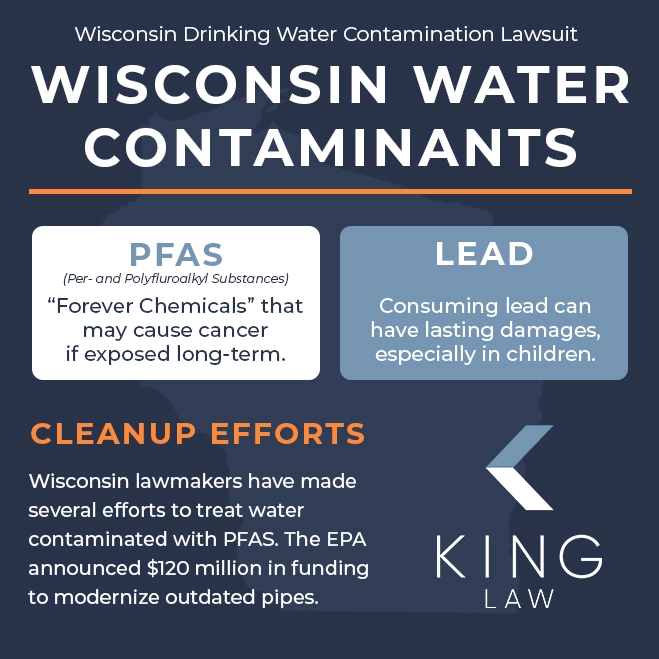
Pollution from car washes can affect nearby neighborhoods. Chemicals in runoff water may contaminate soil and water sources. This contamination poses health risks, especially to children and the elderly. Lawsuits reveal how communities face increased illness due to pollution. They stress the importance of monitoring and reducing harmful discharges. Businesses must consider community health in their operations.
Sustainable Practices
Adopting eco-friendly methods benefits both business and the environment. Water recycling and using biodegradable soaps lower pollution levels. Sustainable practices reduce waste and conserve resources. Lawsuits encourage car wash chains to improve their environmental footprint. Going green is not just ethical but also helps avoid legal troubles. These actions support long-term health for people and the planet.
Credit: www.robertkinglawfirm.com
Frequently Asked Questions
What Is The Epa Endangerment Finding 2025?
The EPA Endangerment Finding 2025 confirms greenhouse gases threaten public health and require regulation under the Clean Air Act. It supports climate protection policies and emissions limits.
What Is The Fine For Violating The Clean Air Act?
Violating the Clean Air Act can lead to civil fines up to millions of dollars, increasing daily with continued violations. Criminal penalties include imprisonment and hefty fines, especially for willful offenses. State penalties vary but may add to federal fines.
Did The Epa Deregulate Emissions?
The EPA has proposed deregulating some emissions, including vehicle greenhouse gases and power plant standards. These actions aim to reduce regulatory burdens.
What Was The Epa Endangerment Finding In 2009?
The EPA’s 2009 Endangerment Finding declared greenhouse gases threaten public health and welfare. It justified regulating emissions under the Clean Air Act.
Conclusion
EPA lawsuits against car wash chains highlight important lessons. Compliance with environmental laws saves money and avoids penalties. Regular monitoring and prompt action reduce risks of violations. Businesses must understand and follow EPA rules carefully. Protecting the environment benefits communities and companies alike.
Staying informed about regulations helps maintain good standing. These cases remind us that environmental responsibility is crucial. Car wash chains should prioritize sustainability to prevent legal issues. Learning from these lawsuits can guide better business practices.