
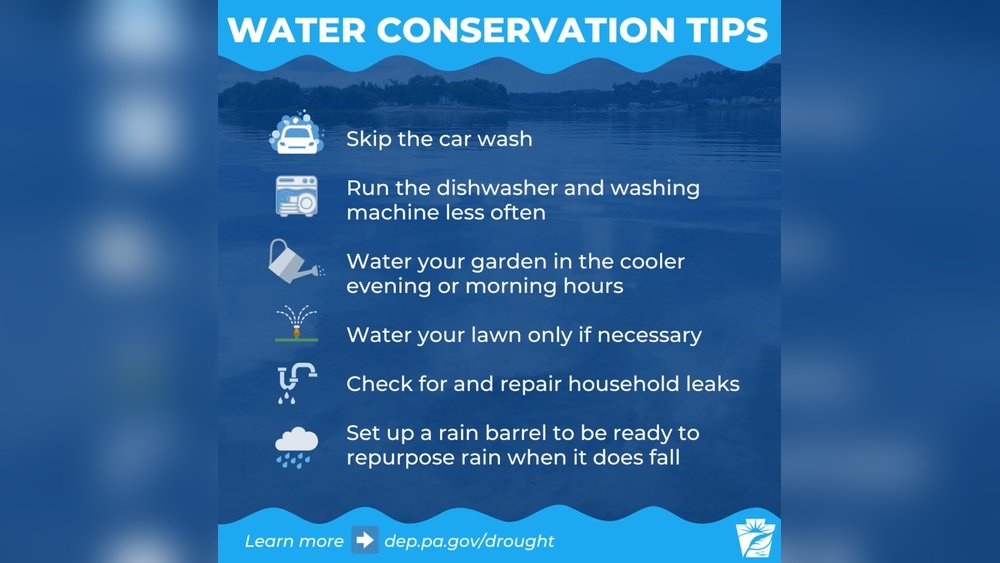
Are you wondering if you can still detail your car during a drought? You’re not alone.
When water restrictions kick in, it’s easy to feel stuck—especially if keeping your car clean is part of your routine. But what exactly are the car detailing laws during droughts in places like Austin, Texas? Understanding these rules can save you from fines and help you protect precious water resources at the same time.
You’ll discover what’s allowed, what’s not, and smart tips to keep your car looking great without breaking any laws. Keep reading to make sure your next car wash is both legal and water-wise.
Credit: www.kcrw.com
Drought Impact On Car Detailing
Droughts bring challenges to many daily activities, including car detailing. Water scarcity forces cities to enforce rules that limit water use. These laws directly affect how car owners and businesses clean vehicles. Understanding these impacts helps residents comply and protect water resources.
Water Usage Limits
During droughts, strict water limits are common. Many areas reduce water use for non-essential tasks. Car detailing requires significant water, so limits often restrict washing frequency. Some places allow washing only on certain days or with minimal water. These rules help conserve water for essential needs.
Local Restrictions In Austin
Austin enforces water restrictions during dry periods. Residents cannot let car wash water flow into streets or storm drains. Washing at home is allowed only under specific conditions and times. Using commercial car washes that recycle water is encouraged. These measures aim to reduce water waste and protect local sources.
Effects On Car Wash Businesses
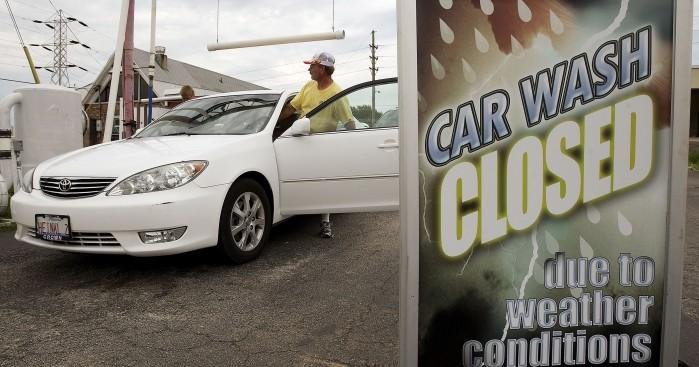
Car wash businesses face challenges during droughts. They must adapt by using water-saving technology and recycling systems. Some reduce operating hours or limit services to meet regulations. Customers may prefer eco-friendly options to support conservation. These changes help businesses stay open while respecting water laws.

Credit: northaustinmud1.org
Rules For Washing Cars At Home
During droughts, washing cars at home faces specific rules to save water. These rules help reduce water waste and protect local supplies. Understanding these guidelines is important for every car owner. Following them keeps you safe from fines and supports community efforts.
Allowed Washing Methods
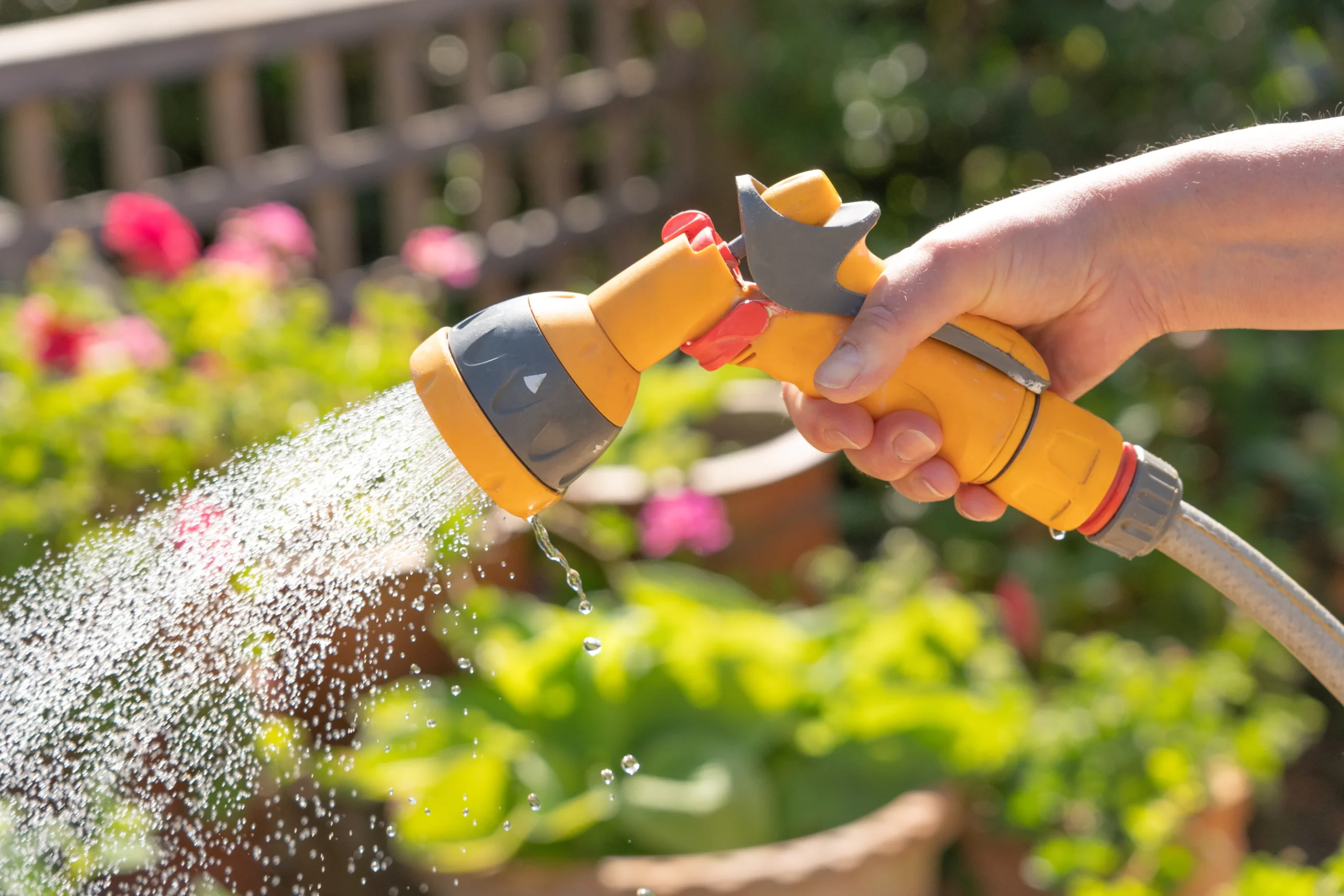
Using a hose without a shutoff nozzle is often banned. Watering with a bucket or hose with a trigger nozzle is usually allowed. Some areas permit washing only on certain days. Washing must happen on your property to avoid runoff. Avoid letting water flow into streets or storm drains.
Use Of Buckets And Water Conservation
Buckets help control water use effectively. Fill one bucket with soapy water and another with rinse water. Use a sponge or mitt to clean small sections at a time. This method prevents continuous water flow and saves gallons. Always choose eco-friendly car soaps to protect the environment.
Restrictions On Charity Car Washes
Many places limit or ban charity car washes during droughts. These events often use large amounts of water quickly. Organizers may need permits or must use water-saving equipment. Some cities encourage mobile car washes with water recycling systems. Check local laws before planning any charity car wash.
Commercial Car Wash Compliance
Commercial car washes play a key role in managing water use during droughts. These businesses must follow strict rules to reduce water waste. Compliance ensures they operate responsibly while staying open. Understanding these rules helps car wash owners avoid fines and keep their customers safe.
Water Efficiency Standards
Car washes must meet specific water efficiency standards. These rules limit how much water they can use per vehicle. Many use recycling systems to clean and reuse water. High-pressure, low-flow nozzles reduce water use without affecting cleaning quality. Meeting these standards saves water and lowers operating costs.
Operational Adjustments During Drought
During droughts, car washes adjust operations to conserve water. Some reduce hours or limit the number of cars washed. Others offer waterless or low-water cleaning options. Many install smart meters to monitor water use closely. These steps help protect water supplies and show community support.
Legal Obligations And Penalties
Commercial car washes must follow local and state drought laws. These include water use limits and reporting requirements. Violating these laws can lead to fines or business closure. Authorities may inspect facilities to ensure compliance. Staying legal protects the business and helps fight drought impacts.
Best Practices For Drought-friendly Car Care
Taking care of your car during a drought requires smart water use. Following drought-friendly car care helps save water and stay legal. It also keeps your car clean without wasting resources. Simple changes in your washing routine can make a big difference. Below are some best practices to keep your car shining while respecting water limits.
Rinseless And Low-water Wash Techniques
Rinseless washing uses little to no water for cleaning. These products lift dirt without needing a full rinse. Spray the solution on a small car area and wipe with a microfiber cloth. This method saves gallons of water per wash. It works best for cars with light dirt and dust. Low-water wash systems use a small hose or bucket with controlled water flow. They limit water use but still rinse dirt away. Both methods protect water during droughts.
Step-by-step Wash Process
Start by rinsing the car lightly if allowed. Use a bucket with car soap and a soft sponge or mitt. Wash one section at a time to avoid drying spots. Rinse the sponge often in the bucket to keep it clean. Use minimal water to rinse each section quickly. Dry the car with microfiber towels to prevent water marks. Focus on removing dirt gently to avoid scratches. This careful process reduces water use and keeps the car spotless.
Products Suitable For Water Restrictions
Choose biodegradable soaps that need less water for rinsing. Waterless car wash sprays are ideal for dry conditions. Use microfiber cloths as they trap dirt better and require less cleaning. Avoid heavy foam soaps that need long rinses. Look for products labeled as eco-friendly or drought-safe. These products clean well and protect the environment. Using the right products helps comply with local drought laws easily.
Watering Schedules And Conservation Tips
Watering schedules and conservation tips play a vital role during droughts. These rules help save water while allowing essential activities like car detailing. Understanding local laws ensures compliance and supports community efforts to manage limited water resources effectively.
Austin’s Conservation Stage Rules
Austin uses conservation stages to control water use during droughts. Each stage sets specific watering days and times for residents. These rules limit outdoor watering and irrigation to conserve water. The city updates these stages based on current water supply and weather conditions.
Permitted Watering Activities
Certain watering activities remain allowed even during restrictions. Hand-held hoses, drip irrigation, and soaker hoses for vegetable gardens are permitted anytime. Automatic irrigation and hose-end sprinklers have designated watering days. Car washing at home may require following these schedules or using water-efficient methods.
Ways To Reduce Overall Water Use
Use water-efficient tools like buckets and spray nozzles when washing cars. Wash one section of your car at a time to minimize water waste. Collect and reuse rinse water for plants or other chores. Check for leaks and fix them to avoid unnecessary water loss. Practice mindful water use daily to support drought efforts.
Credit: herald-review.com
Consequences Of Ignoring Laws
Ignoring car detailing laws during droughts carries serious consequences. These rules exist to save water and protect the environment. Breaking them can lead to trouble beyond just a simple warning. Understanding the risks helps to avoid costly mistakes and harm to your community.
Fines And Legal Issues
Authorities enforce strict fines for violating water restrictions. Penalties vary by region but can be costly. Repeat offenses may lead to higher fines or legal action. Local governments may also impose community service or other penalties. Following the rules keeps you safe from unexpected legal problems.
Damage To Vehicle Paint And Coatings
Using improper water sources or quick rinses can harm your car’s finish. Dirt and chemicals left on the surface may cause scratches and stains. Harsh cleaning methods during drought may weaken paint coatings. Proper detailing techniques protect your vehicle and keep it looking new. Respecting water limits encourages smarter car care.
Community Impact And Resource Strain
Water is a shared resource, especially during droughts. Excessive car washing wastes water needed for homes and farms. Ignoring laws increases demand, worsening shortages for everyone. It can strain local water systems and raise costs for all residents. Following restrictions supports community well-being and resource conservation.
Frequently Asked Questions
Do Car Washes Close In A Drought?
Car washes usually stay open during droughts but may enforce water-saving measures. Local restrictions can affect operations.
How To Wash Your Car In A Drought?
Use a bucket, car mitt, and microfiber towels to wash one small section at a time. Avoid full rinses. Conserve water by limiting usage and follow local drought regulations.
Can I Wash My Car At Home In Austin?
Yes, you can wash your car at home in Austin, but follow local water restrictions and avoid letting wash water flow into streets.
Is Austin Under Water Restrictions?
Yes, Austin currently enforces water restrictions to conserve resources. Residents must follow designated watering schedules and limits. Visit AustinTexas. gov for details and updates.
Conclusion
Car detailing laws during droughts help save precious water. Many cities limit water use for washing cars at home. Using professional car washes often follows stricter rules and saves more water. Following these laws protects the environment and avoids fines.
Simple steps, like washing your car in small sections, reduce water waste. Stay informed about local rules to keep your car clean responsibly. Water conservation matters, especially during dry times. Every effort counts toward protecting our community and natural resources.














