
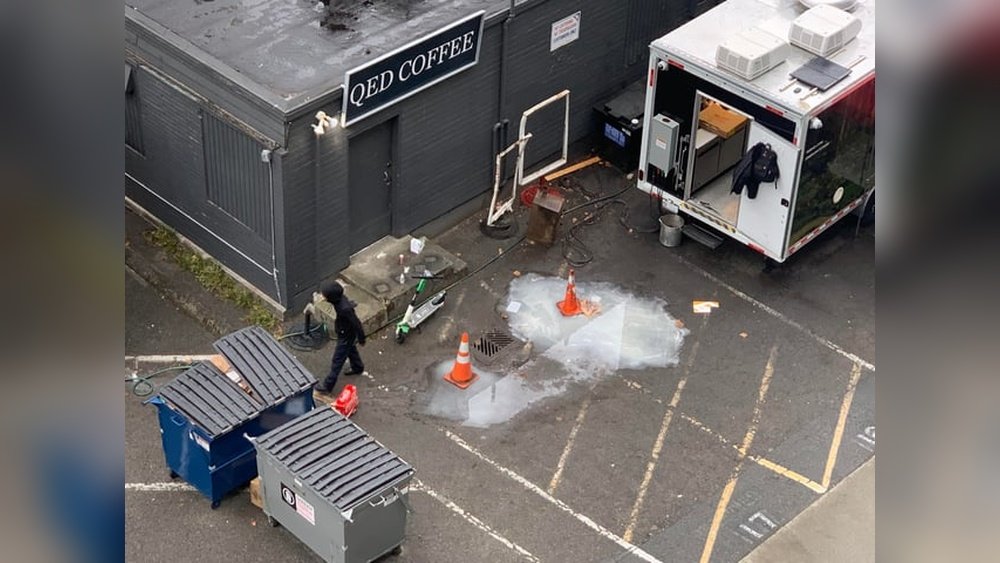
If you own a car wash in Seattle or simply enjoy cleaning your vehicle at home, you need to know the rules about runoff water. You might think washing your car in the driveway is harmless, but did you know that the water flowing off your car can harm local rivers, lakes, and even Puget Sound?
Seattle’s car wash runoff compliance laws are designed to protect the environment by preventing harmful soaps, oils, and grime from polluting our waterways. Understanding these laws not only keeps you on the right side of the law but also helps protect the natural beauty of the Pacific Northwest.
Keep reading to learn exactly what you need to do to stay compliant and why it matters for you and your community.

Credit: www.reddit.com
Car Wash Runoff Risks
Car wash runoff poses serious risks to the environment. Water that flows off cars often carries soap, oil, dirt, and other pollutants. These substances can enter storm drains and flow directly into local waterways. Without proper controls, this runoff contaminates rivers, lakes, and Puget Sound. Understanding these risks helps highlight why Seattle enforces strict runoff compliance laws.
Runoff from washing cars may seem harmless but it contains many harmful chemicals. These pollutants can disrupt natural water systems and harm living organisms. Recognizing these risks is vital for protecting water quality and aquatic habitats.
Pollution Effects On Waterways
Car wash runoff carries soaps, oils, and heavy metals into water bodies. These pollutants lower water quality and increase toxicity. Sediments can cloud water, reducing sunlight needed by plants. Chemicals in soaps can change water’s pH, harming sensitive species. Polluted waterways become unsafe for drinking, swimming, and fishing. This contamination creates long-term problems for communities and wildlife.
Impact On Aquatic Life
Fish and other aquatic animals suffer from polluted runoff. Chemicals can poison fish, leading to illness or death. Oil and grease coat gills, making it hard for fish to breathe. Toxic substances accumulate in aquatic food chains, affecting many species. Runoff pollution reduces biodiversity and disrupts the balance of life. Healthy waterways depend on clean water free of harmful chemicals.
Ecosystem Damage From Soaps
Soaps and detergents contain phosphates and other chemicals. These substances promote excessive algae growth, known as algal blooms. Algae block sunlight and use oxygen needed by other plants and animals. When algae die, their decay further depletes oxygen in water. Low oxygen levels create dead zones where few creatures can survive. Soaps from car wash runoff damage entire aquatic ecosystems.
Credit: www.wenatcheeworld.com
Seattle Runoff Rules
Seattle enforces strict rules to control car wash runoff. These rules protect local water bodies from pollution. Runoff from car washing can carry soap, oil, and dirt into storm drains. These pollutants harm fish, plants, and the Puget Sound ecosystem. Understanding Seattle runoff rules helps car owners stay compliant and protect the environment.
Storm Drain Restrictions
Seattle forbids discharging car wash water into storm drains. Storm drains lead directly to rivers and lakes. Polluted water harms aquatic life and water quality. Residents must avoid washing cars where runoff flows to these drains. Washing on grass or gravel helps filter pollutants naturally. Using commercial car washes is encouraged to limit harmful runoff.
Local Government Enforcement
Seattle’s local government actively enforces runoff laws. Violations can lead to fines and penalties. Inspectors check for illegal dumping and water discharge. Public education campaigns raise awareness about runoff pollution. The city offers resources for safe car washing practices. Compliance supports cleaner streets and healthier water ecosystems.
Statewide Water Regulations
Washington State sets broad rules for water pollution control. The state requires cities to manage stormwater runoff. Local laws must align with statewide environmental standards. Regulations cover all types of runoff, including from car washes. The goal is to reduce harmful chemicals entering waterways. Following these rules protects public health and natural habitats.
Legal Washing Options
Seattle has strict rules about car wash runoff to protect water quality. Legal washing options help you clean your car without harming the environment. Following these options keeps runoff from entering storm drains and local waters.
Using Commercial Car Washes
Commercial car washes use special systems to recycle water. They treat wastewater before releasing it. This process stops harmful chemicals from polluting rivers and lakes. Choosing a commercial wash is one of the safest options for the environment.
Washing On Lawns Or Gravel
Washing your car on grass or gravel helps filter dirty water. The ground absorbs and cleans the runoff naturally. Avoid hard surfaces like driveways, where water can flow into storm drains. This method reduces pollution and protects nearby water bodies.
Pressure Washing Guidelines
Pressure washers use less water and clean better than hoses. Use pressure washers without soap to avoid harmful chemicals. Direct water flow away from storm drains and paved areas. Contain runoff to stop it from reaching local streams.
Bucket Washing Techniques
Washing with a bucket uses less water and controls runoff. Use soap only in the bucket, not directly on the car. Rinse quickly with a hose and keep water flow low. This method limits water waste and prevents pollutants from spreading.
Avoiding Fines
Avoiding fines for Seattle car wash runoff violations protects your business and the environment. Understanding local laws helps you stay compliant. You prevent costly penalties by following clear rules on wastewater disposal. This section explains common violations, reporting needs, and available municipal support.
Common Violations To Avoid
Discharging wash water into storm drains is the top violation. Storm drains lead directly to rivers and lakes. Soap, oil, and grease in runoff harm fish and plants. Washing on paved surfaces without proper drainage causes illegal runoff. Using detergents that contain phosphates can trigger algae growth. Ignoring permit requirements or failing to maintain equipment also results in fines.
Reporting And Permits
Car wash operators must get permits for water discharge. Reports on runoff management may be required by local agencies. Timely reporting of any spills or violations avoids increased penalties. Keep records of water use and disposal methods for inspections. Contact city offices to confirm which permits apply to your operation.
Municipal Resources And Support
Seattle offers tools to help businesses comply with runoff laws. Some programs provide pump kits to redirect wash water safely. Training sessions teach best practices for water containment and treatment. City staff can guide you through permit applications and inspections. Use these resources to reduce pollution and avoid fines.
Environmental Benefits
Seattle’s car wash runoff compliance laws bring clear environmental benefits. These rules help keep the region’s water clean and healthy. They also reduce pollution and promote eco-friendly habits among residents and businesses.
Following these laws supports the protection of nature and the well-being of local communities. Understanding the environmental benefits shows why these regulations matter for everyone.
Protecting Local Water Bodies
Runoff from car washing often contains harmful chemicals. These can pollute rivers, lakes, and Puget Sound. Seattle’s compliance laws stop dirty water from entering storm drains. This protection helps keep fish and wildlife safe. Clean water bodies support recreation and natural beauty in the area.
Reducing Toxic Runoff
Car wash water may carry oil, grease, soap, and dirt. These substances are toxic to aquatic life. The laws require proper disposal of this runoff. This reduces the number of pollutants entering the environment. Lower toxic runoff means healthier ecosystems and safer water for people.
Supporting Sustainable Practices
The regulations encourage using commercial car washes with water recycling. They also promote washing cars on grassy areas to filter runoff naturally. These practices save water and reduce waste. Supporting sustainability helps Seattle grow as an eco-friendly city. It also sets a good example for other communities.

Credit: on-demand-app.com
Frequently Asked Questions
Can I Get A Car Wash If It’s 30 Outside?
Yes, you can wash your car at 30°F, but water may freeze quickly. Use warm water and dry the car to prevent ice buildup. Avoid washing on icy surfaces to stay safe.
Is It Illegal To Wash Your Car In Your Driveway In Washington State?
Washing your car in a Washington state driveway is legal. Avoid letting wash water enter storm drains to prevent pollution. Use commercial car washes or wash on grass to protect waterways and comply with local regulations.
What Zoning Is Needed For A Car Wash?
Car washes need commercial or mixed-use zoning, complying with local regulations on water runoff and environmental protection. Check city codes for specific requirements.
Is It Legal To Wash My Car In My Driveway?
Washing your car in your driveway is generally legal. Avoid letting soapy water enter storm drains to prevent pollution. Use a grassy area or commercial car wash to protect local waterways. Follow local regulations to ensure environmentally safe car washing practices.
Conclusion
Seattle’s car wash runoff laws protect local water and wildlife. Avoid letting wash water enter storm drains. Use commercial car washes or wash on grass to reduce pollution. Follow these simple steps to keep waterways clean. Protecting the environment benefits everyone in the community.
Stay informed and act responsibly with your car washing. Small changes make a big difference for Seattle’s water quality.














