
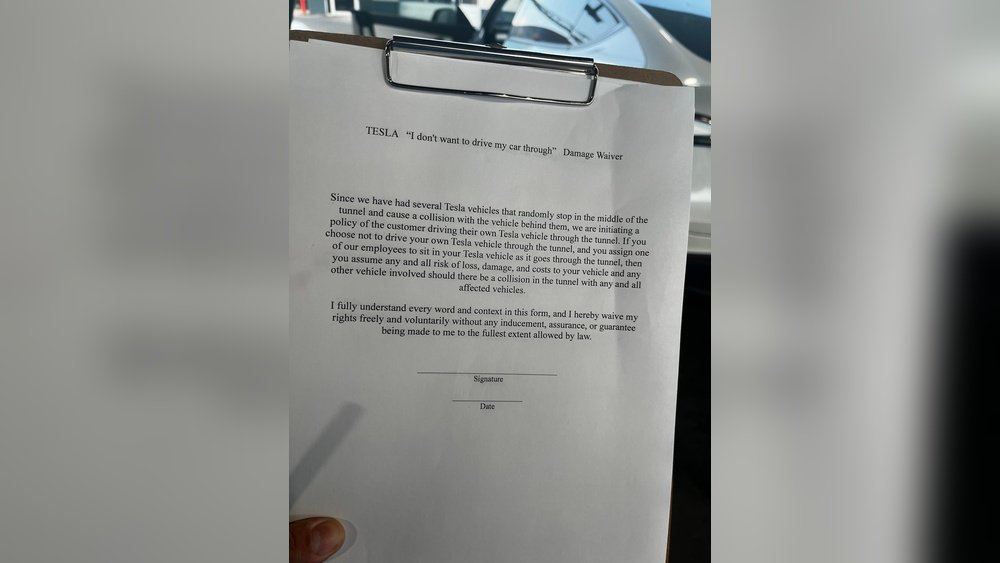
When you bring your car in for detailing, you might be asked to sign a liability waiver. But have you ever stopped to wonder—are these waivers actually legally binding?
You want to protect your vehicle, and you deserve to know if signing that waiver means giving up your right to hold the business responsible if something goes wrong. This isn’t just about paperwork; it’s about your peace of mind and your rights.
You’ll discover what makes a car detailing liability waiver enforceable, when it might not hold up in court, and what you should watch out for before you sign. Keep reading to make sure you’re fully informed before handing over your keys.
Purpose Of Liability Waivers
Liability waivers serve an important function in car detailing businesses. They explain the risks customers agree to accept. These documents help protect service providers from certain legal claims. Clear and simple waivers create trust between the business and the client. Understanding their purpose clarifies why shops ask customers to sign them.
Role In Car Detailing Services
Car detailing involves cleaning, polishing, and restoring vehicles. These tasks use chemicals and machinery that can sometimes cause damage. Liability waivers inform customers about potential risks. They set expectations and reduce disputes over accidents. Waivers also help detailers focus on their work without constant legal worries.
Common Risks Covered
Typical risks in car detailing include scratches, paint damage, or interior stains. Some products might cause allergic reactions or discoloration. Equipment malfunctions can lead to dents or broken parts. Liability waivers outline these risks clearly. They protect businesses from claims about minor or accidental harm during service.
Credit: www.etsy.com
Legal Requirements For Waivers
Understanding the legal requirements for car detailing liability waivers helps protect both businesses and customers. These waivers must meet specific standards to be legally binding in court. Clear communication and proper consent are crucial. The waiver’s terms must also be reasonable and well-defined.
Clarity And Simplicity
The waiver must use simple, clear language. Complex legal jargon can make the document invalid. Customers should easily understand what risks they are accepting. The text needs to be visible and not hidden in fine print. Clear waivers reduce disputes and increase trust.
Voluntary Consent
Consent must be given freely and without pressure. The customer should sign the waiver willingly. Signing under duress or confusion can void the waiver. It is important to explain the waiver before signing. This ensures the customer knows what they agree to.
Scope Of Waiver
The waiver must clearly state what risks it covers. It cannot waive liability for gross negligence or illegal acts. The scope should be specific and limited to the car detailing service. Broad or vague waivers may not hold up in court. Proper scope protects both parties fairly.
Limitations Of Liability Waivers
Liability waivers play a key role in car detailing services. They aim to protect businesses from claims if damage or injury occurs. Yet, these waivers have limits. They do not cover all situations or shield companies from all liability. Understanding these limits helps both customers and businesses know their rights and risks.
Gross Negligence Exclusion
Liability waivers usually exclude gross negligence. This means clear carelessness or reckless behavior is not covered. If a detailer acts in a way that is obviously unsafe or ignores major risks, the waiver may not protect them. Courts often allow claims to move forward in such cases.
Illegal Or Unenforceable Clauses
Some clauses in waivers may be illegal or unenforceable. For example, a waiver cannot ask customers to give up rights that laws protect. Clauses that violate public policy or state laws are often struck down. Businesses must write waivers carefully to avoid including invalid terms.
Capacity To Consent
For a waiver to be valid, the signer must have the capacity to consent. Minors or people with impaired judgment may not legally sign a waiver. The waiver must be signed voluntarily and with full understanding. If the signer lacks capacity, the waiver might not hold up in court.

Credit: www.lawdistrict.com
When Waivers Fail In Court
Car detailing liability waivers are designed to protect businesses from certain claims. Yet, not all waivers hold up in court. Courts may reject waivers under several circumstances. Understanding these situations helps both customers and businesses. Below are key reasons why waivers can fail.
Vague Or Ambiguous Language
Courts often dismiss waivers that use unclear or confusing language. If the waiver does not clearly explain what risks are waived, it may be invalid. Terms like “all possible risks” without details can make a waiver too vague. A waiver must be straightforward and easy to understand. This clarity ensures customers know exactly what they agree to.
Signs Of Fraud Or Duress
A waiver signed under pressure or through deception is not legally binding. If a person is forced or tricked into signing, courts may void the waiver. Fraud includes false information or hiding key facts. Duress means the signer had no real choice. Businesses must ensure waivers are signed freely and honestly.
Violations Of Public Policy
Waivers that go against public interest or law fail in court. For example, waivers cannot excuse gross negligence or illegal acts. Courts protect consumers from unfair or harmful contract terms. If a waiver attempts to waive rights that law forbids, it will be invalid. This protects people from unfair treatment.
Practical Considerations For Businesses
Businesses offering car detailing services must carefully handle liability waivers. These waivers help protect companies from legal claims but only work if created and managed properly. Understanding practical steps can improve the chance that waivers hold up in court. It also builds trust with customers by showing transparency.
Drafting Clear Waivers
Waivers should use simple and direct language. Avoid legal jargon that confuses customers. Clearly state what risks the customer accepts by signing. Specify which damages or injuries the waiver covers. Highlight important parts in bold or separate sections. This clarity helps courts see the waiver’s intent. It also ensures customers know what they agree to.
Obtaining Proper Consent
Consent must be given freely and knowingly. Provide customers enough time to read the waiver before signing. Never rush or pressure them. Make sure the customer signs the waiver themselves, not a third party. Keep a copy of the signed waiver for your records. This proof can be crucial if legal issues arise later.
Communicating Risks Effectively
Explain common risks involved in car detailing clearly. Use examples customers can understand easily. Verbal explanations strengthen the waiver’s effectiveness. Provide written information alongside the waiver for reference. Transparency about risks reduces misunderstandings. It also shows your business acts responsibly and cares about customer safety.
Options For Consumers After Signing
After signing a car detailing liability waiver, consumers often wonder about their options. The waiver may limit the service provider’s responsibility. Yet, signing does not always mean you lose all rights. Understanding your options can help protect your interests.
Suing Despite A Waiver
Consumers can still sue even after signing a waiver. Courts may allow lawsuits if the company acted with gross negligence. For example, if the company ignored clear safety rules or caused damage intentionally, the waiver might not protect them. The waiver cannot cover serious wrongdoing or illegal acts.
Proving Negligence
To succeed in a lawsuit, consumers must prove negligence. This means showing the company failed to provide reasonable care. Evidence like photos, witness statements, or expert opinions can help. The waiver does not protect the company if it was careless or reckless.
Seeking Legal Advice
Consumers should consider seeking legal advice after signing a waiver. A lawyer can explain the waiver’s meaning and your rights. They can evaluate your case and guide you on next steps. Legal advice can clarify if suing is possible or worth pursuing.

Credit: legaltemplates.net
Frequently Asked Questions
Can I Still Sue A Company Because Of Service Even If I Signed A Waiver?
You can sue despite signing a waiver if the company acted with gross negligence or intentional harm. Waivers don’t cover illegal acts or gross misconduct. Courts may void waivers if unclear, signed under duress, or by minors. Always review waiver terms and consult a lawyer for advice.
Do Waivers Always Hold Up In Court?
Waivers usually hold up in court if clear, voluntarily signed, and cover ordinary negligence only. Courts reject vague, coerced, or gross negligence waivers.
Does A Liability Need To Be Legally Enforceable?
Yes, a liability must be legally enforceable to hold a party responsible for damages under the law.
Is A Waiver Enforceable?
Yes, a waiver is enforceable if clearly written, voluntarily signed, and does not cover gross negligence or illegal acts.
Conclusion
Car detailing liability waivers can protect businesses but are not foolproof. Courts require waivers to be clear, simple, and signed willingly. They do not protect against gross negligence or illegal acts. Customers should read waivers carefully before signing. Businesses should draft waivers that follow local laws and avoid vague language.
Both parties benefit from understanding the waiver’s limits. Legal advice can help clarify if a waiver holds up in court. This ensures fair treatment and reduces conflicts after car detailing services.














