
You love keeping your car clean, and washing it right in your own driveway seems like the easiest way to do it. But have you ever stopped to wonder if it’s actually legal?
You might think that since it’s your property, you can wash your car anytime without worry. However, local laws and environmental rules could say otherwise—and breaking them might lead to fines or other trouble. You’ll discover what home car wash laws really say, why they exist, and how you can stay on the right side of the rules while keeping your car spotless.
Ready to find out if washing your car at home is truly allowed? Keep reading!
Driveway Car Wash Rules
Washing your car in the driveway seems simple and convenient. Yet, rules about driveway car washes vary widely. Some places allow it freely, while others have strict guidelines. Knowing these rules helps avoid fines and protects the environment. Below are key aspects of driveway car wash rules to consider.
Local Regulations
Local laws often control driveway car washing. Many cities ban water runoff from reaching storm drains. Runoff may carry harmful chemicals to rivers or lakes. Some areas require using biodegradable soap only. Others set limits on water usage during droughts. Checking with your city office can clarify rules in your neighborhood.
Homeowners Association Policies
Homeowners associations (HOAs) may have their own rules. HOAs aim to keep neighborhoods clean and uniform. Some forbid washing cars in driveways or on streets. Others allow it but restrict water use or cleanup methods. Violating HOA rules can lead to fines or complaints. Review your HOA guidelines before washing your car at home.
City And State Restrictions
City and state laws add another layer of rules. States may ban driveway car washing during dry seasons. Some cities require using commercial car washes to protect water quality. Environmental laws focus on preventing pollution from car wash chemicals. Always check state and city regulations to stay compliant. Following these rules keeps your neighborhood safe and legal.
Environmental Concerns
Environmental concerns play a big role in deciding whether you can wash your car at home. Water used during washing often picks up dirt, oil, and chemicals. This dirty water can harm plants, animals, and local waterways if not handled properly. Understanding these concerns helps protect the environment and follow local laws.
Water Runoff And Pollution
Water runoff from washing cars carries harmful substances like oil and dirt. This polluted water can flow into streets and storm drains. Once in the water system, it harms fish and other wildlife. Preventing runoff is key to reducing pollution during home car washing.
Storm Drain Protection
Storm drains lead directly to rivers and lakes without treatment. Washing your car near storm drains can send dirty water straight to natural waterways. Many cities have rules to stop water from entering storm drains. Keeping water on your property helps protect these important water sources.
Chemical And Detergent Use
Many car soaps and cleaners contain chemicals harmful to the environment. These substances can damage plants and aquatic life if they enter water systems. Using biodegradable and eco-friendly products lowers the risk of pollution. Always choose cleaning agents that are safe for the environment.
Water Conservation Measures
Water conservation is essential when washing your car at home. Many areas have rules to protect water resources. Following these rules helps save water and avoid fines. Simple changes in how you wash your car can make a big difference. Using less water keeps your community safe and healthy.
Water Restrictions During Drought
Droughts cause water shortages. Local governments often set limits on water use. These limits may include banning car washing with a hose. Some places allow washing only on certain days. Checking local rules before washing is very important. Following restrictions helps conserve water for everyone.
Using Buckets Vs. Hose
Washing your car with a bucket uses much less water. A hose can waste many gallons if left running. Using a bucket controls water flow better. Fill one bucket with soapy water and another for rinsing. This method saves water and cleans well. It is also easier to manage runoff and avoid fines.
Eco-friendly Car Wash Practices
Eco-friendly car washing saves water and protects the environment. Use biodegradable soaps that break down easily. Avoid washing near storm drains to prevent pollution. Wash your car on grass or gravel to absorb water. Using a waterless car wash product can also help. These practices keep water clean and reduce waste.

Credit: www.rac.co.uk
Legal Risks And Penalties
Washing your car at home might seem simple. Yet, it involves legal risks and penalties you must know. Local laws often control water runoff and pollution. Ignoring these rules can lead to fines and complaints. Understanding these risks helps keep you safe and legal.
Fines For Violations
Many cities fine homeowners for washing cars incorrectly. Water carrying soap and dirt can pollute storm drains. These drains lead directly to rivers and lakes. Fines vary but can reach hundreds of dollars. Repeat offenses may result in higher penalties.
Common Enforcement Practices
Authorities usually watch for water flowing into streets or drains. They may inspect your property if they get reports. Sometimes, officers patrol neighborhoods during busy days. Enforcement often focuses on protecting local water quality. Police or environmental agents can issue warnings or tickets.
Handling Complaints From Neighbors
Neighbors may report car washing if water causes damage or mess. Loud noise or frequent washing can cause disputes. Try to talk calmly with neighbors first. Explain your washing habits and follow local rules. Ignoring complaints can lead to official action and fines.
Alternatives To Home Washing
Washing your car at home may sometimes cause issues with local rules and water runoff. Many cities restrict washing cars in driveways to protect the environment. There are good alternatives that keep your car clean without breaking laws or risking fines.
Professional Car Wash Services
Professional car wash places use special equipment to clean cars safely. They recycle water and control runoff to protect streets and storm drains. These services save water and reduce pollution. They often offer quick and thorough cleaning. Using them helps you follow local laws easily.
Mobile Car Wash Options
Mobile car wash companies come to your home with all supplies. They use eco-friendly products and manage wastewater carefully. This option is convenient and legal in many areas. Mobile washers usually follow strict rules to avoid fines. You get a clean car without leaving your driveway.
Community Car Wash Events
Community car wash events happen in public areas with proper drainage. These events often support local causes or charities. Professionals or volunteers handle water runoff safely. Joining these events helps the community and keeps your car clean. It is a great way to wash your car legally and responsibly.

Credit: www.cbc.ca
Pressure Washing And Driveways
Pressure washing is a popular method to clean cars and driveways quickly. It uses strong water spray to remove dirt, grime, and stains. Many homeowners prefer pressure washing for its efficiency and ease. Yet, pressure washing near your driveway raises legal and environmental questions. Understanding these rules helps you avoid fines and protect the environment.
Legality Of Pressure Washing
Pressure washing your driveway is usually legal. Local laws differ, so check rules in your city or county. The key concern is water runoff. Washing that sends dirty water into streets or storm drains may break laws. Authorities aim to prevent pollution and keep waterways clean. Use pressure washers responsibly on your property only.
Managing Wastewater Disposal
Wastewater from pressure washing contains dirt, oils, and chemicals. It must not flow into storm drains or public sewers. Collect wastewater with barriers or drains designed for this task. Use absorbent materials to catch spills. Dispose of wastewater according to local waste guidelines. Proper management protects water sources and avoids penalties.
Environmental Compliance Tips
Use eco-friendly cleaning products for pressure washing. Avoid harsh chemicals that harm plants and animals. Direct water flow toward grassy or gravel areas to absorb runoff. Limit washing during heavy rain to prevent overflow. Follow municipal codes on water use and waste disposal. These steps reduce environmental impact and keep your home compliant.
Best Practices For Home Car Washing
Washing your car at home can be simple and eco-friendly with the right approach. Following best practices helps protect the environment and keeps you within legal limits. These tips focus on choosing the best spot, saving water, and disposing of wash water safely.
Choosing The Right Location
Pick a flat area like your driveway for washing. Avoid places that slope toward the street or storm drains. These drains lead directly to local waterways and should not get dirty water. Washing on grass or gravel helps absorb water and reduces runoff. Check local rules about where washing is allowed in your neighborhood.
Minimizing Water Use
Use a bucket and sponge instead of a running hose. This method saves gallons of water. Turn the hose off while scrubbing your car. Use a hose nozzle with a shut-off valve to control water flow. Washing your car less often also saves water and reduces environmental impact.
Safe Disposal Of Wash Water
Make sure wash water does not enter storm drains or gutters. Use biodegradable, eco-friendly soaps that break down naturally. Avoid harsh chemicals that can harm plants and animals. Collect wash water with a sponge or towel and dispose of it in a garden or lawn area. This helps filter out pollutants before water reaches natural waterways.
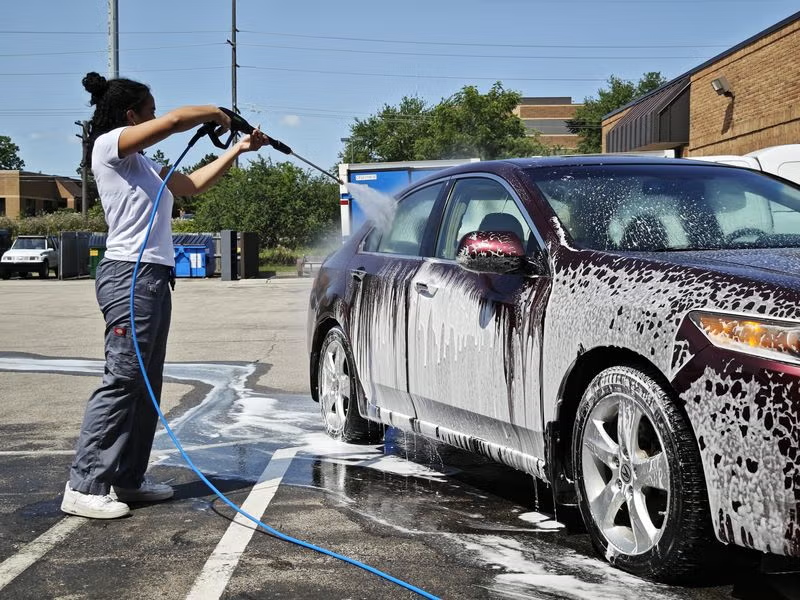
Credit: www.caranddriver.com
Frequently Asked Questions
Is It Okay To Wash Your Car In Your Driveway?
Washing your car in your driveway is generally allowed. Avoid letting wash water flow into streets or storm drains to prevent fines. Use a bucket and wash over grass if possible to protect the environment and comply with local laws.
Can I Wash My Car At Home In Austin?
You can wash your car at home in Austin, but avoid letting wash water enter streets or storm drains. Use a bucket and wash over grass when possible. Follow local water restrictions and environmental rules to prevent fines and protect the environment.
Can You Wash The Car At Home?
Yes, you can wash your car at home. Use a bucket, avoid runoff into storm drains, and follow local water rules.
Is It Legal To Pressure Wash Your Driveway?
Pressure washing your driveway is legal if you prevent wastewater and chemicals from entering storm drains or waterways. Always follow local environmental rules.
Conclusion
Washing your car at home is often allowed with rules. Avoid letting water flow into streets or drains. Local laws protect water quality and prevent pollution. Using eco-friendly soap helps reduce environmental harm. Check neighborhood or city guidelines before washing your car.
Following these steps keeps you safe from fines. Clean your car responsibly and enjoy a shiny ride.














