
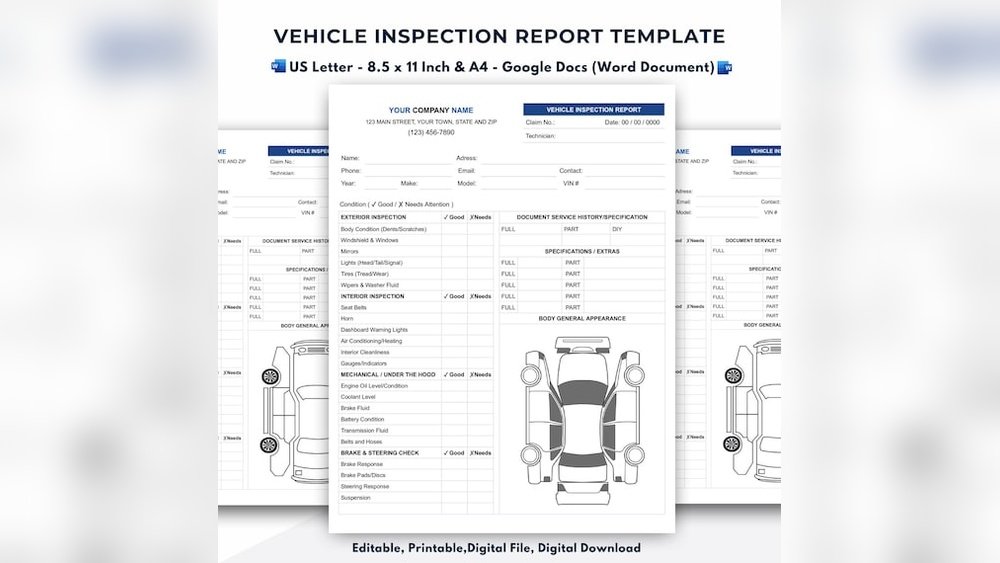
Running a car detailing business comes with more than just making cars shine—it means keeping up with important rules and regulations all year long. If you want to avoid fines, stay legal, and build trust with your customers, you need a clear plan.
That’s where an annual compliance checklist becomes your best friend. This checklist will guide you through the must-do tasks that keep your business running smoothly and safely. Ready to protect your investment and grow your reputation? Keep reading to discover the essential steps every car detailing business owner like you must follow each year.
Licenses And Permits
Car detailing businesses require specific licenses and permits to operate legally. These documents prove your business meets local, state, and federal rules. Keeping licenses current avoids fines and business interruptions. Understanding the requirements helps you stay compliant and focus on growth.
Business License Requirements
A business license allows your car detailing company to operate in your city or county. The application process involves submitting forms and paying fees. Most local governments require a general business license. Renew licenses annually to remain compliant. Check with your city hall for detailed steps.
Environmental Permits
Car detailing involves water and chemical use, which may impact the environment. Environmental permits control waste disposal and water runoff. These permits ensure your business follows pollution laws. Contact your state environmental agency to learn about permit needs. Proper handling protects nature and keeps your business safe.
Local Regulations In Austin, Texas
Austin has unique rules for car detailing businesses. You must follow city codes about water use and chemical storage. The Austin Water Utility may require permits for water discharge. Check zoning laws to confirm your business location is allowed. Stay updated with Austin’s regulations to avoid penalties.
Insurance And Liability
Insurance and liability are crucial for every car detailing business. They protect your company from unexpected costs and legal problems. Staying compliant with insurance requirements reduces risks and builds trust with customers.
Understanding the types of insurance needed helps you choose the right coverage. This section breaks down key insurance types for your business.
General Liability Insurance
General liability insurance covers damages caused by accidents. It protects your business from third-party claims of injury or property damage. For example, if a customer slips in your shop, this insurance helps cover medical bills and legal fees. It is essential for any car detailing business to have this basic protection.
Workers’ Compensation
Workers’ compensation insurance covers your employees if they get hurt on the job. Car detailing work can involve risks like chemical exposure or physical strain. This insurance pays for medical care and lost wages. It also shields your business from lawsuits related to workplace injuries. Many states require workers’ compensation by law.
Vehicle And Equipment Coverage
Your vehicles and equipment are valuable business assets. Vehicle and equipment insurance protects against theft, damage, or accidents. This coverage ensures you can repair or replace tools and vehicles without financial loss. It keeps your operations running smoothly even after unexpected events.
Environmental Compliance
Environmental compliance is crucial for car detailing businesses. It ensures your operations protect the local ecosystem. Following the rules helps avoid fines and legal trouble.
Car detailing involves water, chemicals, and waste. Managing these properly keeps your business safe and eco-friendly. This section covers key areas to focus on for yearly compliance.
Wastewater Management
Proper wastewater handling stops pollution. Car detailing produces dirty water with soap and oils. You must prevent this water from entering storm drains or soil.
Use filtration systems or holding tanks to treat wastewater. Follow local rules on discharge limits. Regularly inspect and maintain your wastewater setup.
Chemical Handling And Storage
Store chemicals safely to avoid spills and accidents. Keep all products in labeled, sealed containers. Store them in cool, dry places away from direct sunlight.
Train staff on proper use and emergency procedures. Maintain an updated inventory of all chemicals on site. Use only approved chemicals for car detailing.
Hazardous Waste Disposal
Dispose of hazardous waste like used solvents and oils correctly. Do not mix hazardous waste with regular trash. Use licensed disposal companies to remove this waste.
Keep records of all hazardous waste disposal activities. Follow local, state, and federal guidelines strictly. Proper disposal protects health and the environment.
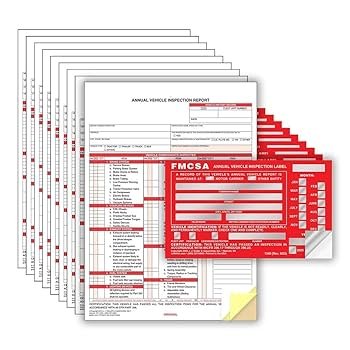
Credit: www.amazon.com
Health And Safety
Health and safety are essential for every car detailing business. Keeping your team safe reduces accidents and injuries. It also helps your business run smoothly. Following health and safety rules protects employees and customers alike.
Car detailing involves chemicals and equipment that can be risky. Proper safety measures prevent harm and ensure a healthy workplace. Regular checks and training keep everyone alert and prepared.
Employee Safety Training
Train employees on safe handling of chemicals and tools. Teach them how to use equipment correctly. Explain emergency procedures clearly. Regular training updates keep safety knowledge fresh. Well-trained workers avoid common accidents and mistakes.
Personal Protective Equipment
Provide gloves, masks, and eye protection for all workers. PPE shields employees from harmful substances and splashes. Make sure the equipment fits well and is in good condition. Replace worn or damaged items immediately. Using PPE lowers the risk of injuries and illnesses.
Workplace Safety Inspections
Inspect the workspace regularly for hazards. Check electrical cords, chemical storage, and ventilation. Look for slips, trips, or sharp objects. Fix problems quickly to prevent accidents. Keep a checklist to track inspections and actions taken.
Financial And Tax Obligations
Financial and tax obligations are vital for every car detailing business. Staying compliant avoids fines and penalties. It also helps maintain smooth operations and good reputation.
Understanding these duties ensures your business runs legally and efficiently. You can focus on growth without worrying about unexpected tax issues.
Tax Filing Deadlines
Knowing tax filing deadlines is essential. Federal and state taxes have different due dates. Missing deadlines can lead to penalties and interest charges. Mark your calendar for quarterly estimated taxes. Also, prepare for annual income tax returns. Filing on time keeps your business in good standing.
Payroll Taxes
Payroll taxes are required if you have employees. This includes Social Security, Medicare, and federal income tax withholding. You must deposit these taxes regularly. Accurate payroll tax reports are necessary. Proper payroll tax management prevents legal troubles and fines.
Record-keeping Best Practices
Good record-keeping simplifies tax filing and audits. Keep all receipts, invoices, and bank statements organized. Use digital tools or software to track income and expenses. Retain records for at least seven years. Well-maintained records save time and reduce errors during tax season.
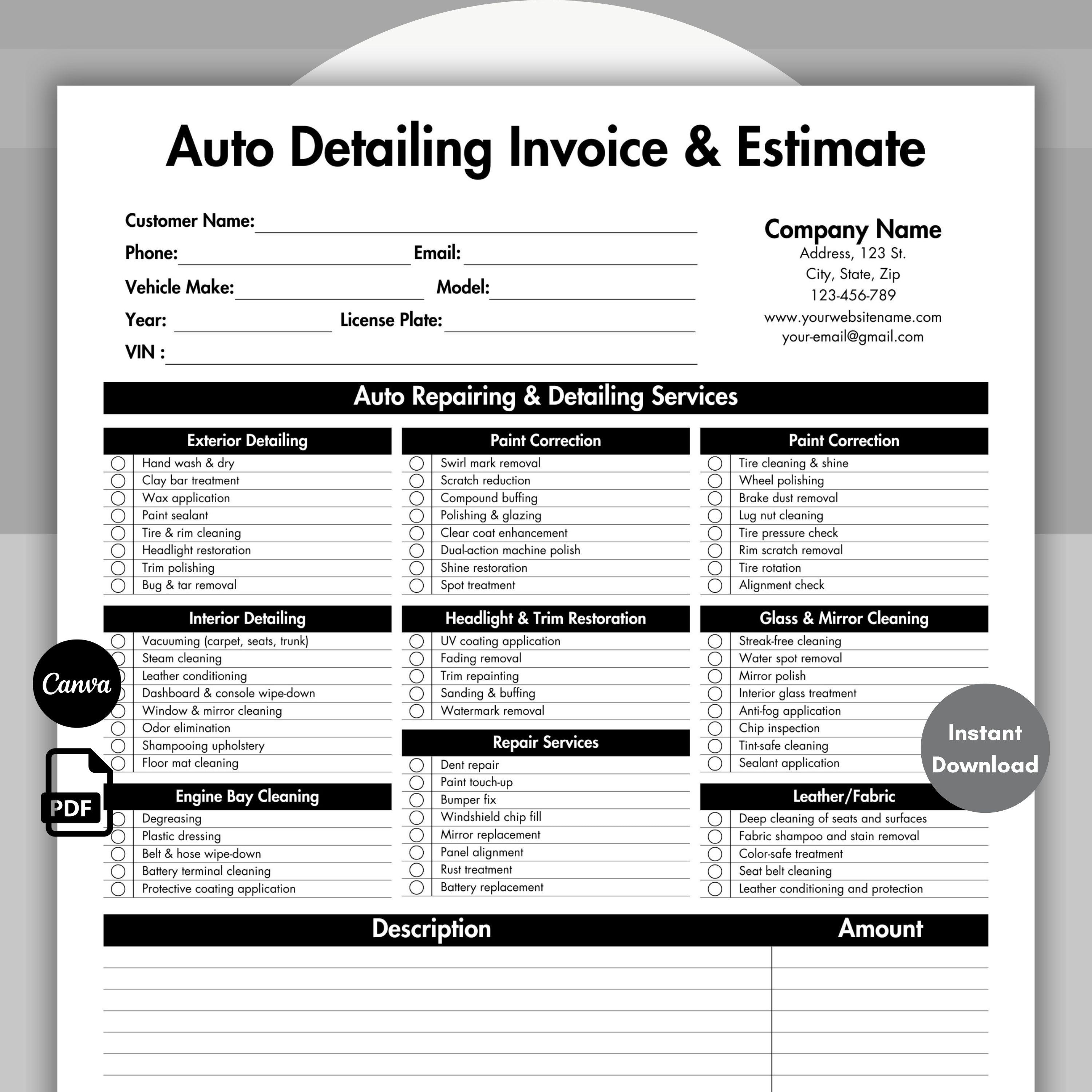
Credit: www.etsy.com
Equipment Maintenance
Proper equipment maintenance keeps your car detailing business running smoothly. Well-maintained tools work better and last longer. Avoid costly repairs by checking equipment regularly. Follow a yearly maintenance plan to stay compliant and efficient.
Pressure Washer Checks
Inspect hoses and nozzles for cracks or leaks. Replace worn parts immediately to prevent breakdowns. Clean filters regularly to ensure strong water pressure. Test the machine before each use to avoid surprises. Keep a log of maintenance dates and repairs.
Vacuum Cleaner Servicing
Empty dust bags or containers after every job. Check filters and replace them if clogged or dirty. Examine the power cord for cuts or damage. Lubricate moving parts to keep the vacuum running smoothly. Schedule professional servicing once a year for deep cleaning.
Chemical Inventory Management
Store chemicals in a cool, dry place away from sunlight. Label all containers clearly with contents and hazard warnings. Check expiration dates and dispose of expired products safely. Keep an updated list of all chemicals used. Train staff on safe handling and emergency procedures.
Customer Service Compliance
Customer service compliance ensures your car detailing business meets legal and ethical standards. It builds trust and protects your reputation. Following clear rules helps avoid disputes and fines. Customers feel valued and safe with proper compliance.
Service Agreements And Contracts
Always use written service agreements. These documents define the work scope and pricing. Clear contracts prevent misunderstandings about services offered. Include terms for cancellations and refunds. Ensure customers sign before starting any work.
Customer Data Protection
Protect customer information carefully. Use secure systems to store data like names and contact details. Avoid sharing data without permission. Train staff on privacy rules. Regularly update security measures to prevent breaches.
Feedback And Complaint Handling
Encourage customers to share feedback. Handle complaints quickly and politely. Offer solutions to fix problems. Document all complaints and resolutions. Use feedback to improve your services continuously.

Credit: www.dictionary.archivists.org
Employee Management
Managing employees well is vital for any car detailing business. It builds a strong team that delivers quality work. Clear guidelines and regular updates keep everyone on track. Proper employee management also reduces risks and boosts satisfaction. This section covers key tasks to keep your staff compliant and motivated.
Certification And Training Updates
Keep employee certifications current to meet industry standards. Check if any new training is required for safety or technique. Schedule refresher courses regularly to improve skills. Document all completed training for easy reference. Well-trained staff work efficiently and reduce costly mistakes.
Labor Law Compliance
Follow local and federal labor laws strictly. Track working hours, breaks, and overtime correctly. Provide required benefits and maintain fair wages. Keep records of employment agreements and any changes. Compliance avoids legal trouble and creates a trustworthy workplace.
Performance Reviews
Conduct regular performance reviews to assess employee progress. Give clear, constructive feedback and set achievable goals. Recognize good work and identify areas for improvement. Use reviews to plan training or promotions. This process motivates staff and improves overall service quality.
Marketing And Advertising
Marketing and advertising play a crucial role in growing a car detailing business. They help attract new clients and build trust with existing ones. Staying compliant with marketing rules protects your business from fines and legal trouble. Following a clear checklist ensures all advertising efforts meet the law and industry standards.
Truthful Advertising Practices
Always provide honest and clear information in your ads. Avoid exaggerating services or results. Do not promise unrealistic outcomes. Use accurate pricing and service descriptions. Misleading claims can harm your reputation and lead to penalties. Transparency builds customer trust and long-term loyalty.
Online Presence Compliance
Ensure your website and social media pages follow legal requirements. Display your business license and contact details clearly. Use proper disclaimers for promotions or special offers. Protect customer data by following privacy laws. Keep all online content updated to reflect your current services and prices.
Promotional Material Regulations
Check that flyers, brochures, and other printed materials meet local advertising rules. Include your business name and address on all materials. Avoid using copyrighted images without permission. Clearly state terms and conditions for any discounts or deals. Regularly review promotional content to maintain compliance and accuracy.
Frequently Asked Questions
What Is Needed For A Car Detailing Business?
A car detailing business needs quality cleaning tools, a pressure washer, vacuum, towels, buffers, brushes, detergents, and proper certifications.
How Much Should I Tip For A $100 Car Detail?
A 15-20% tip on a $100 car detail is standard. Tip $15 to $20 for excellent service.
Is There A Certification For Car Detailing?
Yes, the International Detailing Association (IDA) offers a respected certification for car detailing professionals. It includes online and practical exams.
How Many Cars Can One Person Detail In A Day?
One person can detail 3 to 5 cars daily, depending on detail complexity and work hours. Efficiency improves with experience.
Conclusion
Staying on top of compliance keeps your business safe and legal. Regular checks help avoid fines and interruptions. Keep records organized and review them yearly. Train your staff on rules and updates often. Clear compliance means smoother operations and happier customers.
Use this checklist to guide your yearly tasks. Compliance is key to long-term success in detailing. Stay consistent, stay compliant, and watch your business grow steadily.














