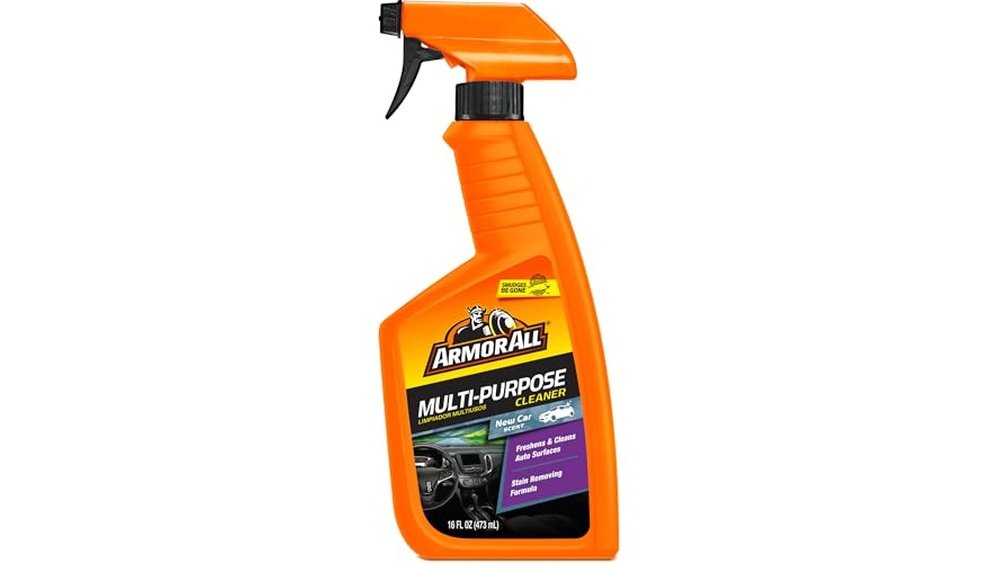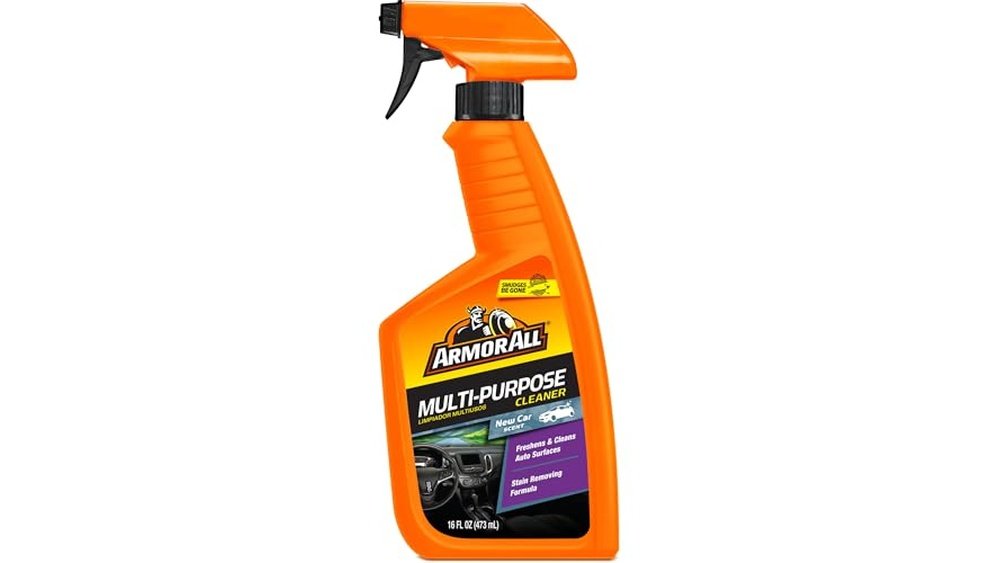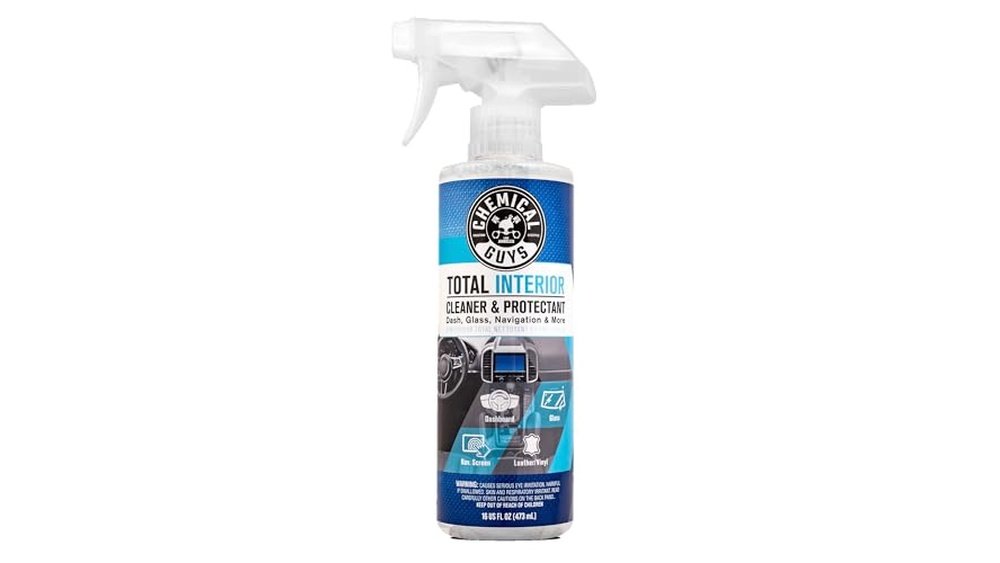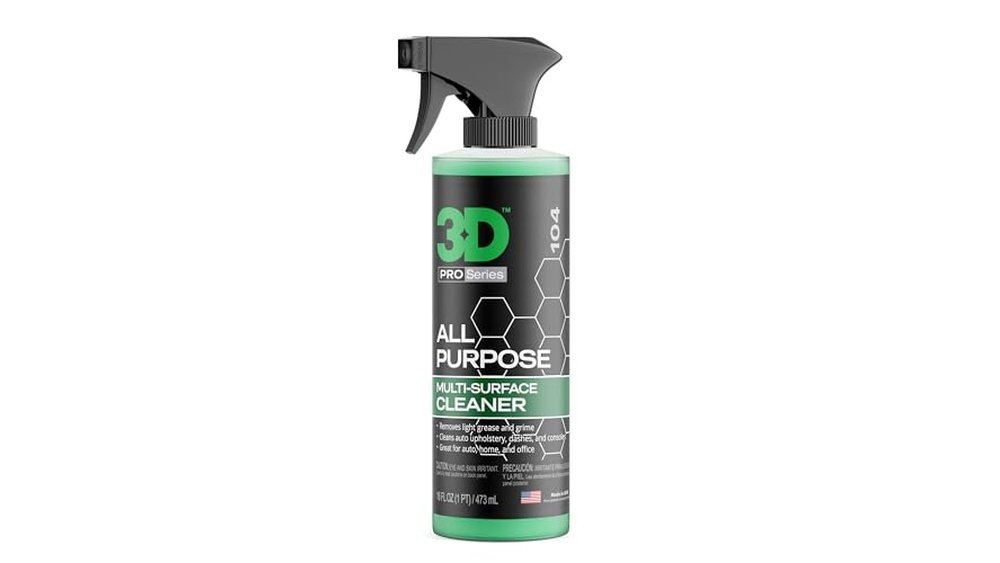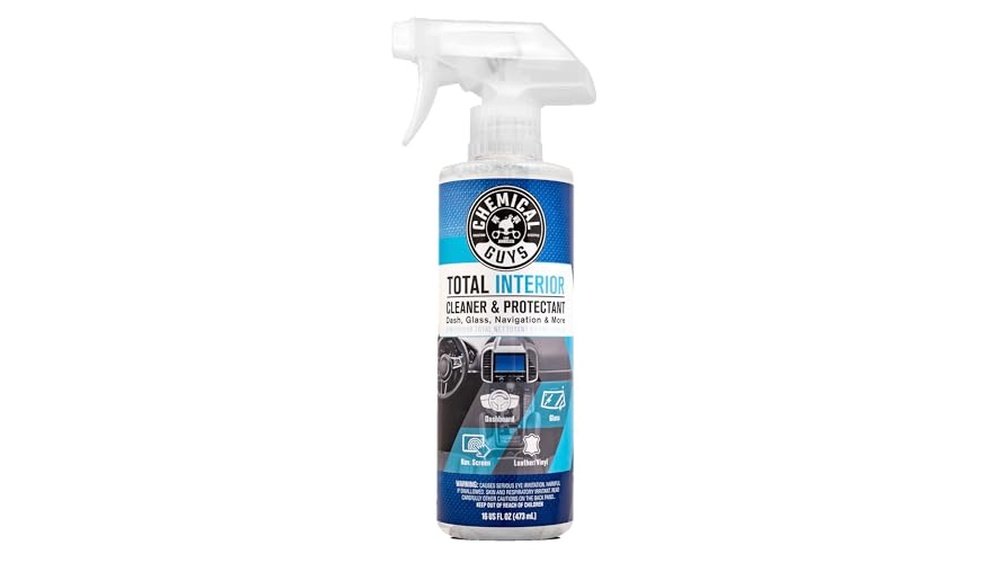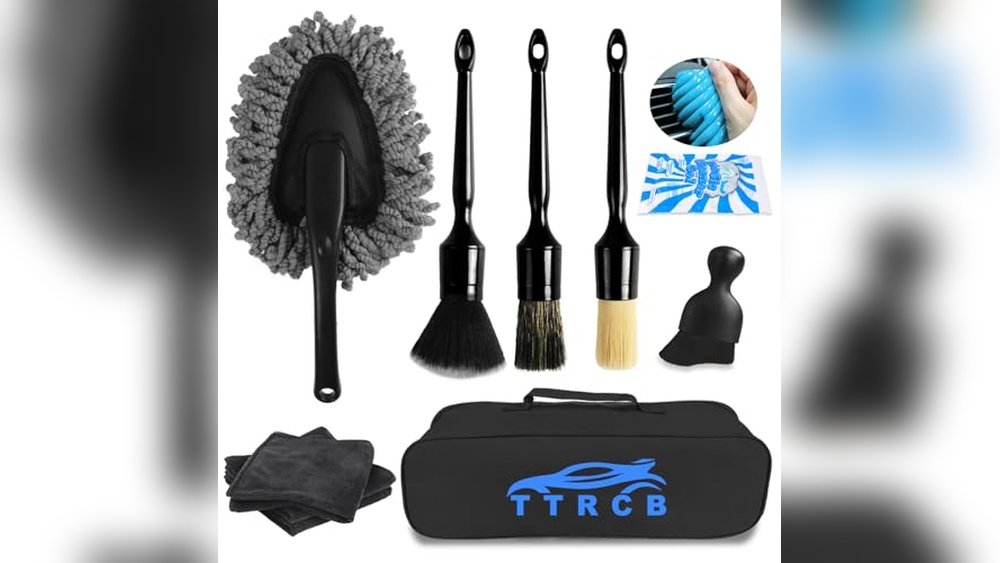
When it comes to keeping your windshield spotless, you might wonder whether a bug remover or a glass cleaner is the better choice. You want clear visibility and a streak-free finish, but bugs and grime often leave stubborn marks that regular glass cleaners might not fully tackle.
So, which product should you reach for when your windshield is covered in bug splatter? This article will guide you through the key differences between bug removers and glass cleaners, helping you make the right choice for your car’s windshield.
Keep reading to discover how to get a crystal-clear view every time you hit the road.
Credit: shop.lowesfoods.com
Bug Remover Basics
Bug remover products play a crucial role in keeping your windshield clear. Bugs, dirt, and grime stick strongly to glass surfaces during drives. Simple water or regular glass cleaner often cannot remove these stubborn spots. Bug removers are designed to break down and lift bug residue without harming your windshield. Understanding how these products work helps you choose the right one for your vehicle.
How Bug Removers Work
Bug removers use special formulas to soften and dissolve bug splatter. They loosen the dried insect remains from the glass surface. This makes it easier to wipe bugs away without scrubbing hard. Many bug removers come as sprays or liquids for quick application. Some require a few minutes to soak before wiping. Their goal is to remove bugs gently while protecting your windshield.
Common Ingredients
Most bug removers contain mild solvents and detergents. These ingredients break down proteins and oils found in bug residue. Water-based formulas are common and safe for glass. Some products include ammonia or alcohol for extra cleaning power. Fragrances and surfactants help the solution spread evenly. Avoid harsh chemicals that might damage glass or paint.
Safety For Windshields
Bug removers must be safe for all windshield types. Good products do not cause scratches or clouding. Always check the label for windshield compatibility. Using the wrong product can weaken glass coatings or cause streaks. Test the remover on a small area first. Follow instructions carefully to protect your windshield’s clarity.

Credit: ecolyteplus.com
Glass Cleaner Essentials
Bug residue on windshields can be tough to clean. Both bug removers and glass cleaners target this challenge. Their effectiveness varies based on formulation and purpose. Understanding how each performs helps in choosing the right product for your windshield care.
Removing Stubborn Bug Splatter
Bug removers are designed to dissolve dried bug splatter quickly. They use strong ingredients to break down tough residues. Glass cleaners focus more on general dirt and smudges. They may struggle with thick or baked-on bug stains. For stubborn bug marks, bug removers often perform better and require less scrubbing.
Speed And Ease Of Use
Bug removers usually act fast. They soften bug residue in seconds, easing removal. Glass cleaners need more effort for bug spots and might require repeated application. Bug removers often allow wiping off bugs in one quick step. Glass cleaners work well for light cleaning but may slow down the process with heavy bug buildup.
Residue And Streak Prevention
Glass cleaners excel in leaving windshields clear and streak-free after use. Bug removers can sometimes leave a slight film if not wiped properly. Proper rinsing or wiping with a microfiber cloth solves this issue. Using bug remover first, then finishing with glass cleaner, ensures a spotless, shiny windshield without residue.
Effectiveness On Bug Residue
The choice between bug remover and glass cleaner affects your windshield’s condition. Both products clean, but their impact differs. Understanding these effects helps protect your windshield and keeps it clear for safe driving. This section explores how each product influences the glass surface over time.
Potential Damage Risks
Bug removers often contain stronger chemicals. These chemicals break down tough bug residue quickly. Some formulas can harm windshield coatings or paint near the glass. Harsh ingredients may cause small scratches if used with rough cloths. Glass cleaners are usually gentler. They focus on removing dirt and smudges without harsh chemicals. Using the wrong product or scrubbing too hard raises damage risks.
Maintaining Visibility
Clear visibility is vital for safe driving. Bug remover targets sticky bug splatters that glass cleaner may miss. Removing bugs completely prevents smearing and streaks. Glass cleaner enhances shine and removes fingerprints and dust. Combining both products properly can improve windshield clarity. Using only glass cleaner might leave bug residue behind. Bug remover alone may leave streaks if not wiped well.
Long-term Effects
Repeated use of strong bug removers may wear down protective coatings on the windshield. This wear can make glass more prone to scratches and damage. Glass cleaners maintain the glass surface without stripping coatings. Over time, gentle cleaning helps preserve windshield durability. Proper care extends windshield life and keeps visibility high. Choosing the right product and method reduces long-term risks.
Impact On Windshield Condition
Choosing between bug remover and glass cleaner for windshields involves more than just cleaning power. Environmental and health factors also play a key role. Using the right product can protect your health and reduce harm to the planet. Understanding these aspects helps you make safer, eco-conscious choices.
Eco-friendly Options
Many bug removers contain harsh chemicals harmful to nature. Some glass cleaners use toxic ingredients too. Eco-friendly products use natural or biodegradable ingredients. They break down quickly without polluting water or soil. These options lower your carbon footprint and protect wildlife. Look for labels that say “biodegradable” or “non-toxic.” Choosing such products supports a cleaner environment.
Toxicity And Safety Precautions
Bug removers often have strong chemicals that can irritate skin and eyes. Glass cleaners may contain ammonia, which can cause breathing issues. Always use these products in well-ventilated areas. Wear gloves to protect your skin. Avoid direct contact with your eyes and mouth. Store chemicals away from children and pets. Following safety steps reduces health risks during windshield cleaning.
Application Methods
The cost and availability of bug removers and glass cleaners affect your choice for windshield care. Both products serve to clean, but prices and where you find them differ. Understanding these factors helps pick the best option for your needs and budget.
Price Comparison
Bug removers tend to cost more than basic glass cleaners. This is because bug removers have special ingredients to break down tough bug residue. Glass cleaners usually come at a lower price since they focus on general cleaning and shine. Prices vary by brand and size, but expect to pay extra for bug remover products.
Where To Buy
Both bug removers and glass cleaners are widely available. Auto parts stores carry many brands of both types. Grocery stores and supermarkets often stock glass cleaners but may have fewer bug remover options. Online retailers offer the widest selection with easy home delivery. Local availability depends on your area and store type.
Value For Money
Bug removers offer good value when bugs stick hard to your windshield. They save time and effort by loosening bug splatters quickly. Glass cleaners provide great value for regular cleaning and streak-free shine. Choosing the right product depends on how often you face bug messes and your cleaning habits.
Environmental And Health Factors
User experiences reveal practical insights about bug removers and glass cleaners for windshields. Real users share how these products perform on different surfaces. Their feedback helps others choose the right product for clear, spotless windshields.
Some users prefer bug removers for tough splatters. Others trust glass cleaners for daily maintenance. The balance between effectiveness and ease of use matters most. Let’s explore popular brands, common complaints, and expert advice from actual users.
Popular Brands And Reviews
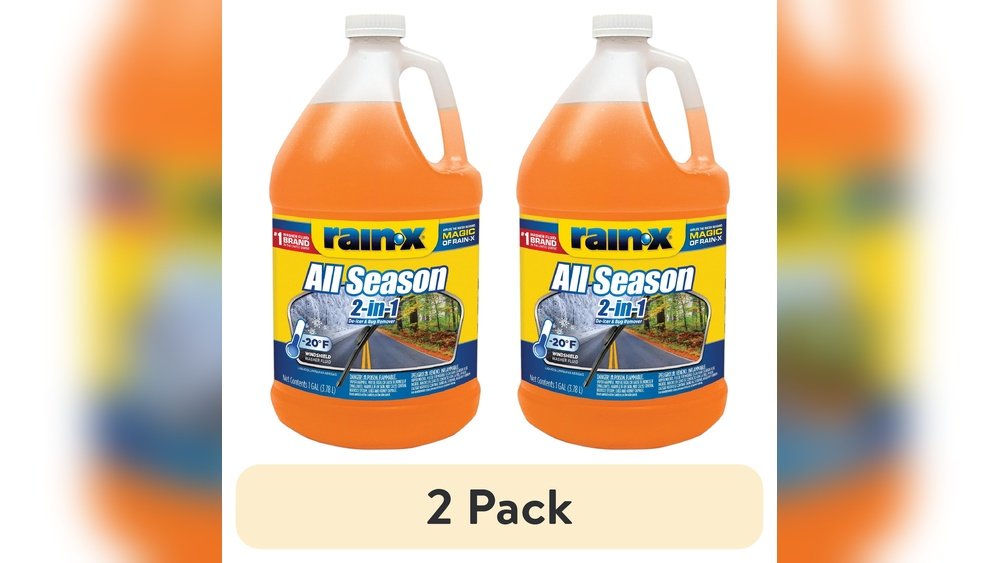
Many users mention brands like Rain-X, Meguiar’s, and Turtle Wax. Rain-X bug remover gets praise for removing stubborn bug residue quickly. Meguiar’s glass cleaner earns points for streak-free shine. Turtle Wax bug tar remover is noted for gentle but effective cleaning.
Reviews highlight ease of spray application and fast drying times. Some users favor products with added water repellents. Others like those that work well without extra scrubbing. Overall, popular brands receive mostly positive feedback for windshield care.
Common Complaints
Users report some bug removers leave oily residues behind. This can blur vision until wiped off completely. A few glass cleaners cause streaks if used on very dirty windshields. Some products require multiple sprays to fully clean tough bug stains.
Price is another concern for frequent users. Some find specialized bug removers costly compared to regular glass cleaners. Others dislike strong chemical smells. These complaints highlight the need for balanced formulas that clean well and feel comfortable.
Expert Recommendations
Experts suggest using bug removers first on heavy bug splatter. Follow with a glass cleaner for a clear finish. They advise gentle wiping with microfiber cloths to avoid scratches. Testing products on a small area is wise before full use.
For regular cleaning, experts recommend glass cleaners with anti-fog properties. They also stress avoiding harsh chemicals that can damage windshield coatings. Choosing products labeled safe for automotive glass ensures better results and longer windshield life.
Cost And Availability
Proper windshield care keeps your view clear and driving safe. Dirt, bugs, and grime build up fast. Using the right products and methods makes a big difference. Follow simple steps to protect your windshield and maintain good visibility all year.
Combining Products
Bug removers target tough bug splatters and sticky residues. Glass cleaners remove dirt, dust, and smudges. Use bug remover first to break down bugs. Rinse well before applying glass cleaner. This two-step approach ensures a spotless finish without streaks. Avoid mixing products together to prevent damage.
Frequency Of Cleaning
Clean your windshield regularly. After long drives or trips through bug-heavy areas, remove bugs quickly. Frequent cleaning stops buildup and scratches. Aim to clean your windshield at least once a week. This keeps bugs and grime from hardening. Regular care reduces the effort needed each time.
Preventative Measures
Use windshield protectants to repel bugs and dirt. Park in shaded or covered areas to reduce exposure. Wash your car often to prevent grime buildup. Replace windshield wipers when they wear out. Clear wipers improve cleaning and reduce streaks. Small steps help keep your windshield clear longer.
Credit: stonercarcare.com
Frequently Asked Questions
Can I Use Bug Remover On Windshield?
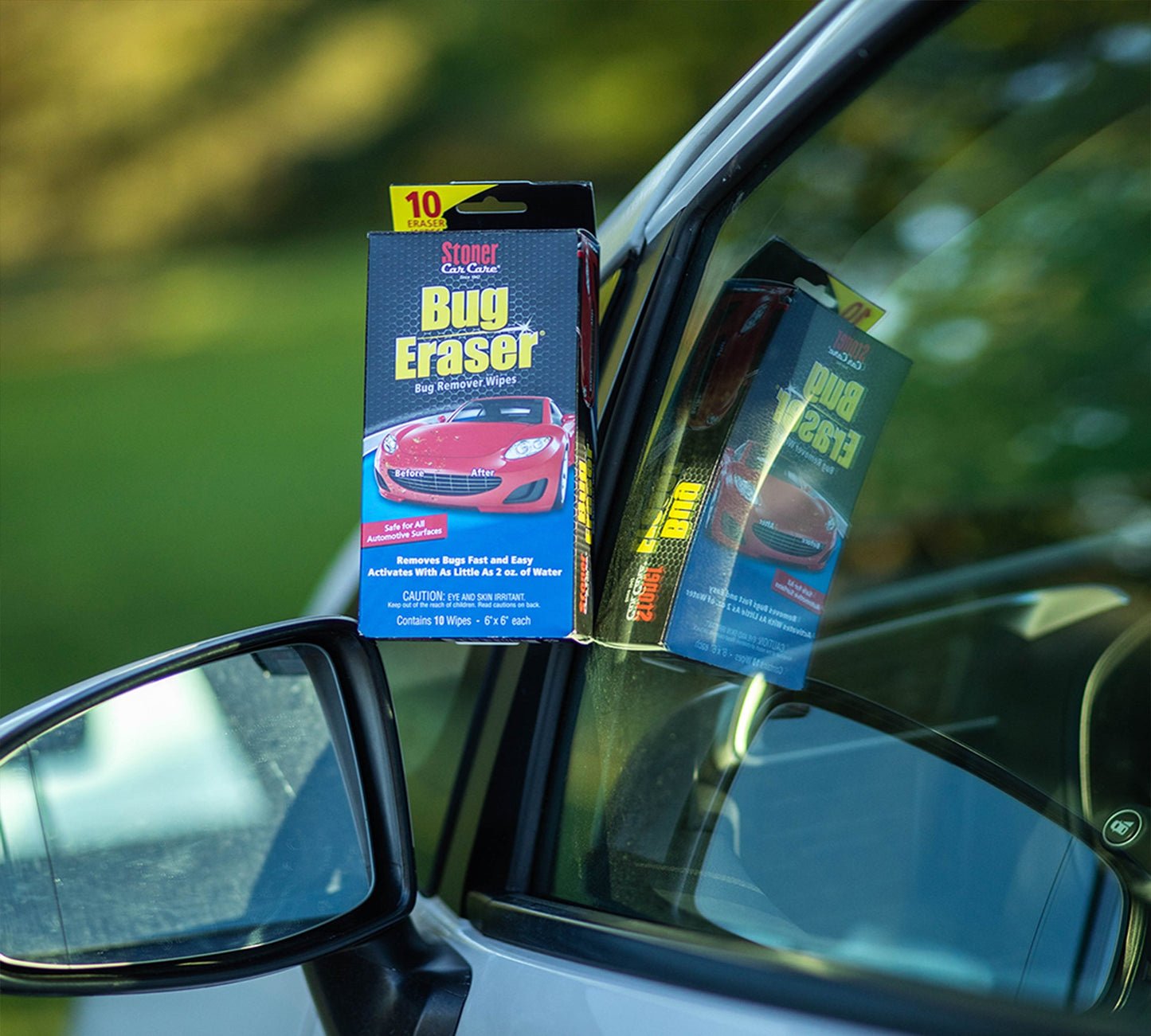
Yes, you can use bug remover on windshields. Choose a product safe for glass to avoid damage. Apply, scrub gently, then rinse thoroughly.
What Is The Best Product To Clean Bugs Off Windshields?
The best product to clean bugs off windshields is a specialized bug remover spray like Chemical Guys Bug & Tar Remover. Use it with a microfiber cloth for easy, streak-free cleaning.
What Is The Best Thing To Use To Clean Your Windshield?
Use a quality glass cleaner combined with a bug remover spray for effective windshield cleaning. Apply with a microfiber cloth.
What Is The Best Bug Remover For Autozone?
The best bug remover at AutoZone is Turtle Wax Bug and Tar Remover. It cleans bugs effectively without damaging paint or glass.
Conclusion
Choosing between bug remover and glass cleaner depends on your needs. Bug remover targets stuck-on insect residue effectively. Glass cleaner works well for general dirt and streaks. Use bug remover first for tough spots, then glass cleaner for a clear finish.
Regular cleaning keeps windshields safe and visible. Remember, both products serve different purposes but complement each other. Clean windshields improve driving safety and comfort. Keep both handy for best windshield care results.