
If you care about keeping your car’s paint spotless, you’ve probably wondered whether a bug remover or a clay bar is the better choice. Both promise to clean stubborn spots, but they work in very different ways—and using the wrong one could even damage your finish.
You want your car looking smooth and shiny, not scratched or dull. So, how do you decide which is right for you? You’ll discover what each product does, their pros and cons, and how to use them safely. By the end, you’ll be confident in choosing the perfect method to keep your ride looking flawless.
Keep reading to protect your investment and make your car stand out on the Austin streets!
Credit: www.youtube.com
Bug Remover Basics
A clay bar is a popular tool for deep cleaning car paint. It removes tough contaminants like tar, bugs, and tree sap. Using a clay bar leaves the surface smooth and ready for waxing or polishing. Understanding its makeup and how to use it helps protect your vehicle’s finish.
Not all clay bars are the same. Their strength and safety depend on the type of clay and abrasives inside. Knowing these details prevents damage and improves results.
Clay Bar Composition
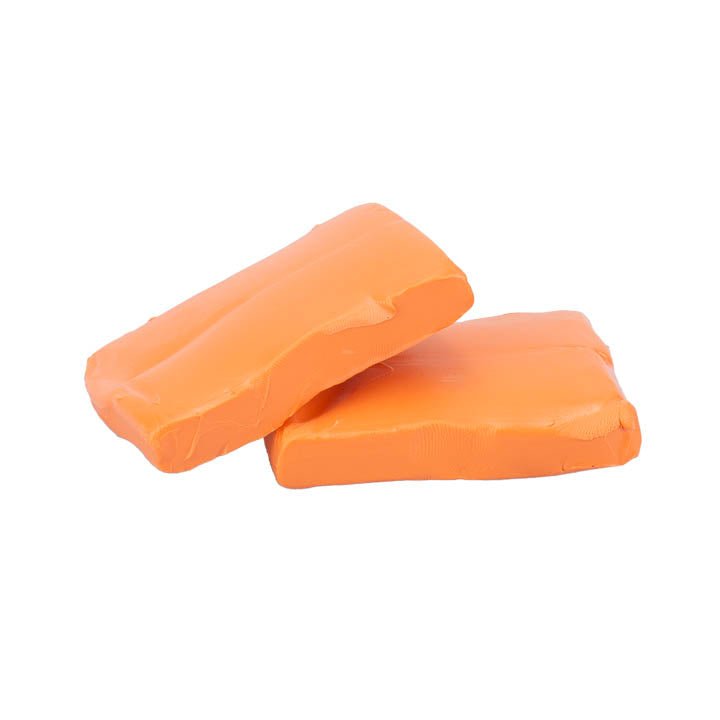
Clay bars are made from synthetic resin mixed with fine abrasive particles. The clay itself is soft and pliable, which helps it pick up dirt. Abrasive particles do the cleaning by gently scrubbing away contaminants. The balance between clay and abrasives affects how well it works and how safe it is for paint.
Abrasive Levels Explained
Clay bars come in different abrasive levels: mild, medium, and strong. Mild clay is gentle and safe for delicate surfaces. Medium clay handles regular dirt and grime well. Strong clay is for heavy contamination but risks scratching if used carelessly. Choosing the right abrasive level is key to protecting your paint.
Surface Compatibility
Clay bars work best on smooth, painted surfaces like clear coats. They are not safe for matte finishes or textured plastics. Using a clay bar on these surfaces can cause damage or dullness. Always test a small area first and avoid using excessive pressure.
Clay Bar Essentials
Applying bug removers and clay bars correctly protects your car’s paint and ensures effective cleaning. Each method requires unique steps and tools to avoid damage. Understanding proper application helps maintain your vehicle’s finish and improves results.
Using Bug Remover Safely
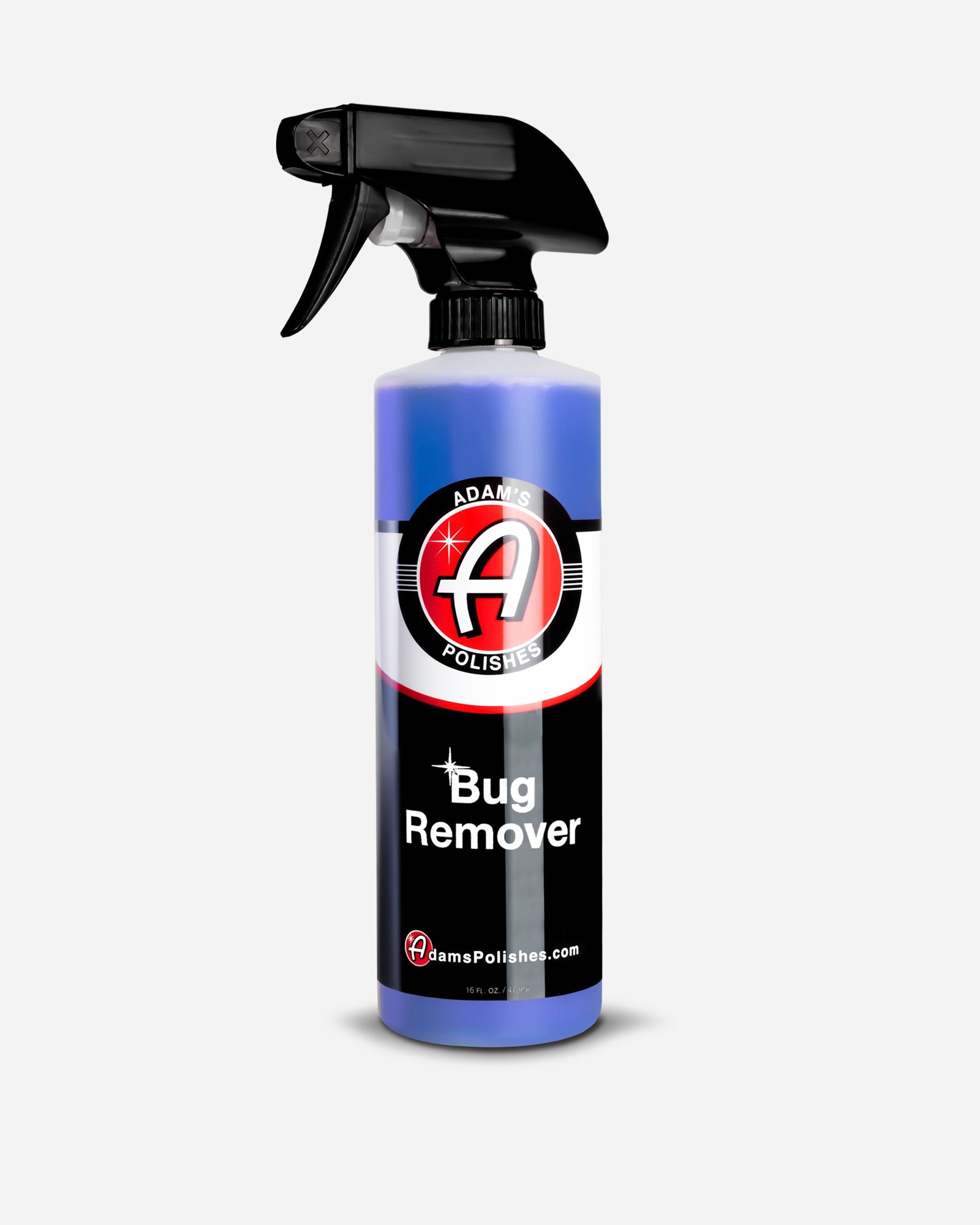
Spray bug remover directly on the affected area. Let it sit for a few minutes to soften bugs and grime. Avoid letting it dry on the paint. Use a soft microfiber cloth to wipe gently. Rinse the area with water to remove residue. Test on a small spot first to check paint reaction. Follow product instructions strictly for best safety.
Proper Clay Bar Method
Wash your car thoroughly before using a clay bar. Spray lubricant on a small section of the paint. Gently glide the clay bar over the lubricated area in straight lines. Avoid circular motions to prevent scratches. Knead the clay frequently to expose a clean surface. Work panel by panel until the entire car is smooth to touch. Rinse and dry the car after claying.
Lubricants And Tools Needed
Use a dedicated clay lubricant or quick detailer spray to prevent scratching. A soft microfiber towel helps remove residues and dry surfaces. For bug removers, microfiber cloths and gentle sprays work best. Avoid household cleaners or abrasive materials. Keep tools clean and replace clay bars if they pick up dirt. Proper lubrication and tools protect your car’s paint during cleaning.
Effectiveness Comparison
Austin, Texas offers a unique perspective on choosing between bug removers and clay bars. The local climate and driving conditions affect how car owners clean their vehicles. Dust, pollen, and frequent insect encounters make cleaning a challenge here. Understanding local preferences helps pick the best product for Austin’s environment.
Many Austin drivers want effective, easy-to-use products that protect their car paint. Both bug removers and clay bars have fans, but their use depends on the situation and local conditions.
Popular Products In Austin
Austin car enthusiasts often choose bug removers with strong cleaning power but gentle formulas. Products like Stoner Car Care Bug & Tar Remover and Meguiar’s Bug & Tar Remover are common here. Clay bars from brands like Mothers and Griot’s Garage are also popular. These bars remove sticky residues and surface contaminants well.
Some prefer clay towels as an alternative. They offer quicker cleaning and less mess than traditional clay bars. Local stores stock these options to meet diverse needs.
Professional Detailer Recommendations
Austin detailers suggest using bug removers first to dissolve tough bug splatter. This step reduces the risk of scratches during clay bar use. Detailers warn about the importance of proper lubrication with clay bars. Without it, paint damage can occur, especially in sunny Austin.
Many pros recommend a two-step process: bug remover followed by clay bar or clay towel. This method ensures deep cleaning and smooth paint. Professionals also advise testing products on small areas to avoid damage.
Environmental Factors Affecting Choice
Austin’s hot, dry climate influences product choice. Bug residues harden quickly in the sun, making removal harder. Frequent outdoor driving exposes cars to tree sap and dust, adding to the grime. These factors make clay bars useful for thorough cleaning.
Rainfall is moderate, so bug splatter builds up between washes. Bug removers work well for quick cleaning after drives. Clay bars are preferred for periodic deep cleaning to maintain paint health. Understanding these conditions helps Austin car owners keep their vehicles spotless.
Credit: adamspolishes.com
Credit: timeofcelebration.org
Frequently Asked Questions
Will Clay Bar Remove Bugs?
Yes, a clay bar effectively removes bugs, road grime, tar, and other surface contaminants from paint. Use proper lubrication to avoid scratches.
What Works Better Than A Clay Bar?
NanoSkin AutoScrub towels work better than clay bars. They remove light contamination faster, cause less fatigue, and cover larger surfaces easily.
What Are The Disadvantages Of Clay Bars?
Clay bars can cause paint scratches if used improperly. They require specific lubricants and are time-consuming. Dropping clay ruins it and risks contamination. Not suitable for matte finishes, vinyl wraps, or textured plastics. Clay bars may worsen existing paint damage or oxidation.
What Is Best For Removing Bugs From A Car?
The best way to remove bugs from a car is using a bug remover spray combined with gentle washing. Clay bars effectively remove stubborn bugs but risk scratching paint if misused. Use proper lubrication and light pressure to prevent damage during bug removal.
Conclusion
Choosing between a bug remover and a clay bar depends on your needs. Bug removers work quickly on fresh bugs and residue. Clay bars remove tough contaminants like tar and paint overspray. Clay bars need careful handling to avoid scratches.
Bug removers are easier and faster for light cleaning. Use clay bars for deeper paint cleaning and smooth finishes. Both tools help maintain your car’s look when used right. Consider your car’s surface and cleaning goals before deciding. Proper use keeps your paint safe and shiny.














