If you’ve ever struggled with stubborn bug splatters on your car’s windshield or paint, you know how frustrating they can be to remove. Traditional cleaners often require harsh scrubbing or chemicals that might damage your vehicle’s finish.
What if there was a gentler, smarter way to tackle these pesky stains? That’s where enzyme-based bug removers come in. These innovative products use natural enzymes to break down bug residues at a molecular level, making cleanup easier and safer for your car’s surface.
You’ll discover exactly how these enzyme cleaners work, why they’re effective, and how you can use them to keep your ride spotless without the hassle. Ready to learn the secret behind enzyme-powered bug removal? Let’s dive in!
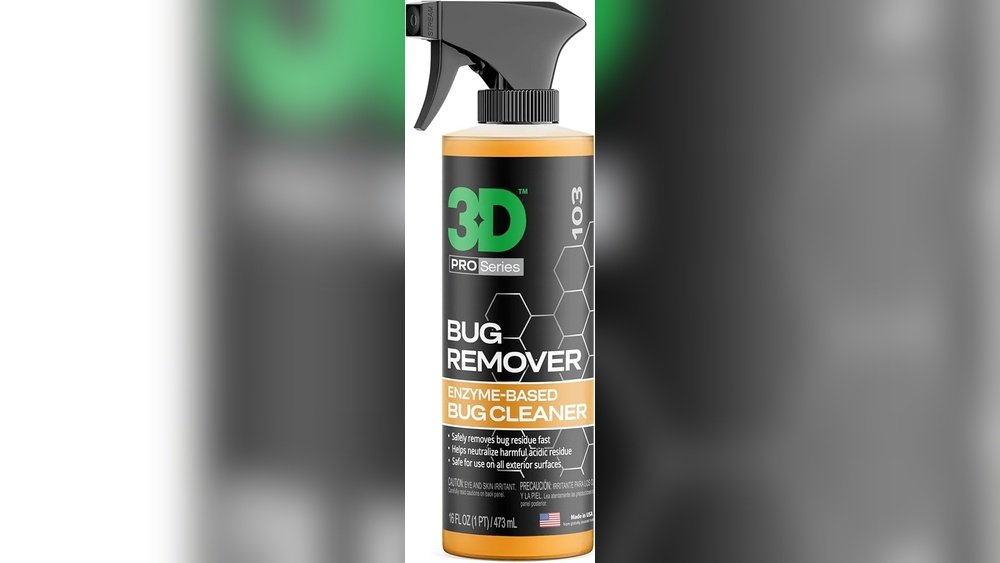
Credit: mycarbrite.com
How Enzyme Bug Removers Work
Enzyme-based bug removers use natural processes to clean bug splatters from surfaces. They do not just scrub away the mess but break it down at a microscopic level. This method is gentle on paint and effective against tough residues left by insects. Understanding how these removers work can help you choose the best product for your car or other surfaces.
Enzymes And Bacteria Roles
Enzymes are special proteins that speed up chemical reactions. In bug removers, they target organic materials like proteins and fats found in bug remains. Live bacteria work alongside enzymes by consuming the broken-down particles. Together, they remove stains and odors by digesting the mess completely.
Breaking Down Bug Residue
The enzymes start by attacking the bug’s body components. Proteins, fats, and sugars are broken into smaller parts. This process softens and dissolves the residue, making it easier to wipe away. The bacteria then consume these parts, leaving no sticky or smelly traces behind.
Time Needed For Action
Enzyme bug removers need time to work properly. The enzymes and bacteria must break down the residue fully. Usually, leaving the product on the surface for several minutes is enough. Rushing the process can reduce effectiveness, so patience is key for the best results.
Benefits For Car Surfaces
Enzyme-based bug removers offer unique benefits for car surfaces. These products use natural enzymes to break down bug residues safely and thoroughly. They protect your car’s finish while delivering a deep clean. The gentle nature of enzymes makes them ideal for maintaining car paint and clear coats. Their eco-friendly ingredients also reduce harm to the environment and your vehicle’s surface.
Protecting Clear Coats
Enzyme-based removers do not harm clear coats. They break down bug remains without harsh chemicals. This preserves the shiny, protective layer on your car’s paint. Traditional bug removers can cause scratches or dullness. Enzymes clean gently, keeping the clear coat intact and glossy. Regular use helps maintain your car’s appearance longer.
Gentle Yet Effective Cleaning
These removers work by digesting bug proteins and organic matter. Enzymes target the mess at a molecular level, removing it completely. This method avoids abrasive scrubbing that can damage paint. The cleaning process is efficient but soft on surfaces. It lifts tough residues without leaving streaks or stains behind.
Eco-friendly Ingredients
Enzyme-based removers use natural, biodegradable ingredients. They do not contain harsh solvents or toxic chemicals. This makes them safer for the environment and for users. The enzymes break down waste naturally, reducing pollution. Choosing eco-friendly products supports a cleaner planet and healthier air.
Best Uses For Enzyme Removers
Enzyme removers work well on many tough cleaning tasks. Their natural enzymes break down organic materials gently but effectively. They target proteins, fats, and other biological substances without harsh chemicals. This makes enzyme removers useful for specific cleaning jobs where other products might fail or damage surfaces.
These removers are especially helpful for cleaning bug splatters, organic stains, and delicate paint finishes. Their unique action helps remove stains without scrubbing hard or using abrasive cleaners. Understanding the best uses for enzyme removers can save time and protect your belongings.
Removing Bug Splatter
Bug splatter is stubborn and acidic. Enzyme removers digest the bug proteins quickly. This softens the residue, making it easier to wipe away. Using these removers soon after driving can prevent stains from setting in. They clean without harming car paint or clear coats. This keeps your vehicle looking clean without harsh scrubbing.
Cleaning Organic Stains
Organic stains like food, blood, and grass respond well to enzymes. The remover breaks down stain molecules at the source. This lifts stains from fabric, upholstery, or carpets without bleach or strong chemicals. Enzyme removers also reduce odors by eliminating the stain’s cause. They work deeply and naturally to refresh surfaces and fabrics.
Ideal For Delicate Paints
Delicate paints need gentle cleaning methods. Enzyme removers avoid harsh chemicals that can strip or dull paint. Their natural action breaks down dirt and grime safely. This protects the paint’s finish while cleaning thoroughly. Car owners with vintage or specialty paints benefit most. Enzyme removers keep these surfaces clean and well-preserved.
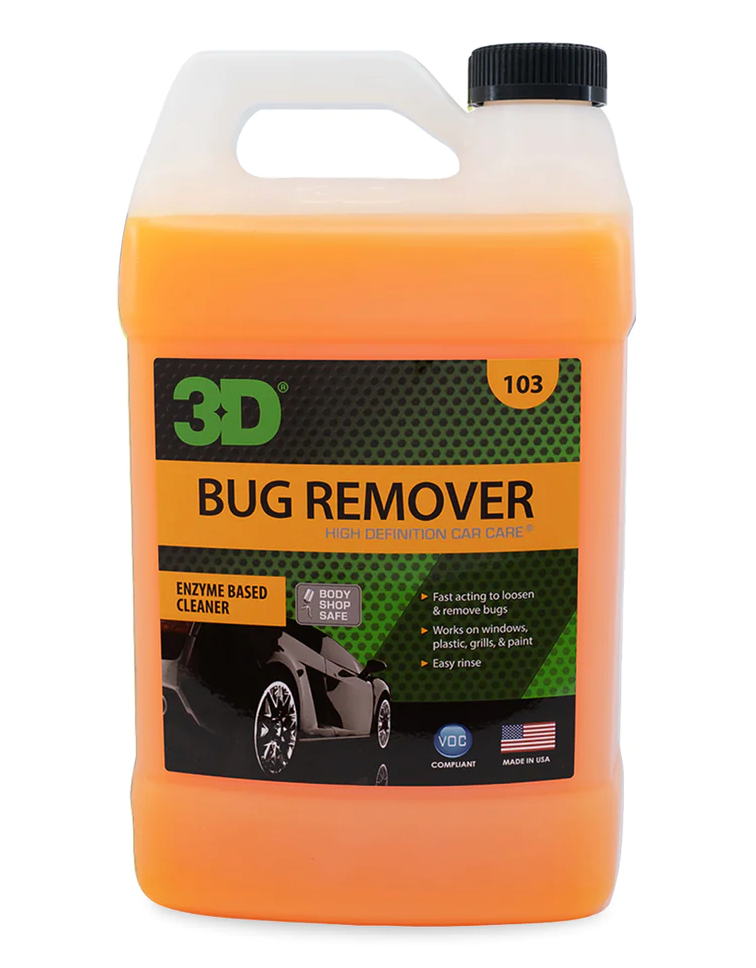
Credit: automedics1.com
Limitations To Consider
Enzyme-based bug removers offer an eco-friendly way to clean bug splatters from surfaces. They break down bug remains using natural enzymes. While effective, these cleaners have some limits to keep in mind. Understanding these helps set the right expectations for their use.
Not A Disinfectant
Enzyme cleaners do not kill viruses or harmful bacteria. They focus on breaking down organic matter only. For full sanitizing, a separate disinfectant is needed. This makes enzyme removers unsuitable for germ control.
Requires Adequate Dwell Time
Enzymes need time to break down bug residues effectively. Quick wiping may not remove all stains. Leaving the product on the surface for several minutes improves results. Patience is key to effective enzyme cleaning.
May Need Multiple Applications
Stubborn bug stains might not vanish after one use. Reapplying the enzyme cleaner helps tackle tough spots. Some surfaces or thick layers of bug remains require extra treatments. Follow the product instructions for best results.
Choosing The Right Product
Choosing the right enzyme-based bug remover is essential for effective cleaning. Different products contain various enzymes that target specific stains and residues. Selecting a product with the proper enzymes ensures faster and deeper cleaning results. Understanding product labels and popular brands helps you make a smart choice.
Key Enzymes To Look For
Protease enzymes break down protein-based stains like bug splatter. Lipase enzymes target fats and oils found in insect remains. Amylase enzymes help remove starches and carbohydrates. Choosing a remover with these enzymes covers most types of bug residues. Enzyme blends often work better than single-enzyme formulas.
Reading Product Labels
Check the active ingredients section for enzyme types. Look for clear instructions on application and wait time. Some products specify the bugs or stains they work best on. Avoid cleaners with harsh chemicals that can damage paint or clear coats. Labels that mention eco-friendly or biodegradable formulas are safer choices.
Popular Brands And Formulas
Brands like ExoForma and Simple Green offer enzyme-based bug removers. Their formulas often include protease and lipase enzymes for broad action. Many products come in spray or wipe forms for easy use. Choose a formula designed specifically for automotive surfaces. Reviews and ratings can guide you to trusted options.
Application Tips For Best Results
Applying enzyme-based bug removers correctly makes a big difference in cleaning results. These products work best with careful preparation and the right methods. Patience also helps enzymes break down stubborn bug residues fully. Follow these tips to get the most from your enzyme cleaner.
Proper Surface Preparation
Clean the surface of loose dirt and debris first. Use water or a gentle cloth to wipe away dust. Avoid harsh chemicals that can interfere with enzyme action. Make sure the area is dry or slightly damp before applying the remover. This helps enzymes reach the bug stains effectively.
Correct Application Techniques
Apply the remover evenly over the affected area. Use a spray bottle or soft cloth for good coverage. Avoid scrubbing hard at first to prevent damage to the surface. Let the enzymes work gently on the bug remains. Reapply if the stain is thick or old for better results.
Allowing Time To Work
Give the enzyme remover time to break down the bug proteins. Wait at least 5 to 10 minutes after application. For tough stains, leave it longer according to the product instructions. Do not rinse or wipe off too soon. Enzymes need this time to digest the residue fully.
Comparing Enzyme Removers With Traditional Cleaners
Enzyme-based bug removers offer a different approach than traditional cleaners. These removers use natural enzymes to break down bug residues, while traditional cleaners rely on chemicals to dissolve the mess. This section compares the two types by looking at their action, safety, and environmental effects.
Chemical Vs. Enzymatic Action
Chemical cleaners use strong substances to dissolve bug stains quickly. They often rely on acids or solvents to break down the bug remains. Enzyme removers use proteins that target and digest organic matter slowly. Enzymes break down bug proteins into smaller parts that wash away easily. The enzymatic process is gentler but may take more time to work fully.
Safety For Car Finishes
Chemical cleaners can be harsh on car paint and clear coats. Some chemicals may cause fading or damage over time. Enzyme removers are usually safer because they do not use harsh acids or solvents. They clean without harming the car’s surface or finish. Using enzyme-based products reduces the risk of scratches and dulling.
Environmental Impact
Chemical cleaners often contain ingredients that harm the environment. They may pollute water and soil when washed away. Enzyme-based removers use natural bacteria and proteins that break down safely. These products are biodegradable and eco-friendly. Choosing enzymatic cleaners helps reduce pollution and supports greener cleaning practices.
Diy Enzyme Cleaner Options
DIY enzyme cleaners offer an affordable and natural way to tackle stubborn stains and odors. Making your own enzyme cleaner at home uses simple ingredients and natural fermentation. This option allows control over what goes into your cleaner and saves money.
These homemade solutions work well on organic stains such as food spills, pet messes, and dirt. They rely on natural enzymes and bacteria to break down stains rather than harsh chemicals. Patience is important because enzymes need time to work.
Homemade Recipes
One popular recipe uses fruit scraps like orange peels, pineapple, or banana skins. Place the scraps in a jar and add water and sugar. Let the mixture ferment for 2 to 3 weeks. Strain the liquid before use. This liquid contains natural enzymes that break down organic matter.
Another simple recipe uses rice water. Soak rice in water overnight, then strain and use the water as a mild enzyme cleaner. It works well for light stains and general cleaning.
When To Use Diy Vs. Commercial
DIY enzyme cleaners are great for light stains and regular cleaning jobs. They are gentle and eco-friendly but may take longer to work. Commercial enzyme cleaners contain stronger enzyme blends and preservatives. They work faster and better on tough stains.
Use commercial products for heavy-duty cleaning or when time is limited. Choose DIY options for routine cleaning or when you want a natural solution without chemicals.
Storage And Shelf Life
Store homemade enzyme cleaners in a cool, dark place in a sealed container. Fermentation can continue if left open, changing the cleaner’s strength and smell. Keep away from direct sunlight to preserve enzyme activity.
DIY enzyme cleaners usually last 1 to 3 months. Check for changes in color, smell, or mold before use. Commercial enzyme products have preservatives and a longer shelf life, often lasting up to a year.
Troubleshooting Common Issues
Troubleshooting common issues with enzyme-based bug removers helps you get better results. These products work well, but sometimes problems occur during use. Understanding how to handle these issues keeps your vehicle clean and safe.
Some stains may not disappear quickly. Others might cause damage if used improperly. Knowing when to get expert help also saves time and effort.
Persistent Stains
Some bug stains are tough and need extra attention. Enzyme cleaners work best when given enough time to break down stains. Reapply the product if the stain remains after the first try.
Use a soft cloth or sponge to gently scrub the area. Avoid harsh scrubbing that could damage the surface. Patience is key to removing stubborn stains completely.
Avoiding Surface Damage
Enzyme-based removers are gentle, but misuse can harm your car’s paint. Always test the product on a small hidden spot first. Follow the instructions carefully for the correct application time.
Do not let the remover dry on the surface. Rinse thoroughly with water after treatment. Avoid using abrasive tools that may scratch the paint or clear coat.
When To Seek Professional Help
If stains persist despite careful cleaning, consider professional assistance. Experts have stronger products and tools to remove tough bug residue safely.
Professional detailers also protect your vehicle’s finish during cleaning. Call a specialist if you notice discoloration or damage after treatment.
Credit: www.walmart.com
Frequently Asked Questions
Do Enzymatic Cleaners Really Work?
Yes, enzymatic cleaners effectively break down organic stains and odors at a molecular level. They work best on pet messes, food spills, and carpets. They need time to act and do not disinfect. Proper use ensures deep cleaning and odor removal without harsh chemicals.
What Is The Bug Remover With Enzymes?
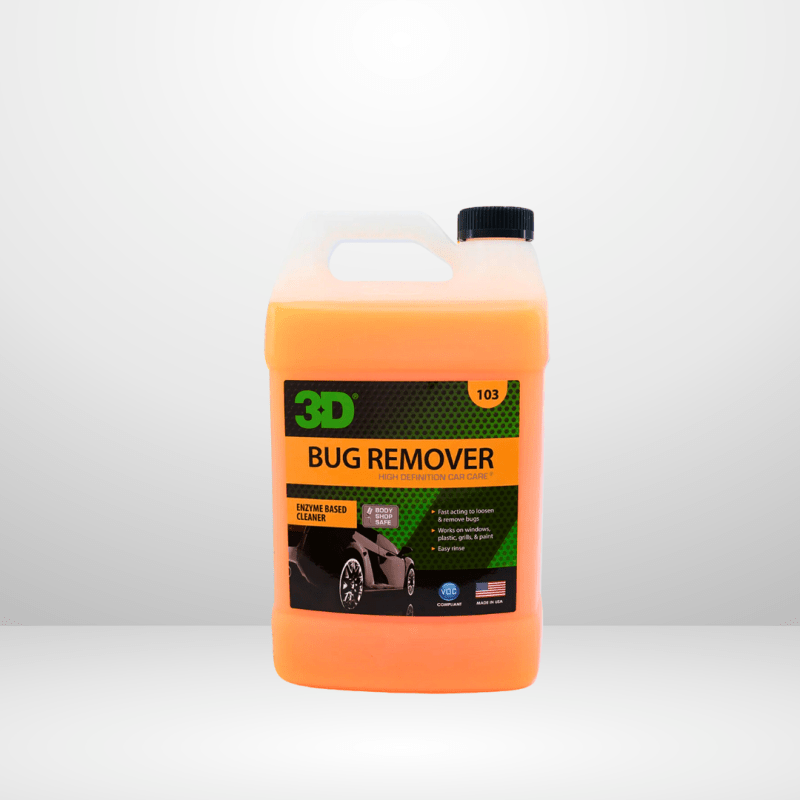
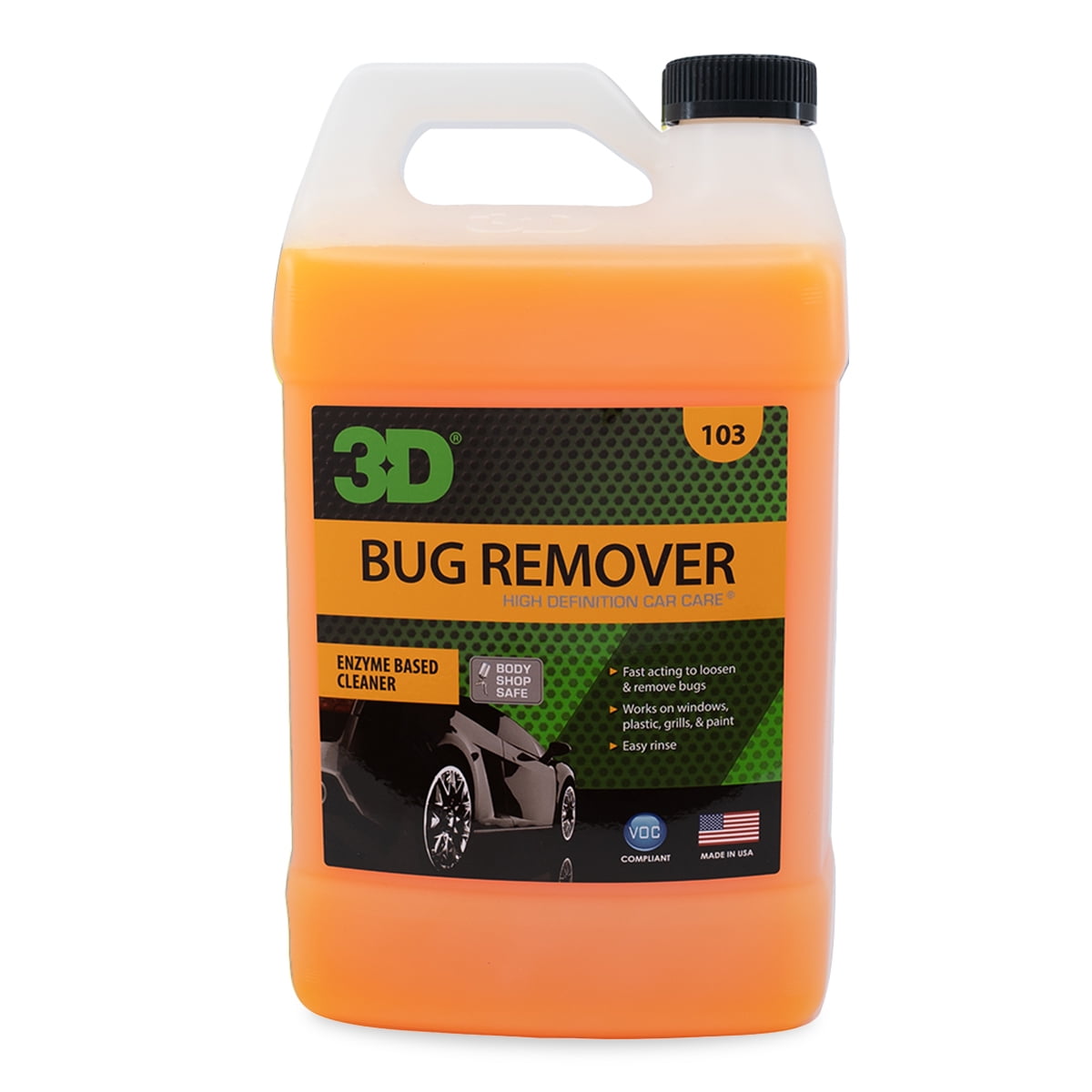
A bug remover with enzymes uses natural enzymes to break down bug proteins into a mushy residue. It cleans effectively without harming surfaces.
How Do Enzyme-based Cleaners Work?
Enzyme-based cleaners use natural enzymes to break down organic stains and odors at the molecular level. Enzymes target proteins, fats, and starches, dismantling them into smaller parts. Bacteria then consume these residues, effectively removing stains and odors without masking them.
How Long Does It Take Enzymes To Unclog A Drain?
Enzymes typically start unclogging drains within 3-7 days. Full clearing and optimal flow usually take 2-3 weeks. Regular dosing ensures sustained results.
Conclusion
Enzyme-based bug removers clean by breaking down bug residues naturally. They work best on organic materials without harming surfaces. These removers need time to fully digest and remove stains. Use the right enzyme type for the specific mess. They do not disinfect, so use a sanitizer afterward if needed.
Following product instructions ensures the best cleaning results. Enzyme cleaners offer a gentle and effective way to keep surfaces clean. Give them time and proper use for clear, bug-free surfaces every time.