When it comes to keeping your car or home looking its best, you might not realize how important the pH levels in bug removers are for paint safety. Have you ever wondered why some bug removers leave your paint dull or even damaged?
The secret often lies in the product’s pH balance. Using the wrong cleaner can harm your paint finish, stripping away protection and causing lasting damage. But don’t worry—understanding how pH levels affect bug removers can help you protect your investment and keep your surfaces shining like new.
You’ll discover what pH levels mean, why they matter for paint safety, and how to choose the right products that work effectively without risking damage. Keep reading to learn how to make your bug removal routine safe and smart.
Ph Levels In Bug Removers
Understanding pH levels in bug removers is important for protecting your vehicle’s paint. The pH level shows if a product is acidic, alkaline, or neutral. Each type reacts differently with bug residue and paint surfaces. Choosing the right pH can help clean bugs without harming the paint.
Acidic Vs Alkaline Removers
Acidic bug removers have a low pH, usually below 7. They can break down tough bug stains quickly. But acidic removers may damage paint if used too often. Alkaline removers have a high pH, above 7. They also remove bugs well but can be harsh on clear coats. Both types need careful use to avoid paint damage.
Neutral Ph Benefits
Neutral pH bug removers have a pH close to 7. They clean bugs gently without harming paint or wax layers. These removers are safer for regular use. They help maintain the paint’s shine and protection. Neutral products balance cleaning power with paint safety.
Impact On Paint Surfaces
The wrong pH in bug removers can dull or etch paint. Acidic products may strip wax and cause discoloration. Alkaline removers might leave a rough texture or fade the finish. Neutral pH products reduce these risks. Using the right pH helps keep paint smooth and vibrant after bug removal.
Credit: www.turtlewax.com
Effects Of Ph On Paint
Paint can suffer damage from the pH level of cleaning products. Bug removers and other cleaners vary in acidity and alkalinity. These variations affect the paint’s surface and its protective layers. Understanding how pH influences paint helps protect it during cleaning.
How Acidity Damages Paint
Acidic products have a low pH and can eat into paint. They break down the clear coat, making paint dull and rough. Acidic bug removers may cause small pits or stains. Repeated use weakens the paint’s finish and color.
Risks Of Alkaline Products
Alkaline cleaners have a high pH and can strip protective wax layers. They may leave the paint dry and prone to cracking. Strong alkaline removers can cause discoloration or fading. Over time, paint loses its shine and durability.
Protective Coatings And Ph
Protective coatings like wax or sealants shield paint from pH damage. These coatings act as barriers against acids and alkalis. Using pH-neutral cleaners helps maintain these protective layers. Choosing the right bug remover preserves paint and coatings.
Choosing Safe Bug Removers
Selecting the right bug remover protects your car’s paint and finish. Some products can harm clear coats or strip wax. A safe bug remover cleans effectively without damage. Understanding pH levels and ingredients helps you make better choices. The goal is a clean surface and lasting protection.
Ph Balanced Formulas
Bug removers with balanced pH are gentle on paint. They avoid strong acids or alkalis that can eat into the surface. Neutral or near-neutral pH keeps the clear coat safe. Such formulas remove bugs without dulling or stripping wax. Use these products for regular maintenance and paint care.
Ingredients To Avoid
Avoid bug removers with harsh chemicals like ammonia or strong solvents. These ingredients can break down paint and protective layers. Some products contain acids that etch into the finish. Avoid anything labeled as highly alkaline or acidic. Check labels carefully to protect your car’s paint.
Compatibility With Wax And Sealants
Choose bug removers that do not remove wax or sealants. Some cleaners strip away protective coatings, leaving paint vulnerable. Safe products work well with existing wax or sealants. This maintains the shine and protection of your paint. Always test a small area if unsure about compatibility.
Proper Bug Removal Techniques
Proper bug removal techniques protect your car’s paint and keep it looking new. Bugs can stick hard to the surface and damage the finish if not removed carefully. Using the right products and methods helps avoid scratches and paint damage. This section covers simple, safe ways to clean bugs off your vehicle.
Using Baking Soda Solutions
Baking soda is gentle and safe for car paint. Mix baking soda with water to make a soft paste. Apply the paste to the bug spots and let it sit for a few minutes. The baking soda softens the bugs without harming the paint. Then, gently wipe the area with a soft cloth or sponge. This method avoids harsh chemicals and keeps your paint safe.
Application Tips
Use a soft sponge or microfiber cloth when applying any bug remover. Always wet the area before applying the solution. This reduces the chance of scratching the paint. Work in small sections to control the cleaning process. Rinse the surface with water after removing bugs. Dry the area with a clean, soft towel to prevent water spots.
Avoiding Paint Scratches
Never scrub bugs hard on the paint surface. Bugs can be abrasive and cause scratches. Use gentle pressure and soft cloths only. Avoid using brushes or rough materials. Check the pH level of bug removers; choose neutral or slightly alkaline products. Acidic cleaners can damage paint and clear coats. Proper care keeps your car’s finish smooth and shiny.
Paint Safety During Cleaning
Cleaning your vehicle’s paint needs care to keep its shine and protection. The right cleaning methods help avoid damage. Paint safety during cleaning focuses on using suitable products and techniques. This section explains how soaps affect paint, how to maintain protective layers, and which cleaning products to use.
Effect Of Soaps On Paint
Soaps with harsh chemicals can harm paint surfaces. Acidic soaps may eat into the paint and clear coat. Alkaline soaps can strip away wax and dull the finish. Using pH-balanced or neutral soaps helps protect the paint. These soaps clean without causing damage or fading.
Maintaining Protective Layers
Protective layers like wax or sealants guard paint from dirt and scratches. Aggressive cleaning removes these layers and exposes paint to harm. Gentle cleaning preserves these coatings longer. After washing, reapply wax or sealant to keep protection strong. This helps maintain the paint’s shine and durability.
Recommended Cleaning Products
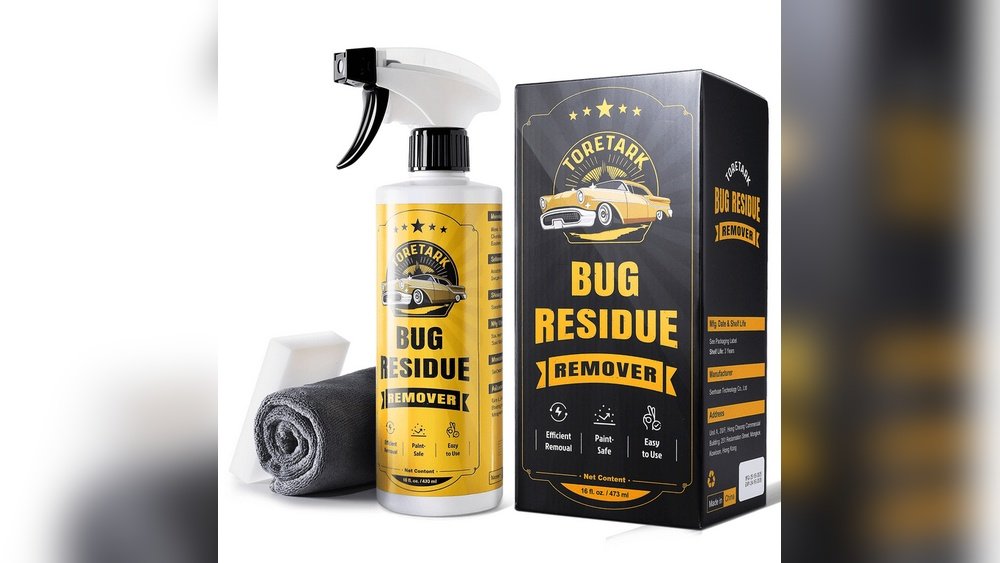
Choose cleaning products labeled pH-neutral or balanced for safe use. Bug removers designed for automotive paint work best. Avoid products with strong acids or alkalis. Natural ingredients like baking soda can soften bugs without scratching. Always test new products on a small area first to check safety.
Credit: www.amazon.com
Bug Removers For Coated Surfaces
Bug removers help keep your vehicle’s coated surfaces clean and protected. Bugs and their residues can stick to paint, ceramic coatings, and paint protection films. Using the right bug remover is key to avoid damage. The pH level of these removers plays a big role in maintaining the surface’s integrity.
Choosing a bug remover that matches the coating type ensures safety and effectiveness. Let’s explore how pH affects different coated surfaces and the best remover options for each.
Ceramic Coatings And Ph
Ceramic coatings are delicate and require gentle cleaning products. Bug removers with a neutral or slightly acidic pH are safe for these surfaces. Harsh alkaline products can break down the ceramic layer over time. A pH-balanced remover softens bug residue without harming the coating. This helps keep the glossy finish intact and extends the coating’s life.
Paint Protection Film Safety
Paint protection film (PPF) shields your vehicle’s paint from damage. Bug removers used on PPF should have a neutral pH to prevent film discoloration or peeling. Acidic or alkaline removers may weaken the adhesive holding the film. Using mild, pH-neutral products helps maintain the film’s clarity and durability. Regular cleaning with the right remover preserves your investment in paint protection.
Specialized Remover Choices
Different coatings need different bug removers. For ceramic coatings, choose products labeled safe for ceramic surfaces. For paint protection films, pick removers designed for PPF or vinyl. Some removers contain enzymes or solvents that break down bug residue gently. Always check the product’s pH level and coating compatibility. Testing a small area first reduces risk of damage.
Common Myths And Facts
Understanding the truth about pH levels in bug removers and paint safety helps protect your vehicle’s finish. Many ideas about pH neutrality and paint damage are not accurate. Separating myths from facts keeps your car looking great and avoids costly mistakes.
Misconceptions About Ph Neutrality
People often think pH neutral products cause no harm at all. This is not always true. Some pH neutral removers may still have harsh chemicals. These chemicals can damage the paint or clear coat. Conversely, not all acidic or alkaline products cause damage. It depends on the strength and formulation of the remover. Always check product details beyond just the pH value.
Real Damage Causes
Damage to paint usually comes from improper use, not just pH levels. Leaving bug remover on paint too long can etch the surface. Using rough cloths or brushes also scratches the paint. Strong acids or bases can strip wax and dull the finish if used incorrectly. The key is following instructions and rinsing well after application.
Expert Recommendations
Experts suggest choosing bug removers with balanced pH and gentle ingredients. Test the product on a small area first. Apply remover carefully and rinse quickly. Avoid scrubbing hard to prevent scratches. Use soft microfiber cloths or sponges. Regular washing and waxing protect paint from bug damage over time.
Credit: www.walmart.com
Frequently Asked Questions
Is Bug Remover Safe For Paint?
Bug removers with balanced pH levels are generally safe for paint. Avoid acidic or highly alkaline formulas to prevent damage. Use pH-neutral removers to protect your paint and wax coatings effectively. Always follow product instructions for best results and paint safety.
Does Ph Level Affect Car Wax?
Yes, pH levels affect car wax. Acidic or alkaline soaps can strip wax, dull paint, and damage the clear coat. Use pH-balanced products to protect wax and maintain shine.
Is Ph Neutral Soap Better For Car Paint?
PH neutral soap protects car paint by avoiding damage from acids or alkalines. It preserves wax and clear coat. Use it for safe, gentle cleaning.
How To Clean Bugs Off A Car Without Ruining Paint?
Use a pH-balanced, wax-safe bug remover or a baking soda paste on a damp sponge. Gently scrub to avoid paint damage. Rinse with water and dry with a microfiber cloth to protect your car’s finish.
Conclusion
Understanding pH levels in bug removers helps protect your paint better. Using products with balanced pH avoids damage and keeps paint shiny. Acidic or alkaline removers can harm the paint and clear coat. Choose gentle, pH-neutral options for safe cleaning.
This simple step extends your paint’s life and appearance. Always read labels to pick the right remover for your car. Safe cleaning means a fresher, cleaner look without worry.