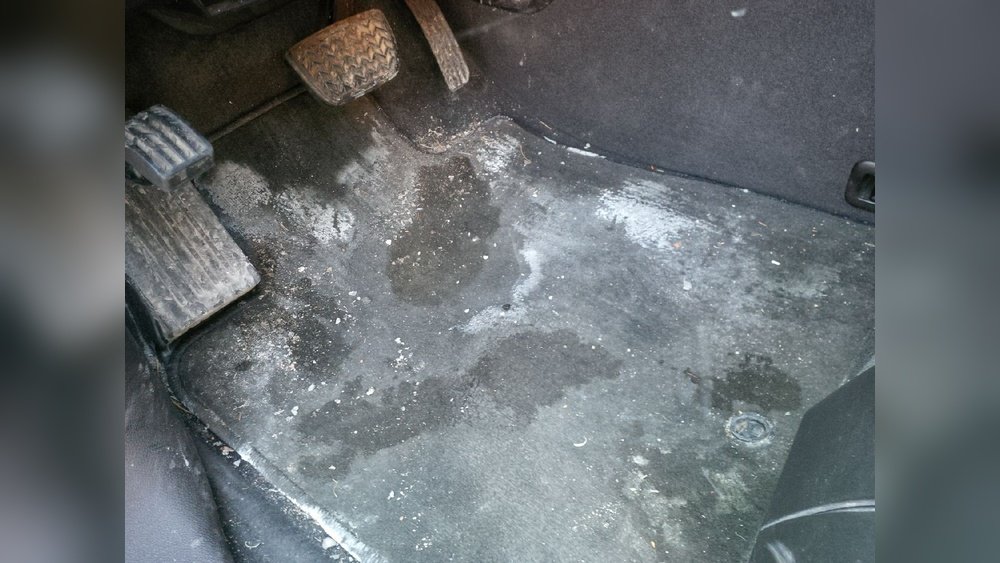
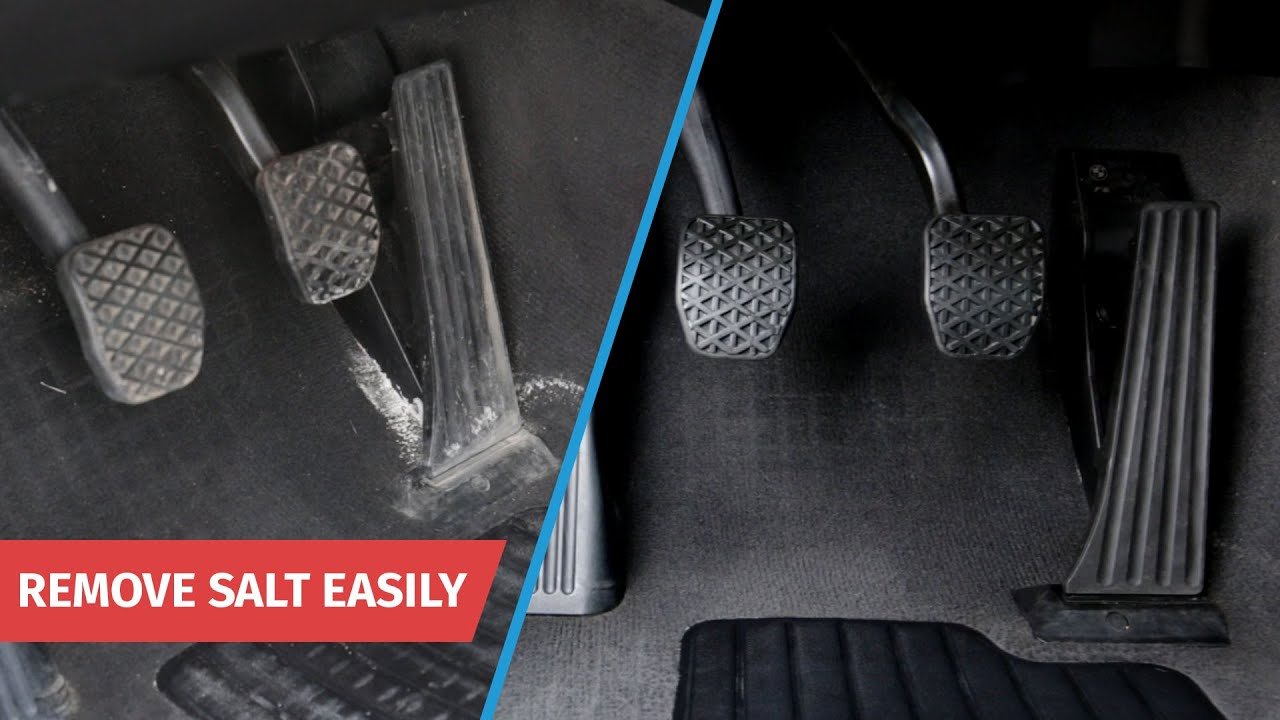
Are salt stains ruining the look of your floor mats? You’re not alone—those stubborn white marks from winter road salt can be tough to get rid of.
But don’t worry, you don’t have to replace your mats or settle for unsightly stains. With the right approach, you can restore your mats to their clean, fresh state quickly and easily. In this guide, you’ll discover simple, effective methods to remove salt stains without damaging your mats.
Ready to bring back that fresh look? Keep reading and learn the secrets to spotless floor mats you’ll wish you knew sooner.
Credit: www.youtube.com
Materials Needed
Gather simple items like white vinegar, warm water, a spray bottle, and clean cloths for removing salt stains. A vacuum and a stiff brush help with heavy salt buildup on floor mats. These tools make cleaning easier and more effective.
Gathering the right materials helps remove salt stains from floor mats effectively. These items are easy to find and affordable.
Using the correct tools and cleaning agents prevents damage to your mats while removing salt stains thoroughly.
Vacuum Cleaner
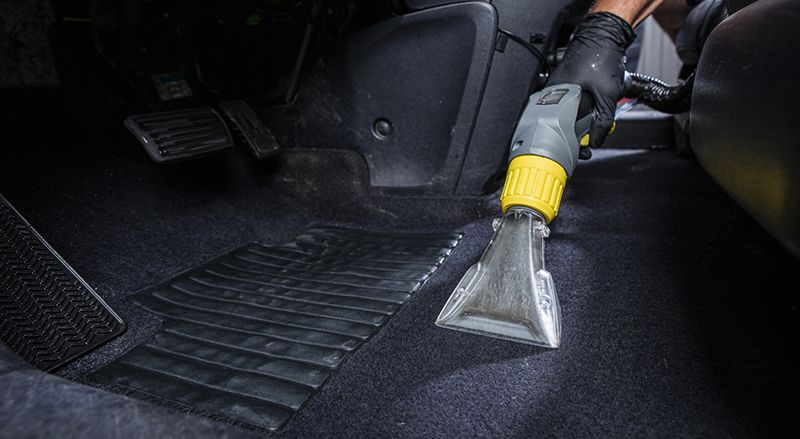
A vacuum cleaner removes loose salt particles before cleaning. This step prevents salt from spreading during washing.
Spray Bottle
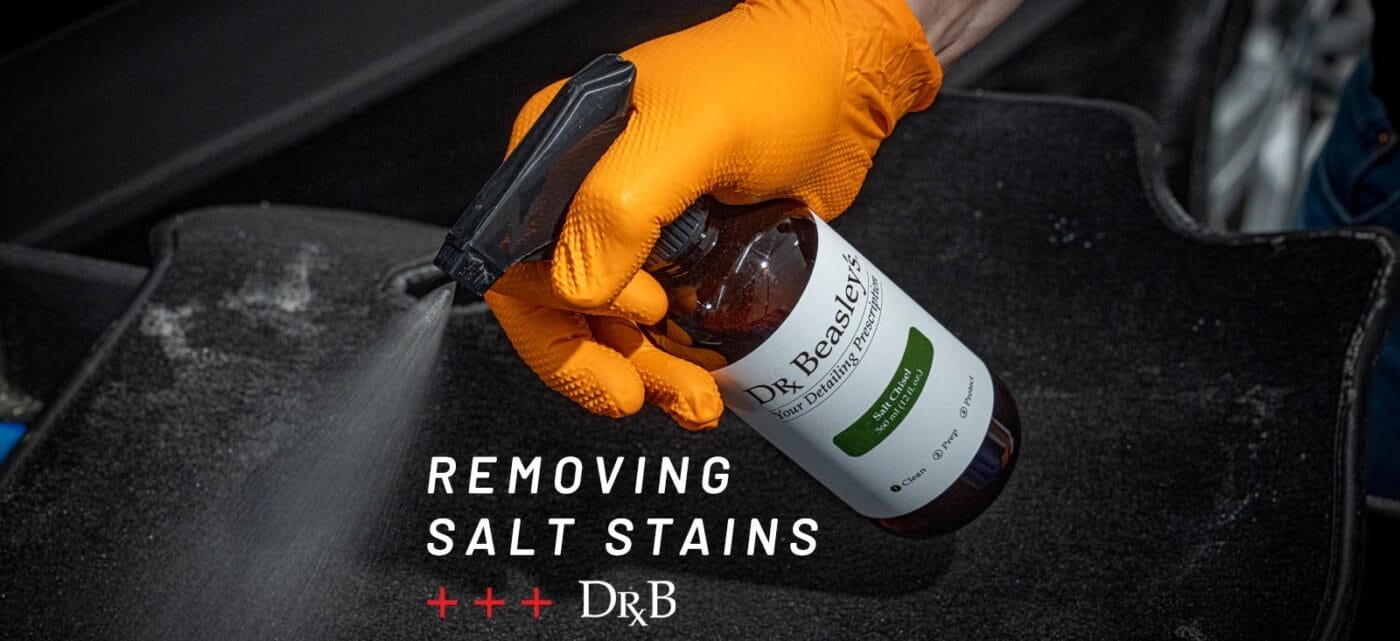
A spray bottle allows even application of the cleaning solution. It helps control the amount of liquid used on mats.
Clean Cloths Or Towels
Use white cloths or towels to avoid color transfer. They help blot and dry the mats without damaging the fibers.
White Vinegar
White vinegar dissolves salt stains effectively. It is a natural and safe cleaning agent for most floor mats.
Warm Water
Warm water mixes well with vinegar for better stain removal. It also helps loosen salt deposits on the mats.
Stiff Brush (optional)
A stiff brush assists in scrubbing heavy salt buildup. Use it gently to avoid harming the mat’s surface.
Vacuum Loose Salt
Removing salt stains from floor mats starts with vacuuming the loose salt. This step clears away the dry salt crystals before any wet cleaning. It prevents salt from embedding deeper into the fibers during cleaning.
Vacuuming also reduces the amount of salt residue that can cause damage over time. A thorough vacuum ensures the cleaning process is more effective and less messy.
Prepare Your Vacuum Cleaner
Use a vacuum with strong suction power. Attach a brush or upholstery tool for gentle cleaning. This avoids damaging the mat’s surface while removing salt.
Vacuum The Entire Mat Surface
Move the vacuum slowly over the floor mat. Cover every section, especially corners and edges. Salt often gathers in these hard-to-reach spots.
Check For Remaining Salt Particles
After vacuuming, inspect the mat closely. Look for any salt crystals left behind. Repeat vacuuming if necessary to remove all loose salt.
Dispose Of Collected Salt Properly
Empty the vacuum canister or bag immediately. Salt can corrode vacuum parts if left inside. Proper disposal keeps your equipment working well.
Prepare Cleaning Solution
Mix equal parts white vinegar and warm water in a bowl or spray bottle. This simple solution helps dissolve salt stains on floor mats. Use it gently to avoid damaging the mat fibers.
Gather Your Ingredients
Start by collecting simple household items. You need white vinegar, warm water, and a clean spray bottle or bowl. These ingredients help break down salt stains effectively.
Mix The Solution
Combine equal parts of white vinegar and warm water. Pour them into the spray bottle or bowl. This mixture is gentle yet strong enough to dissolve salt crystals on mats.
Prepare Your Cleaning Area
Lay your floor mats flat on a clean surface. Ensure the area is well-ventilated. This setup makes cleaning easier and speeds up drying after treatment.
Test The Solution
Apply a small amount of the cleaning solution to a hidden part of the mat. Wait a few minutes to check for any color change or damage. This step prevents surprises after full cleaning.
Apply Solution To Stains
Applying the cleaning solution to salt stains on floor mats requires care. The goal is to dissolve the salt without damaging the mat fibers. Use a gentle approach to keep mats clean and fresh.
Start by preparing your solution of equal parts white vinegar and warm water. This mixture breaks down salt crystals effectively. Avoid over-wetting the mat to prevent mold or mildew growth.
Lightly Spray The Solution On The Stains
Use a spray bottle for even application. Mist the stained areas lightly. The mat should be damp, not soaked. This allows the solution to work without saturating the mat.
Dab The Stains Gently With A Clean Cloth
Take a white cloth or towel to blot the stains. Press gently to lift the salt residue. Avoid rubbing, which can spread the stain or damage fibers.
Let The Solution Sit For A Few Minutes
Allow the vinegar and water mixture to work on the stain. Waiting 5 to 10 minutes is enough. This step helps dissolve salt particles stuck in the fibers.
Repeat As Needed, Then Blot Dry
Check the stain after the first treatment. Repeat spraying and blotting for stubborn spots. Finish by blotting the area with a dry cloth to remove moisture.
Blot Stains Gently
Blotting stains gently is key to removing salt marks from floor mats without damage. This method lifts salt without pushing it deeper into the fibers. Light pressure helps protect the mat’s texture and color. Avoid scrubbing which can wear out the material and spread the stain further.
Use a clean, dry cloth to blot the stain carefully. Start at the edges and move toward the center. This prevents the salt from spreading outside the stained area. Repeat the blotting process with fresh cloth sections to absorb as much moisture as possible.
Prepare Your Cleaning Cloth
Choose a soft, absorbent cloth for blotting. White towels or cloths are best to avoid color transfer. Avoid rough fabrics that can scratch or damage the mat fibers. Clean cloths ensure you do not reintroduce dirt into the stain.
Apply Gentle Pressure
Press lightly on the stain with the cloth. Do not rub or scrub the area. Rubbing can break down the fibers and enlarge the stain. Gentle blotting helps absorb the salt solution and lifts it away gradually.
Work From Edges To Center
Start blotting at the outer edges of the stain. Move slowly toward the center with each blot. This technique prevents the stain from spreading beyond its original area. Containing the stain makes removal easier and more effective.
Repeat Blotting As Needed
Use clean parts of the cloth for each blot. Repeat the blotting process until no more salt transfers to the cloth. This may take several tries. Patience ensures the best results without damaging the mat.
Credit: blog.napacanada.com
Rinse And Dry
After treating salt stains on your floor mats, rinsing and drying are crucial steps. These steps remove leftover salt and cleaning solution. Proper rinsing prevents residue buildup that can attract more dirt. Drying stops moisture damage and mold growth. Follow these simple steps to ensure your mats stay clean and fresh.
Rinse Thoroughly With Clean Water
Use plain water to rinse the treated areas well. Pour water gently over the mats or use a clean cloth soaked in water. Repeat this step several times to lift away dissolved salt and vinegar. Avoid harsh scrubbing as it can harm the mat fibers. Rinse until no soap or vinegar smell remains.
Blot Excess Moisture Carefully
After rinsing, blot the mats with a dry, clean towel. Press firmly to absorb as much water as possible. Do not rub; rubbing can spread moisture and damage fibers. Blotting helps speed up drying and keeps mats in good shape.
Air Dry In A Well-ventilated Space
Place the mats flat in a well-ventilated area to dry. Avoid direct sunlight to prevent fading or warping. Flip the mats occasionally to dry both sides evenly. Ensure mats are completely dry before putting them back to avoid mold and odors.
Repeat For Stubborn Stains
Some salt stains on floor mats resist removal after the first cleaning. These stubborn stains need extra care and patience. Repeat the cleaning process carefully to lift the salt without damaging the mat fibers.
Assess The Stain After First Cleaning
Check the mat to see if the salt stain has faded. Light stains may disappear quickly. Darker stains need another round of treatment. Avoid scrubbing hard as it can ruin the mat’s texture.
Prepare A Fresh Cleaning Solution
Mix equal parts white vinegar and warm water in a spray bottle. Fresh solution works better on tough salt deposits. Vinegar helps dissolve salt and removes residue safely.
Apply Solution And Blot Gently
Spray the vinegar mixture lightly over the stain. Use a clean, white cloth to blot the area softly. Press from the edges toward the center to stop spreading. Avoid rubbing to protect the mat fibers.
Rinse And Dry Thoroughly
Use plain water to rinse the cleaned area gently. Blot with a dry towel to remove moisture. Let the mat air dry completely before using it again. Repeat rinsing if vinegar smell remains.
Final Vacuuming
Final vacuuming is the last step to remove salt stains from floor mats. It ensures all loosened salt and dirt are completely cleared. This step refreshes the mat’s fibers and improves its appearance.
After treating the stains and allowing the mat to dry, vacuuming picks up any remaining residue. It also helps fluff the fibers, making the mat look clean and new. Skipping this step may leave tiny salt particles behind, causing quick re-soiling.
Prepare Your Vacuum Cleaner
Use a vacuum with strong suction for best results. Check that the brush attachment is clean and ready. A clean vacuum avoids spreading dirt back onto the mat.
Vacuum Slowly And Thoroughly
Move the vacuum slowly over the entire mat surface. Cover every corner and edge carefully. Slow movement helps the vacuum pick up more salt particles.
Repeat If Needed
Check the mat after the first pass. Repeat vacuuming if you still see salt or dust. Multiple passes ensure a deeper clean and fresher mat.
Tips To Prevent Salt Stains
Preventing salt stains on floor mats saves time and keeps mats looking fresh. Simple habits reduce salt buildup and staining. Small efforts protect mats from harsh winter salt damage.
Use these tips to keep your floor mats clean and stain-free during cold seasons.
Place Protective Covers On Floor Mats
Use rubber or plastic covers on mats during winter. These covers block salt and moisture from reaching the mat fibers. Easy to clean and reuse, they prevent direct salt contact.
Shake And Clean Mats Regularly
Shake mats outside to remove loose salt and dirt. Frequent cleaning stops salt from settling deep into the mats. A quick shake after each trip outside helps a lot.
Use Salt-resistant Floor Mats
Choose mats made from materials that resist salt absorption. Rubber and heavy-duty vinyl mats handle salt better than fabric ones. They dry faster and are easier to clean.
Wipe Shoes Before Entering
Wipe or brush shoes on a boot tray before stepping onto mats. This reduces the amount of salt brought indoors. Less salt on shoes means fewer stains on mats.
Keep Floor Mats Dry
Dry mats as soon as possible after exposure to salt or moisture. Wet mats attract salt and cause stains to set. Hang mats or place them in a warm spot to air dry quickly.
Alternative Cleaning Methods
Alternative cleaning methods offer simple ways to remove salt stains from floor mats. These methods use common household items. They avoid harsh chemicals and protect your mats.
Using different techniques helps tackle stains gently. Each method suits different types of mats and stain levels.
Vinegar And Water Solution
Mix equal parts white vinegar and warm water in a spray bottle. Spray the solution lightly on the salt stain. Let it sit for 5 to 10 minutes. Blot the area with a clean cloth. Repeat if needed. This method dissolves salt without harming mat fibers.
Baking Soda Paste
Make a paste with baking soda and a little water. Apply it directly on the stain. Let the paste dry for 30 minutes. Brush off the dried paste gently. Baking soda absorbs salt and neutralizes odors. It works well on stubborn stains.
Dish Soap And Warm Water
Add a few drops of mild dish soap to warm water. Dip a clean cloth into the mixture. Dab the stained area gently, avoiding soaking the mat. Rinse with a damp cloth and blot dry. This method cleans salt residues and freshens mats.
Rubbing Alcohol
Pour a small amount of rubbing alcohol on a cloth. Dab the salt stain carefully. Alcohol evaporates quickly, lifting salt crystals. Use this method for quick spot cleaning. Test on a small area first to avoid damage.
Handling Heavy Salt Buildup
Heavy salt buildup on floor mats can cause stubborn stains and damage. These salt deposits often form during winter months from road salt and snow. Removing thick salt layers requires careful steps to protect the mat fibers while restoring cleanliness.
Using the right tools and methods helps dissolve salt without harsh scrubbing. Patience and gentle cleaning prevent further wear. Follow these simple techniques to handle heavy salt buildup effectively.
Gather Necessary Cleaning Supplies
Prepare materials before starting the cleaning process. You will need a vacuum, white vinegar, warm water, a spray bottle, clean cloths, and a stiff brush. These items work together to break down and lift salt deposits.
Vacuum Loose Salt Particles
Begin by vacuuming the mat thoroughly. Remove dry salt crystals and debris from the surface. This step prevents rubbing salt deeper into fibers during cleaning.
Apply Vinegar Solution To Salt Buildup
Mix equal parts white vinegar and warm water in a spray bottle. Lightly spray the solution onto the salt-stained areas. Avoid soaking the mat to prevent damage and slower drying.
Gently Scrub Stubborn Stains
Use a stiff brush to softly scrub areas with heavy salt buildup. Work in small circles to loosen salt without harming the mat fibers. Be gentle to avoid fraying or tearing.
Rinse And Blot Dry
Rinse the treated area with clean water to remove vinegar and dissolved salt. Blot the mat with a dry cloth to absorb moisture. Repeat rinsing and blotting if salt residue remains.
Credit: www.drbeasleys.com
Frequently Asked Questions
How To Get Salt Stains Out Of Floor Mats?
Vacuum floor mats to remove loose salt. Mix equal parts white vinegar and warm water. Lightly spray solution on stains. Blot gently with a clean cloth, avoiding scrubbing. Rinse with plain water and blot dry. Repeat if needed until stains disappear.
How To Clean Salt Stains Off Rugs?
Vacuum loose salt from the rug. Mix equal parts white vinegar and warm water. Lightly spray the stain, blot gently, then rinse with plain water. Repeat if needed. Let the rug dry completely and vacuum again to restore fibers. Avoid harsh scrubbing to prevent damage.
What Dissolves Salt Stains?
White vinegar mixed with warm water dissolves salt stains effectively. Apply, blot gently, rinse with plain water, and dry. Repeat if needed.
How To Get Rid Of Salt Off Doormat?
Vacuum loose salt from the doormat. Mix equal parts white vinegar and warm water. Lightly spray the stain and blot gently. Rinse with plain water and blot dry. Repeat if needed. Let the mat dry completely before use.
Conclusion
Salt stains on floor mats do not have to stay forever. Use simple steps with vinegar and water. Always blot gently to protect the mat fibers. Rinse well to remove vinegar and salt residue. Repeat the process for tougher stains.
Dry mats completely before using them again. Clean mats keep your car or home looking fresh. Regular care prevents salt damage over time. Small efforts make a big difference in mat cleanliness. Keep these tips handy for winter salt stains.