
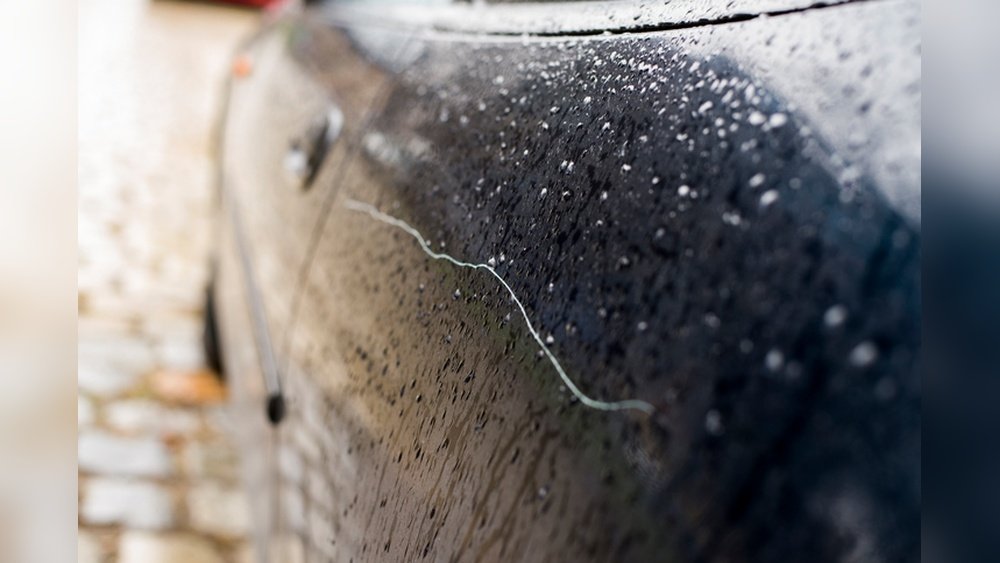
Have you ever wondered whether your car’s paint is hard or soft? Knowing this can make a big difference when it comes to caring for your vehicle’s finish.
The right approach can protect your car and keep it looking great, while the wrong one might cause damage without you even realizing it. You’ll learn simple ways to tell if your car has hard or soft paint. By understanding this, you’ll be able to choose the best products and techniques to maintain your car’s shine and value.
Keep reading—you’re about to discover tips that every car owner should know!
Identifying Paint Types
Knowing the type of paint on your car helps in proper care and maintenance. Identifying paint types involves checking physical traits and decoding paint information. This process helps you avoid damage during washing or polishing. Below are key methods to identify if your car has hard or soft paint.
Common Paint Characteristics
Hard paint feels firm and resists scratches well. It usually has a smooth, glossy finish. Soft paint feels softer to touch and can scratch easily. It might look dull or have slight texture. Soft paint needs gentle cleaning methods to avoid swirl marks.
Paint Code Locations
Car manufacturers place paint codes on stickers or plates. The driver’s side door jamb is the most common spot. Check under the hood on the firewall or near the strut tower. Some cars have codes in the glove box or inside the trunk. Look for labels with “EXT PNT” or “COLOR” for paint details.
Reading Paint Codes
Paint codes are usually a mix of letters and numbers. These codes match specific colors and finishes used by the factory. You can look up the code online or in your car manual. This helps you find out if the paint is hard or soft. Knowing the code guides you in buying the right products for your car.
Testing Paint Hardness
Testing paint hardness reveals how durable a car’s paint is. This test helps decide the right care and products for your car. The process is simple and needs close observation. It avoids damage and keeps the paint looking fresh longer.
Performing A Test Spot
Pick a small, hidden area on the car for testing. Clean the spot gently to remove dirt. Use a polishing pad with a mild polish or compound. Rub lightly and watch the reaction. Soft paint will show quick shine and polish easily. Hard paint resists polish and stays dull longer.
Observing Swirls And Scratches
Swirls appear as circular marks on the paint surface. Soft paint shows more swirls after washing or drying. Hard paint holds better and shows fewer marks. Look closely under bright light or sunlight. Small scratches also indicate paint softness. More scratches mean softer paint that needs gentle care.
Tools For Testing
Use a paint depth gauge to measure thickness. A hardness tester can check paint resistance. Polishing pads and mild compounds help test polishability. A bright flashlight reveals swirls and scratches. These tools make the test accurate and safe for your car.
Soft Paint Features
Soft paint on cars feels smooth and has a slight give when pressed. It is more flexible than hard paint. This flexibility helps the paint absorb small impacts without cracking. The surface often looks glossy and rich. Soft paint can be easier to polish but requires careful care to avoid damage.
Knowing if a car has soft paint helps in choosing the right cleaning and polishing methods. It also guides how to protect the car’s finish for a long time.
Typical Manufacturers
Many Japanese brands use soft paint. Toyota and Lexus often apply soft paint to their cars. Honda and Acura are also known for soft paint finishes. Porsche uses soft paint on many models. These brands focus on smooth, flexible coatings that enhance shine and protection.
Pros And Cons
Soft paint shines brightly and feels smooth to the touch. It hides minor scratches well. Soft paint is easier to polish and buff. It allows for a better finish with less effort.
Soft paint can be more prone to swirl marks. It may wear faster if not cared for properly. Scratches might show if the paint gets too thin. Soft paint needs gentle handling during washing and polishing.
Care Tips
Use soft microfiber cloths to clean the car’s surface. Avoid harsh chemicals that can damage soft paint. Wash the car regularly to remove dirt and grime. Use gentle polishers or hand polish to maintain shine.
Apply wax or sealant to protect the paint. Avoid aggressive buffing or sanding. Always test polish products on a small area first. Proper care keeps soft paint looking fresh and smooth.
Hard Paint Features
Hard paint on cars offers a solid and durable finish. It usually feels firm and resists scratches better than soft paint. This type of paint has a higher amount of hardeners or clear coat layers. It helps protect the car’s surface against weather and minor damages.
Recognizing hard paint can help in choosing the right care products. It also affects how you polish or wax your car. Understanding its features is key to keeping your vehicle looking great for longer.
Typical Manufacturers
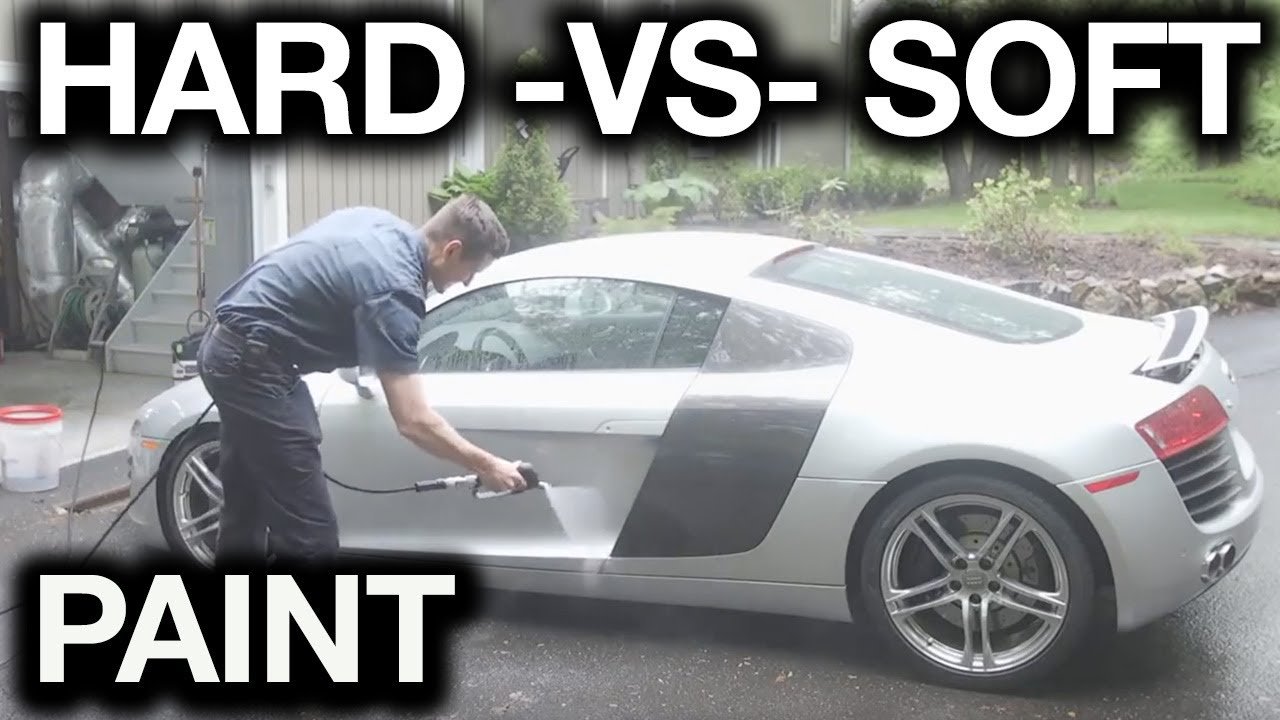
Car brands known for hard paint include Audi, BMW, and Mercedes. These manufacturers focus on durability and a glossy finish. Lamborghini and Ferrari also use hard paint for better protection. Volkswagen often applies hard paint to enhance the car’s lifespan. Such brands aim for a finish that lasts under tough conditions.
Pros And Cons
Hard paint resists scratches and stains well. It keeps the car looking newer for a longer time. The clear coat is thicker, offering strong protection. On the downside, hard paint can be harder to polish. It may require more effort and special products. Repairing chips or damage may also cost more due to the paint’s hardness.
Care Tips
Use gentle, non-abrasive cleaners to avoid damaging the surface. Regular washing helps remove dirt that can scratch hard paint. Apply wax or sealant to add an extra protective layer. Avoid harsh polishing compounds that can wear down the clear coat. Always follow the manufacturer’s care instructions for best results.
Paint Polishing Choices
Choosing the right paint polishing method depends on the hardness of the car’s paint. Soft paint needs gentle care to avoid damage. Hard paint allows for more aggressive polishing techniques. Understanding the paint type helps select the correct products and tools. This section explains which products suit soft and hard paints and how to protect the car’s finish during polishing.
Suitable Products For Soft Paint
Soft paint requires mild polishing products with fine abrasives. Use polishing compounds designed for delicate finishes. Avoid harsh compounds that can quickly wear through the paint. Microfiber pads work well to apply polish without scratching. Liquid polishes with gentle formulas help maintain shine safely. Always start with the least abrasive product to test the paint response.
Suitable Products For Hard Paint
Hard paint can handle stronger polishing compounds and heavier cutting. Use polishes with medium abrasives to remove deeper scratches. Foam or wool pads improve cutting power on hard surfaces. Machine polishers work better with hard paint for faster results. Some hard paints respond well to multi-step polishing for a perfect finish. Always check product labels for compatibility with hard paint.
Avoiding Damage
Polishing can harm paint if done incorrectly. Test a small area before full polishing to check paint reaction. Avoid applying too much pressure during polishing. Use clean, soft pads to prevent swirl marks. Do not polish under direct sunlight or on hot surfaces. Follow manufacturer instructions carefully for all products. Regular inspection after polishing helps catch any damage early.

Credit: ieabp.com
Paint Cleaners And Their Effects
Paint cleaners play a key role in maintaining your car’s finish. They help remove dirt, grime, and other unwanted substances from the surface. Understanding how these cleaners affect hard or soft paint is important. Different paints react differently to cleaning products. Using the right cleaner can protect your car’s look and shine. Using the wrong one may cause damage or dullness. Let’s explore how paint cleaners work and their effects on car paint.
Breaking Down Contaminants
Paint cleaners break down contaminants like dirt, oils, and road grime. They dissolve these substances to lift them from the paint surface. This process helps restore the paint’s natural gloss and smoothness. Some cleaners contain mild abrasives to remove stubborn deposits. Choosing a cleaner designed for your paint type ensures gentle yet effective cleaning. This step prepares the paint for polishing or waxing.
Removing Paint Transfer
Paint transfer happens when paint from another object sticks to your car. Cleaners can help remove this unwanted paint. Specialized formulas soften the transferred paint without harming the original surface. Light rubbing with the cleaner lifts the transfer away. It takes patience to avoid scratching or dulling the finish. Soft paint may require extra care to prevent damage during this process.
Risks To Clear Coat
Clear coat protects the paint beneath. Some cleaners can harm this layer if too harsh. Abrasive or acidic cleaners may cause scratches or cloudiness. Overuse can wear down the clear coat, leading to dull or faded paint. It is best to test cleaners on a small area first. Use gentle products designed for automotive paint to keep the clear coat safe. Protecting this layer preserves the car’s shine and paint life.
Best Practices For Paint Care
Proper care keeps your car’s paint looking fresh and shiny. Knowing if your paint is hard or soft helps choose the right products. Soft paint needs gentle treatment to avoid damage. Hard paint can handle more aggressive care. Follow these best practices to protect your car’s finish and maintain its value.
Testing Before Use
Always test new products on a small, hidden area first. This shows how the paint reacts. Watch for any dulling or staining. Testing avoids costly damage to your car’s finish. Use a microfiber cloth to apply the product gently. Wait for a few minutes before wiping it off. If the paint feels rough or sticky, do not proceed with that product.
Reapplying Wax Or Sealant
Reapply wax or sealant every few months for ongoing protection. Clean the surface thoroughly before applying. Use a soft applicator pad to spread the product evenly. Let the wax or sealant dry as instructed, then buff with a clean cloth. This layers protection and enhances shine. Avoid thick layers; they can cause buildup and dullness. Regular reapplication keeps paint safe from UV rays and dirt.
When To Avoid Certain Products
Avoid abrasive cleaners on soft paint; they can cause scratches. Steer clear of harsh solvents or acid-based cleaners. These harm both hard and soft finishes. Do not use aggressive polishers without knowing your paint type. Skip automatic car washes with stiff brushes; they often damage soft paint. Choose pH-neutral, paint-safe products to keep your surface smooth. Always read product labels and manufacturer advice before use.
Credit: www.youtube.com
Credit: www.youtube.com
Frequently Asked Questions
How To Tell If Car Paint Is Hard Or Soft?
Test a small area by polishing lightly; soft paint feels smoother and polishes faster. Hard paint resists polishing and feels tougher to touch. Experience helps distinguish, but a test spot is the best method to tell if car paint is hard or soft.
How Do I Tell What Kind Of Paint Is On My Car?
Check your car’s paint code on the driver’s door jamb, under the hood, or in the glove box. Use the code or VIN to identify the paint type. Hard paints are common on Audi and BMW; soft paints appear on Toyota and Honda.
Test paint hardness by polishing a small area.
What Vehicles Have Soft Paint?
Soft paint is common on vehicles from Honda, Acura, Toyota, Lexus, and Porsche. These Japanese and some European brands often use softer clear coats.
What Will Wd-40 Do To Car Paint?
WD-40 removes contaminants like sap and tar from car paint but can strip wax and attract dirt. Test first on a small spot. Avoid frequent use to prevent clear coat damage and always re-wax after application for protection.
Conclusion
Knowing how to tell if a car has hard or soft paint helps with proper care. Hard paint feels firm and resists scratches better. Soft paint is smoother but can scratch easily. Test by gently rubbing a small area or using a polishing product.
Different brands use different paint types, so check your car’s make. Proper care extends your car’s shine and protects the finish. Remember, simple tests and observation give you the best clues. Take your time and treat your car’s paint right for lasting beauty.














