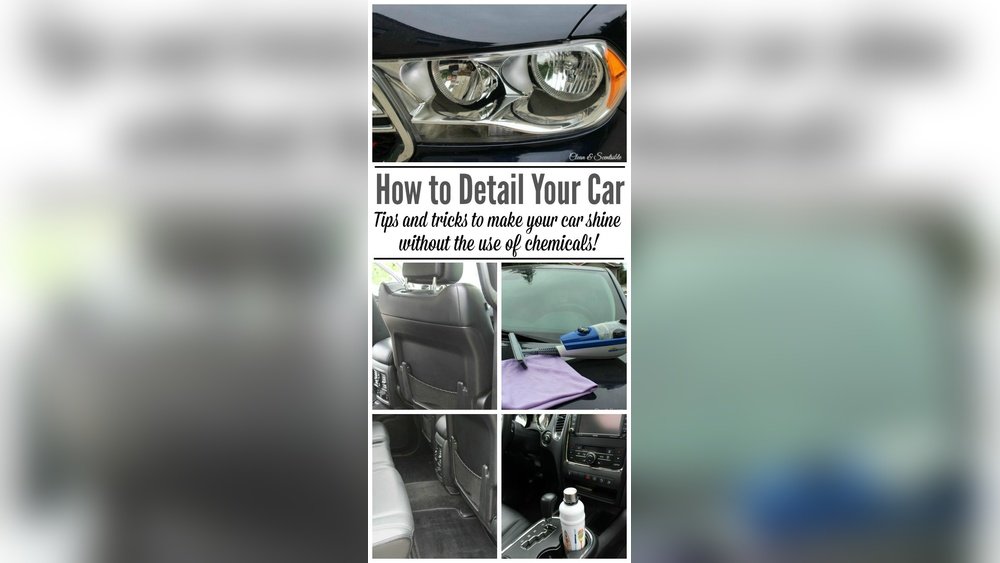
You just got your new car, and it looks amazing right off the lot. But did you know that detailing your new car properly can keep that fresh-from-the-dealership shine for months?
Detailing isn’t just about making your car look good—it’s about protecting the paint, removing factory residues, and preserving your investment. If you want your car to turn heads everywhere you go, you need to know the right steps to detail it like a pro.
In this guide, you’ll learn exactly how to clean, protect, and maintain your new car inside and out. Keep reading, and discover simple tips that will save you time and give your car a flawless finish that lasts.
Why Detail A New Car
Detailing a new car is more than just keeping it clean. It helps keep the car looking fresh and protects its value. New cars often have tiny particles and residues from the factory. These can harm the paint if left alone. Early care can stop damage and keep your car shining longer. Proper detailing also makes the car look its best right from the start.
Remove Factory Residues
New cars come with residues from the factory. These include oils, adhesives, and dust from transport. These substances stick to the paint surface. Removing them is important to prevent damage. A good detail clears these residues safely. This step creates a clean surface for further protection.
Protect Paint Early
Paint protection starts with your new car. Dealership waxes are often thin and short-lived. Applying a quality sealant or wax early adds a strong layer. This shield guards against sun, dirt, and water spots. Protecting paint now saves costly repairs later. It keeps the car’s color bright and clear.
Enhance Appearance
Detailing improves the car’s look instantly. Cleaning removes dullness and spots. Polishing smooths the surface and boosts shine. A detailed car looks smooth and glossy. This fresh look makes your new car stand out. It keeps the car looking like new for years.
Preparing For Detailing
Preparing your new car for detailing sets the foundation for a perfect finish. Proper preparation ensures every step of the process goes smoothly. It helps protect your car’s delicate surfaces and makes cleaning easier.
Taking time to prepare also prevents damage to the paint and interior. Follow these key steps before you start detailing your new vehicle.
Gathering Tools And Products
Collect all necessary tools before starting. Include microfiber towels, wash mitts, and buckets. Use pH-neutral car shampoo to avoid paint damage. Pick clay bars and iron removers for decontamination. Have polish and wax or sealant ready for paint protection. Don’t forget vacuum cleaners and interior cleaners for inside your car.
Choosing The Right Environment
Find a shaded area to detail your car. Direct sunlight can cause water spots and streaks. Choose a clean, dust-free spot to avoid dirt settling on wet surfaces. Ensure good ventilation if working indoors. A flat, smooth surface prevents accidents and protects your vehicle.
Safety Precautions
Wear gloves to protect your skin from chemicals. Use eye protection if applying sprays or polishes. Keep all products out of reach of children and pets. Avoid inhaling fumes by working in fresh air. Read product labels carefully and follow instructions exactly.
Exterior Cleaning Steps
Cleaning the exterior of your new car is the first step in detailing. This process removes dirt, brake dust, and factory residues. A clean exterior sets the stage for protection and shine. Follow these steps to keep your car looking fresh and new.
Wheels And Tires First
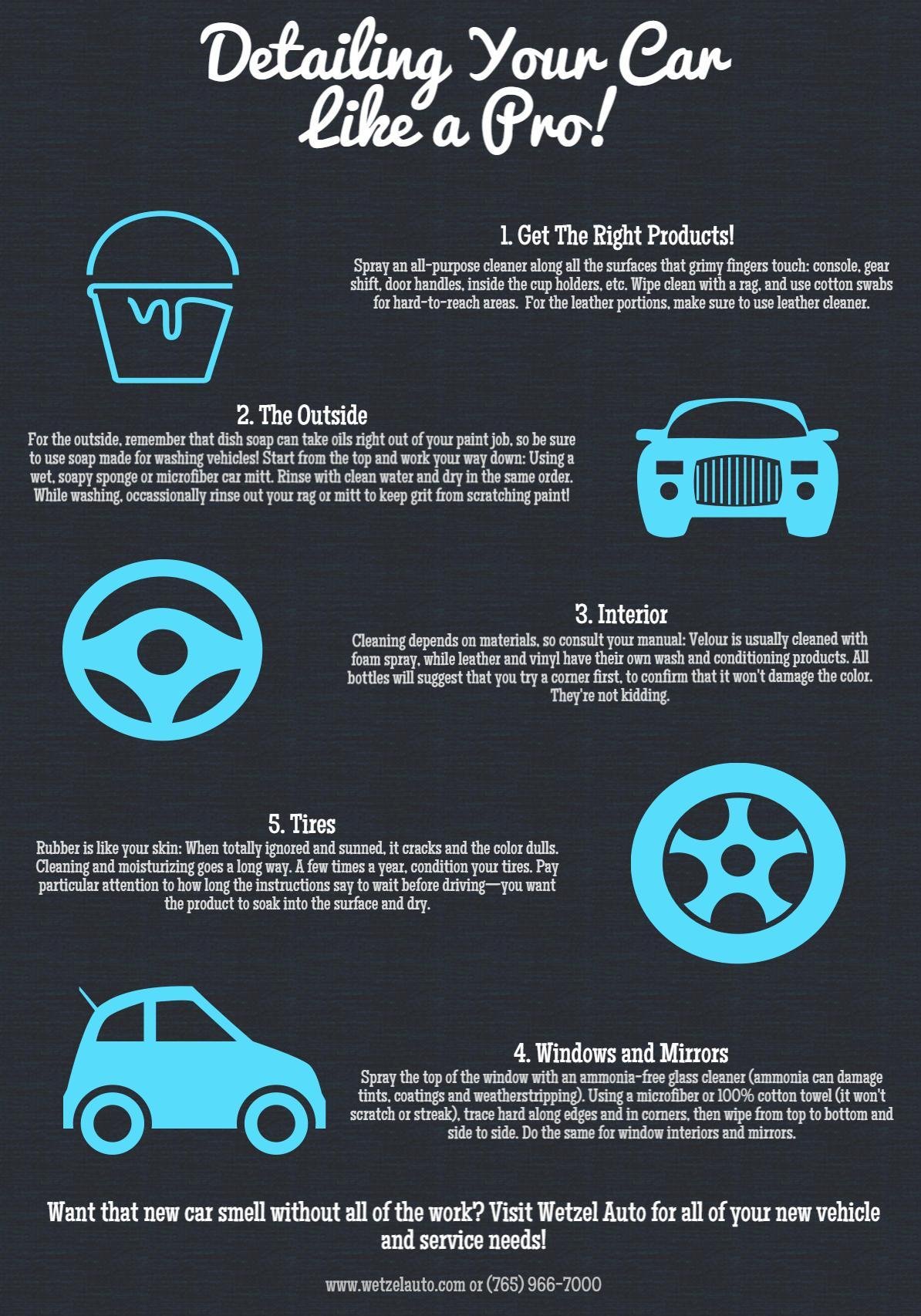
Start with the wheels and tires. They hold the most dirt and brake dust. Use a dedicated wheel cleaner that is safe for your rims. Spray it on and let it sit briefly. Use a brush to scrub away grime. Rinse thoroughly with water. Clean tires with a tire cleaner or soap. This prevents dirt from splashing on the clean car body later.
Pre-wash And Snow Foam
Next, apply snow foam to your car’s body. This step loosens dirt without scrubbing. Spray foam evenly over the entire exterior. Let it sit for a few minutes to break down grime. Rinse with water from top to bottom. This pre-wash reduces swirl marks during hand washing.
Two-bucket Washing Method
Fill two buckets with water and car shampoo. Use one bucket for soapy water. Use the other for rinsing your wash mitt. Dip the mitt in the soapy water. Wash the car in sections, starting from the top. Rinse the mitt in the clean water bucket before re-soaping. This method reduces dirt scratches and keeps paint safe.
Credit: www.wetzelauto.com
Paint Decontamination
Paint decontamination is a key step in detailing your new car. It removes tiny particles and residues that washing alone can’t clear. These contaminants stick to the paint and cause dullness or damage over time. Proper decontamination keeps your car’s finish smooth and shiny. It prepares the surface for wax or sealant, helping protection last longer.
Iron Remover Application
Iron particles from brake dust or industrial fallout bond to your car’s paint. These particles are hard to see but harm the finish. Use an iron remover spray to dissolve these contaminants. Spray it evenly on cool paint and wait a few minutes. You will notice purple or red spots as it works. Rinse thoroughly with water to remove all residues.
Tar And Glue Spot Removal
Tar and glue spots stick strongly to the paint surface. They appear as black or sticky marks. Use a tar remover product designed for cars. Apply it gently with a microfiber cloth on affected areas. Let it sit for a short time to soften the spots. Wipe carefully to avoid scratching, then wash the area with soap and water.
Clay Bar Treatment
A clay bar removes fine particles that still cling to the paint. It glides over the surface and picks up embedded dirt. Spray a clay lubricant on one small section. Rub the clay bar gently back and forth until the paint feels smooth. Fold the clay often to expose a clean side. After claying, rinse and dry the car before applying wax or sealant.
Paint Correction Techniques
Paint correction techniques play a key role in detailing a new car. These methods remove imperfections and restore the paint’s smoothness. The goal is to enhance the car’s shine and protect the surface from future damage. A careful approach keeps the paint looking fresh and vibrant without causing harm.
Assessing Paint Condition
Begin by inspecting the paint under good light. Look for scratches, swirl marks, or dull areas. Use your hand to feel for rough spots. This helps identify where correction is needed most. Understanding the paint’s condition guides your polishing steps.
Light Polishing
Choose a mild polish for new cars. Apply a small amount to a foam applicator or pad. Work in small sections using gentle pressure and circular motions. This removes minor defects and smooths the surface. Avoid aggressive polishing to protect the clear coat.
Using Finishing Pads
Finish the correction with a soft finishing pad. These pads refine the paint and boost gloss. Attach the pad to a dual-action polisher or use by hand. Use light pressure and slow speed for the best results. This step enhances shine and leaves a flawless finish.
Applying Paint Protection
Applying paint protection is a key step in detailing your new car. It helps keep the paint shiny and safe from damage. Protecting the paint extends the car’s beauty and value. Choosing the right product depends on your needs and budget. Below are common options to consider for paint protection.
Wax Options
Wax is a traditional choice for paint protection. It adds a glossy finish and repels water. Carnauba wax gives a deep shine but lasts a few weeks only. Synthetic waxes last longer and are easier to apply. Wax is affordable and simple to use for beginners. Regular waxing keeps your car looking fresh and clean.
Sealants And Their Benefits
Sealants are synthetic products that protect paint longer than wax. They form a hard, durable layer on the paint surface. Sealants resist dirt, UV rays, and light scratches well. Application is easy and can last several months. Sealants give a shiny, smooth finish that enhances your car’s look.
Ceramic Coatings Explained
Ceramic coatings create a strong, long-lasting shield for your paint. They bond with the paint at a molecular level. This protection lasts years and resists chemicals, scratches, and UV damage. Ceramic coatings offer a very glossy, wet-look finish. Professional application is recommended for best results.
Drying And Finishing Exterior
Drying and finishing your new car’s exterior is a key step to keep it spotless. Proper drying prevents water spots and streaks on the paint. Finishing touches add shine and protect the surface from dirt and damage.
Use soft materials and careful methods to avoid scratching the paint. Each detail helps maintain the fresh look of your new car.
Microfiber Towels And Air Dryers
Microfiber towels are soft and absorbent, perfect for drying your car’s surface. Use clean towels to gently blot or wipe water off the paint. Avoid circular motions to reduce swirl marks.
Air dryers blow water from hard-to-reach areas like mirrors and grilles. They help prevent water spots in tight spaces. Combine air drying with towels for best results.
Tire Dressing Application
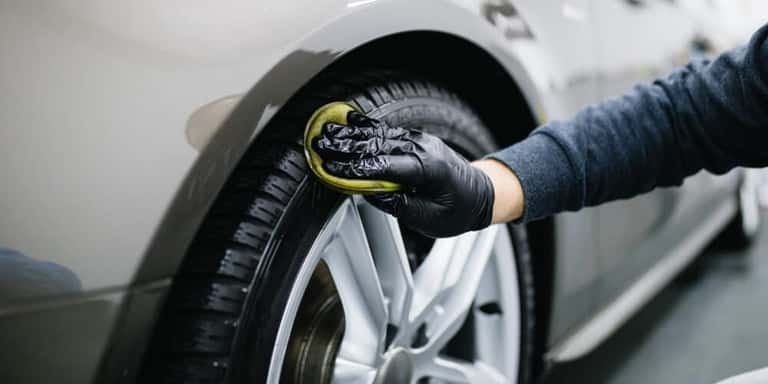
Tire dressing keeps your tires looking black and fresh. Apply a small amount evenly with a sponge or applicator pad. Avoid getting dressing on the paint or wheel rims.
This step adds a polished look to your tires and protects rubber from cracking due to sun exposure.
Glass Cleaning Tips
Clean glass improves visibility and overall car appearance. Use a glass cleaner made for automotive windows. Spray cleaner on a microfiber cloth, not directly on the glass, to avoid drips.
Wipe in straight lines to remove dirt and streaks. For inside windows, use a dry cloth to finish and remove any remaining marks.
Credit: www.bishopgmccadillac.com
Interior Detailing Process
The interior detailing process is key to keeping your new car fresh and clean. It involves more than just wiping surfaces. A detailed interior looks great and helps maintain the car’s value. This process removes dust, dirt, and grime from every corner inside your vehicle.
Start with removing trash and mats. Then dust and blow out hard-to-reach spots. Next, vacuum every surface carefully. Finally, clean all surfaces and glass for a spotless finish.
Removing Trash And Mats
First, clear out all trash and clutter inside the car. Check under seats and in door pockets. Take out floor mats and shake them well. This step makes it easier to clean the floor and carpets.
Dusting And Compressed Air Use
Use a soft cloth to dust all surfaces gently. Don’t miss vents, dashboard, and console areas. Compressed air helps blow dust from tight spaces. This method cleans vents, seams, and crevices where dust hides.
Vacuuming Thoroughly
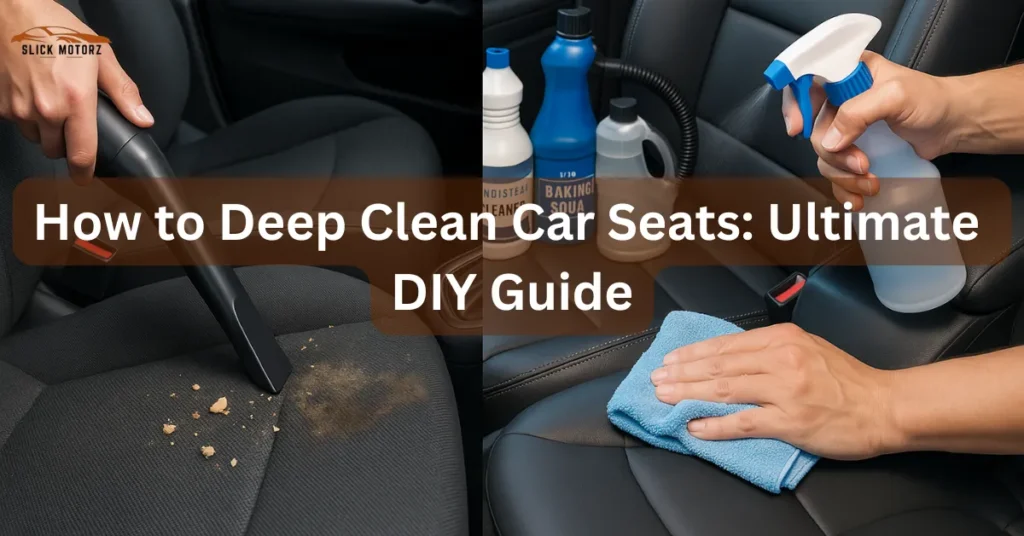
Vacuum the seats, carpets, and floor mats carefully. Use a brush attachment for better dirt removal. Pay attention to corners and under seats. Vacuuming removes loose dirt and small particles effectively.
Cleaning Surfaces And Glass
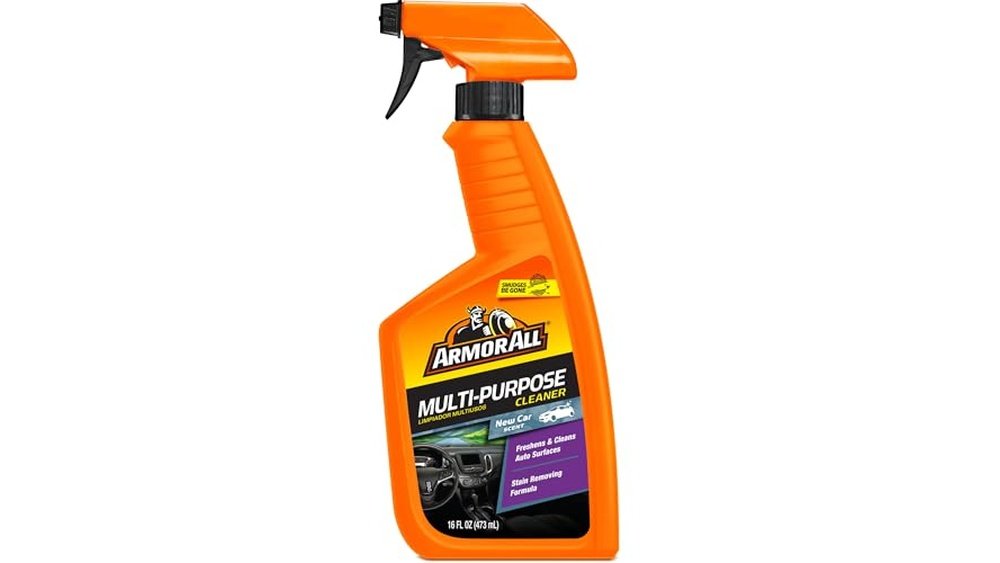
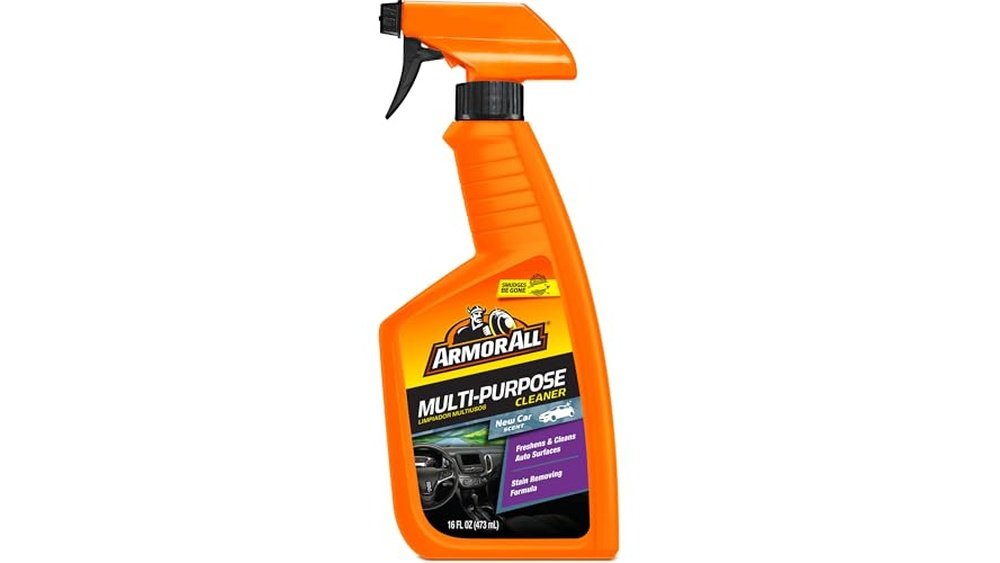
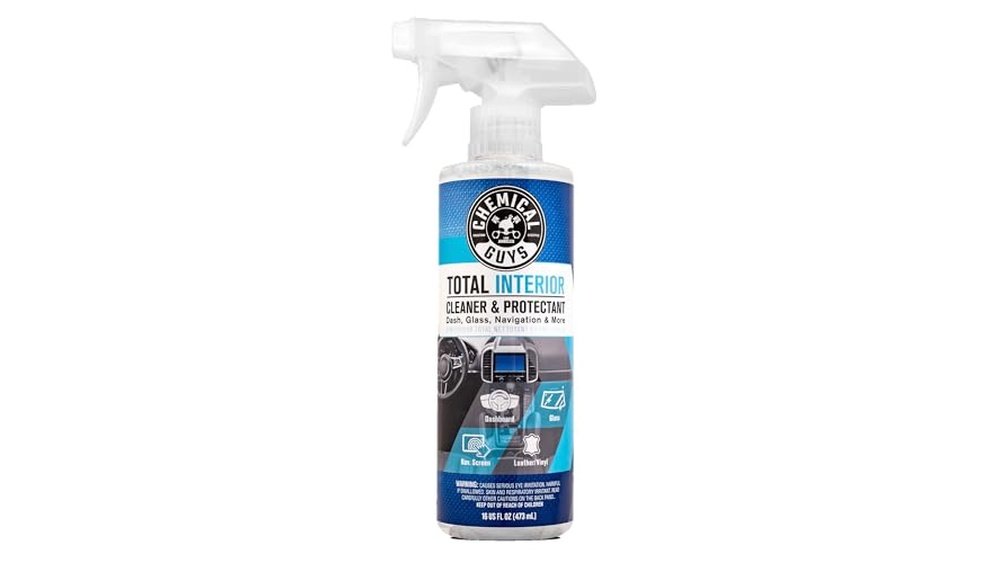
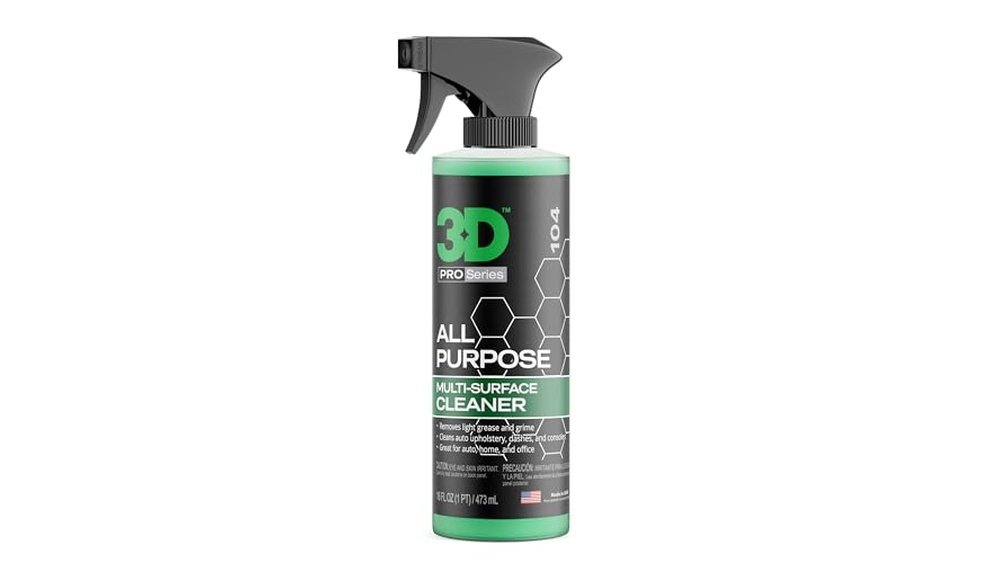
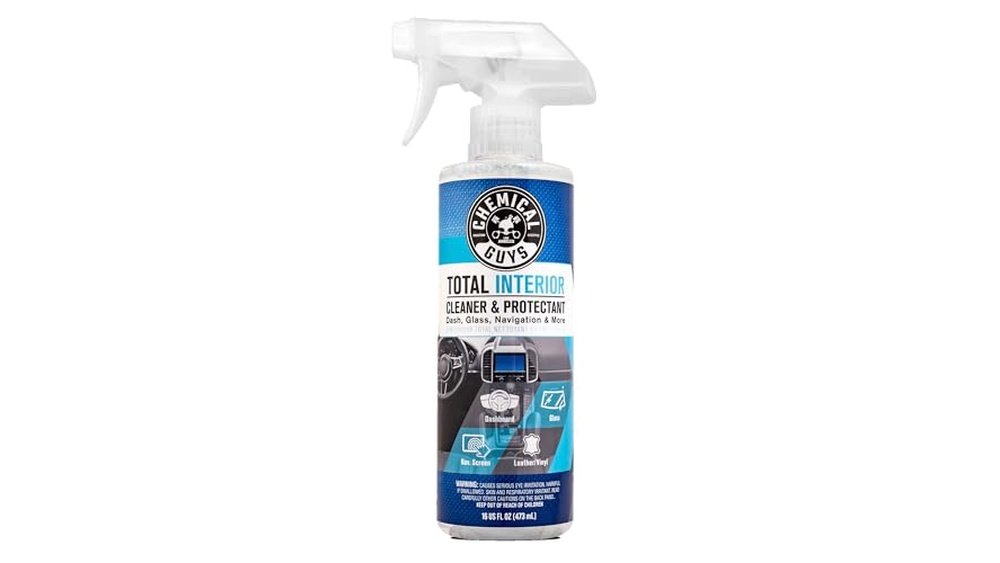
Wipe down the dashboard, door panels, and center console with a mild cleaner. Use a microfiber cloth to avoid scratches. Clean inside windows and mirrors with a glass cleaner. This step leaves the interior shiny and clear.
Maintenance Tips For Shine
Keeping your new car shiny requires regular care and smart habits. Shine fades without proper maintenance. Dirt, dust, and sunlight can dull the paint fast. Follow these simple tips to keep the fresh, glossy look longer. Proper care protects your investment and makes driving more enjoyable.
Regular Washing Techniques
Wash your car often to remove dirt and grime. Use a gentle, pH-neutral shampoo to avoid damaging the paint. Start cleaning from the top and work down to prevent spreading dirt. Rinse thoroughly with clean water to remove all soap. Dry with a soft microfiber towel to stop water spots. Use the two-bucket method—one for soap, one for rinsing—to reduce scratches.
Quick Touch-up Methods
Keep a spray detailer handy for fast cleanups. Use it to remove light dust or fingerprints between washes. This helps maintain a smooth, reflective surface. A quick wipe with a clean microfiber cloth restores shine instantly. Avoid harsh chemicals that could harm your paint or clear coat. Regular touch-ups prevent buildup that dulls your car’s finish.
Protecting Interior Materials
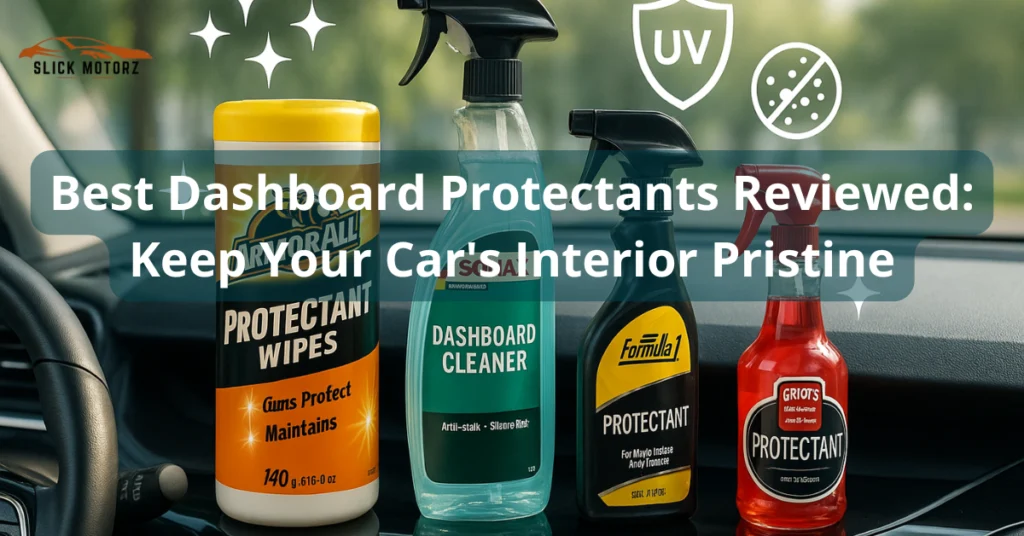
Protect the inside of your car to keep it fresh and new. Clean surfaces with gentle cleaners safe for leather, vinyl, or fabric. Use a soft cloth to avoid scratches. Condition leather seats to prevent cracking and fading. Keep the dashboard and panels dust-free with a microfiber cloth. Avoid harsh sunlight by parking in shaded areas or using sunshades. These steps maintain the interior’s look and value.
Common Mistakes To Avoid
Detailing a new car is exciting but easy mistakes can harm your vehicle’s finish. Avoid common errors to keep the shine and protect your investment. Careful attention to each step ensures a flawless result and long-lasting protection.
Using Harsh Chemicals
Harsh chemicals can damage your car’s paint and trim. Always choose pH-neutral cleaners made for vehicles. Strong acids or alkalis strip protective coatings and cause fading. Gentle products clean effectively without harming surfaces.
Skipping Drying Steps
Never skip drying after washing. Water spots form when droplets dry on the paint. Use a soft microfiber towel to pat the surface dry. Drying prevents mineral deposits and streaks that dull the shine.
Overlooking Interior Details
Focusing only on the outside ignores important interior care. Dust, crumbs, and stains reduce comfort and value. Vacuum seats and carpets thoroughly. Clean dashboard, vents, and door panels with suitable cleaners. Small details make a big difference.

Credit: www.drbeasleys.com
Frequently Asked Questions
How To Detail A Brand New Car?
Start by washing wheels and tires with dedicated cleaners. Use pH-neutral soap for a two-bucket wash, top-down. Remove contaminants with iron remover and clay bar if needed. Lightly polish paint for gloss. Apply wax, sealant, or ceramic coating for protection.
Clean interior by dusting, vacuuming, and dressing surfaces. Finish with glass cleaning and tire dressing.
Does A New Car Need Detailing?
Yes, new cars need detailing to remove factory residues and protect paint immediately. Detailing ensures lasting shine and protection.
What Is The Correct Order To Detail A Car?
Start by cleaning the interior: dust, vacuum, and dress surfaces. Next, clean tires, wheels, and engine. Wash the exterior top-down, decontaminate paint, polish if needed, then apply protection. Finish by drying, dressing tires, and cleaning glass. Always use proper tools and products.
Is $200 Too Much For A Car Detail?
$200 for a car detail is reasonable if it includes thorough cleaning, paint correction, and protective treatments. Prices vary by service quality and location.
Conclusion
Detailing your new car keeps it looking fresh and protects its value. Start with a clean surface using gentle products and methods. Pay attention to wheels, paint, and interior for the best results. Regular care prevents damage and maintains the showroom shine.
Take your time and enjoy the process. Your car will thank you with a lasting, bright finish.