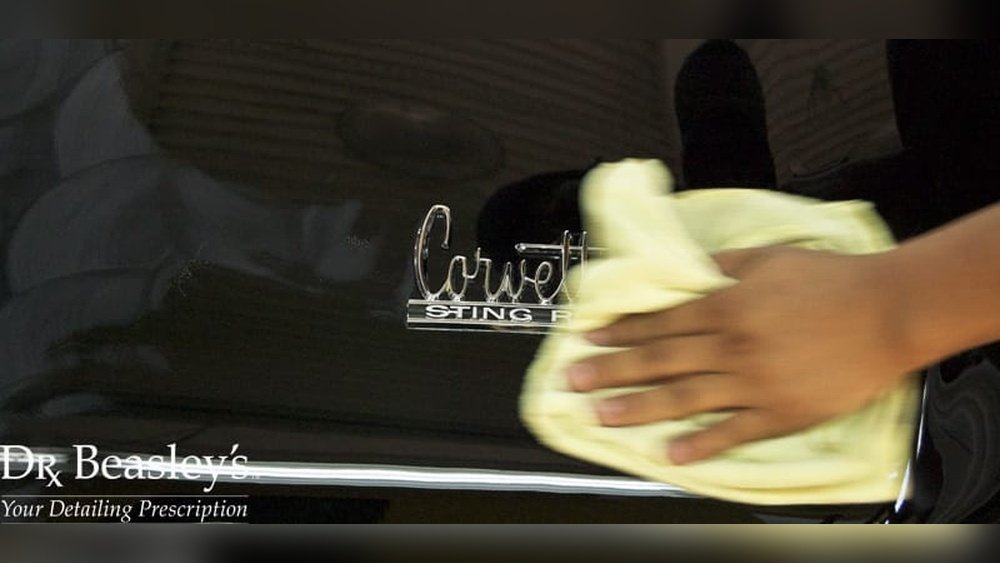
You care about your car—it’s more than just a ride; it’s a reflection of you. But have you ever stopped to think about how waxing can make a real difference?
Waxing your car isn’t just about making it shine; it’s about protecting your investment and keeping your vehicle looking its best for years to come. Imagine driving a car that turns heads with its glossy finish, while also knowing its paint is shielded from harmful elements.
Ready to discover the top reasons why waxing should be a key part of your car care routine? Keep reading, because what you learn here could save you time, money, and a lot of frustration down the road.
Protect Paint From Uv Damage
Protecting your car’s paint from UV damage is vital for keeping its color bright. The sun’s ultraviolet rays cause paint to fade and lose shine. Over time, this damage can make your car look old and worn out.
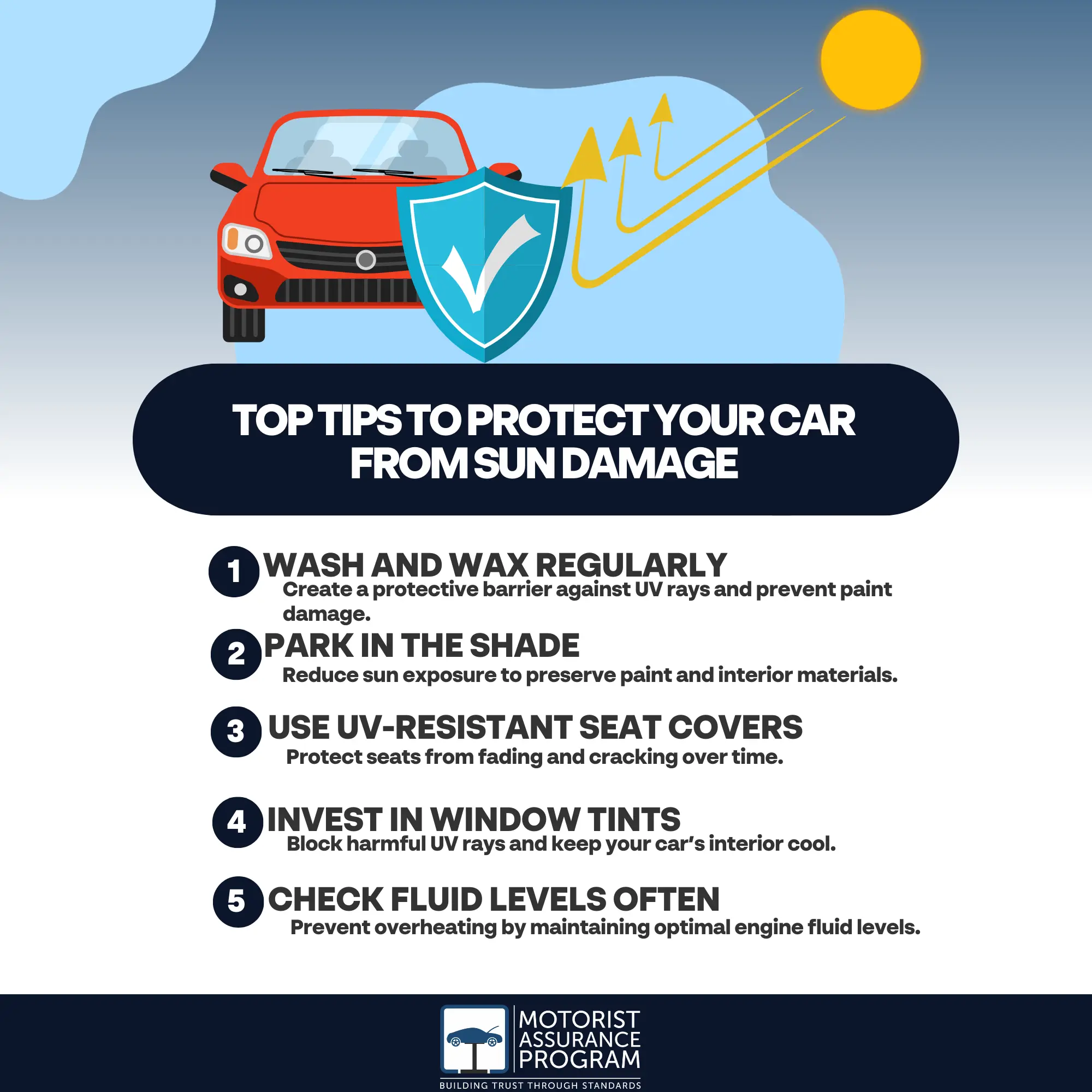
Waxing your car creates a shield that blocks these harmful rays. This layer prevents the paint from oxidizing and fading. It also helps maintain the car’s fresh, glossy look for longer.
How Wax Blocks Harmful Uv Rays
Car wax forms a thin, protective film on your paint surface. This film absorbs and reflects UV rays. It stops the rays from reaching the paint directly. Without waxing, UV rays break down the paint’s color molecules quickly.
Wax Preserves Your Car’s Shine
Sun damage dulls your car’s finish. Wax keeps the paint smooth and reflective. It fills tiny scratches and imperfections. This helps the surface reflect light evenly, keeping the car shiny.
Prevents Paint Oxidation
Oxidation happens when paint reacts with oxygen and sunlight. It causes a chalky, faded look. Wax slows down this chemical reaction by protecting the paint’s surface. It keeps the color vibrant and fresh.
Extends Paint Life
Regular waxing slows paint wear from sun exposure. This means your car needs fewer repairs or repainting jobs. Wax protects your investment by keeping the paint strong over time.
Simple Step For Long-term Protection
Waxing your car is a quick and easy way to guard against UV damage. It adds value and beauty to your vehicle. A well-waxed car looks newer and stays protected under the sun.
Shield Against Dirt And Contaminants
Waxing your car creates a strong shield against dirt and contaminants. This protective layer keeps your car’s paint safe from harmful particles. Dirt, dust, and grime find it hard to stick to a waxed surface. This makes your car easier to clean and maintain.
Contaminants like bird droppings, tree sap, and road salt can damage your car’s paint. Wax acts as a barrier to block these substances. It prevents them from eating into the paint and causing stains or corrosion. Without waxing, these contaminants can cause permanent damage.
Blocks Harmful Particles
Wax seals the paint with a smooth, protective coat. This coat stops dirt and dust from settling deeply. It reduces scratches caused by rubbing dirt during washing. Clean your car faster because dirt slides off easily.
Prevents Paint Damage
Bird droppings and tree sap are acidic. They eat away at paint if left too long. Wax protects your car by creating a barrier. This barrier helps avoid stains and paint fading.
Resists Road Salt And Chemicals
Road salt and chemicals cause rust and corrosion. Wax shields the metal underneath your paint. It slows down rust formation and keeps your car looking newer.
Makes Washing Easier
The waxed surface repels water and dirt. Water beads up and rolls off quickly. Dirt is less sticky, so washing takes less effort. This saves time and protects your paint from harsh scrubbing.
Maintains Car Appearance Longer
A clean, waxed car looks shiny and fresh. Wax fills tiny scratches and smooths the surface. This keeps the paint looking bright and well cared for. It helps your car keep its value over time.
Repel Water And Prevent Spots
Waxing your car creates a smooth, water-repellent surface. This helps water slide off easily. Water beads up and rolls away quickly, reducing water spots. Spotting can dull your car’s paint over time. A waxed surface prevents water from sticking and causing stains. This protection keeps your car cleaner longer after rain or washing.
Wax forms a protective layer that repels water and dirt. This makes it harder for grime to settle on the paint. It also helps prevent hard-to-remove spots from minerals in water. The wax barrier reduces the chance of water leaving marks. This means less frequent cleaning and a shinier finish.
How Wax Creates A Hydrophobic Surface
Wax molecules align to form a water-resistant coating. This coating repels water like a raincoat. Water forms droplets instead of spreading out flat. Droplets roll off easily, carrying dirt and dust away. The hydrophobic surface keeps the paint dry and spotless.
Prevents Water Spots From Hard Minerals
Tap water contains minerals that leave marks on paint. When water evaporates, these minerals stay behind. Wax stops water from clinging to the surface. Without wax, minerals settle and cause visible spots. Wax acts as a shield, protecting your car’s finish.
Improves Visibility And Safety
Water beading off your car helps keep windows clear. This improves your view during rain. Clear windows reduce the risk of accidents. Wax on mirrors and glass also helps water slide off faster. This increases driving safety in wet conditions.
Reduces Time Spent On Cleaning
Waxed surfaces are easier to rinse and dry. Dirt and water don’t stick as much. You spend less time scrubbing and wiping. Regular waxing means less effort to keep your car spotless. This saves time and makes car care simple.
Credit: motorist.org
Make Cleaning Easier
Waxing your car creates a smooth, slick surface on the paint. This surface helps dirt and grime slide off easily. As a result, cleaning your car takes less effort and time.
Wax acts like a shield against dust and mud. When dirt cannot stick tightly, washing becomes faster. You do not need strong scrubbing or harsh chemicals to get your car clean.
Protective Layer Reduces Stains
The wax layer blocks stains from bird droppings, tree sap, and road salt. These substances usually stick to the paint and cause damage. Wax makes it easier to wipe away these stains before they harm your car’s finish.
Water Beads Off Quickly
Wax creates a water-repellent surface. Water forms beads and rolls off the car quickly. This feature prevents water spots and helps the car dry faster after rain or washing.
Less Frequent Washing Needed
Because dirt and grime do not cling well, your car stays cleaner longer. You can wash it less often. This saves you time, effort, and water.
Maintains Paint’s Smoothness
Wax fills tiny scratches and rough spots on the paint. This keeps the surface smooth. Dirt has fewer places to hide, making cleaning easier.
Protects Against Corrosion During Cleaning
Wax shields the paint from harmful chemicals in road grime and pollutants. This protection reduces the risk of corrosion. Your car’s paint stays in good condition with less damage from cleaning.
Enhance Shine And Appearance
Waxing your car is a simple way to improve its look instantly. It makes the paint shine brighter and looks fresh. The smooth, glossy surface catches the eye and turns heads on the road.
Besides enhancing shine, wax fills tiny scratches and marks. This makes the car’s surface smoother and more reflective. The result is a deep, mirror-like finish that enhances the car’s overall appearance.
Improves Paint Gloss
Car wax adds a layer that boosts paint gloss. This layer reflects light better, making colors look richer. A freshly waxed car looks vibrant and well cared for.
Fills Minor Imperfections
Wax fills small scratches and swirl marks on the paint. These imperfections become less visible. The paint surface looks smooth and even.
Creates A Reflective Surface
The wax layer makes the paint more reflective. It shines like a mirror under sunlight. This effect makes the car look newer and cleaner.
Protects Color From Fading
Wax shields paint from harmful UV rays. This protection helps the color stay bright longer. Fading and dullness happen much slower on waxed cars.
Enhances Overall Clean Look
The smooth waxed surface repels dirt and dust. This keeps the car cleaner for longer time. It also makes washing easier and more effective.
Prevent Minor Scratches And Chips
Waxing your car helps protect its surface from minor scratches and chips. The wax forms a thin, tough layer that absorbs small impacts. This layer acts like a shield against everyday wear and tear.
Minor scratches from keys, branches, or car doors can ruin your car’s paint. Wax reduces the chance these scratches reach the paint. It fills tiny imperfections, making scratches less visible.
Small chips caused by stones or road debris also damage your car’s look. Wax cushions the paint, lowering the risk of chips. This keeps your car’s surface smooth and intact for longer.
How Wax Acts As A Protective Barrier
Wax creates a slippery surface that stops dirt and particles from sticking. This reduces friction that causes scratches. The barrier also prevents harsh elements from reaching the paint.
Wax Fills Small Imperfections
Wax seeps into tiny scratches and cracks. It smooths out the surface, hiding minor marks. This makes your car look newer and cleaner.
Reduces Damage From Road Debris
Road debris can chip paint when it hits the car. Wax cushions the impact, lessening damage. It helps keep the paint intact during daily driving.
Easier Cleaning Saves Paint Quality
Waxed surfaces repel dirt and grime. Dirt washes off easily, so you clean without scrubbing hard. Gentle cleaning protects the paint from scratches.
Maintain Resale Value
Maintaining your car’s resale value is important. A car that looks good sells faster and for more money. Waxing your car protects its paint. This protection keeps the car looking newer longer. Buyers notice a shiny, well-kept car. It shows the owner cared for the vehicle.
Protects Paint From Damage
Car wax forms a barrier on the paint surface. This barrier stops harmful UV rays from fading the paint. It also blocks dirt, bird droppings, and tree sap. These substances can stain or damage paint over time. Wax keeps these dangers away, preserving the car’s original look.
Prevents Rust And Corrosion
Waxing helps prevent water and salt from reaching metal parts. Water trapped on metal causes rust and corrosion. This can lower the car’s value greatly. Wax repels water, reducing the risk of rust forming. A rust-free car holds its value better at sale.
Hides Minor Imperfections
Wax fills tiny scratches and swirls in the paint. This creates a smooth, glossy finish. A smooth surface looks clean and well-maintained. It hides wear and tear that may scare off buyers. A car with fewer visible flaws sells easier.
Keeps Exterior Clean Longer
Wax makes the car surface slick and water-repellent. Dirt and grime do not stick as much. This makes washing easier and less frequent. A clean car is always more attractive. It shows the vehicle has been cared for properly.
Enhances Overall Appearance
A freshly waxed car shines brightly in the sun. This shine gives the car a newer, fresher look. A bright car looks valuable and well-maintained. Buyers often pay more for a car that looks great. Waxing boosts the car’s curb appeal significantly.
Protect Against Corrosion
Waxing your car creates a strong shield against corrosion. Corrosion happens when moisture and chemicals attack your car’s metal parts. This damage leads to rust, which weakens the body and reduces your car’s value.
Applying wax forms a protective layer that blocks water, salt, and dirt. This layer stops harmful elements from reaching the paint and metal underneath. It helps keep your car safe in wet or salty environments.
Regular waxing slows down the rust process. It seals tiny cracks and scratches where corrosion starts. This protection keeps your car looking new for longer.
Blocks Moisture And Salt
Wax prevents water and road salt from touching the metal surface. Salt speeds up rust formation, especially in winter. Waxing acts as a barrier to these corrosive substances.
Seals Tiny Paint Cracks
Small scratches and chips expose metal to air and moisture. Wax fills these gaps, reducing corrosion risks. This simple step extends the life of your paintwork.
Protects Under Harsh Weather
Sun, rain, and snow all damage your car’s paint and metal. Wax shields against these elements by creating a water-resistant coat. This lowers the chance of corrosion and fading.
Prevents Rust Spread
If rust starts, waxing can slow its growth. The protective wax layer limits oxygen and moisture contact. This control helps keep rust from spreading quickly.
Maintains Car Value Longer
A car free of rust keeps its strength and looks. Waxing reduces corrosion, preserving both. A well-maintained car holds better resale value over time.
How Often To Wax Your Car
Knowing how often to wax your car helps keep its paint fresh and protected. Waxing creates a shield against dirt, UV rays, and water, but this shield wears off over time. Reapplying wax at the right intervals maintains your car’s shine and defense.
Frequency depends on factors like climate, car usage, and wax type. Regular waxing keeps the paint healthy and extends its life.
Seasonal Waxing Schedule
Waxing your car every three to four months works well for most climates. Summer sun and winter salt wear down wax faster. Wax more often in harsh weather to keep the paint safe.
Type Of Wax Used
Natural carnauba wax lasts about six to eight weeks. Synthetic wax can protect up to three months. Choose a wax that fits your schedule and weather conditions.
Signs It’s Time To Wax
Water no longer beads on the surface. The paint looks dull or dry. These signs show your wax protection is fading. Time for a fresh coat.
Driving Habits Impact
Frequent driving on rough or dirty roads wears wax faster. Cars parked outside lose wax more quickly than those in garages. Adjust waxing frequency based on how and where you drive.
Benefits Of Regular Waxing
Consistent waxing prevents paint damage and keeps your car shiny. It reduces cleaning time by repelling dirt and water. Waxing protects your investment and improves resale value.
Credit: www.drbeasleys.com
Signs Your Car Needs Waxing
Knowing when your car needs waxing helps keep its paint fresh and protected. Wax acts like a shield against dirt, sun, and water. Over time, this shield wears off. Your car shows clear signs when it needs a new coat of wax. Watching out for these signs saves your paint from damage and dullness.
Faded Or Dull Paint
Your car’s paint looks less shiny than before. The color appears faded or dull under sunlight. Wax adds a glossy shine that reflects light well. When the shine fades, it means the wax layer is gone. Waxing restores the bright and fresh look instantly.
Water No Longer Beads
Water droplets spread out on the car’s surface. Normally, water beads up like tiny balls and rolls off. This happens because wax repels water. If water sticks flat, the wax protection has worn off. Re-waxing helps water slide off, protecting your paint from spots.
Surface Feels Rough Or Sticky
Run your hand over the car’s paint. It should feel smooth and slick. A rough or sticky surface means dirt and grime cling to the paint. Wax creates a smooth barrier that keeps dirt off. A rough feel signals it is time to wax again.
Visible Scratches And Swirl Marks
Minor scratches and swirl marks appear on the paint. Wax fills in tiny imperfections and hides marks. Without wax, these scratches show more clearly. Regular waxing reduces visible damage and keeps paint looking new longer.
Frequent Dirt And Dust Build-up
Your car gets dirty very quickly after cleaning. Wax slows down dirt and dust from sticking. Without it, grime collects faster and makes washing harder. Waxing your car reduces cleaning time and keeps it cleaner longer.
Waxing Tips For Best Results
Waxing your car is an easy way to protect its paint and keep it shiny. To get the best results from waxing, proper preparation and technique are key. Follow simple steps to make your wax last longer and look better.
Choose The Right Wax For Your Car
Select a wax that fits your car’s paint type and finish. Paste wax lasts longer but takes more effort. Liquid wax is easier to apply and good for quick jobs.
Wash And Dry Your Car First
Always wash your car thoroughly before waxing. Dirt and grime can scratch the paint during waxing. Dry the car completely to avoid streaks and water spots.
Apply Wax In Small Sections
Work on small areas, like one door or a quarter of the hood. This helps you apply the wax evenly and prevents it from drying too fast.
Use Soft, Clean Cloths Or Applicators
Use a soft foam applicator or microfiber cloth to apply the wax. Avoid rough materials that can scratch the paint surface.
Buff The Wax Properly
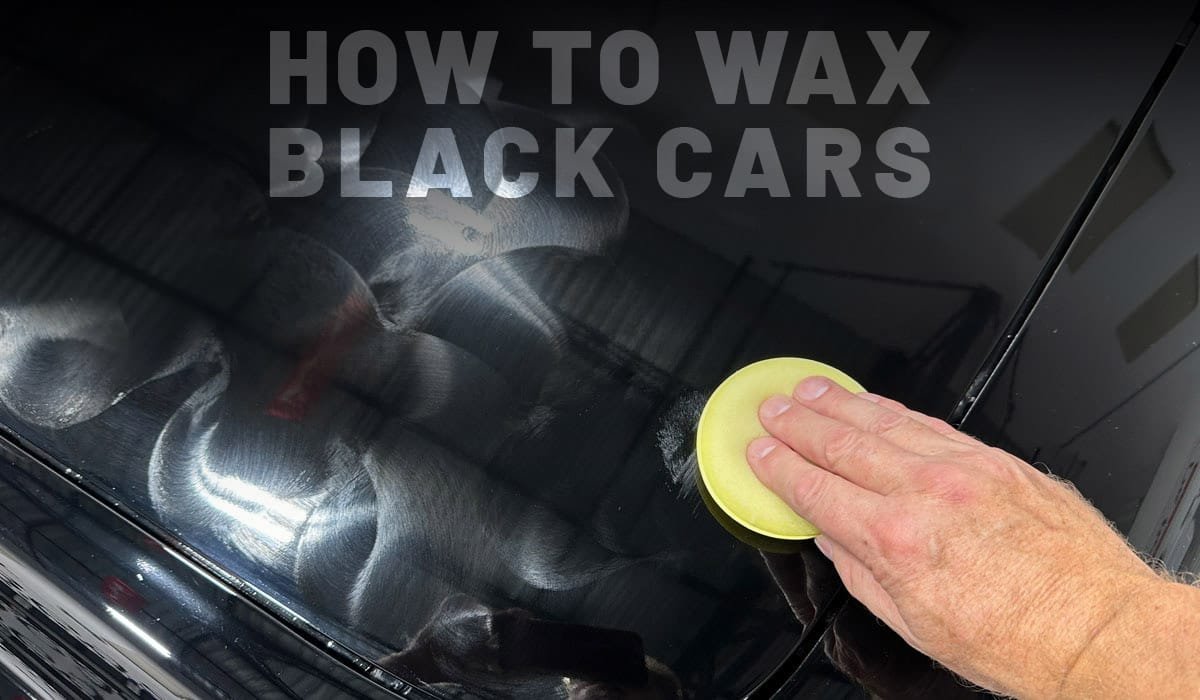
After the wax dries to a haze, buff it off with a clean microfiber towel. Use gentle, circular motions for a smooth, shiny finish.
Credit: www.take5carwashes.com
Frequently Asked Questions
What Are The Benefits Of Waxing Your Car?
Waxing your car protects paint from UV rays, dirt, and corrosion. It repels water, eases cleaning, enhances shine, and preserves resale value.
Is Waxing A Car Really Necessary?
Waxing protects your car’s paint from UV rays, dirt, and corrosion. It enhances shine, repels water, and makes cleaning easier. Regular waxing preserves your car’s finish and resale value, keeping it looking newer longer.
What Are The Signs My Car Needs Waxing?
Dull or faded paint, water spots that don’t bead, and surface roughness signal your car needs waxing. Wax restores shine and protection.
What Happens If I Never Wax My Car?
Neglecting car wax exposes paint to UV rays, dirt, and contaminants, causing fading, corrosion, and a dull finish. Dirt and water stick more, making cleaning harder. Over time, paint deteriorates faster, reducing your car’s shine and resale value. Regular waxing protects and preserves the car’s appearance.
Conclusion
Waxing your car protects its paint and keeps it looking fresh. It stops damage from sun, dirt, and water. The shiny surface also makes cleaning faster and easier. Minor scratches appear less visible after waxing. Regular waxing helps your car stay new longer and holds its value better.
Simple care like waxing makes a big difference over time. Try waxing to enjoy a cleaner, brighter car every day.